








文章: Mechanical Chronograph Storage: A Weekday and Weekend Checklist

Mechanical Chronograph Storage: A Weekday and Weekend Checklist
A mechanical chronograph stays ready for its next wear when it is kept clean, dry, protected from knocks, and stored away from magnetic fields. The routine is simple: protect the case and controls, then let the movement type determine whether it needs winding.

How to store a chronograph watch without adding unnecessary effort
A chronograph watch belongs in a padded watch box, divided compartment, watch roll, or well cushioned travel case. Choose a dry, stable indoor location rather than a bathroom, windowsill, parked car, or loose drawer.
Keep the watch separate from chargers, magnetic clasps, speakers, keys, and other hard objects. Magnetic exposure can affect the rate of a mechanical chronograph, while pressure against the crown or pushers can create avoidable strain during storage.
Before putting the watch away, wipe the case, crystal, and metal bracelet with a soft dry cloth. A leather strap should be fully dry before it is enclosed, and should be kept away from moisture, oils, cosmetics, and prolonged sunlight.
Do not rely on one universal resting position. Dial up, dial down, and crown up are not universal solutions for every movement. A stable position that avoids contact or pressure on the controls is the practical choice.
A chronograph watch weekday checklist for daily wear
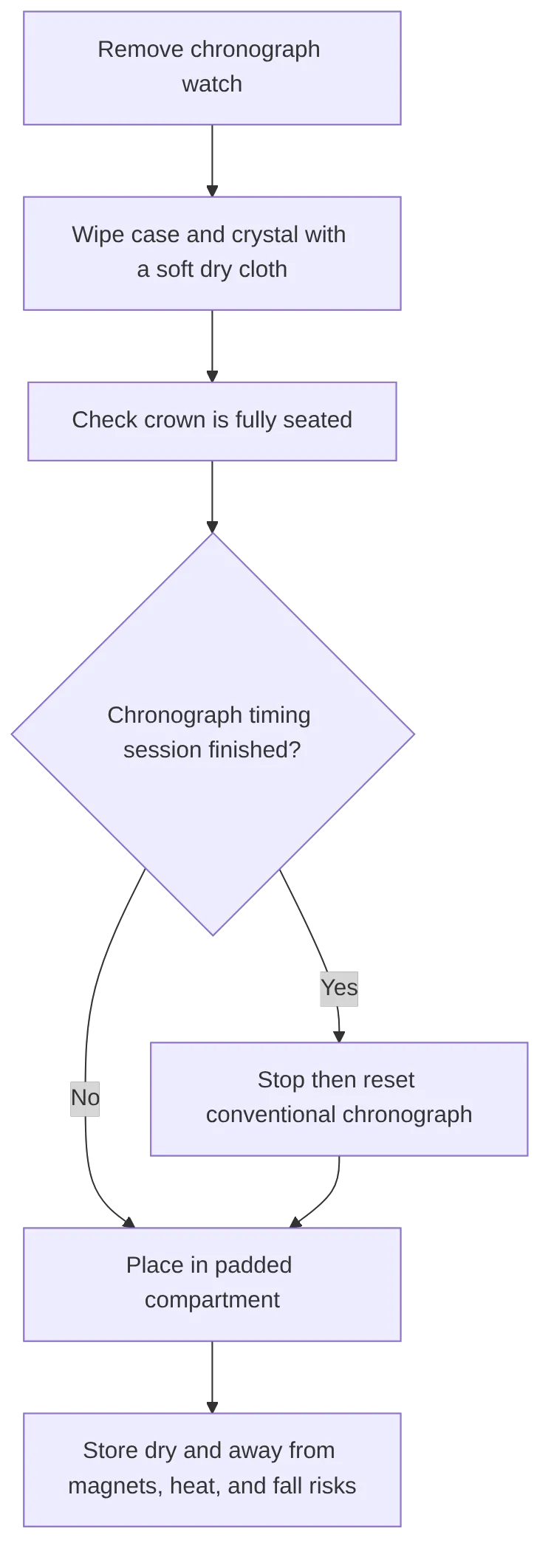
A short end of day routine protects both the movement and the external timing controls.
- Check that the crown is fully seated. Secure it carefully if the model uses a screw down crown.
- Stop and reset a conventional chronograph after a completed timing session. A flyback design follows its own documented operating sequence.
- Wipe away perspiration, moisture, and surface dirt.
- Keep a leather strap dry before placing the watch in a box or roll.
- Store the watch in a padded space, clear of electronics and fall risks.
A mechanical chronograph watch should be handled with steady, direct pusher presses rather than force. For a closer look at conventional start, stop, and reset operation, read the collector guide to chronograph mechanics.

A chronograph watch weekend checklist for time off the wrist
For a one or two day break, repeat the weekday steps and place the watch in protected storage. It is normal for a mechanical chronograph to continue running until its stored power is used, or to stop naturally during non wear.
A hand wound mechanical chronograph does not benefit from a watch winder. Wind it by hand before the next wear according to its instructions, and stop when normal resistance is reached. Never force the crown.
An automatic mechanical chronograph may be placed on a compatible winder when the owner values the convenience of keeping time and calendar indications running. A winder is optional, not a requirement. Use it only when the rotation settings match the guidance for that specific watch.
| Movement type | Best weekend approach | Winder role |
|---|---|---|
| Hand wound chronograph | Store safely and wind before the next wear | No functional benefit |
| Automatic chronograph | Store safely or use a compatible winder for convenience | Optional |
| Classic mechanical chronograph in a longer rotation | Keep protected and let it stop if preferred | Depends on automatic or hand wound design |
A chronograph watch collector storage routine for a growing collection
A chronograph watch for collectors benefits from a clear assigned space. Separate compartments prevent classic chronograph watches from touching each other, while labeled envelopes keep spare links, receipts, service records, and instructions organized away from the watches themselves.
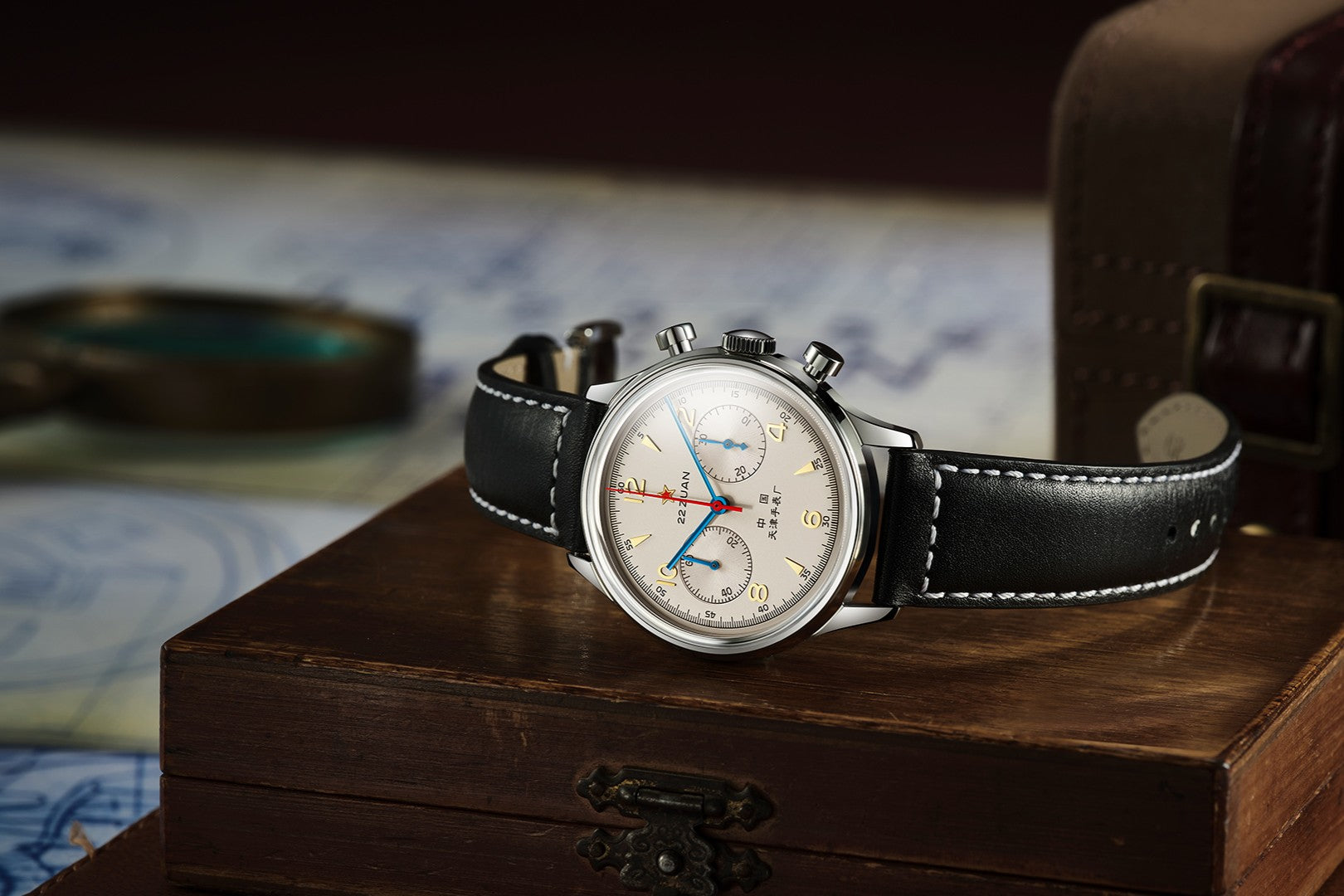
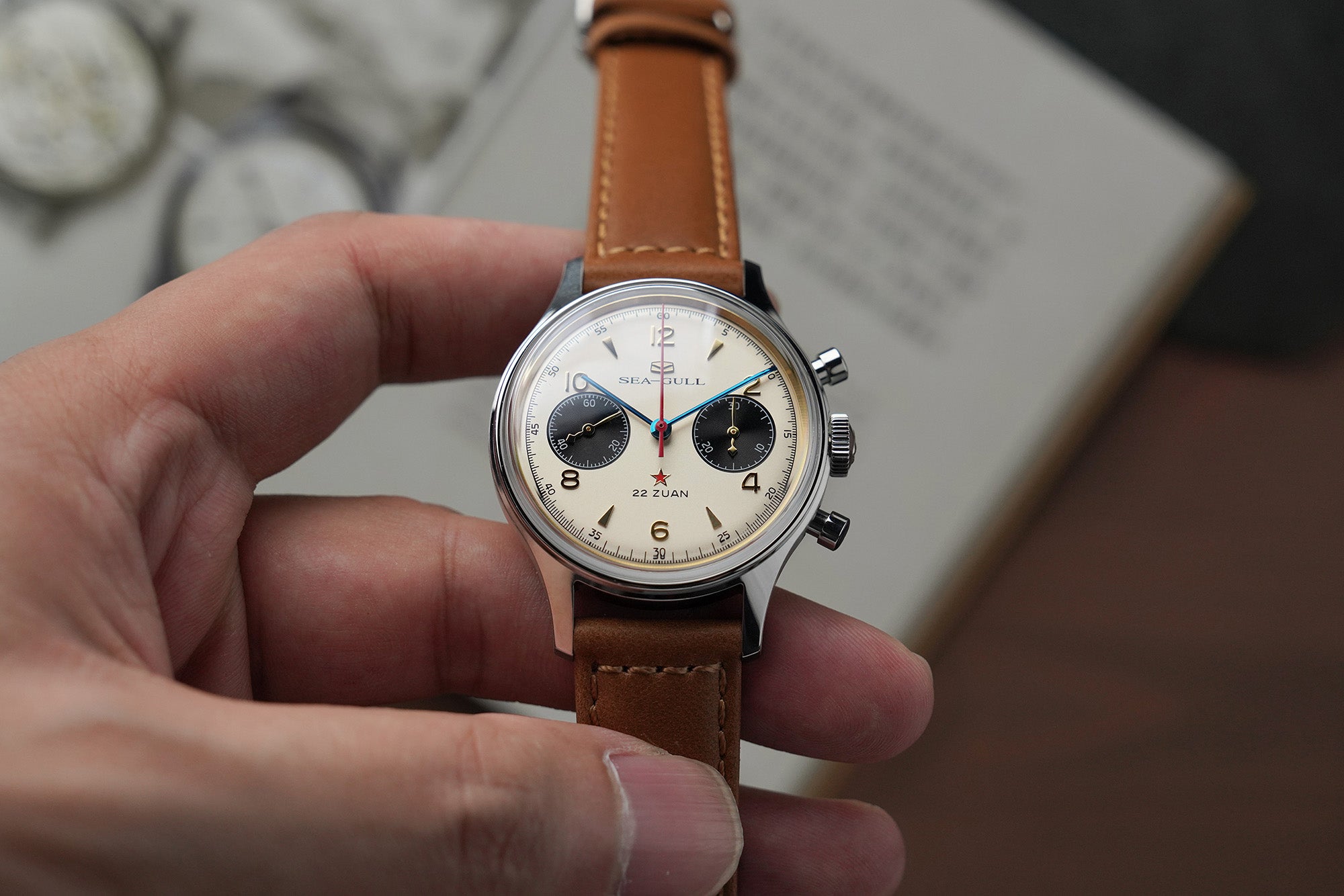
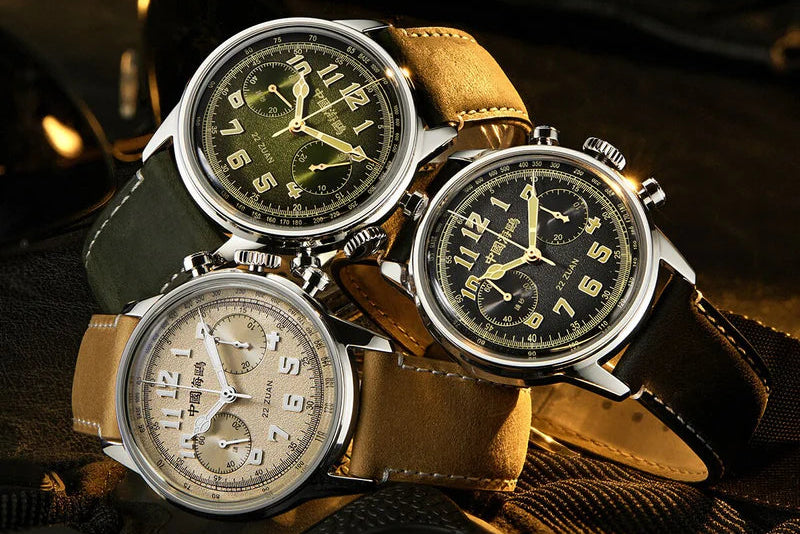
Chinese mechanical watchmaking heritage has long included chronograph development, and a Chinese chronograph watch deserves the same measured ownership habits as any complicated mechanical piece. Whether storing a Sea-Gull mechanical chronograph or another classic mechanical chronograph, protect it from moisture, impact, magnets, and unnecessary handling.
Pay attention to changes that differ from normal mechanical behavior. Condensation under the crystal, a sudden major rate change, rough crown action, stiff pushers, or chronograph hands that do not reset cleanly call for professional attention. The brand's mechanical watch care guidance offers additional care direction for long term ownership.
A Seagull chronograph movement, like any mechanical timing mechanism, should be operated according to the instructions for its particular layout. More movement focused background is available in this mechanical chronograph guide.
A chronograph watch FAQ for storage and winding
Should I stop the chronograph before storage?
For a conventional chronograph, stop the timing function before resetting it. Follow the watch specific instructions for flyback or specialized mechanisms.
Can I reset a chronograph while it is running?
Do not assume that you can. Conventional designs generally require stop, then reset. Flyback chronographs are a documented exception.
Is it safe for a mechanical chronograph watch to stop over the weekend?
Yes. A stopped watch after its power runs down is normal. Wind and set it as instructed before wearing it again.
Does a Seagull chronograph watch need a winder?
Only an automatic watch may use a winder, and only as a convenience. A hand wound chronograph gains no winding benefit from one.
A protected storage routine keeps a chronograph watch enjoyable to own: dry it, secure the crown, finish conventional timing cycles correctly, and return it to a padded space built for the next wear.

留言
此網站已受到 hCaptcha 保護,且適用 hCaptcha 隱私政策以及服務條款。