


A Guide to Mechanical Chrono Watches 2026
A Guide to Mechanical Chrono Watches 2026
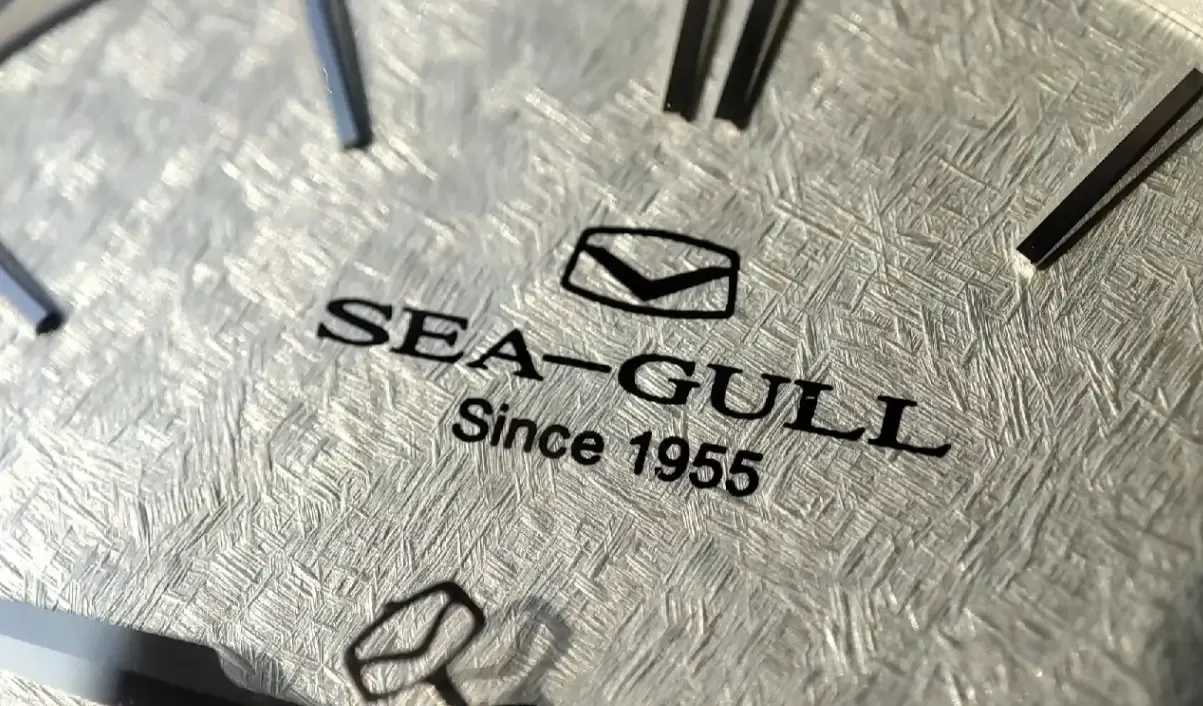
Mechanical chronograph watches in 2026 sit in a clear niche: nobody needs a wrist-worn stopwatch, but collectors still value the mechanism because it makes timing physical. A pusher-driven start, stop, and reset turns abstract "complication" talk into something you can feel in the fingers and see on the dial.
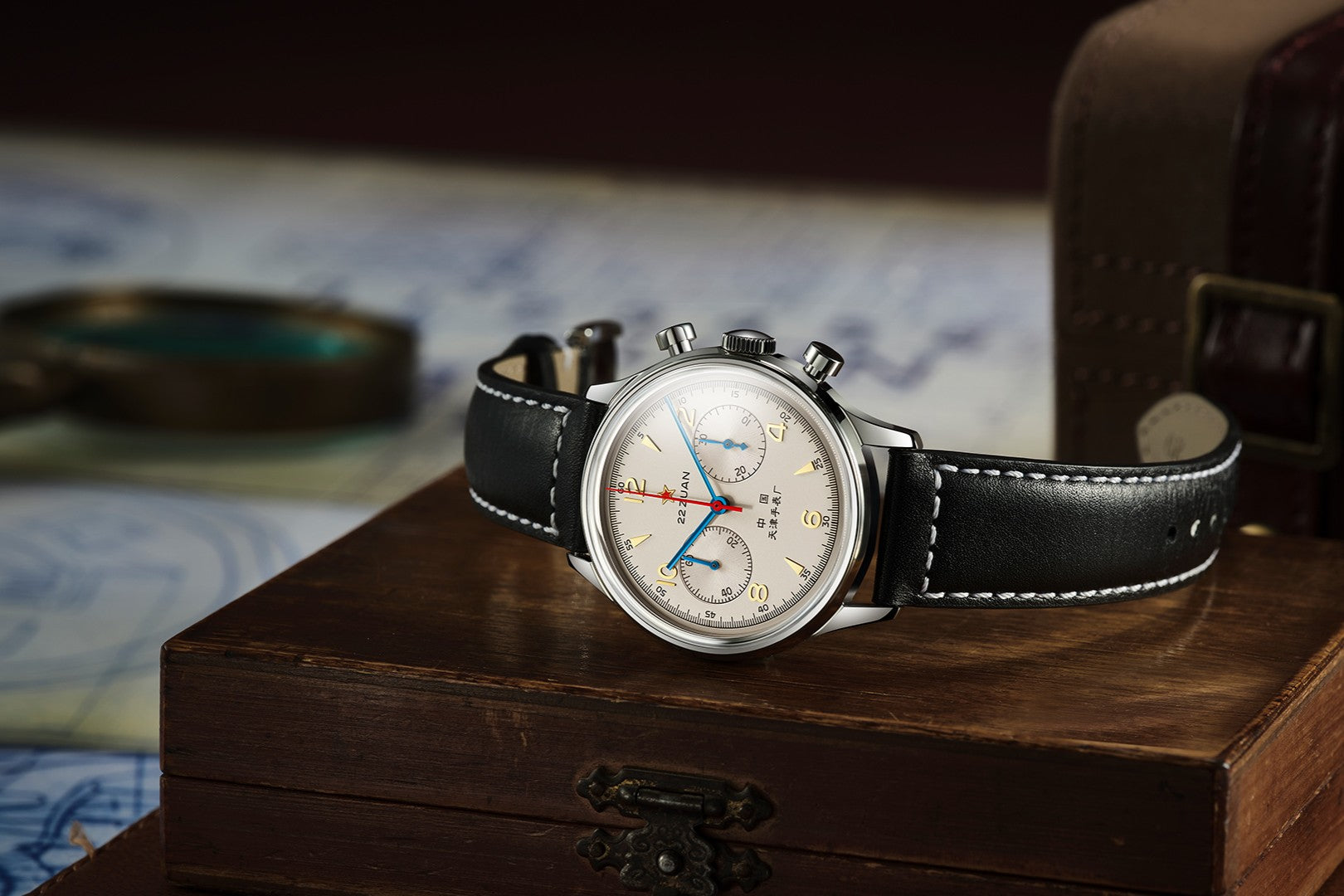
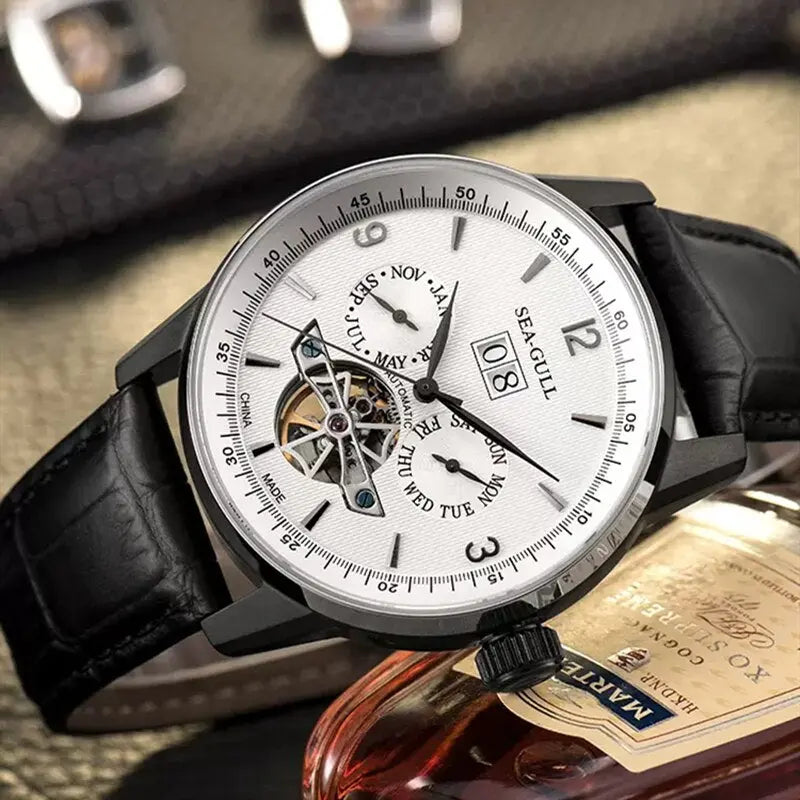
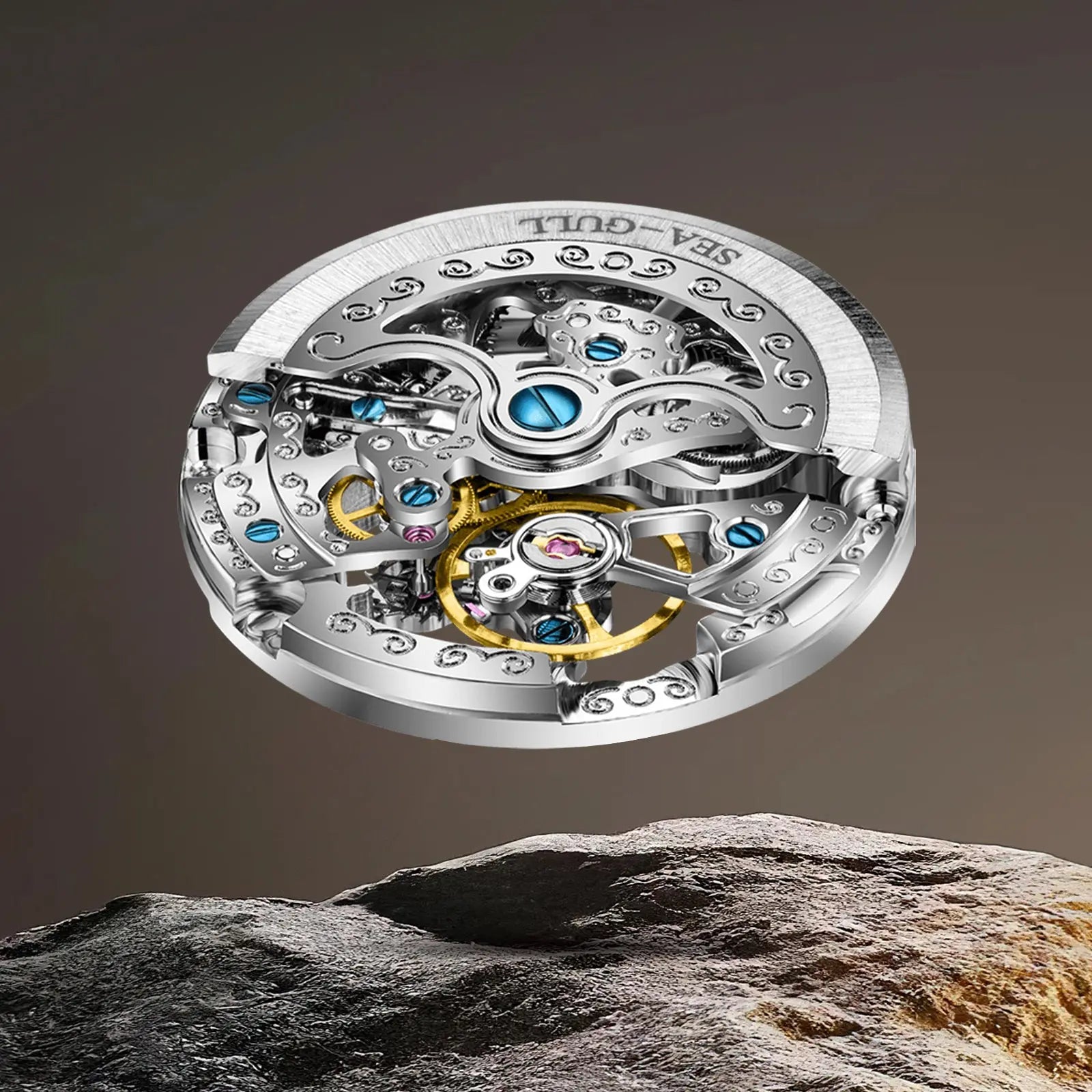
Within that landscape, Tianjin Sea-Gull matters less as a fashion label and more as a manufacturing reference point. It is widely documented as a large-scale mechanical movement producer with deep chronograph production context, including the ST19 column-wheel family that traces back to the Venus 175 architecture (see background in the brand's manufacturing history and summaries such as the Tianjin Sea-Gull overview. That "movement-first" position is why Sea-Gull appears so often in conversations about accessible mechanical chronographs.
Mechanical chronograph watches in 2026: what a "chrono watch" actually is
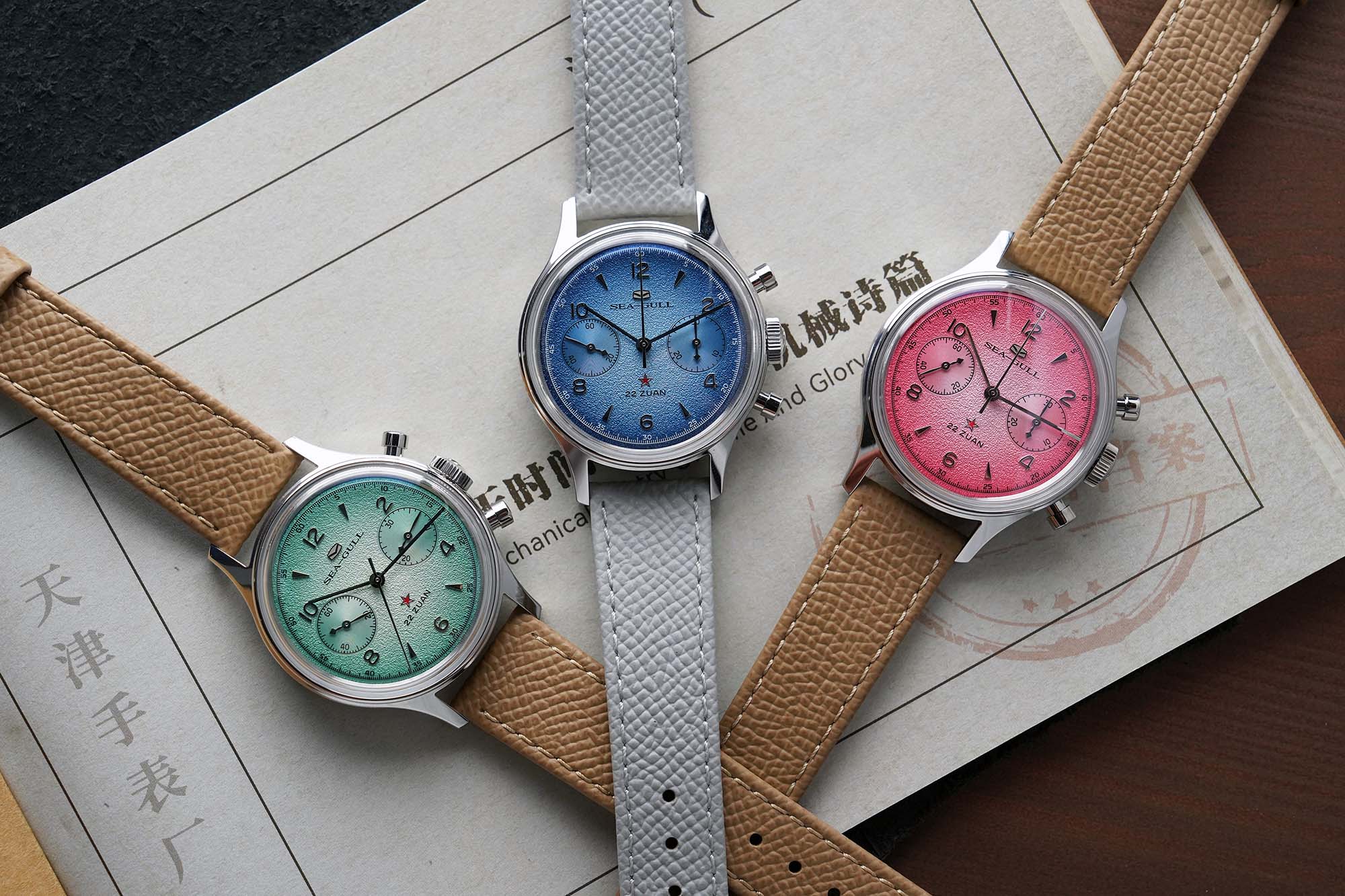
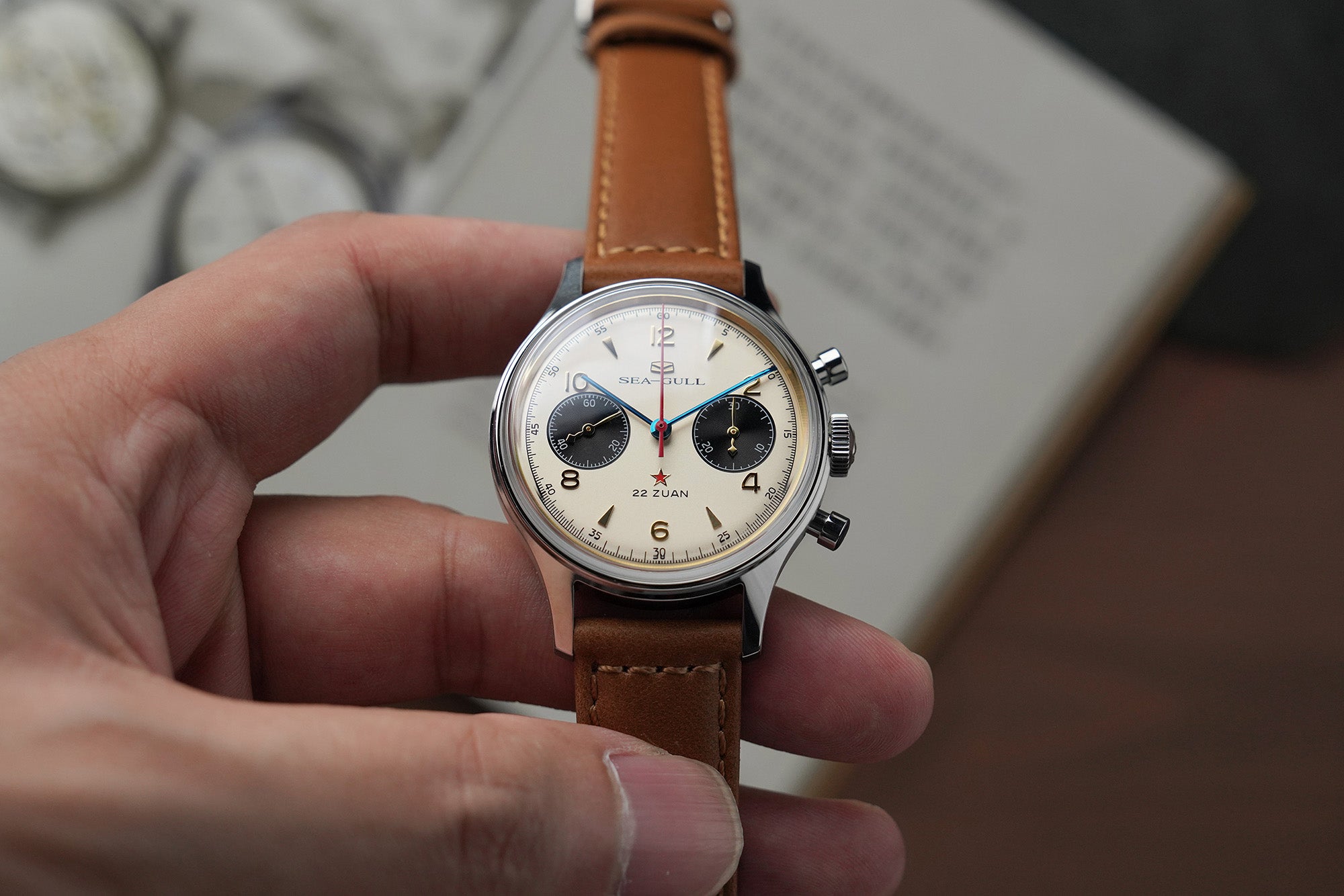
A chrono watch is simply a wristwatch with a mechanical stopwatch mechanism integrated into the movement. Two pushers typically control the functions: one starts and stops the chronograph train, the other resets it via heart cams and hammers. Most layouts track central chronograph seconds plus a minutes counter, and sometimes an hours counter.
From a manufacturing standpoint, adding a chronograph increases parts count, friction points, and tolerance sensitivity. For collectors, those costs translate into the traits people actually shop for: pusher feel, reset "snap," dial symmetry (bi-compax vs tri-compax), and how legible the timing scale is at a glance.
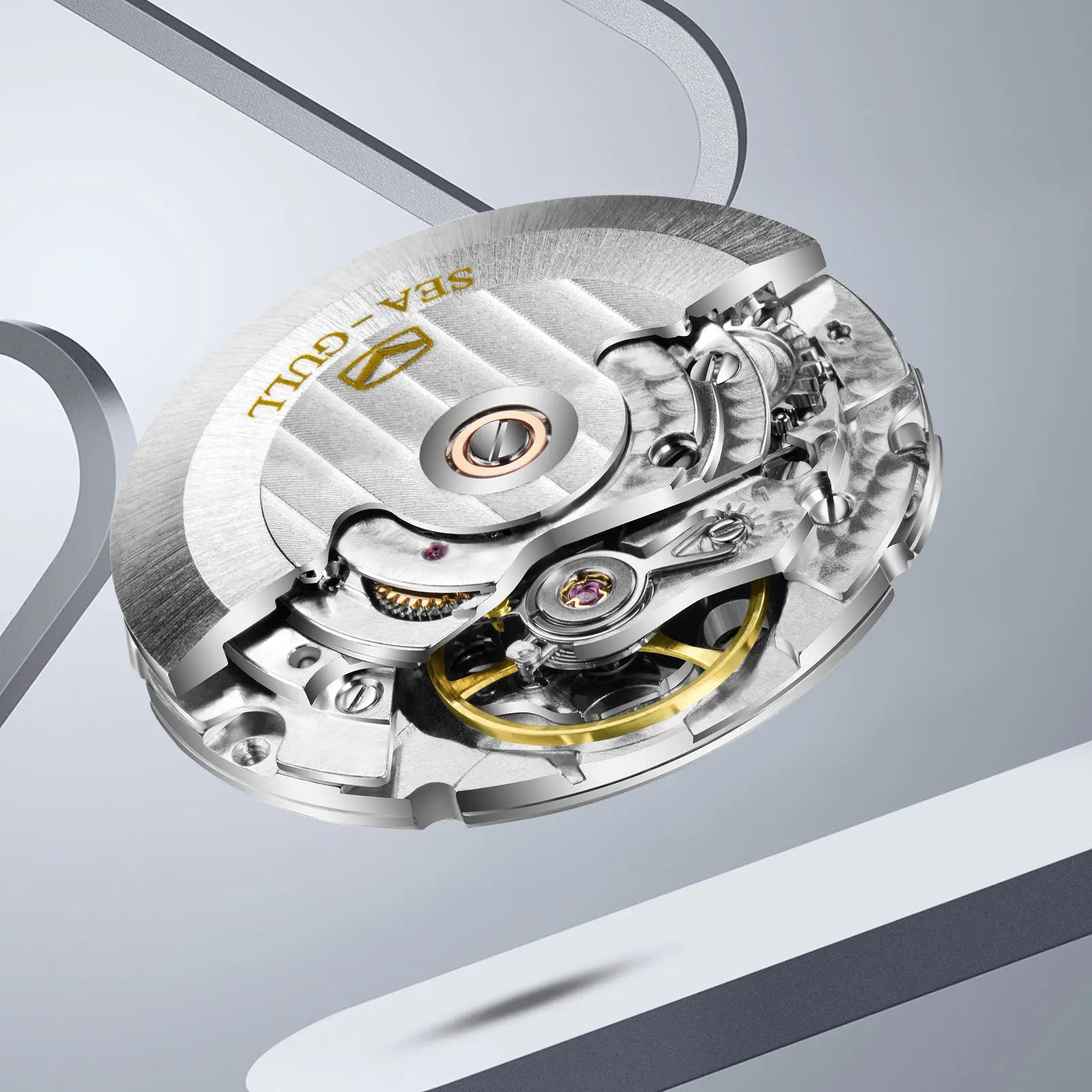
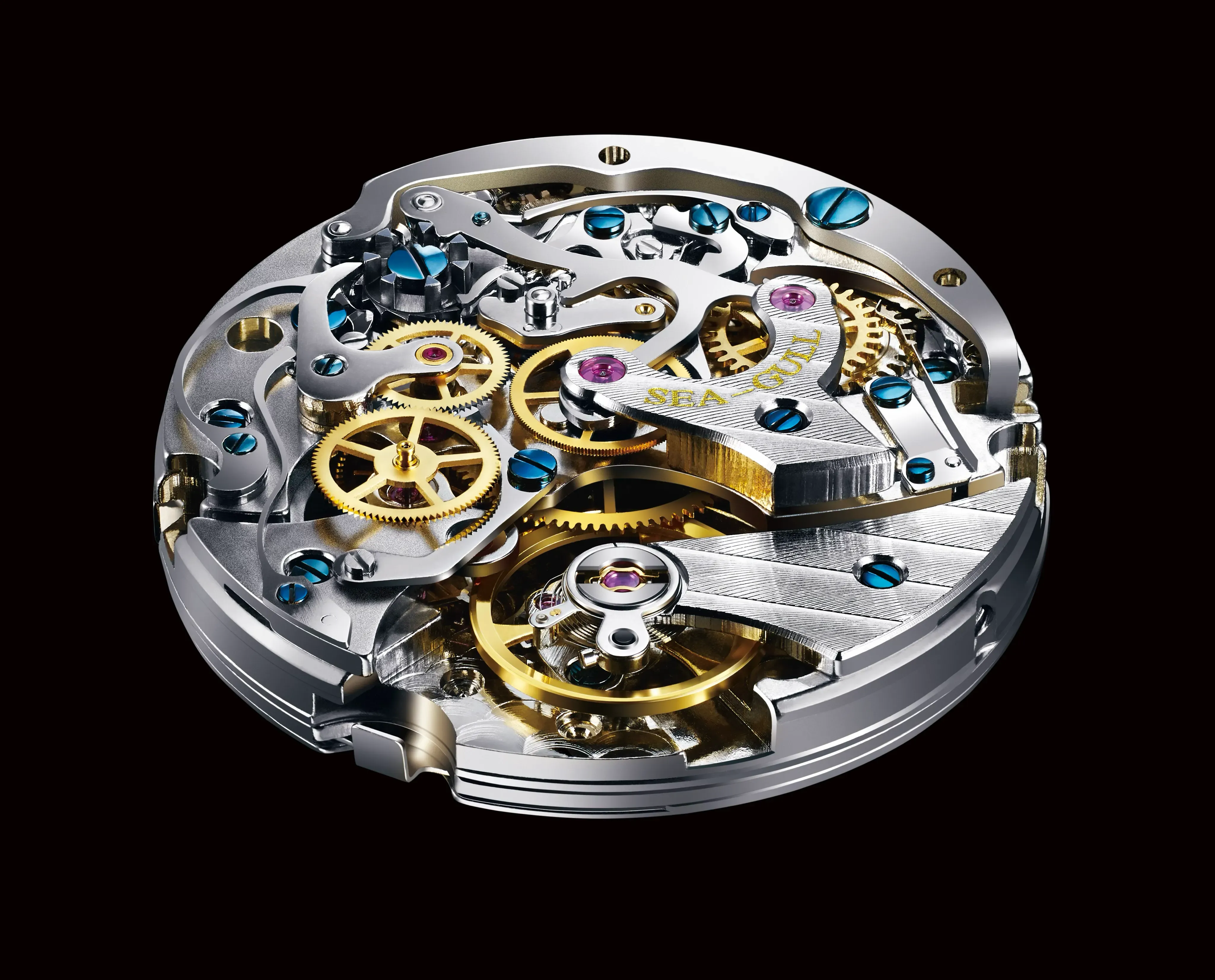
Inside the mechanism: column wheel, cam control, and clutch choices
The short version is that most buyer-relevant differences map to two design decisions.
| Design choice | What it is (technical) | What you notice (ownership) | Typical implication |
|---|---|---|---|
| Column wheel vs cam | The "control computer" coordinating start, stop, and reset levers | Column wheel often feels more defined at the pusher | Column wheel tends to be more complex to manufacture |
| Horizontal vs vertical clutch | How the chronograph train couples to the going train | Horizontal can show a small start "jump"; vertical is smoother | Vertical is often pricier and optimized for continuous running |
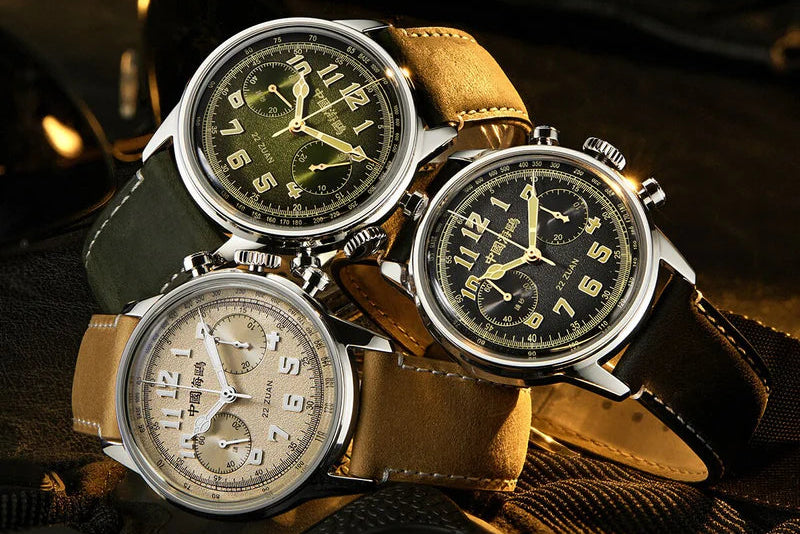
Sea-Gull's ST19 family is a well-known example of column-wheel architecture in an accessible segment, which is part of why it is frequently referenced when people search for chronograph mechanical watches without moving straight into high-luxury pricing tiers.
Complication stacking in 2026: GMT, dive utility, moonphase, tourbillon
In 2026, shoppers rarely evaluate a chronograph in isolation. They evaluate a "movement stack," because each added function signals a different set of trade-offs.
-
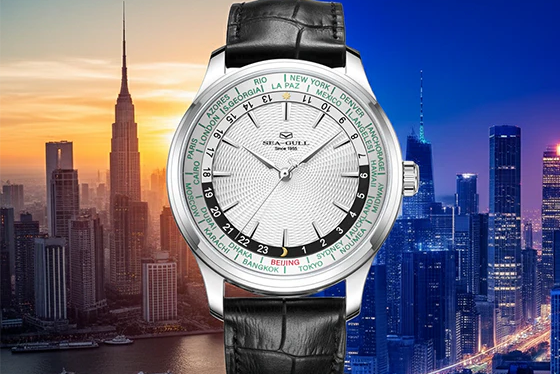
GMT: From a movement standpoint, GMT adds additional gearing and a 24-hour display logic. From a buyer standpoint, it is a travel tool and a dial-legibility decision first, and a complication second.
-
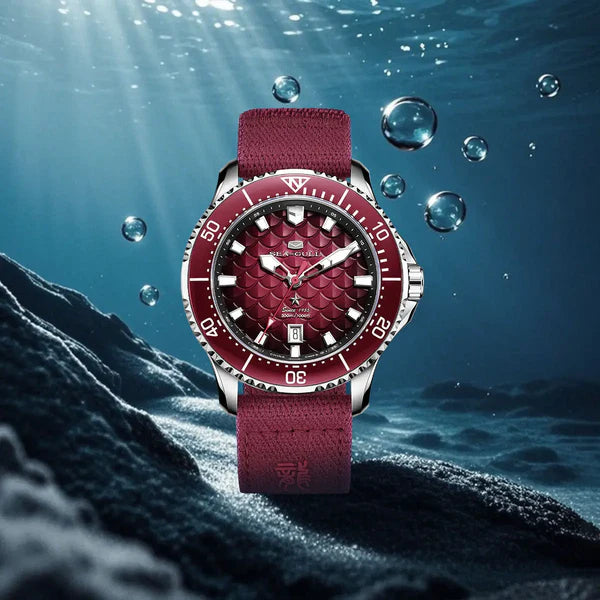
Dive capability: A rotating bezel is often a simpler solution than adding internal timing modules, but it raises expectations around seals, crown construction, and pressure testing discipline.
-
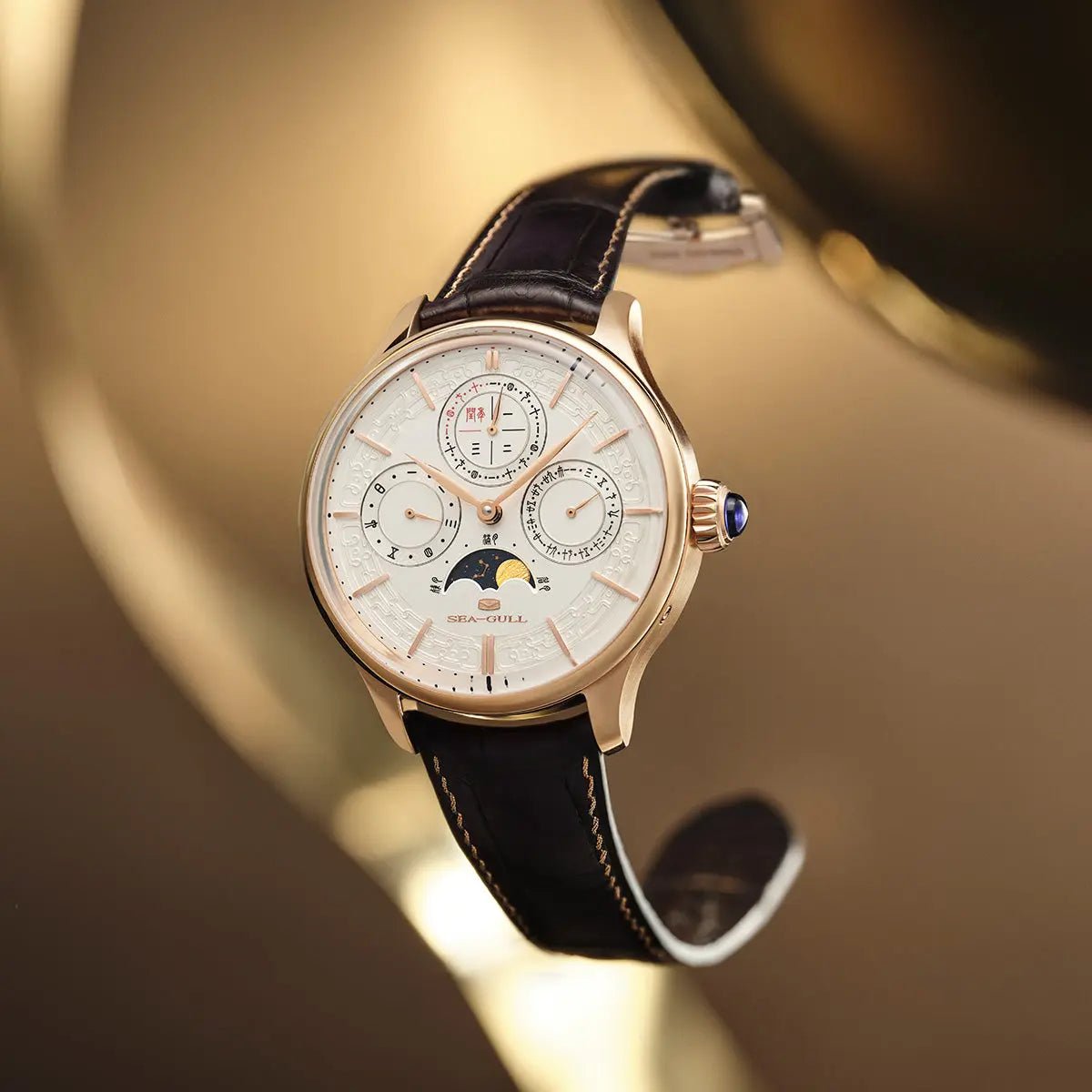
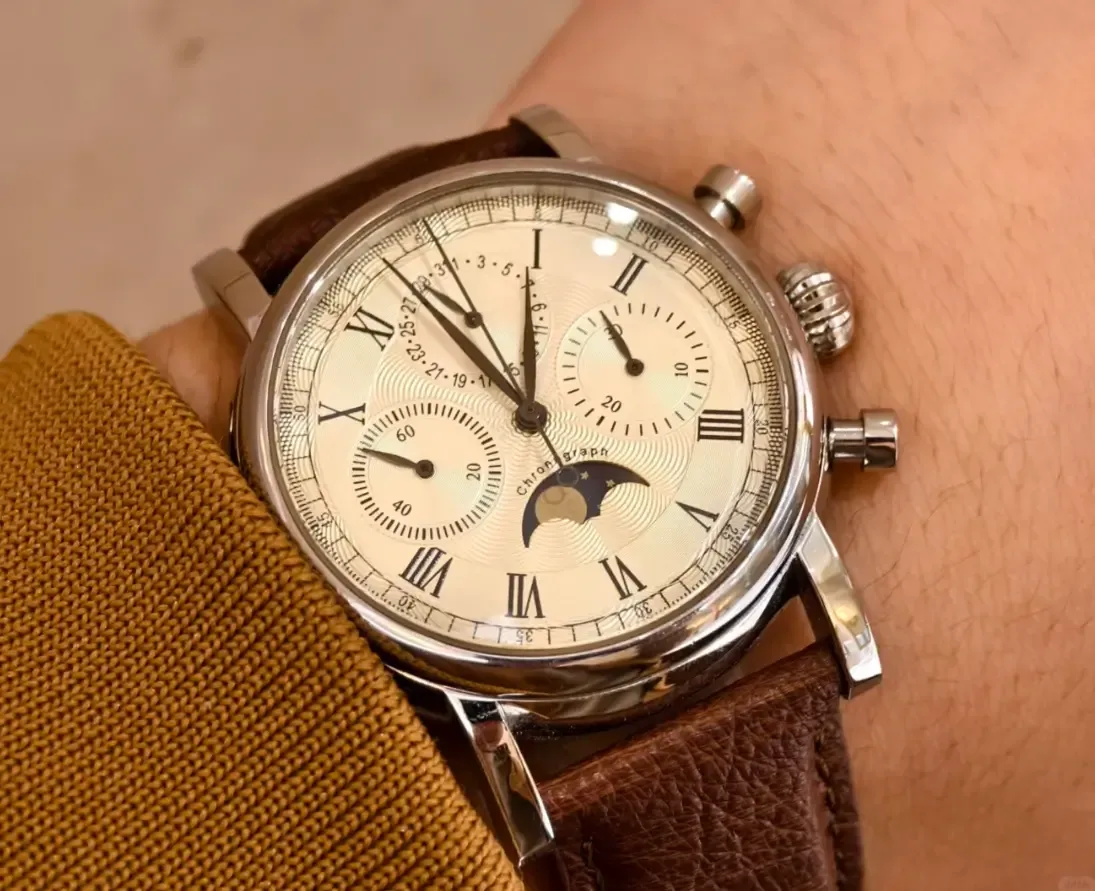
Moonphase: Moonphase is usually chosen for classical dial architecture rather than utility. Mechanically, it adds wheels and setting sensitivity; aesthetically, it changes the watch's entire "speed" and formality.
-
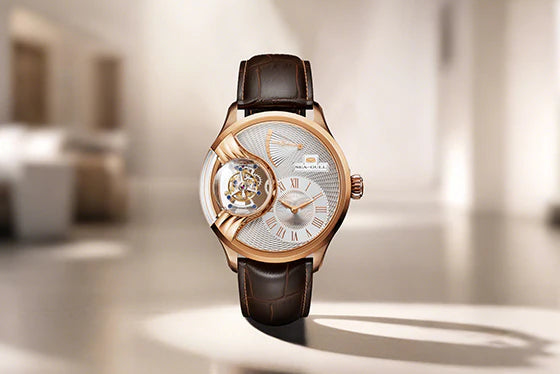
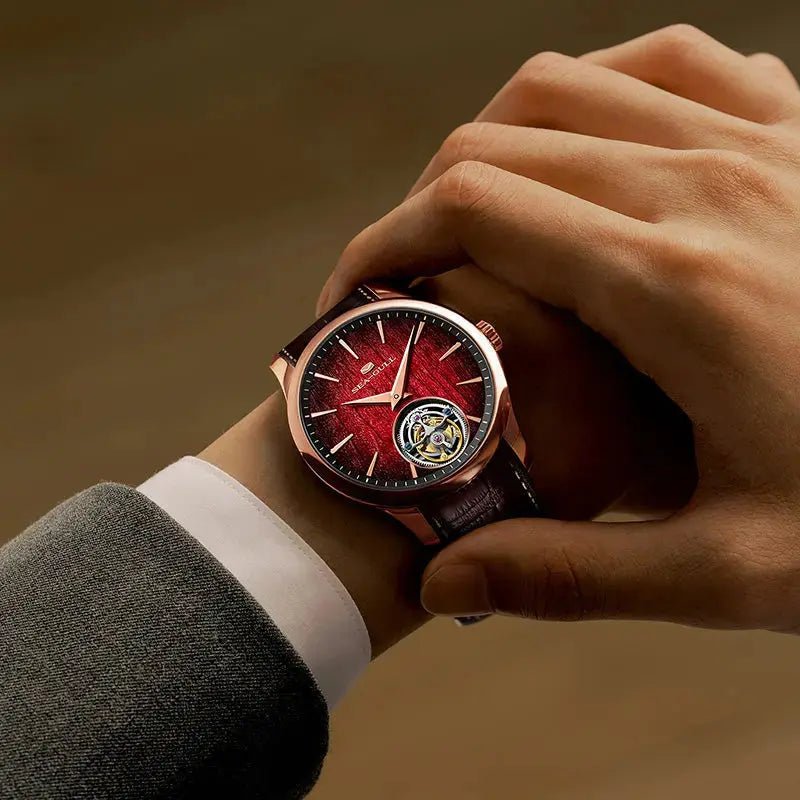
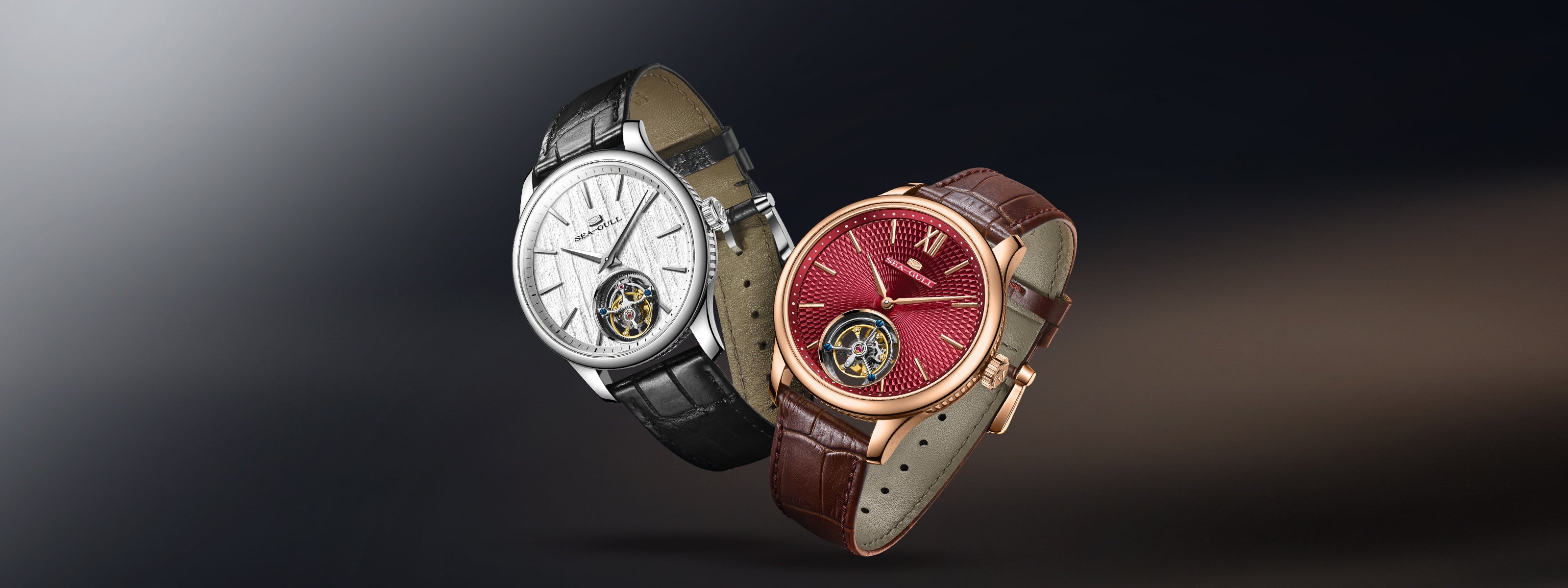
Tourbillon: A tourbillon is a rotating cage for the balance and escapement, historically meant to average positional error. In modern collecting, it is more often an engineering artifact than a necessity. Sea-Gull is notable here because it manufactures tourbillon families at industrial scale, making the complication accessible as a mechanical study object rather than a status purchase.
If you want a high-level framework, think in terms of "complexity adds service sensitivity." A chronograph already increases engagement wear; stacking additional complications raises expectations for careful setting, realistic service intervals, and conservative water-use habits.

Sea-Gull's role: movement-driven access, not luxury storytelling
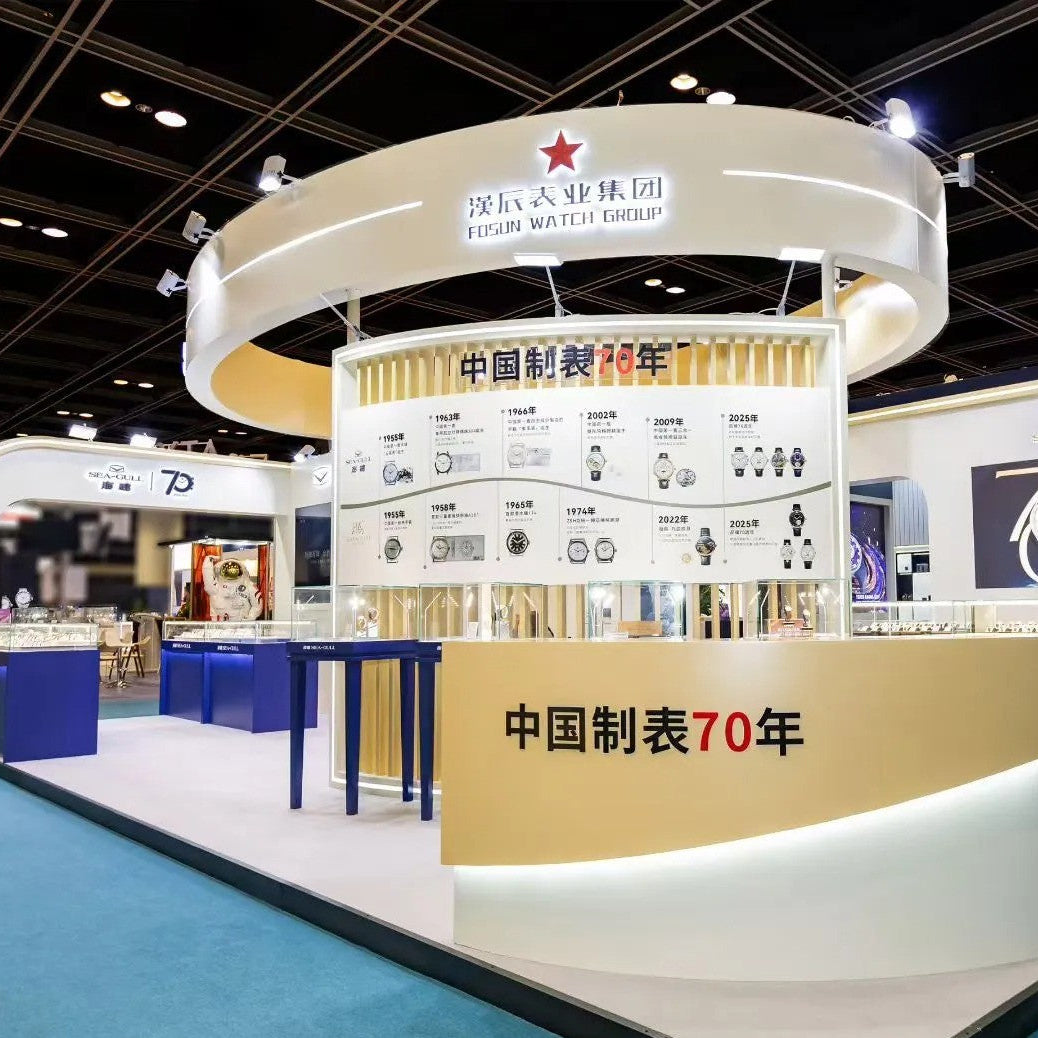
Sea-Gull's relevance is structural. It is a Tianjin-based manufacturer with a global footprint (including an office presence in Hong Kong and broad domestic retail), and it participates in the international market through multi-channel distribution. From a manufacturing standpoint, that scale supports consistent movement families across multiple watch styles. From a collector standpoint, it explains why the same underlying chronograph architecture appears across many "1963-style" discussions and why authenticity questions persist.
If you are browsing on the brand distributor website, it is typically more efficient to start from a broad category view and then narrow by case size, dial layout, and complication:
- Browse current availability in the Men's collection.
- For concrete reference-point examples, you can review models such as Sea-Gull Complete Calendar, Sea-Gull Calendar, and Sea-Gull Perpetual Calendar to compare layout decisions and specification philosophy.
This approach keeps the evaluation anchored on movement architecture and ownership practicality rather than on naming noise in the broader market.
Authenticity, shipping, and after-sales: buying a chrono watch online with fewer surprises
Cross-border buying is less about price and more about friction management. Three areas tend to decide whether the experience feels straightforward.
- Authenticity signals that matter
- Prefer known distributor websites, authorized overseas distributors, or clearly identified brand-operated storefronts on major marketplaces.
- Be cautious with unusually low pricing or ambiguous branding language.
- Recognize that "lookalike" chronographs exist in volume; movement lineage alone is not proof of origin.
- Customs and delivery expectations
- Buyers in North America and Europe often focus on whether duties or taxes are prepaid and whether shipping is routed through customs-friendly channels.
- If you are comparing checkout totals, evaluate the "all-in" cost (watch, shipping, and potential import handling), not just the list price.
- Warranty, returns, and service reality
Mechanical chronographs are serviceable machines, but they are still machines. In the accessible-to-mid segment, multi-year warranties (often 2 to 3 years) are common, and full service is typically expected every 3 to 5 years depending on use. Practical habits matter: avoid operating chronograph pushers underwater unless the watch is explicitly designed for it, and treat changes in pusher feel as an early warning that lubrication or adjustment may be due.
For ongoing ownership guidance, it can be useful to monitor the brand's maintenance-related updates and product notes in the news and articles section.
In 2026, a well-chosen mechanical chronograph is less a timing device than a compact demonstration of movement architecture. Seen that way, Sea-Gull functions as a useful reference point in the category: a manufacturer whose long-term relevance comes from engineering access and production context, not from short-lived trend cycles.

Leave a comment
This site is protected by hCaptcha and the hCaptcha Privacy Policy and Terms of Service apply.