




Seagull Tourbillon Series: 2026 Collector Guide
Seagull Tourbillon Series: 2026 Collector Guide
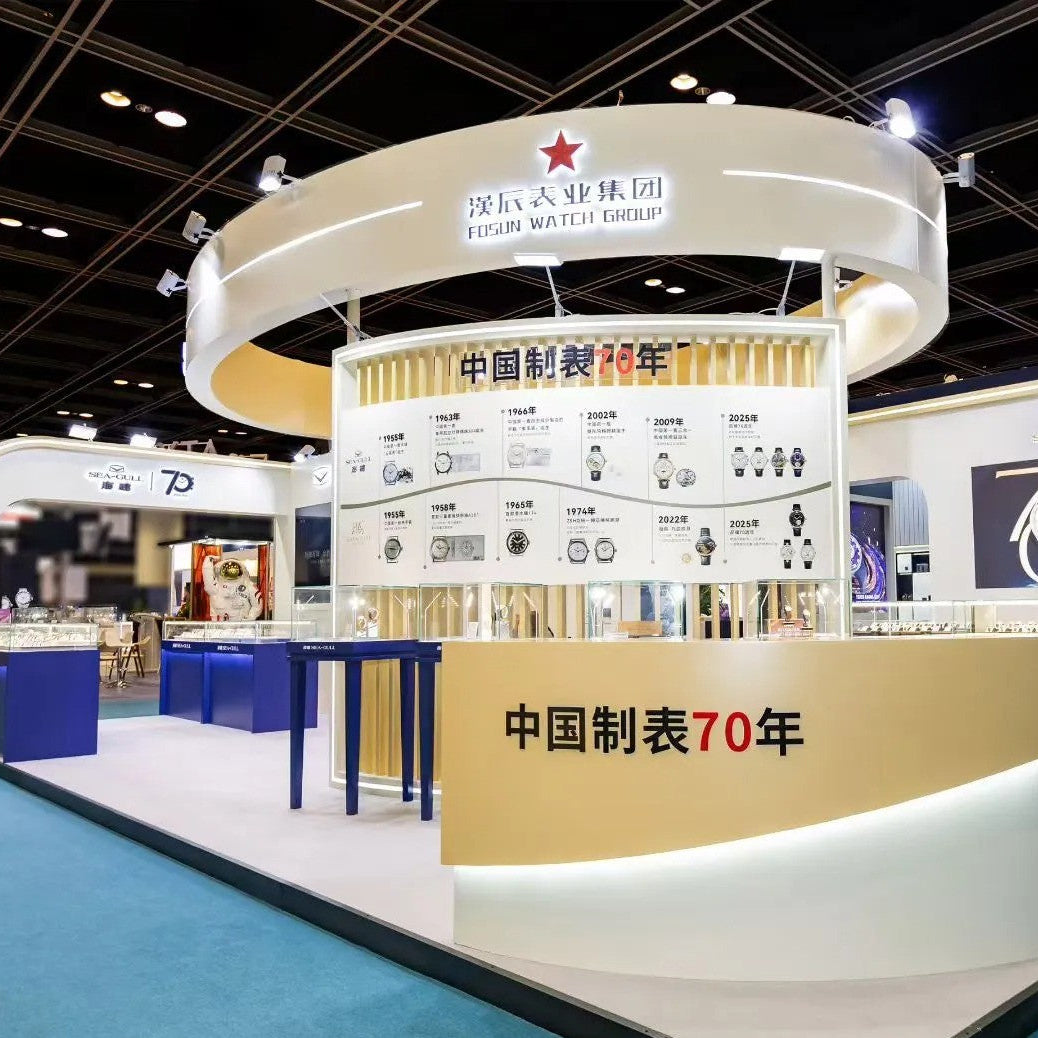
Seagull matters in the mechanical watch landscape for one straightforward reason: it is a movement-driven manufacturer with large-scale production in Tianjin, capable of designing and industrializing calibres rather than merely assembling finished watches. That scale is why Seagull appears so often in conversations about "accessible" high complications, particularly the tourbillon. If you arrived here by typing turbillion, you are in familiar territory: the term is common online, but it usually points to the same complication, and to the same buyer question, namely how a tourbillon fits into a modern collection without the traditional haute horlogerie price structure.
For background on the company's industrial role, see this overview of Tianjin Sea-Gull.
Turbillion vs. tourbillon: definition, meaning, and what changes on the wrist
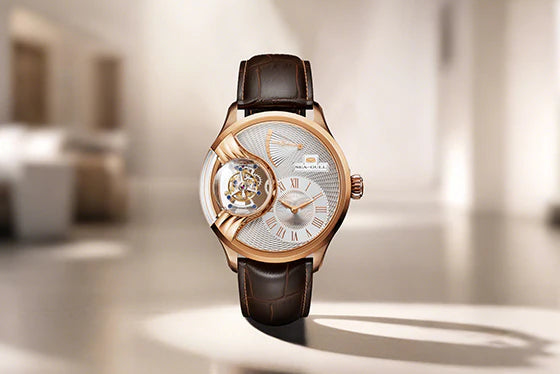
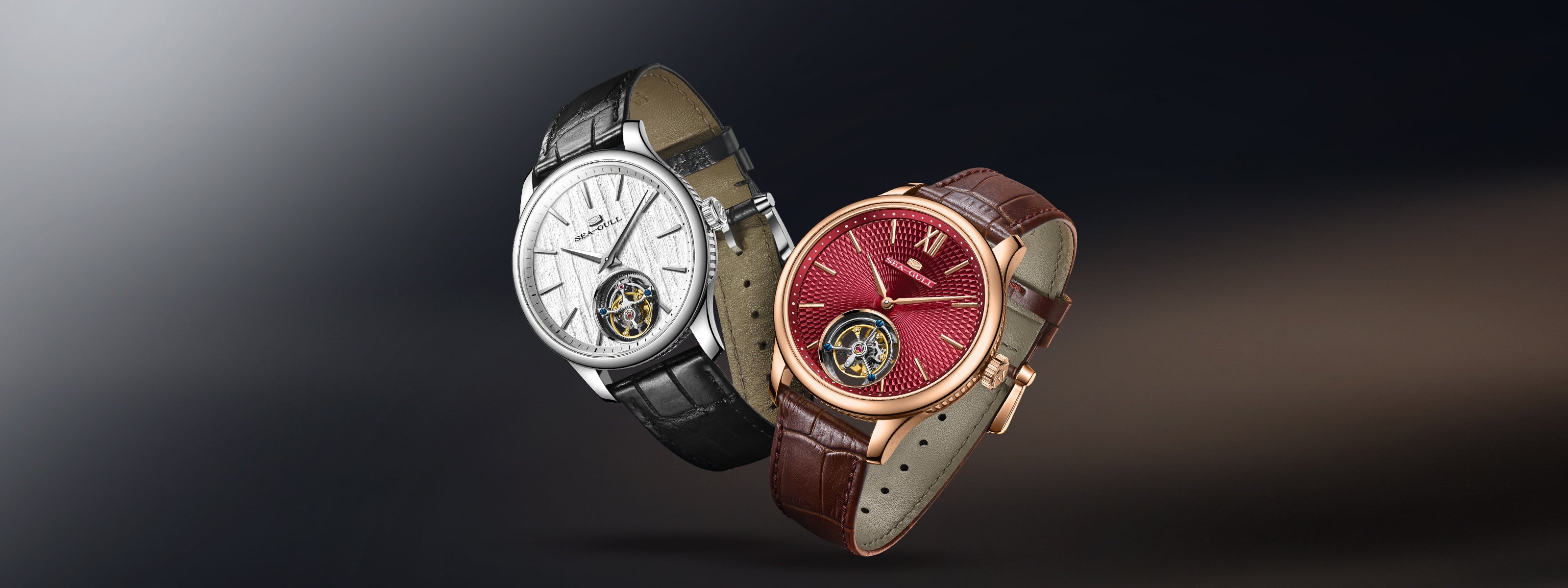
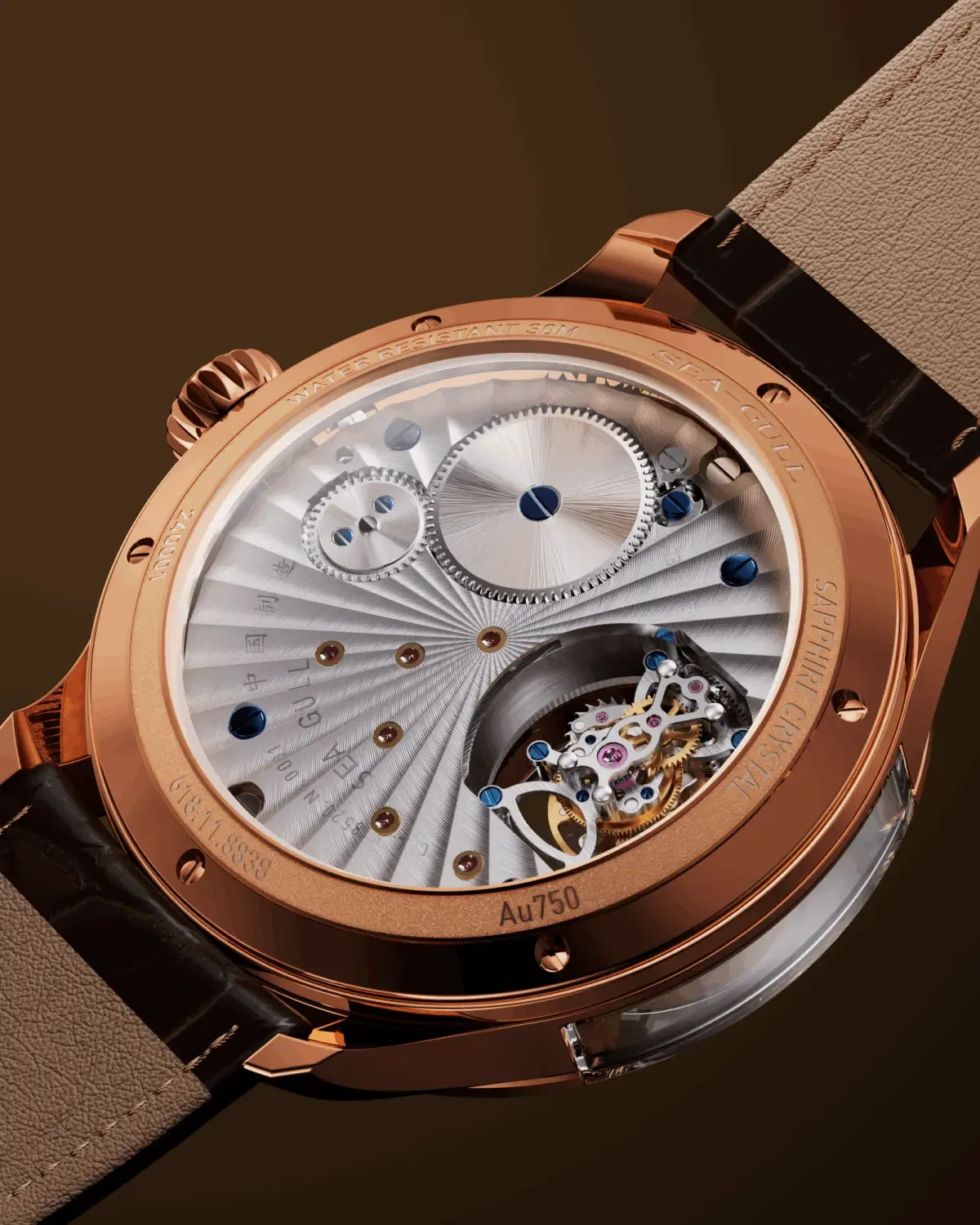
In watchmaking terms, a tourbillon is a regulating device where the balance and escapement sit inside a rotating cage, typically completing one rotation per minute. Historically (pocket-watch era), the idea was to average gravity-related positional errors. In modern wristwatches, where position changes constantly, the practical accuracy benefit is often limited. Collectors value the mechanism primarily as visible kinematics and as evidence of manufacturing capability.
In evaluating a watch, the key distinctions lie in its architecture:
- Classic (bridged) tourbillon: supported by a bridge, visually framed.
- Flying tourbillon: cantilevered, no upper bridge, more open view.
- Central-axis tourbillon: positioned near the center for a dramatic layout.
- Double or multi-axis (armillary-style): higher complexity, more rotational behavior, and usually a different service profile.
A practical note for searchers: "flying wheel" is sometimes used loosely to describe either a flying tourbillon or an open-heart balance. Those are not the same mechanically.
Seagull tourbillon movement families: what collectors are actually buying
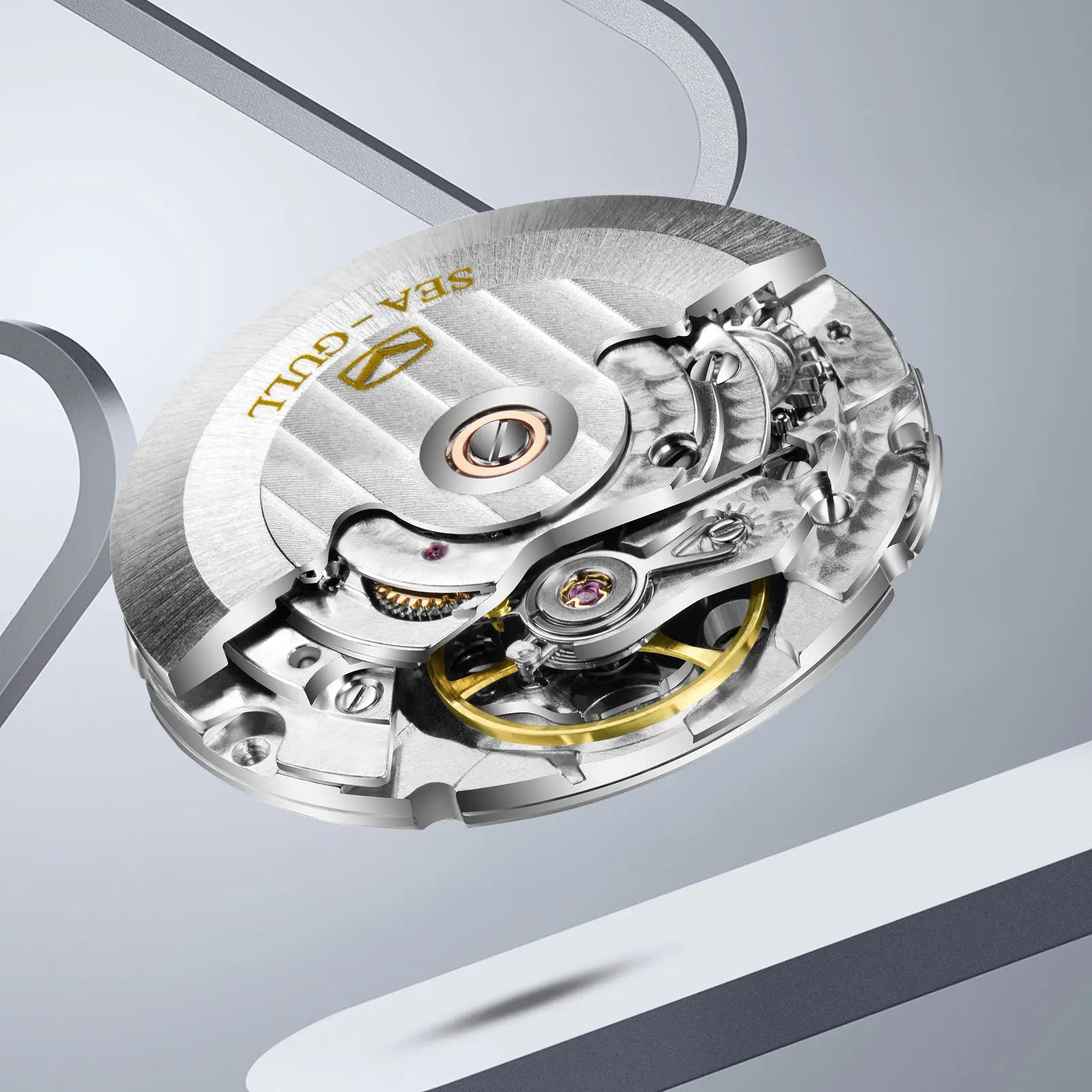
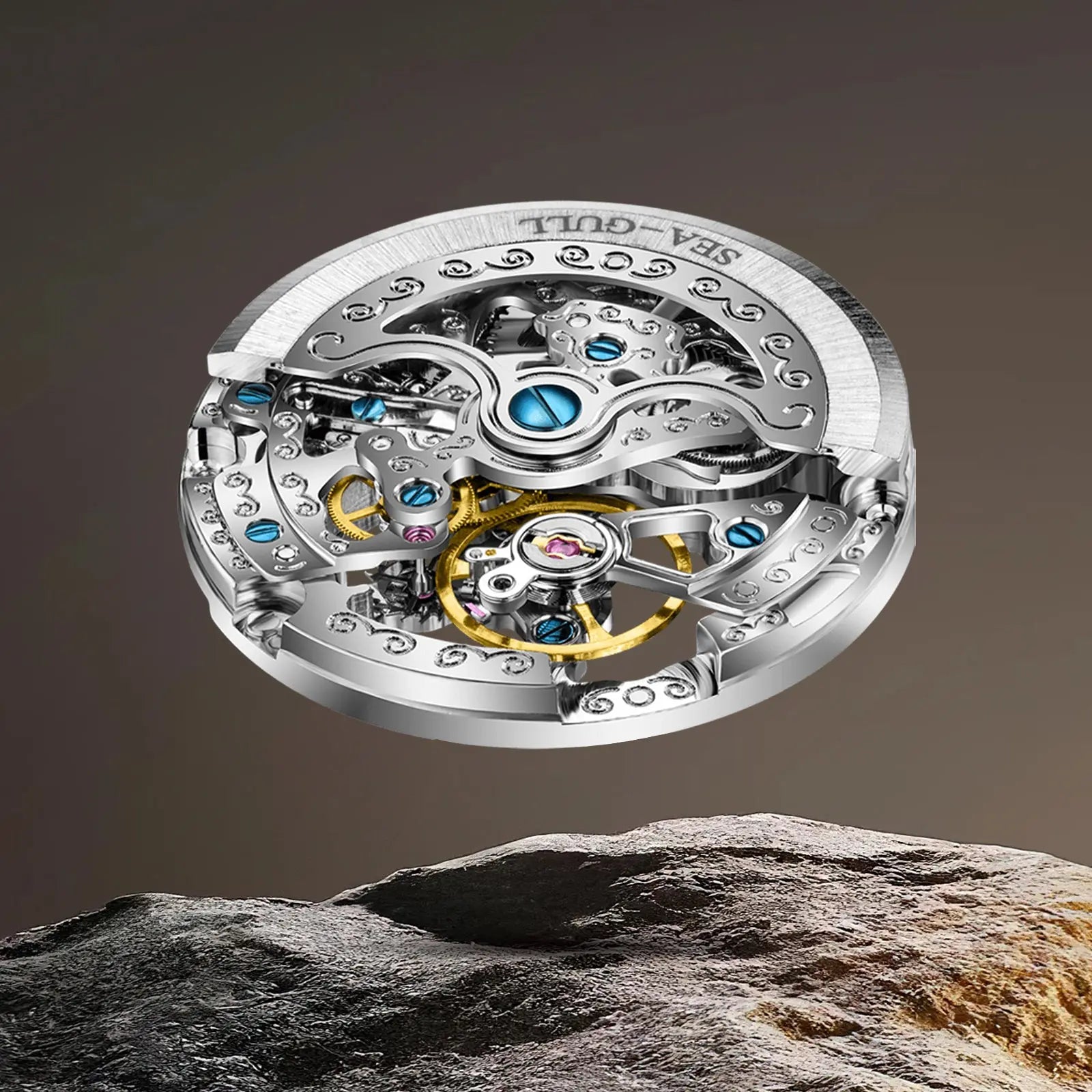
Seagull's tourbillon portfolio is best understood by movement architecture. From a manufacturing standpoint, these families represent different industrial trade-offs (thinness, winding system, regulation complexity). For collectors, they map to wearability and service expectations.
| Movement family (typical) | Winding | Tourbillon type | Beat rate | Power reserve (indicative) | What it tends to signal to collectors |
|---|---|---|---|---|---|
| ST8000 family | Hand-wound | Classic, bridged (often at 6 o'clock) | 21,600 vph | ~40 to 42 hours | Baseline "true tourbillon" experience with straightforward layout |
| ST8610 (ST86 family) | Automatic | Flying, ultra-thin architecture | 28,800 vph | ~40 to 43 hours | Dress-focused thinness, smoother sweep, higher servicing complexity |
| ST8230-type references | Hand-wound | Classic (often at 6 o'clock) | 21,600 vph | ~60 hours | Evolution of the basic platform, often paired with more elaborate dials |
From a buyer perspective, the key is to recognize that "in-house movement" and "finished watch execution" are not identical questions. Seagull's OEM role means the same underlying tourbillon calibre can appear across different casings and quality-control standards, depending on who assembles and regulates the final watch.
Series and design language to watch in 2026 (and where they fit in a collection)
Within Seagull's current catalog structure, you can treat the tourbillon lineup as several recurring design "buckets" rather than a single style.
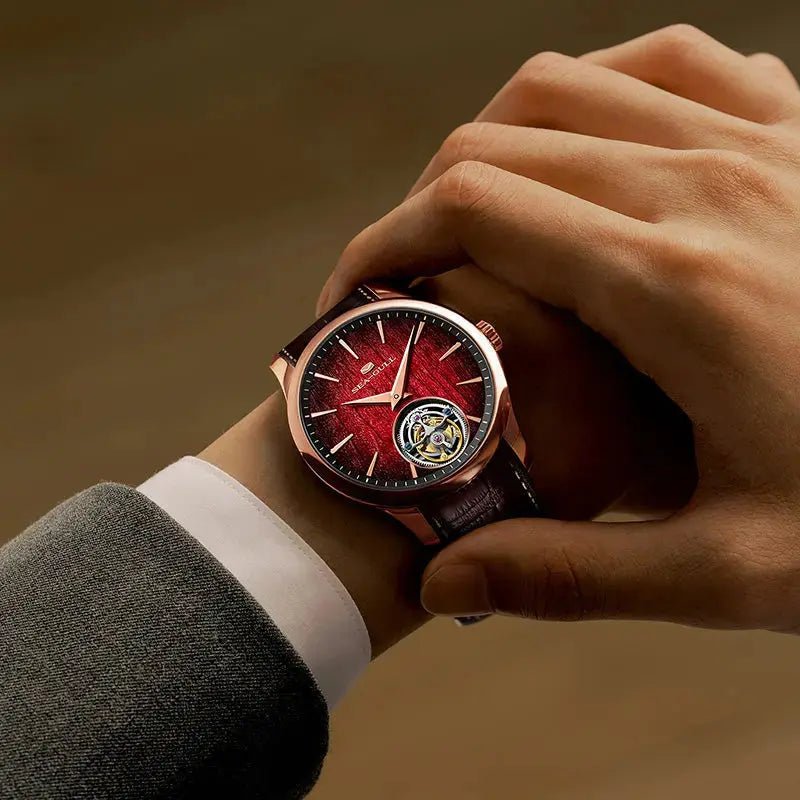
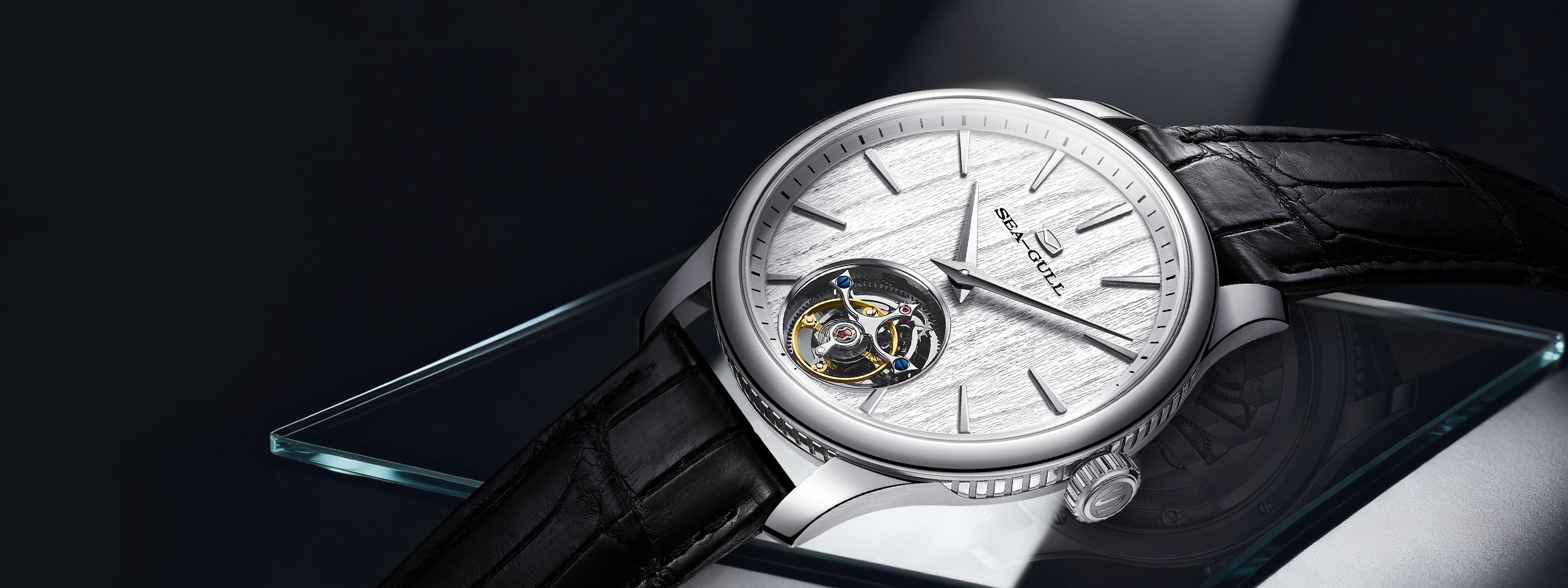
- Ultra-thin automatic flying tourbillon (8850 platform): typically a slim dress profile around 42 mm, often paired with Guqin-inspired dial textures. If your priority is wearability rather than maximum dial theatrics, this is the logical place to start. See the Ultra-Thin Tourbillon Watch 8850.
-
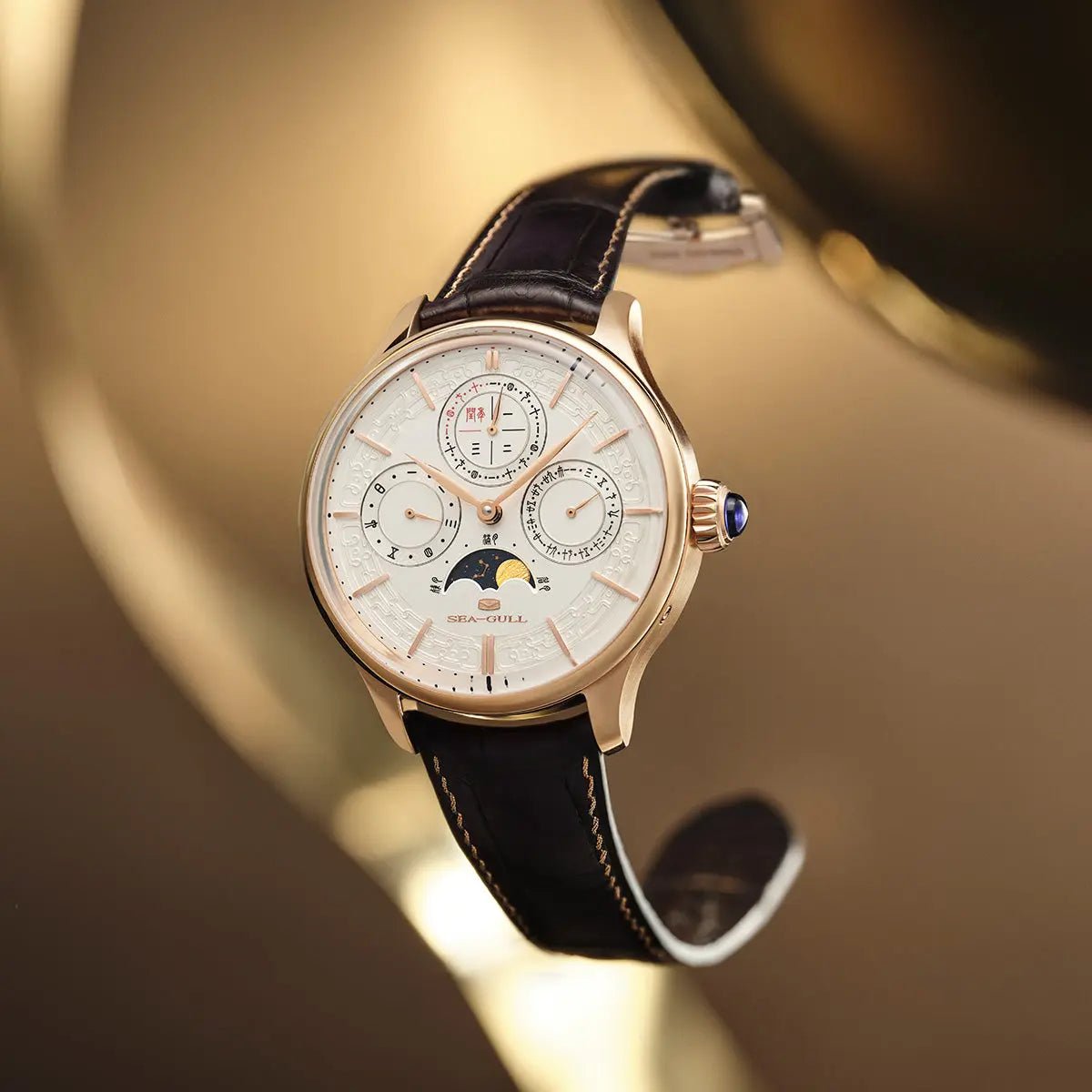
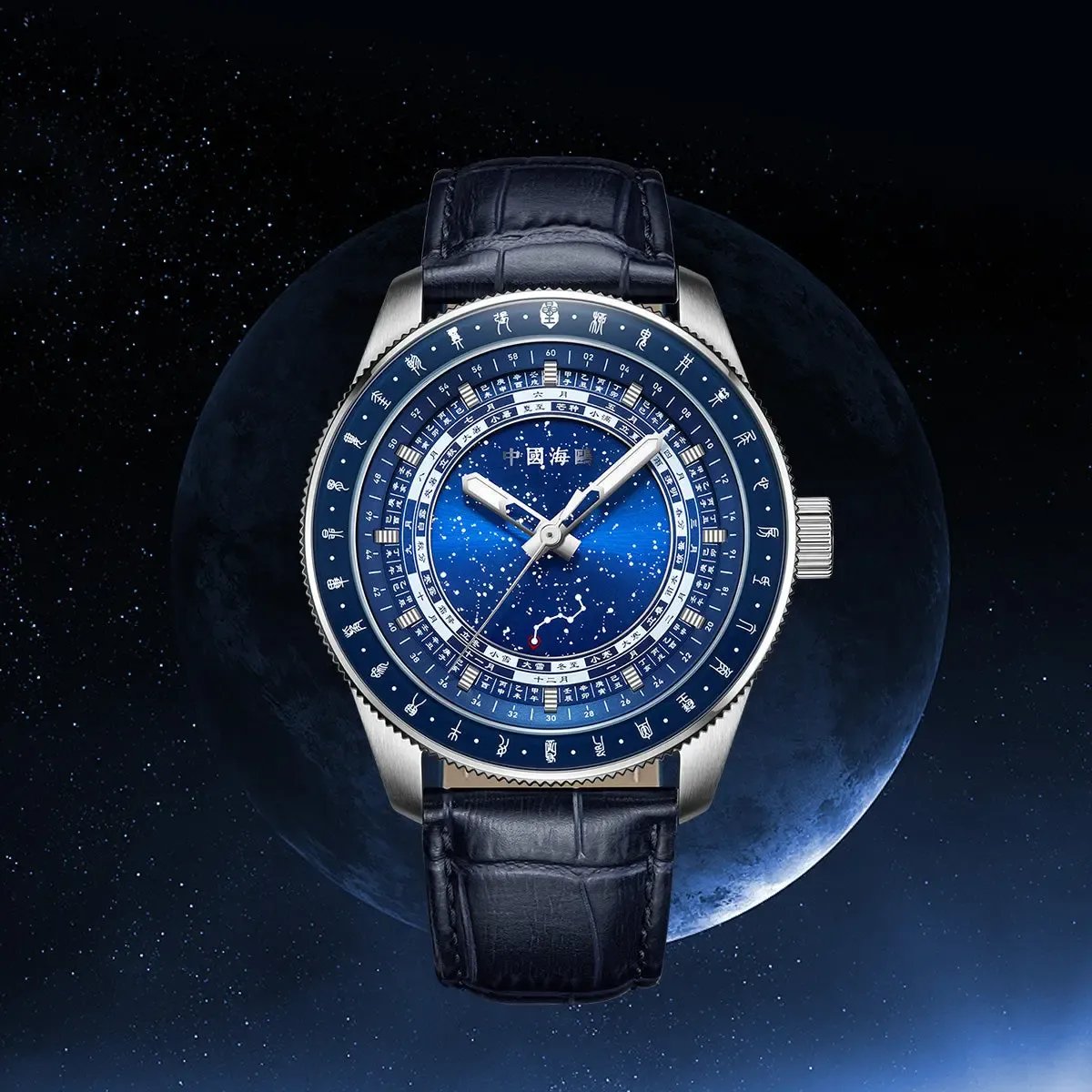
Cultural theme lines (Ancient China, Solar Terms-inspired motifs): these lean into Chinese cosmology and traditional instrument cues, using the tourbillon as a flagship complication rather than as a standalone gimmick. Explore the broader context in Seagull Ancient China Watches.
- More accessible modern dress and theme variants: generally built around hand-wound platforms, with openworked or partially skeletonized dials.
To browse the current range in one place, start with the Seagull Tourbillon Collection.
Pricing reality and the cost-to-complication ratio (why Seagull sits in the middle)
Tourbillons are expensive to manufacture because the cage, pivots, and escapement assembly demand tight tolerances and careful adjustment. Seagull's role as a high-volume movement producer helps change the cost-to-complication ratio, especially for single-tourbillon steel watches. In market terms, this creates a wide spread between industrialized tourbillons and traditional Swiss tourbillon pricing.

From a collector's standpoint, the trade-off is typically not whether the mechanism is "real", but how far you prioritize finishing nuance, brand prestige, and local service infrastructure versus engineering access.
Buying and owning in the US: authenticity, duties, shipping, warranty, and service
For North America and Europe, the practical ownership questions tend to be consistent: authenticity, taxes, shipping risk, and after-sales pathways. Seagull's multi-channel distribution (including marketplaces and overseas distributors) can improve availability, but it also increases the importance of a structured purchase channel.
A simple pre-purchase checklist:
| Topic | What to confirm before you pay | Why it matters for tourbillons |
|---|---|---|
| Channel identity | Authorized dealer or first-tier distributor clarity, transparent store policies | Reduces authenticity disputes and service ambiguity |
| Taxes and duties | Whether price is tax-inclusive for your region, and who is responsible on import | Avoids surprise charges and return complications |
| Shipping | Tracking, insurance, realistic transit times (standard vs express) | Higher value shipments justify insured logistics |
| Warranty and returns | Written warranty length, return/exchange window, service address | Tourbillons can require specialist handling |
| Long-term maintenance | Expected service interval (often ~4 to 7 years), where servicing is performed | Thin automatic tourbillons can be more complex to service |
For policy details and common ownership questions, reference the FAQ. As a general rule, tourbillon owners should plan for periodic servicing like any mechanical watch, and should keep documentation (warranty card, invoice, shipping records) to simplify cross-border service cases.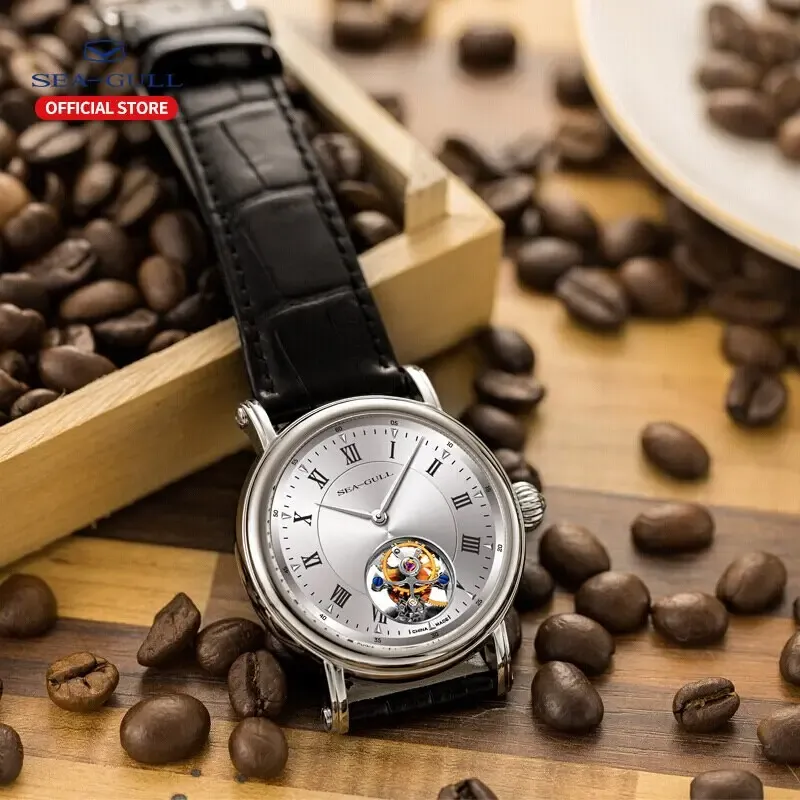
In 2026, Seagull tourbillons remain less about trend and more about reference: a visible, technically legitimate complication produced at industrial scale, with clear implications for price, service logistics, and collector expectations. If you approach the category with those realities in mind, Seagull becomes a useful benchmark for understanding what a tourbillon is, and what it costs when manufacturing scale is part of the equation.

Leave a comment
This site is protected by hCaptcha and the hCaptcha Privacy Policy and Terms of Service apply.