

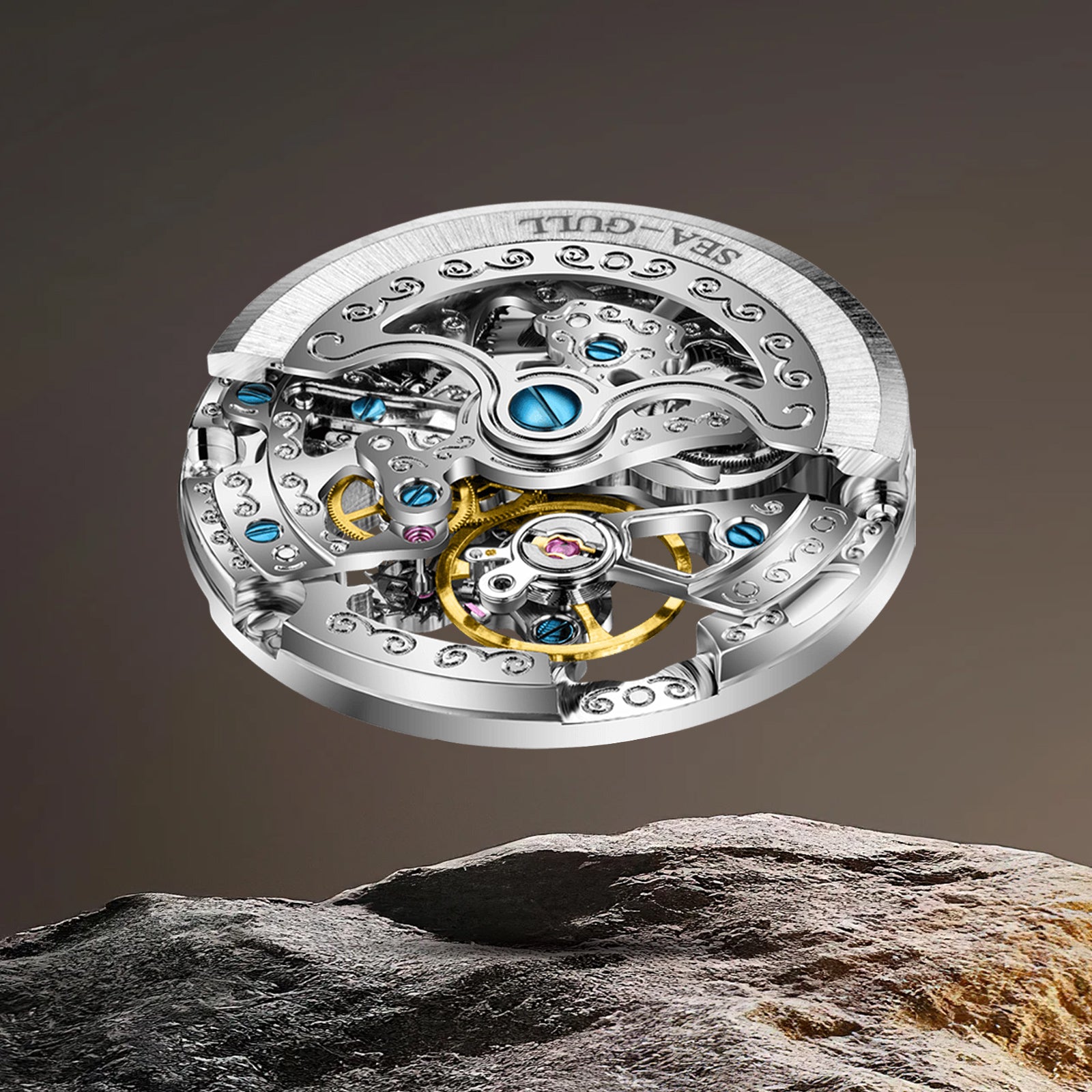
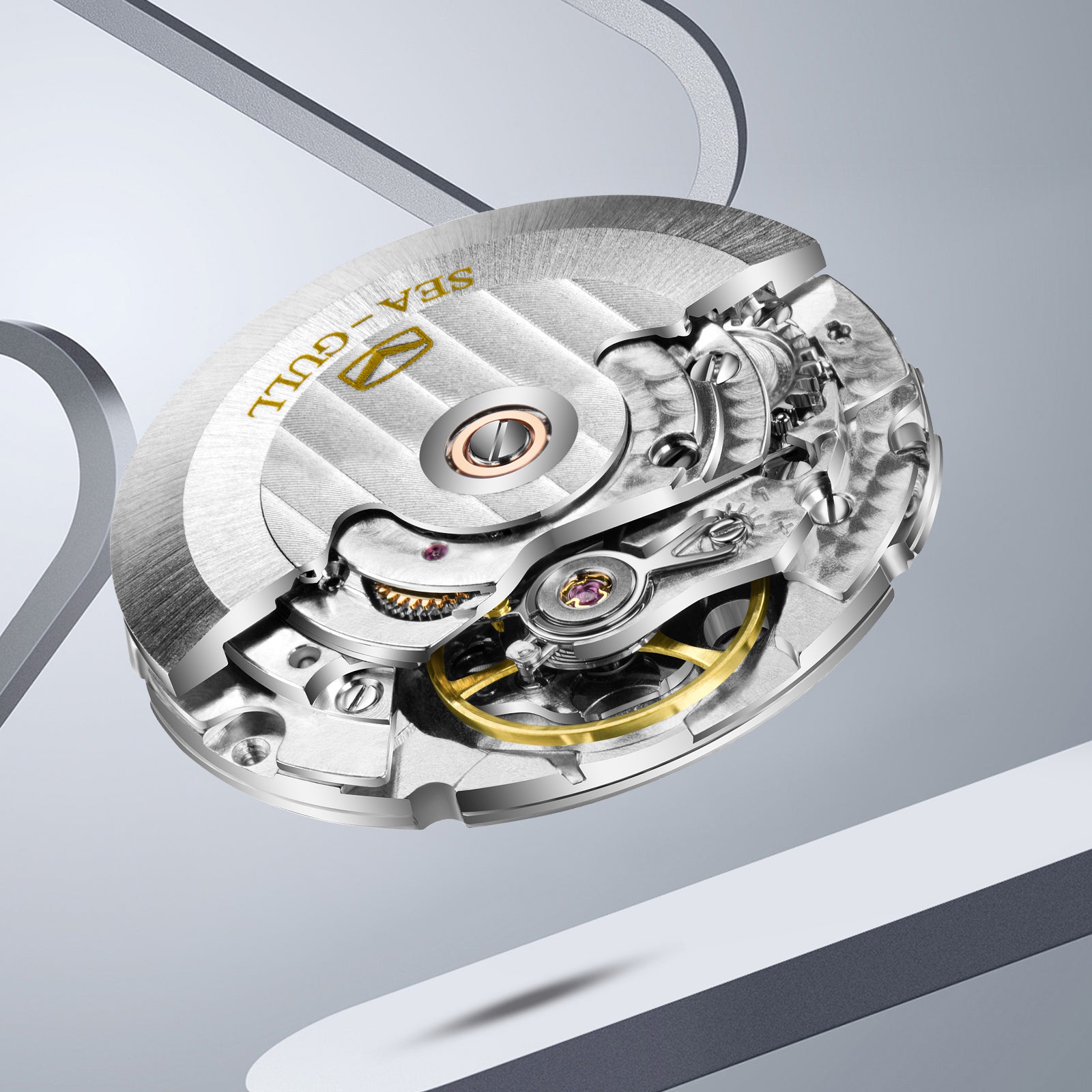

Discover ST19 Chinese Chronograph Movements
A chronograph watch becomes far more compelling when you understand the ST19, because this movement combines manual-wind interaction, column wheel architecture, and a collector-friendly mechanical layout in a format that remains accessible to enthusiasts.
For anyone comparing a mechanical chronograph with travel-focused complications like gmt, dual time, or even a time zone table approach to scheduling, the ST19 answers a different need. It is built for elapsed-time measurement, tactile operation, and visible mechanics rather than tracking all of the time zones or solving what is time difference between cities. That distinction matters when choosing between a chronograph watch, an automatic GMT watch, or a dual time zone watch.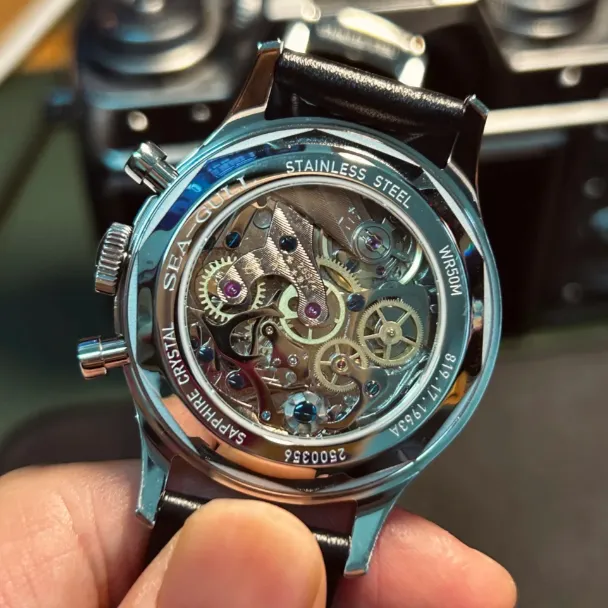
Why the ST19 chronograph watch stands out in a mechanical chronograph
The ST19 is widely recognized as a hand-wound mechanical chronograph movement with column wheel control. In practical terms, that means the chronograph watch offers a traditional start, stop, and reset experience through pushers, while the watch itself continues normal timekeeping. This is the core of chronograph meaning: measuring elapsed time without interrupting the display of current time.
Collectors often value the ST19 for four reasons:
- It delivers classic mechanical chronograph architecture.
- It offers a more engaging ownership experience than many battery-powered alternatives.
- It has historical relevance within the evolution of Chinese chronograph calibers.
- It sits in a price segment that is often more approachable than many Swiss mechanical chronograph watches.
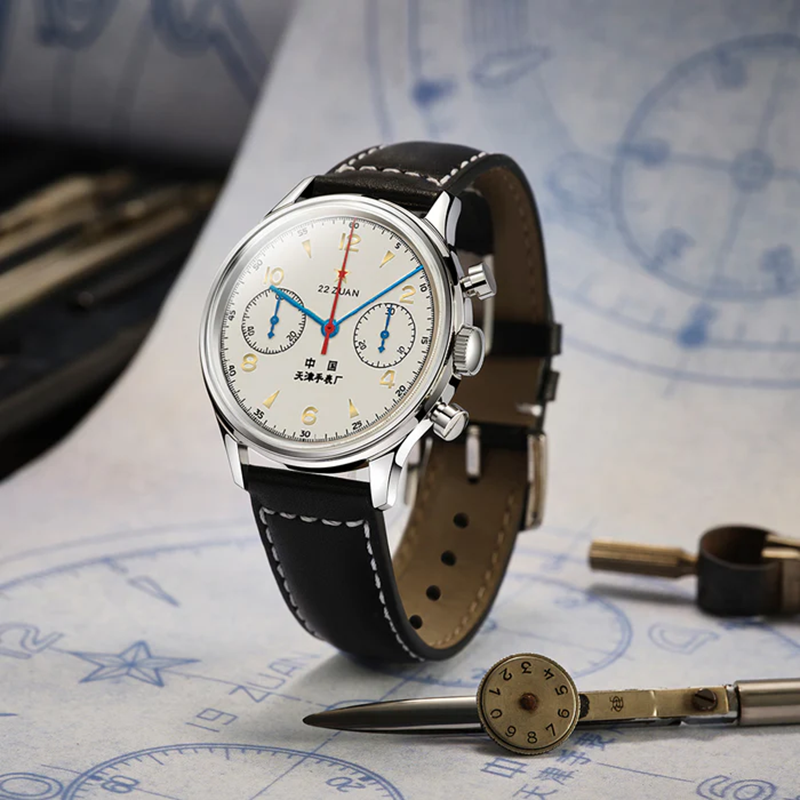
A good example is the Seagull 1963 Series 70th Anniversary Reissue, a heritage-focused pilot chronograph that highlights why this movement remains popular with enthusiasts.
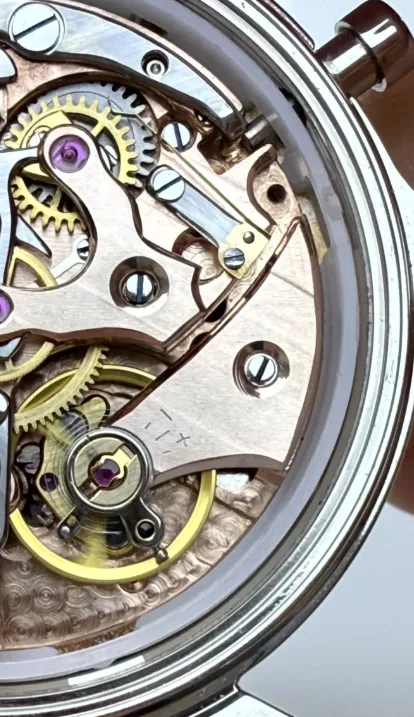
The ST19 also helps explain how a chronograph works better than many sealed or purely utilitarian movements. The layout is mechanically expressive, which is one reason it is often discussed in a mechanical chronograph guide or chronograph watch buying guide.
| Feature | ST19 chronograph movement |
|---|---|
| Type | Hand-wound mechanical chronograph |
| Control system | Column wheel chronograph |
| Typical beat rate | 21,600 vph |
| Typical power reserve | Around 40 to 45 hours |
| Best fit | Collectors, heritage fans, pilot chronograph buyers |
How the ST19 chronograph watch mechanism works for everyday timing
A chronograph watch mechanism adds an elapsed-time system on top of standard time display. With the ST19, the operation is straightforward: wind the watch, press the upper pusher to start timing, press it again to stop, and use the lower pusher to reset.
That operating sequence is important for long-term care. Brand guidance for chronograph mechanical watches recommends following the normal order of start, stop, then reset, and not pressing the pushers at the same time. This helps reduce unnecessary wear on the chronograph complication.

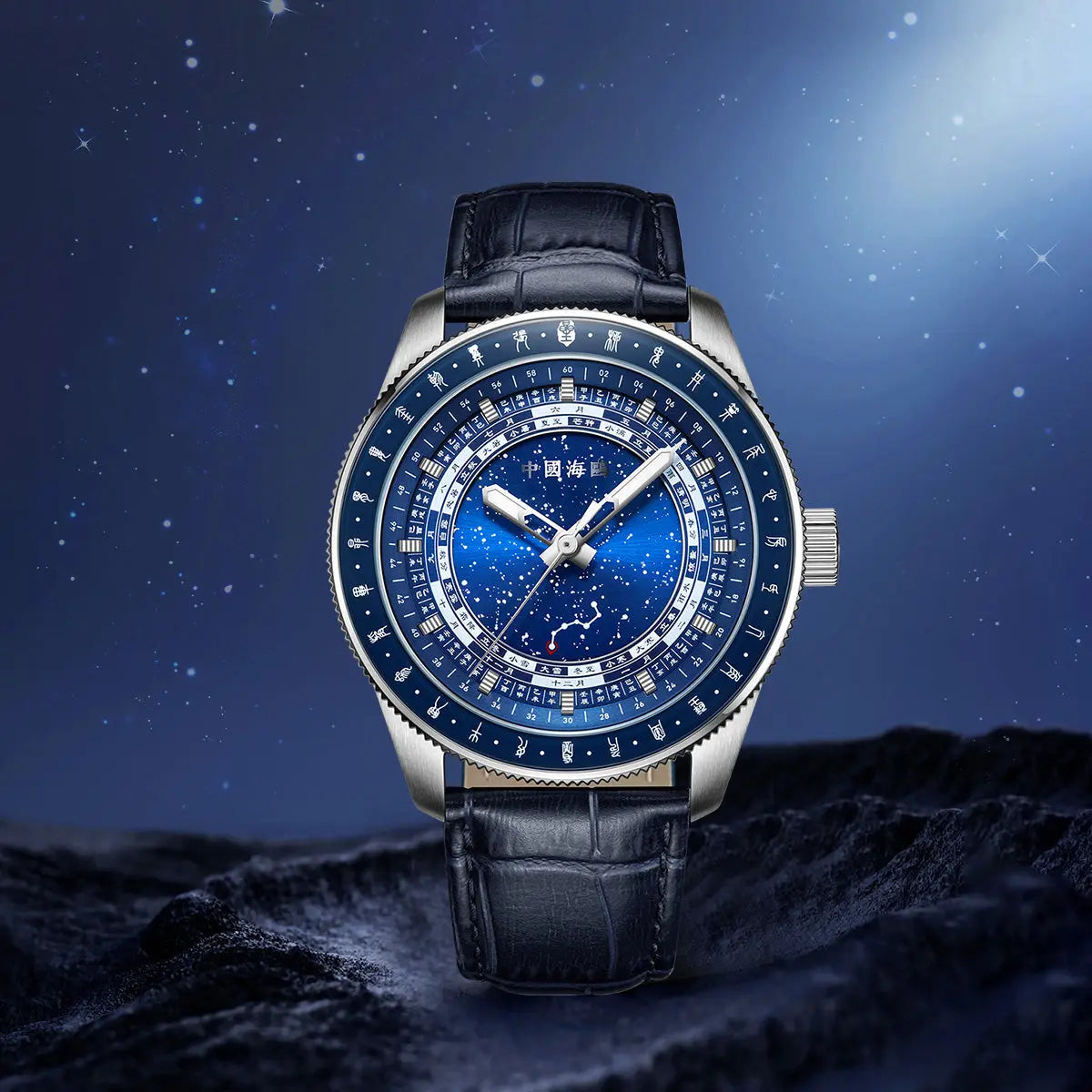
This makes the ST19 ideal for buyers who want a mechanical timing function rather than a watch focused on different time zones, globe timezones, or gtm time coordination. If your daily routine is about timing intervals, a chronograph watch is the better tool. If your routine depends on what is local time zone, whats the time difference, or managing time differences with GMT, then a GMT World Time Dual Time Zone Multifunction Men's Automatic Mechanical Watch may be more practical.
Why the ST19 chronograph watch matters in the evolution of Chinese chronograph calibers
The ST19 is commonly understood as part of a production lineage linked to the Swiss Venus 175 tooling adopted by Tianjin Watch Factory in the 1960s. That makes it important not just as a movement, but as part of the origins of modern Chinese horology and the broader evolution of Chinese chronograph calibers.
Tianjin Seagull Watch Co., Ltd. was founded in 1955, and that manufacturing background matters here because the ST19 is not simply a styling exercise. It represents a real mechanical chronograph platform that helped shape Chinese chronograph watch production over time.
For buyers drawn to heritage-inspired models, the 1963 Reissue Times Edition shows how the ST19 continues to support vintage pilot chronograph design in a modern retail setting.
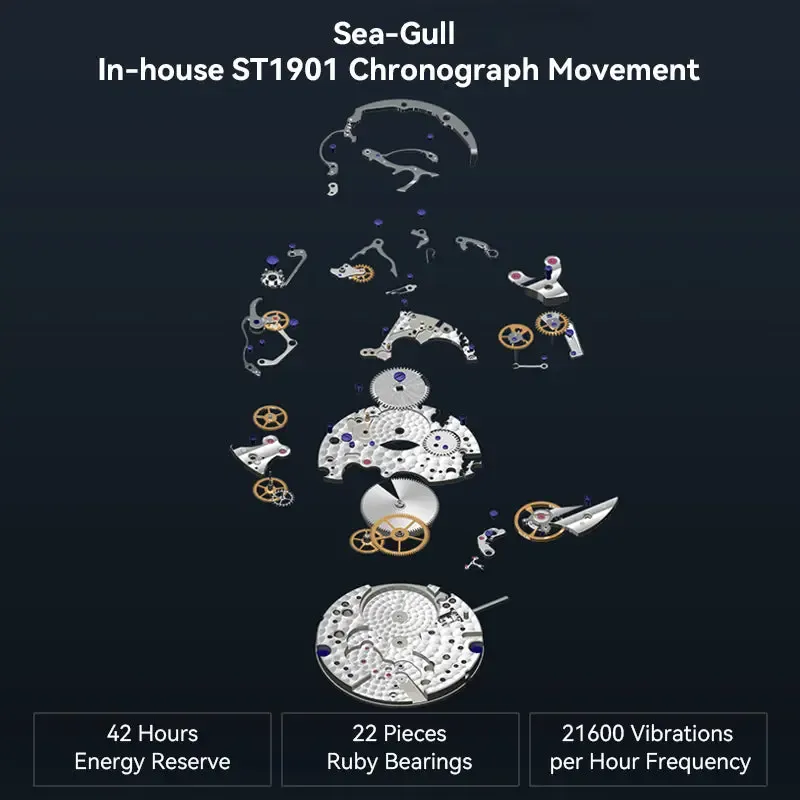
Enthusiasts also appreciate that the ST19 remains a case study in chronograph movement design. Compared with a Calendar quartz watch, automatic calendar model, or automatic moon phase watch, the ST19 focuses on the stopwatch function first. That clear purpose is part of its appeal.
Which buyers should choose an ST19 chronograph watch instead of GMT or different time zones tools
The ST19 is best for people who want a classic mechanical chronograph watch, not for buyers whose main problem is the difference in time zones. If you regularly ask what is time difference between offices, whats the time difference between destinations, or need show me time zones functionality, then a GMT hand function or automatic dual time movement is usually more useful than a chronograph.
A simple comparison helps:
| Need | Better watch category |
|---|---|
| Measure elapsed minutes | Chronograph watch |
| Track home and local time | GMT |
| Read two zones simply | Dual time zone watch |
| Follow date-focused utility | Automatic calendar |
| Prefer battery convenience | Quartz chronograph or Calendar quartz watch |
That is why the ST19 should be positioned carefully. It is a strong choice for:
- first-time mechanical chronograph buyers
- collectors who enjoy hand-wound ownership
- fans of classic mechanical chronograph watches
- buyers interested in Chinese chronograph watch history
- enthusiasts shopping for a pilot chronograph
It is less ideal for buyers whose priority is time zones earth planning, time for all country coordination, or all of the time zones reference while traveling.
If you want more collector context around this category, the brand's own educational content such as Mastering the Chrono: A Collector's Technical Guide and A Guide to Mechanical Chrono Watches 2026 adds useful perspective on movement architecture and ownership expectations.
What to check before buying an ST19 chronograph watch
When buying any Chinese chronograph watch, authenticity and after-sales clarity matter as much as the movement itself. The safest approach is to buy through a verified authorized dealer, first-tier distributor, or trusted distributor website, then keep your proof of purchase and warranty information.
Useful checks include:
- Confirm the exact product page and movement family.
- Keep order records or a completed warranty card.
- Use available QR-based authenticity verification and warranty activation tools after purchase.
- Review handling guidance for manual-wind chronograph operation.
For ownership, remember these basic care points:
- Wind the watch at a fairly consistent time each day.
- Keep it away from strong magnetic fields.
- Avoid heavy shocks and sudden temperature changes.
- Do not run the chronograph continuously for no reason.
- Service the watch periodically through an authorized service center when needed.
For readers comparing adjacent complications, the key takeaway is simple: a chronograph watch measures intervals, while gmt and dual time help manage different time zones. The ST19 excels when you want classical mechanics, column wheel chronograph feel, and a collector-oriented manual-wind experience.
If that is your goal, the Seagull 1963 collection and related heritage chronograph models remain one of the clearest ways to experience what makes the ST19 chronograph movement so enduring.


コメントを書く
このサイトはhCaptchaによって保護されており、hCaptchaプライバシーポリシーおよび利用規約が適用されます。