
文章: Sea-Gull Watchmaking History and Evolution
Sea-Gull Watchmaking History and Evolution
How Sea-Gull watchmaking history began in Tianjin
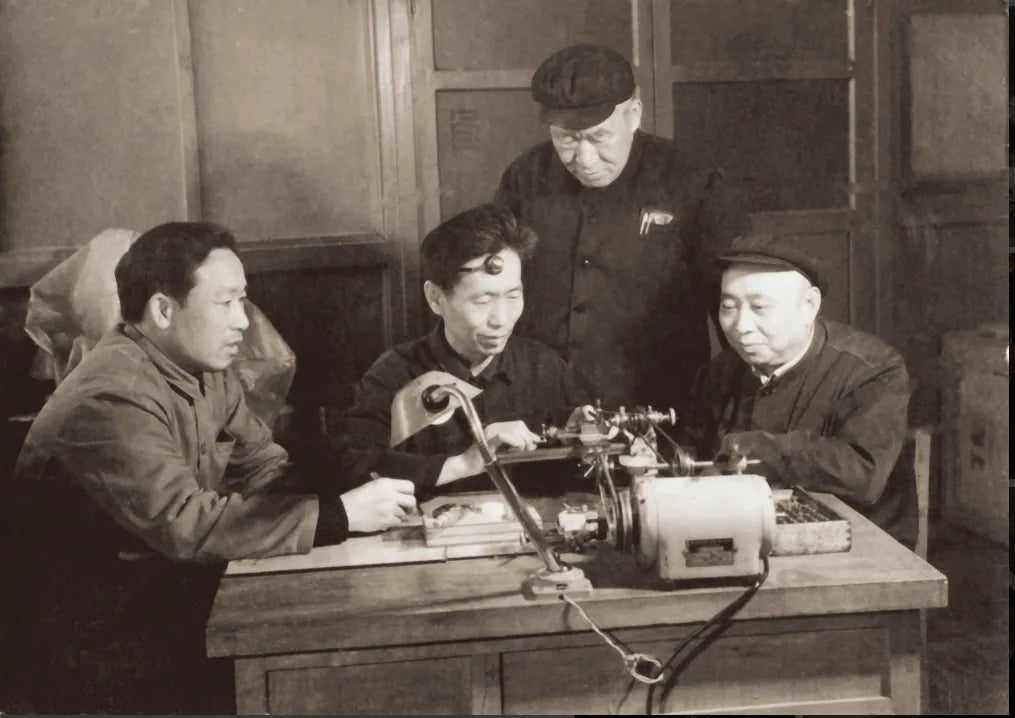
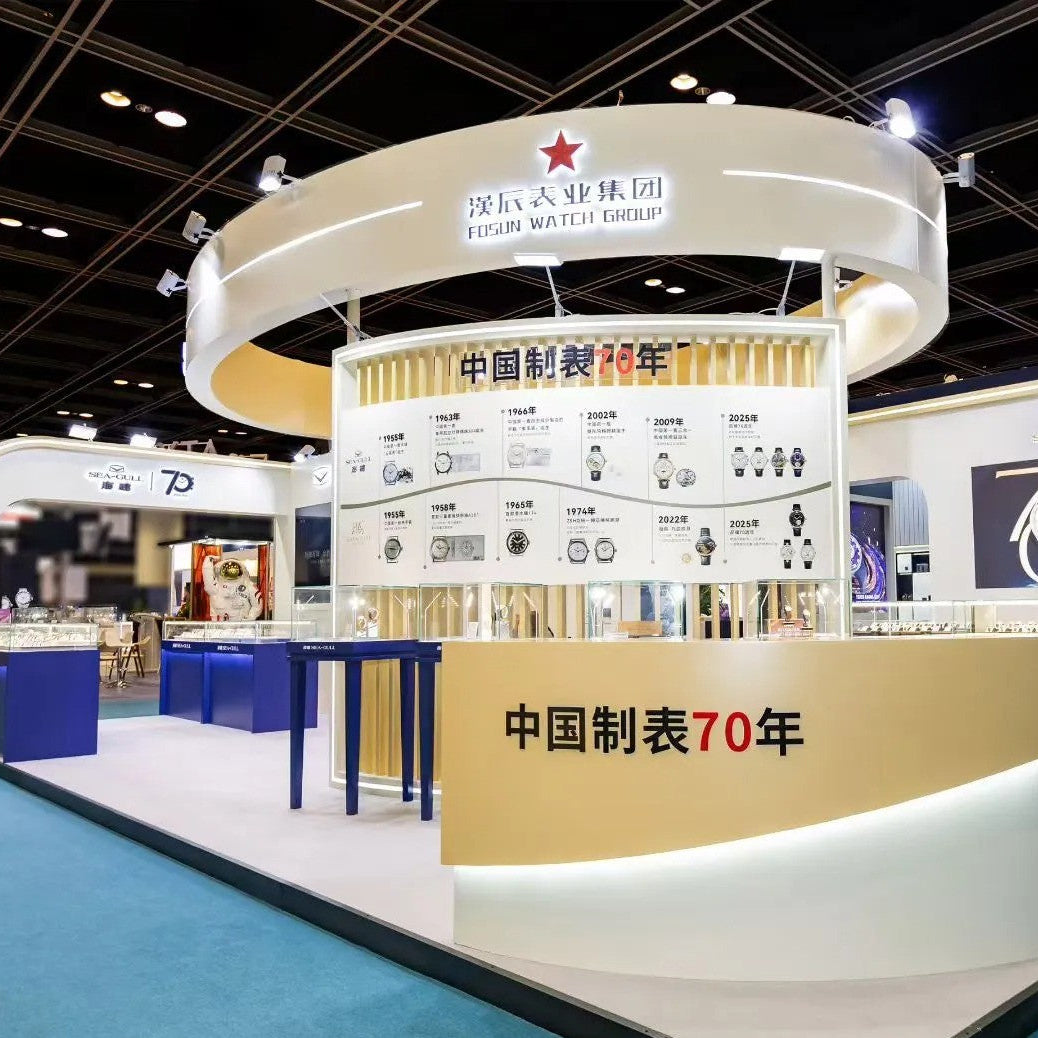
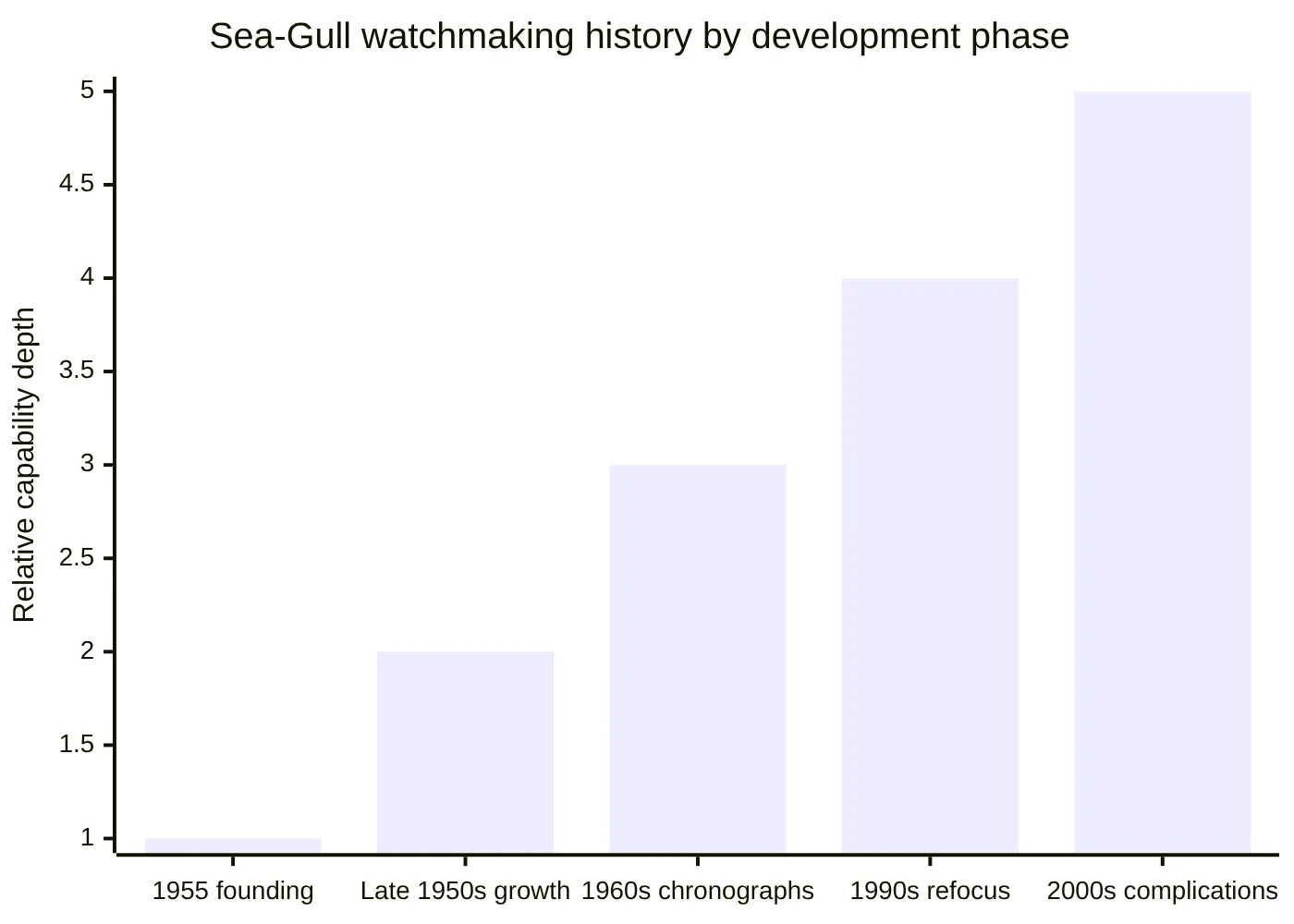
Sea-Gull watchmaking history begins in Tianjin, where the company was founded in 1955 and where the early Tianjin watch factory history became part of the origins of modern Chinese horology. The importance of that moment is best understood as an industrial transition. China had watch repair knowledge, but domestic wristwatch manufacturing was still in its early stage. The "Five Star" watch marked a practical turning point: watchmaking moved from dependence on imported finished products toward domestic production capability.
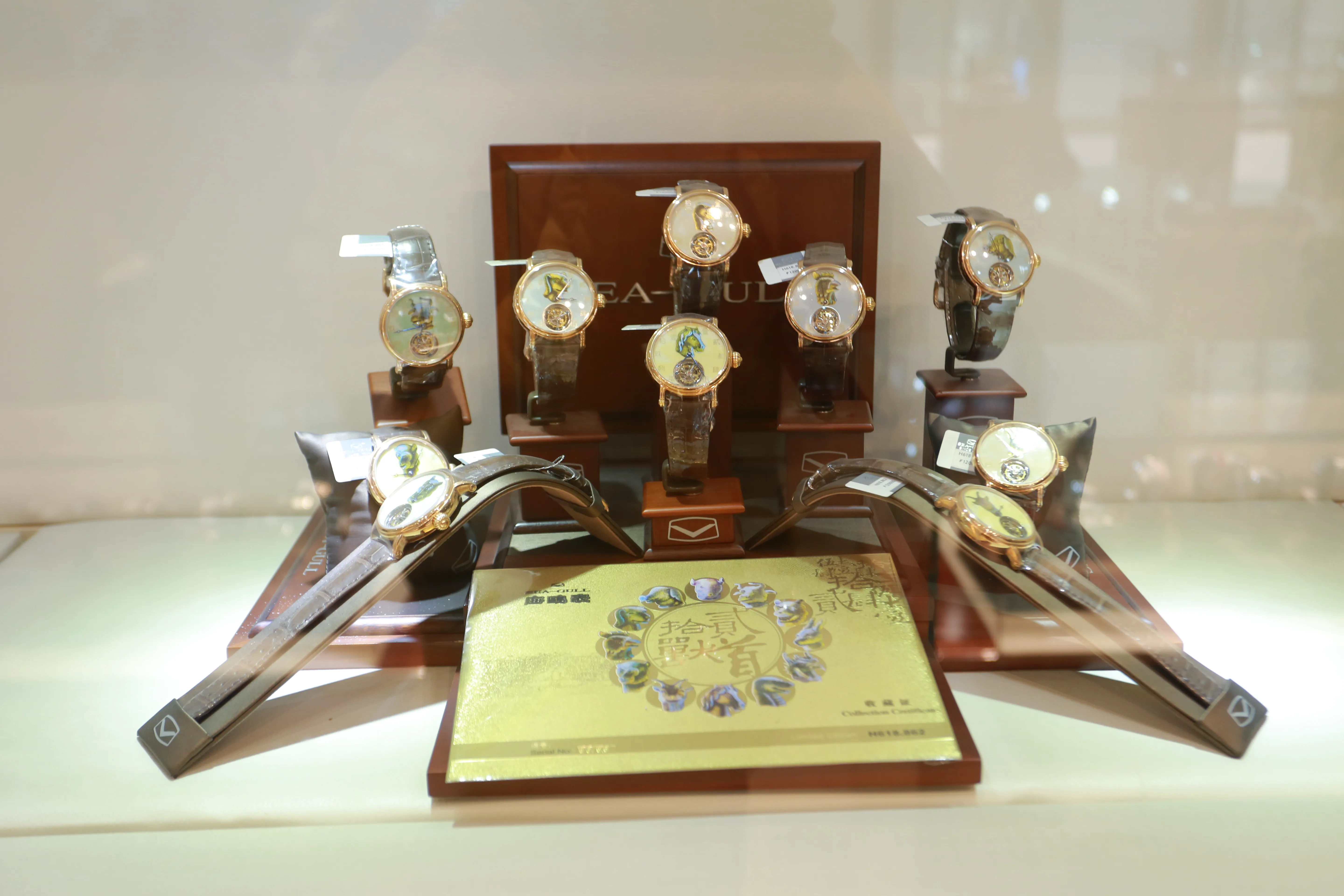
Over time, other early milestones helped define the company's place in mechanical caliber development. Approved historical references include the first aviation watch, the "Wu Yi" watch, and the "Dong Feng" watch. These were not isolated symbols. They reflected a widening manufacturing base and a growing confidence in mechanical production.
How Sea-Gull watchmaking history became a movement development story
Sea-Gull watchmaking history became more significant as the company evolved from early watch production into a true Chinese mechanical watch movement manufacturer. This is the point where the brand's story and the movement story become inseparable. For many enthusiasts in North America and Europe, that distinction matters. A watch label can design cases and dials. A movement manufacturer develops internal technical capability.
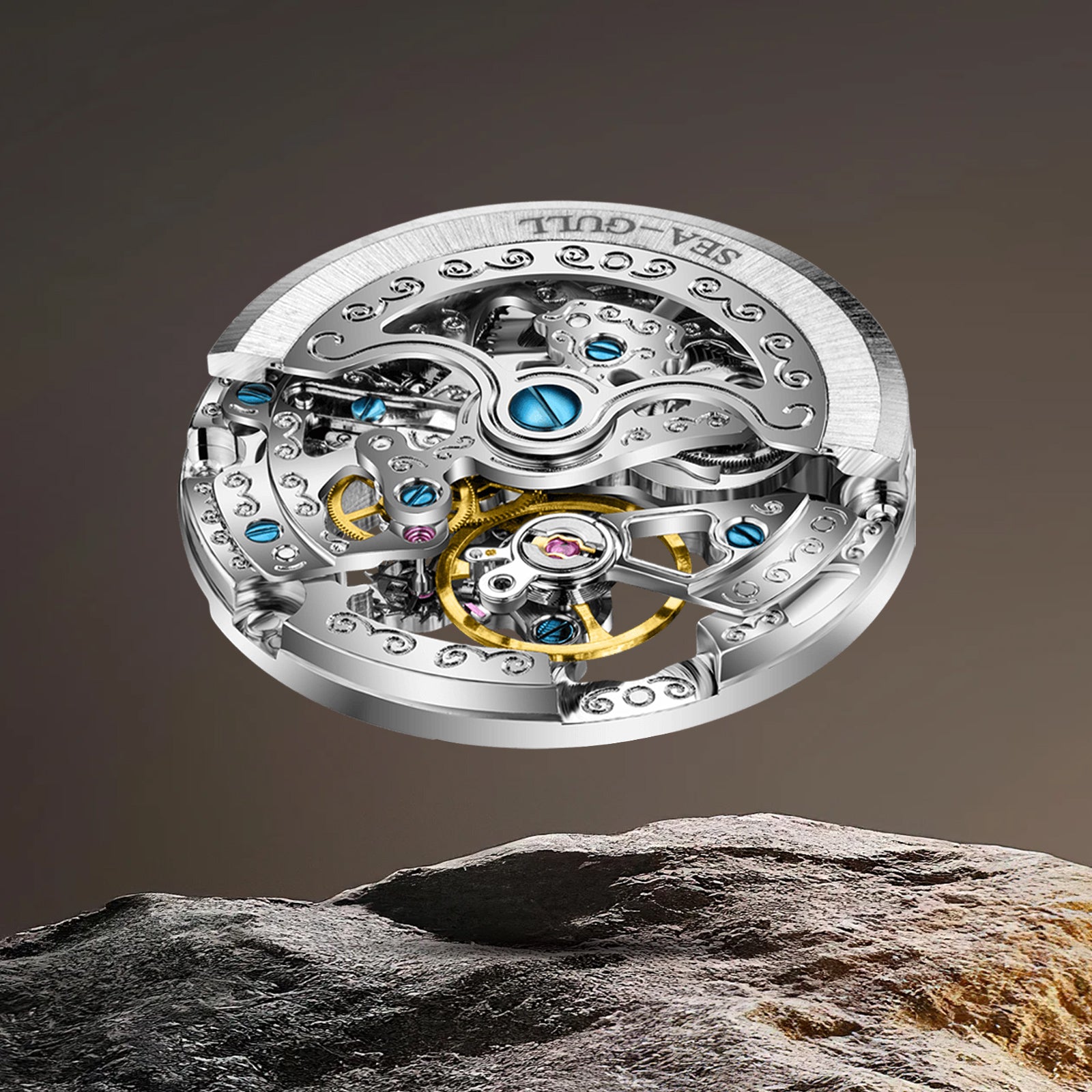
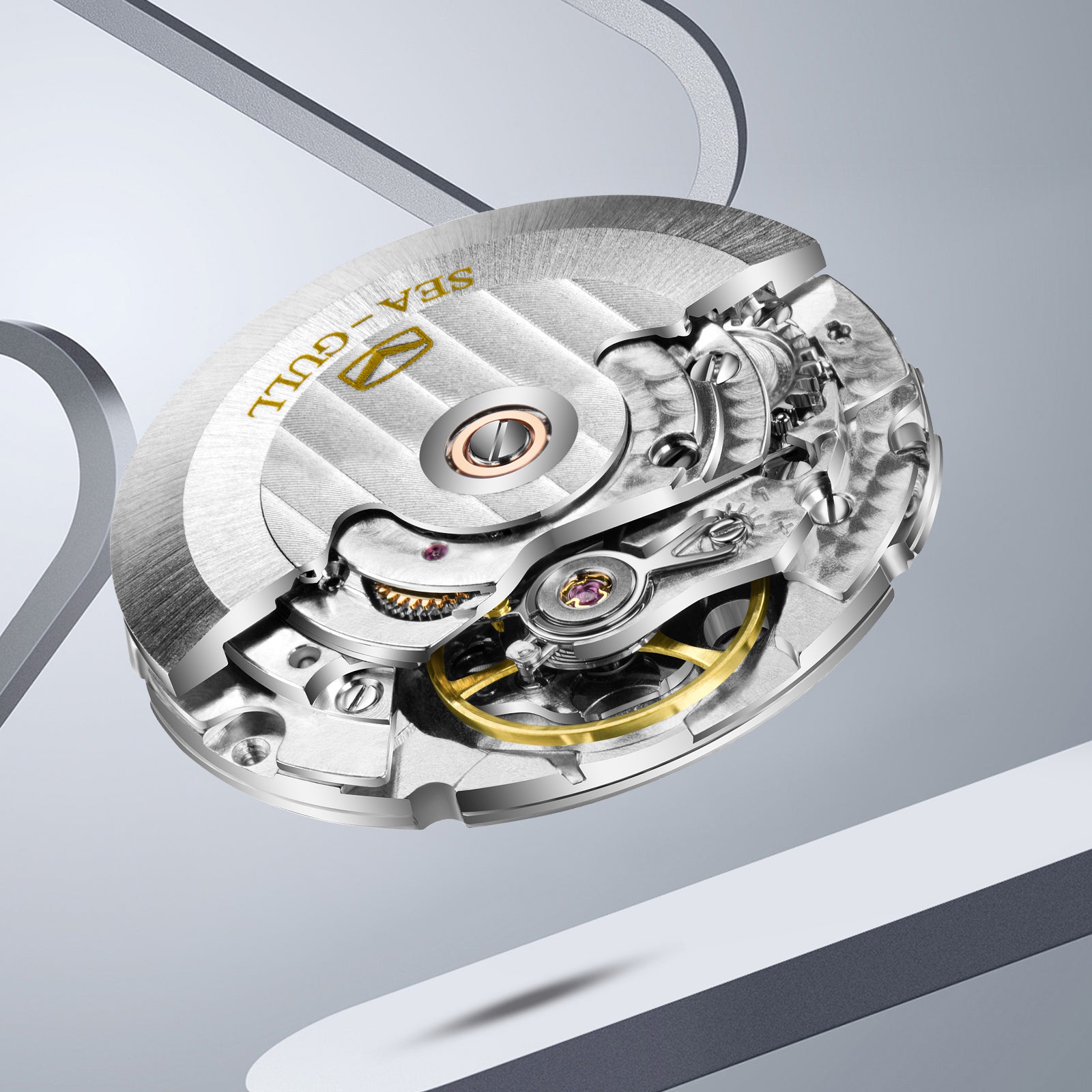
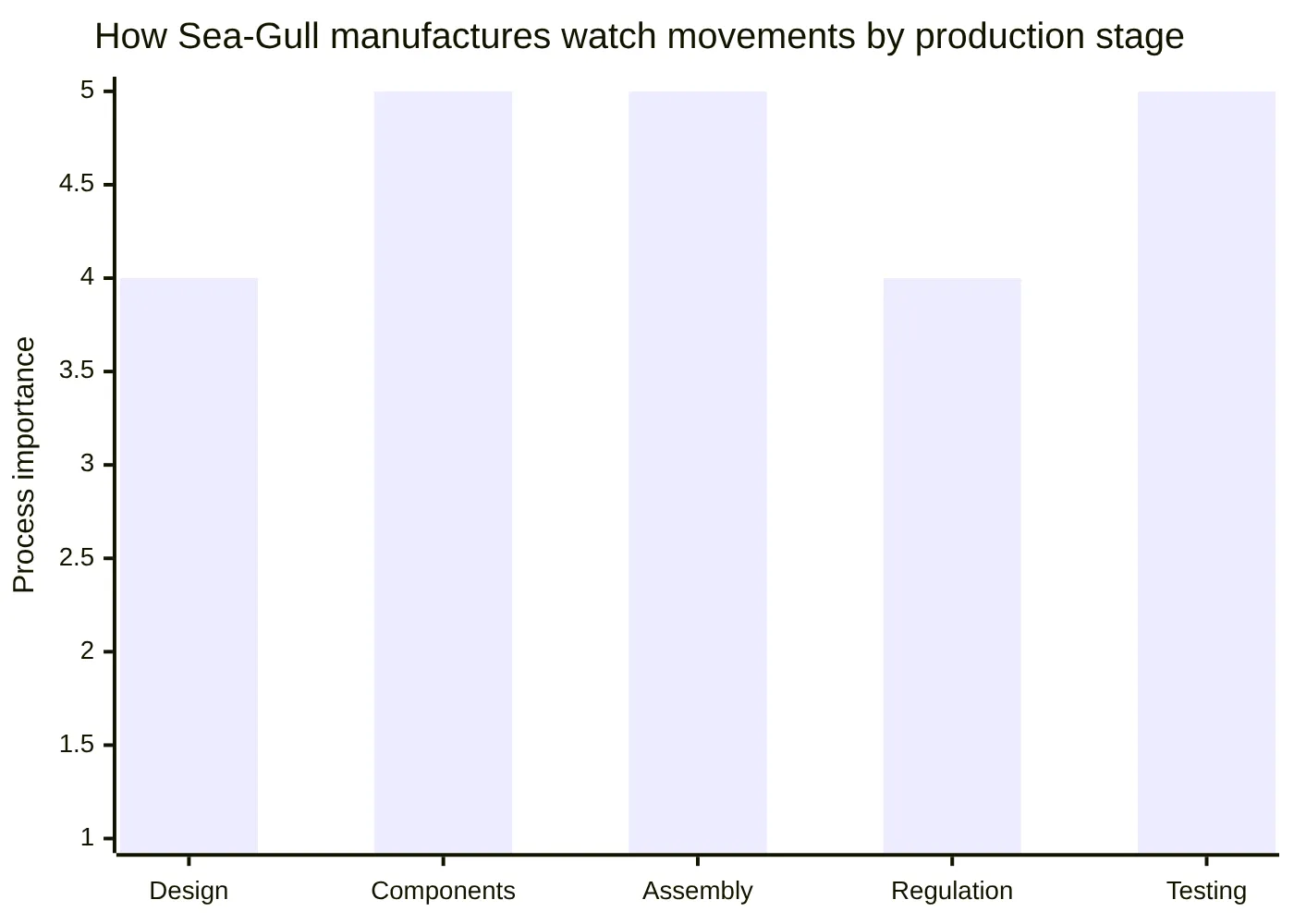
That capability-building arc is visible across Sea-Gull precision movement families and their broader historical context. The company is consistently associated with movement design, component manufacturing, assembly, regulation, and testing. That is why terms such as in-house mechanical movement and movement manufacturing expertise are relevant here when used carefully.
For readers interested in the technical side of Sea-Gull horology, the internal article on Sea-Gull horology and precision movement history adds useful context.
The movement families most often referenced in this development story include the following:
| Movement family | Role in Sea-Gull movement history | Internal reference |
|---|---|---|
| ST16 | Everyday automatic development | ST16 movement |
| ST17 | Additional automatic caliber breadth | ST17 movement |
| ST19 / ST1901 | Manual-wind Chinese chronograph movement lineage | ST19 movement |
| ST21 / ST2130 | Modern automatic caliber development | ST2130 movement |
| ST8000 | Tourbillon-related development | ST8000 movement |
| ST8230 | Advanced complication work | ST8230 movement |
This range helps explain the history of Sea-Gull mechanical movements more clearly. The company's legacy is not defined by a single model or era. It is defined by continuity: basic wristwatch production first, broader mechanical caliber development later, and eventually more complex watchmaking programs such as tourbillon, minute repeater, and perpetual calendar work.
Why Sea-Gull watchmaking history is closely tied to the ST19 chronograph lineage
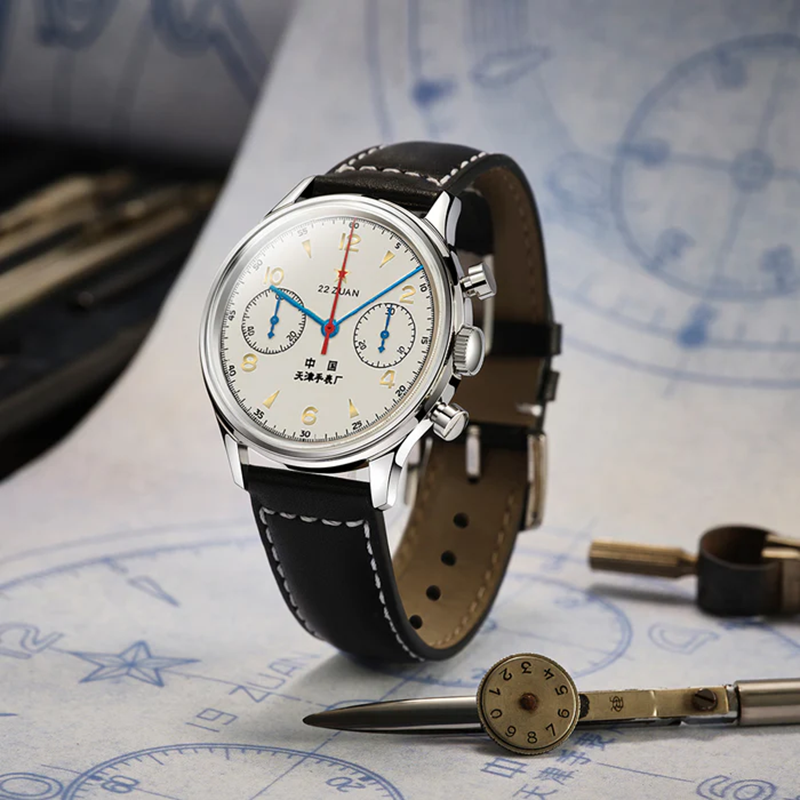
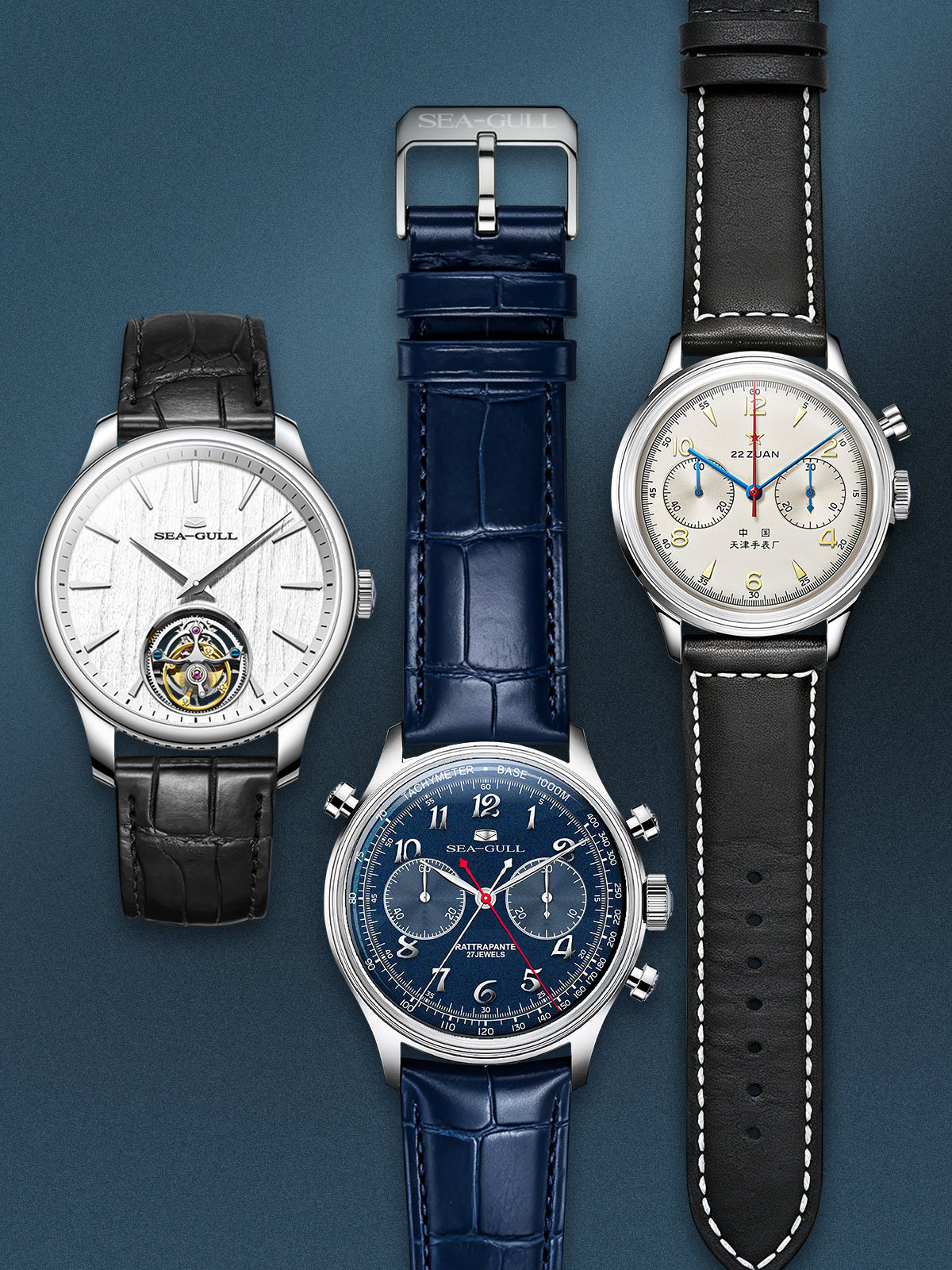
Sea-Gull watchmaking history is especially compelling when viewed through the evolution of Chinese chronograph calibers. In the early 1960s, Tianjin undertook Project 304 to develop an aviation chronograph. Sources vary on exact dates, but the most careful reading is that 1963 is best treated as a prototype milestone, while 1965 to 1966 is more closely associated with qualification and production.
That distinction matters because it keeps the chronology credible. It also clarifies the Sea-Gull ST19 chronograph history. The early aviation chronograph movement is generally referred to as ST3. The modern ST19 family is better described as a later-developed Chinese chronograph movement lineage derived from that earlier foundation, rather than a simple one-step copy of any Swiss predecessor.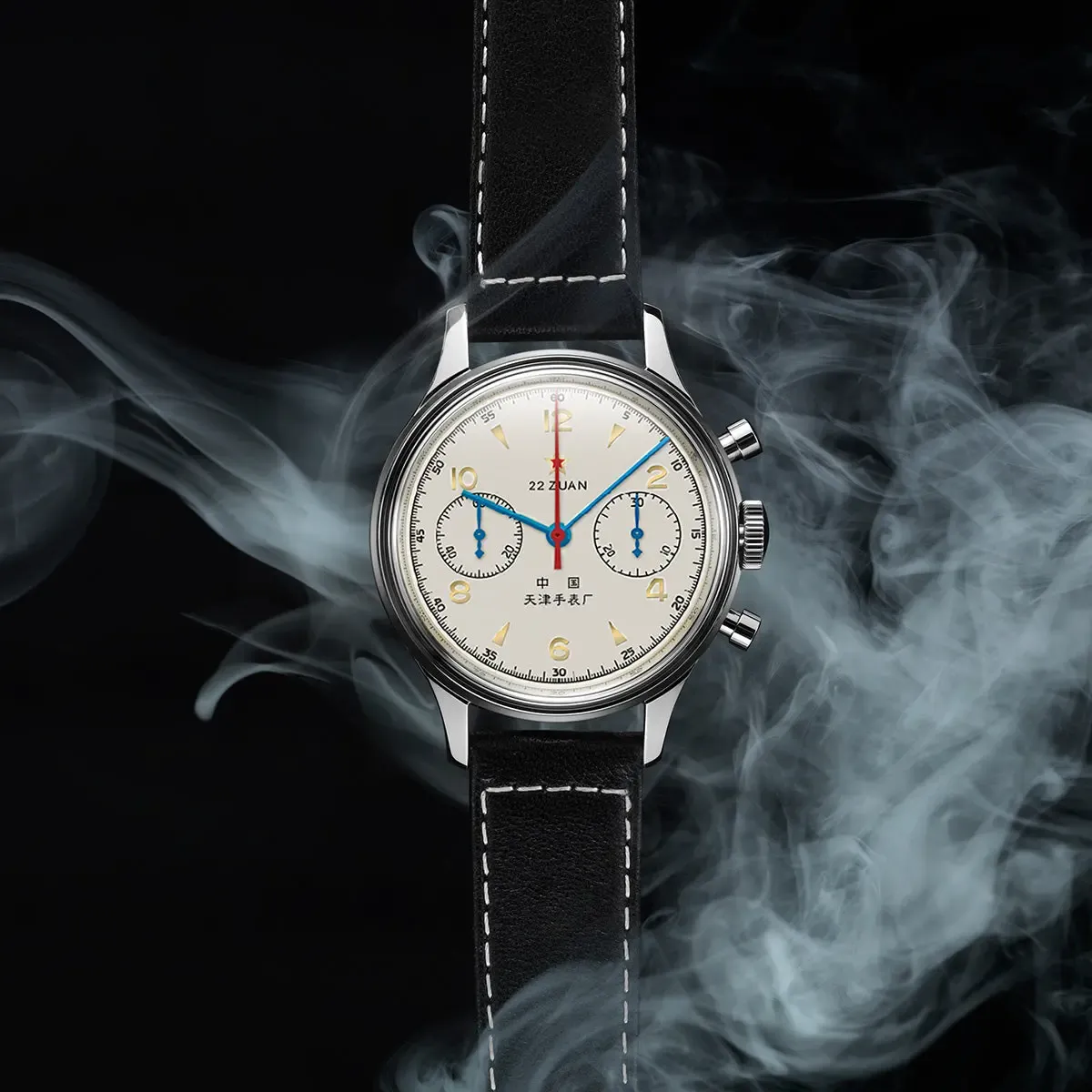
For enthusiasts, that makes the ST19 important beyond nostalgia. It connects a present-day movement family to a documented chapter in Sea-Gull movement history and to the broader origins of modern Chinese horology.
Collectors interested in watches built around this lineage often start with the Seagull 1963 and other chronograph mechanical watches on the distributor website, then go deeper into the movement itself through the ST19 reference page linked above. The attraction is not only visual. It is historical and mechanical at the same time.
How Sea-Gull watchmaking history still shows in manufacturing practice
Sea-Gull watchmaking history remains relevant because the company's present identity still centers on movement work. Across internal materials, how Sea-Gull manufactures watch movements is described through a familiar sequence: design, prototyping, component manufacturing, assembly, regulation, and testing. This is not a romantic idea of craftsmanship detached from industry. It is traditional watchmaking craftsmanship working inside a modern production system.
That mix of industrial discipline and mechanical finishing is one reason Sea-Gull horology continues to attract enthusiasts who want substance behind a heritage watch brand China can legitimately place within modern watchmaking history. The continuity of Tianjin manufacturing gives context to current categories such as Heritage Mechanical Watch, Luxury Men's Mechanical Watch, Sea-Gull Watches, and chronograph mechanical watches.
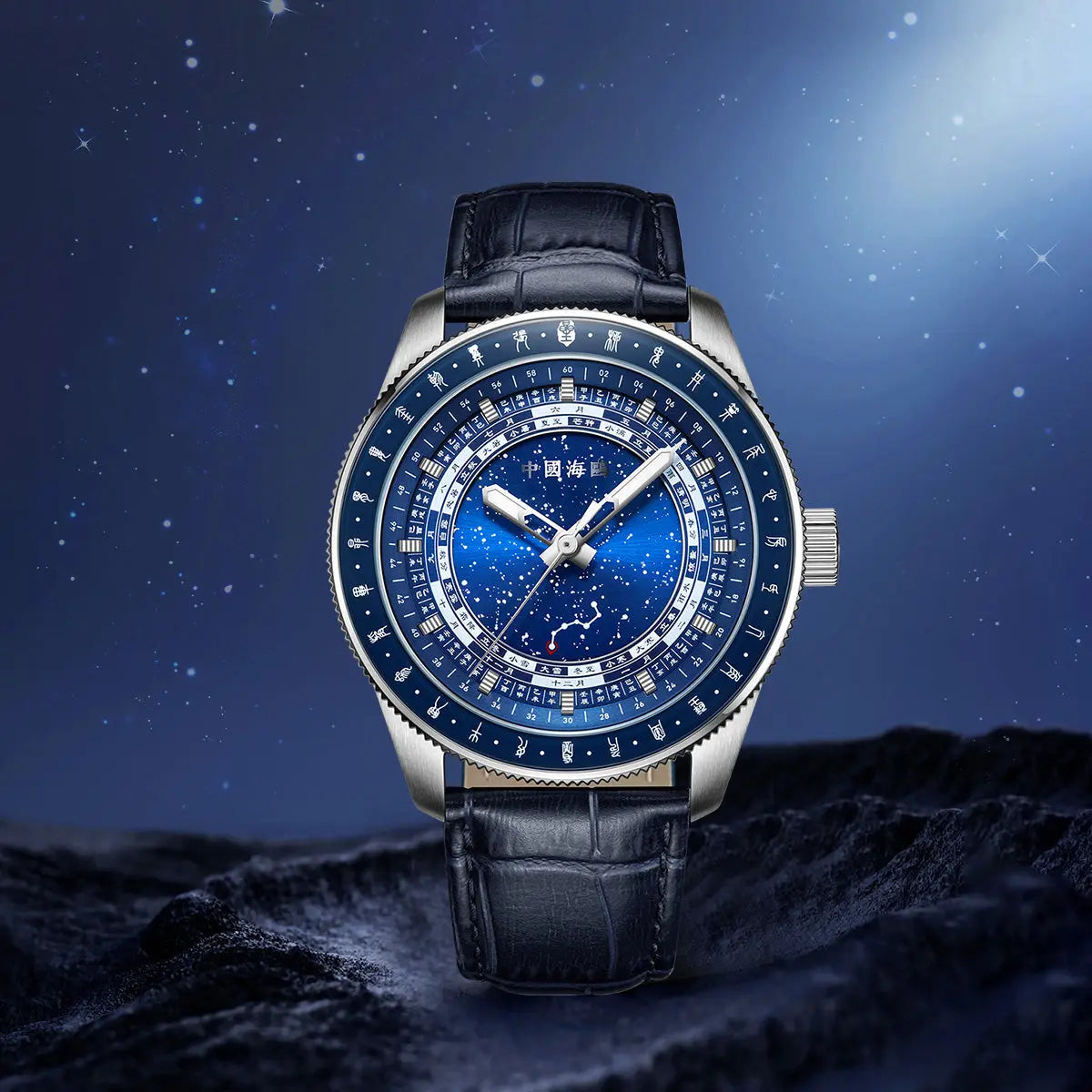
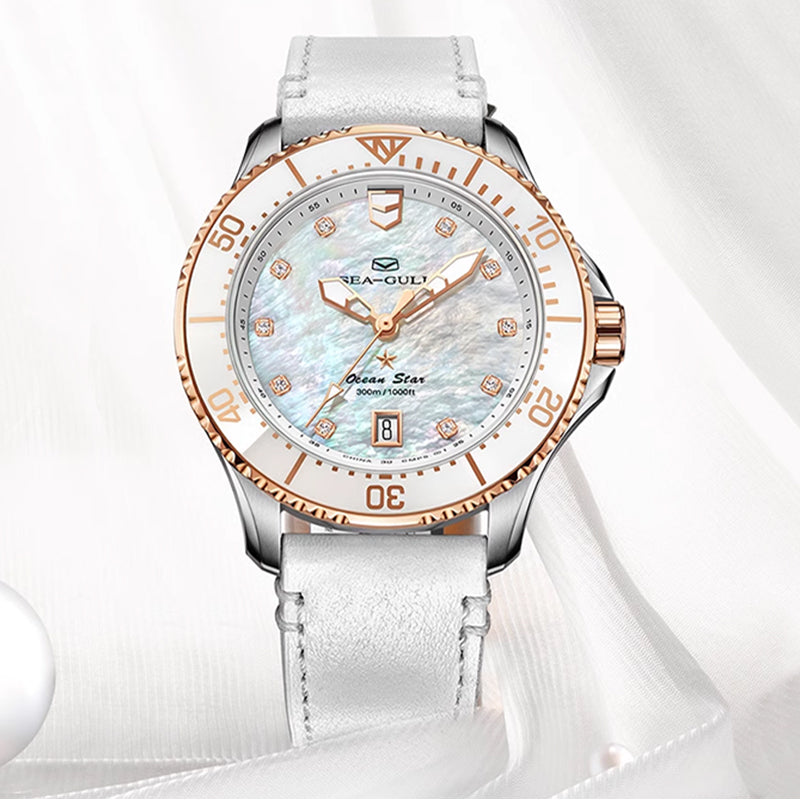
For buyers comparing present-day models, that continuity also supports product interest across categories such as Seagull Tourbillon Watch, Seagull GMT automatic, and Seagull dive watch. In each case, the historical appeal is stronger when the watch is understood as part of a longer movement-making tradition rather than as a standalone design exercise.
A realistic view of Sea-Gull precision movement standards also helps. Mechanical watches should be judged by mechanical norms, not quartz expectations. Approved guidance notes that timing intervals within ±40 seconds over 24 hours meet accepted standards, while everyday performance is often within a narrower daily range. In other words, precision here is the result of regulation and manufacturing discipline, not marketing language.
Why Sea-Gull watchmaking history still matters to collectors
Sea-Gull watchmaking history matters because it joins three things that collectors often look for together: documented origins, sustained movement manufacturing, and a visible chronograph lineage. Founded in Tianjin in 1955, shaped by the "Five Star" watch, expanded through early domestic model development, and deepened by ST3 and ST19 chronograph work, the company's history shows a long mechanical path rather than a recently invented heritage story.
For collectors in the US and Europe, that makes Sea-Gull movement history easier to read with confidence. The details are strongest when kept precise and modest: a Tianjin foundation, a first Chinese wristwatch origin point, decades of mechanical caliber development, and later growth into complicated watchmaking. That combination explains why the history of Sea-Gull mechanical movements continues to hold attention today.