

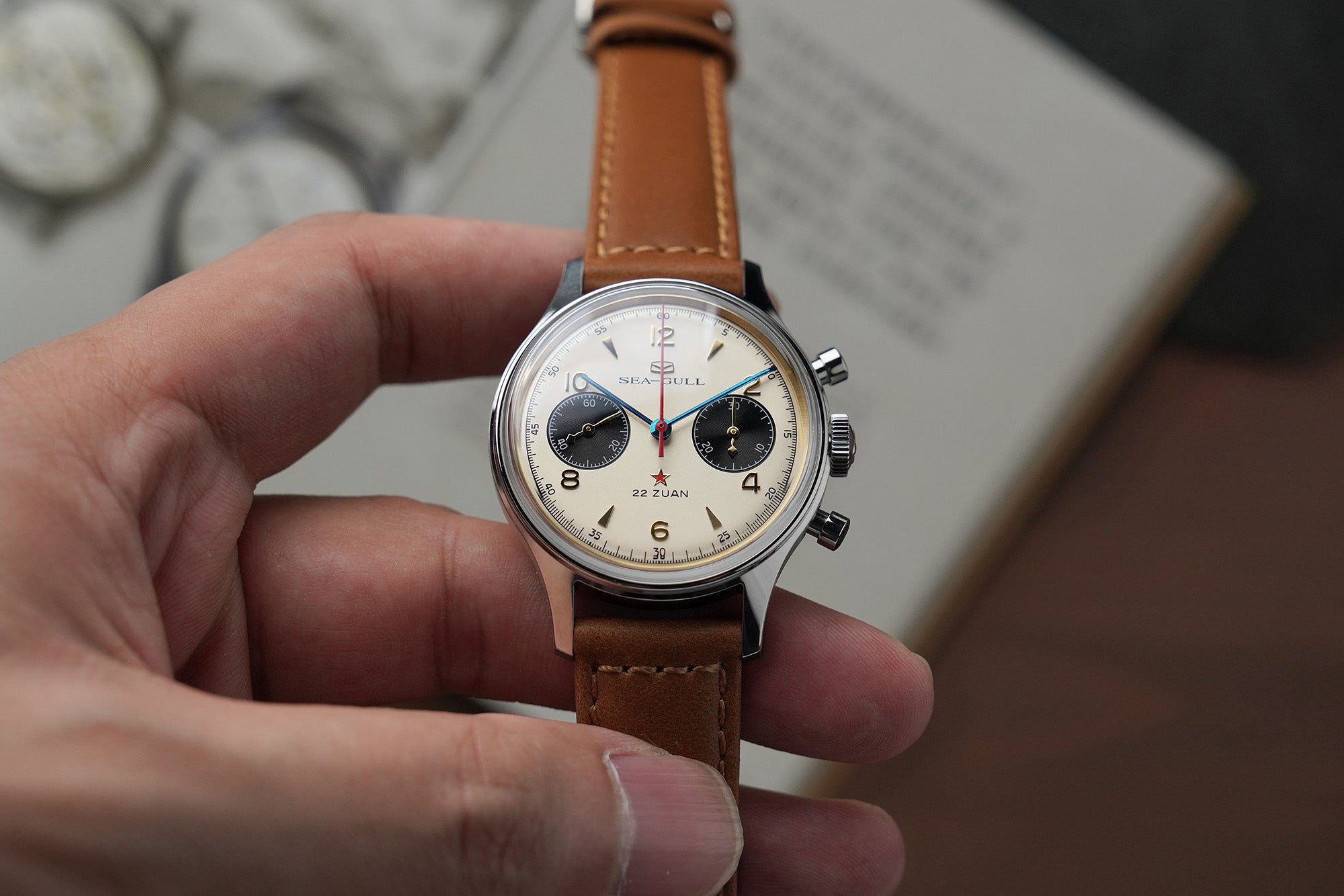
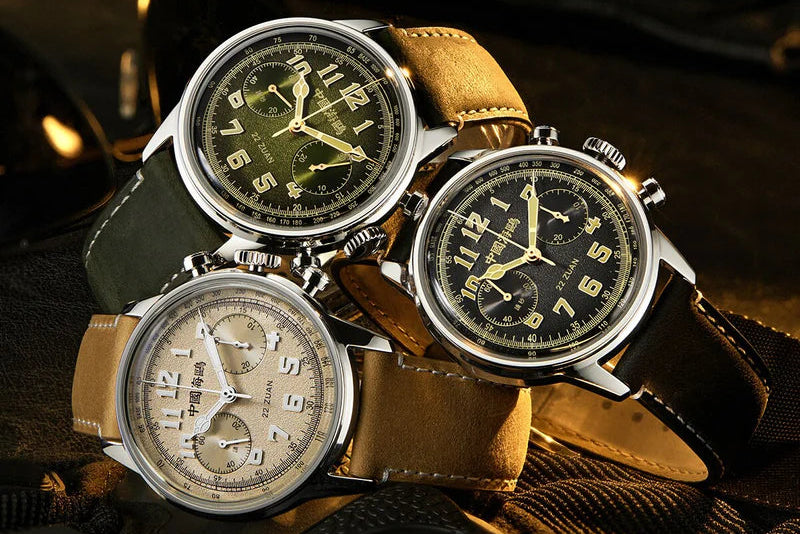
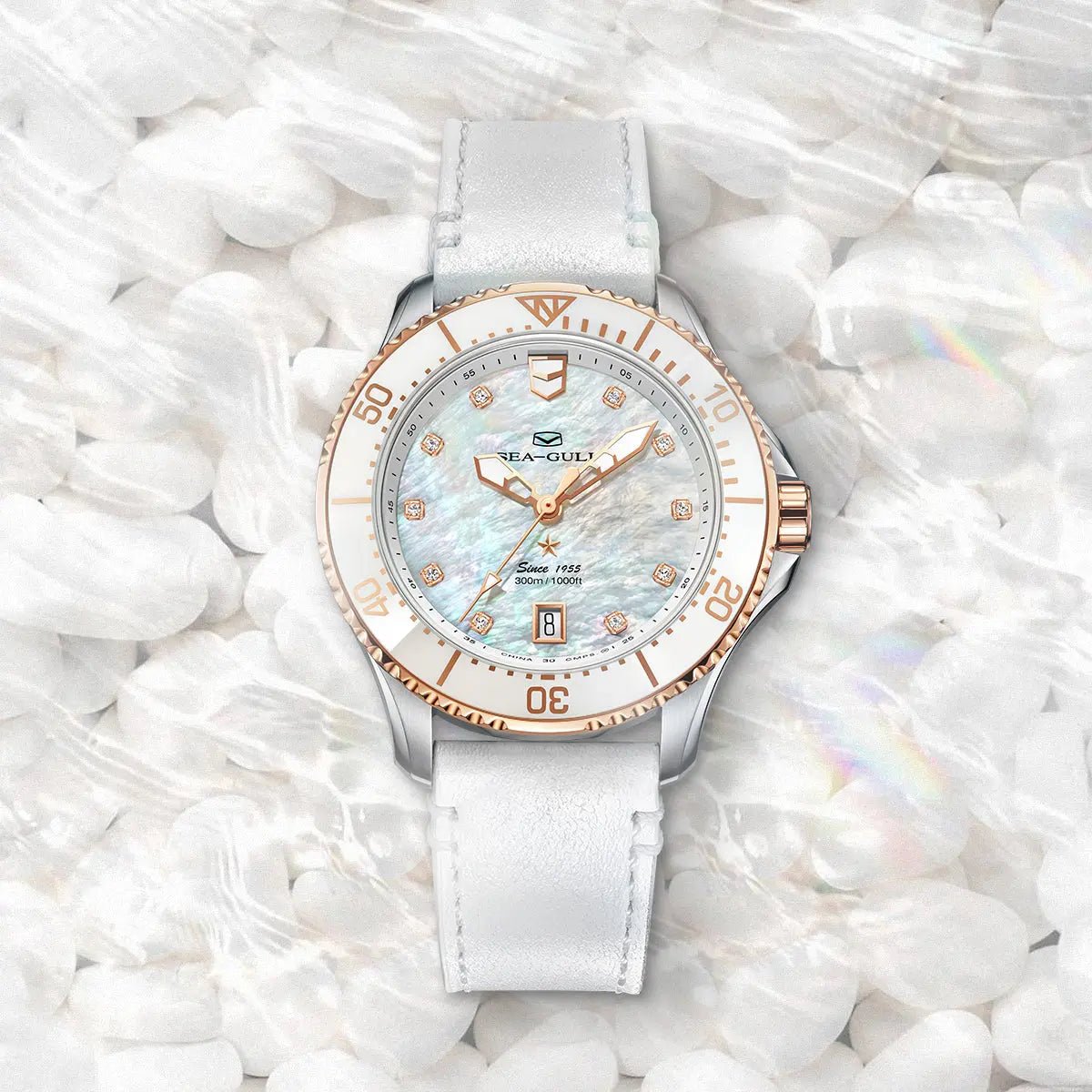
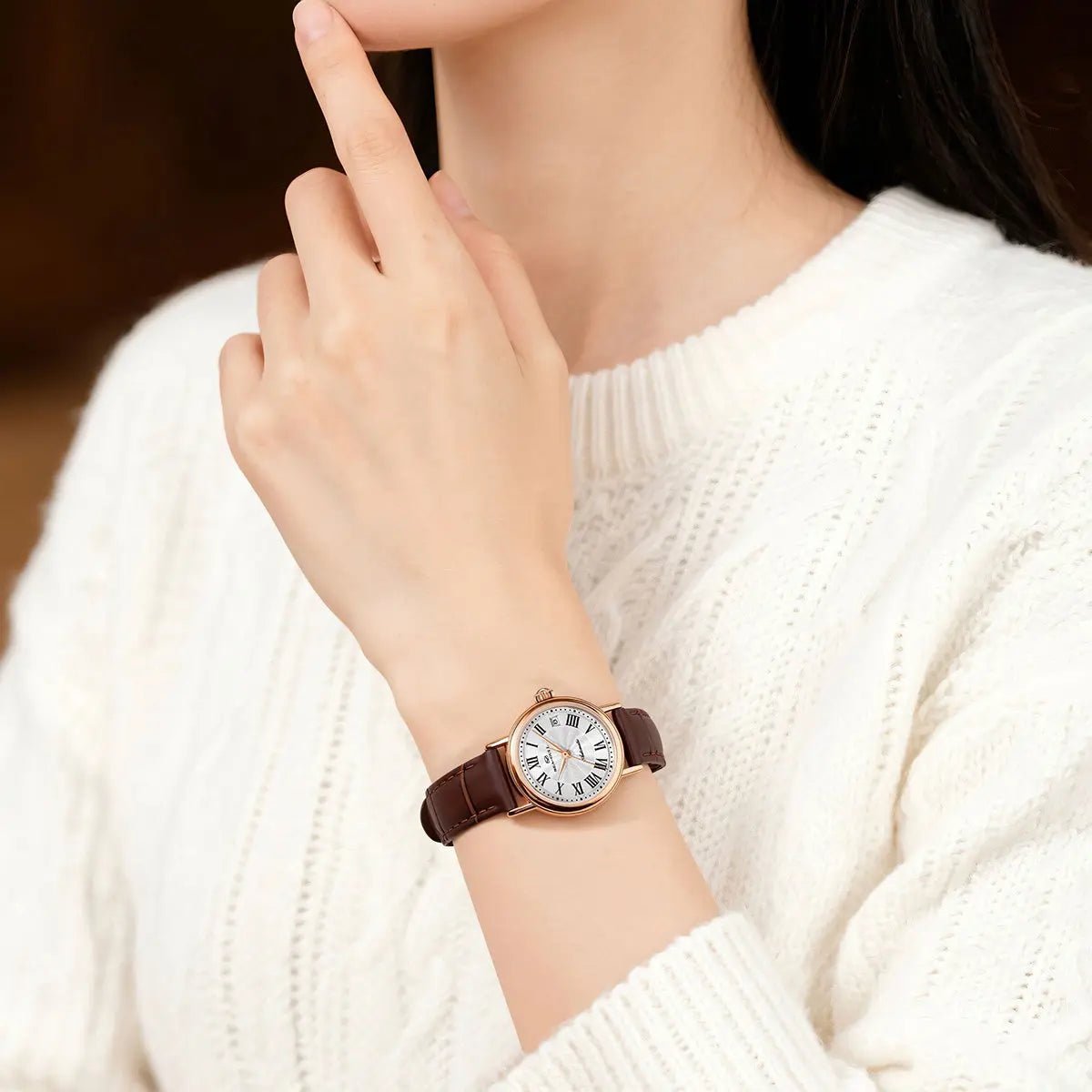
One Outdoor Watch or a Trail-and-Lodge Pair?
Packing for a cold-weather trip presents a distinct question for watch enthusiasts: whether to wear a single, well-sealed sport watch for the entire journey or to bring a dedicated two-watch rotation. Heavy parkas, gauntlet gloves, and freezing precipitation test a watch's ergonomics far more rigorously than warm-weather travel. Meanwhile, the contrast between daytime activity and quiet evenings by a lodge fire invites a change of watch on the wrist. Deciding whether to pack one watch or two for winter travel comes down to considering case specifications, water resistance, and the practicalities of traveling with an extra timepiece.
What Winter Layers and Wet Snow Demand from a Case
On a winter trail, a watch rarely rests against a bare wrist or a single cotton cuff. Instead, it navigates a thermal base layer, a mid-layer fleece, a weatherproof hardshell closure, and thick glove gauntlets. Oversized cases and long lugs can snag on elastic inner sleeves, prevent a jacket cuff from sealing out wind, or press a crown into the back of the hand when gripping ski poles.
Moisture and temperature shifts present equally demanding challenges. Standard watchmaking guidance, including Omega's technical service documentation, indicates that extreme cold and rapid thermal transitions stress mechanical watches. Sub-freezing air stiffens elastomeric gaskets, while moving directly from a snowy slope into a heated room—or worse, submerging a cold watch in a hot tub or sauna—induces thermal shock and differential expansion. For these reasons, any laboratory water-resistance rating (whether 20 Bar or 30 Bar) should be considered a tested condition rather than a permanent guarantee, and crowns should remain fully secured and dry whenever snow melts against the wrist.
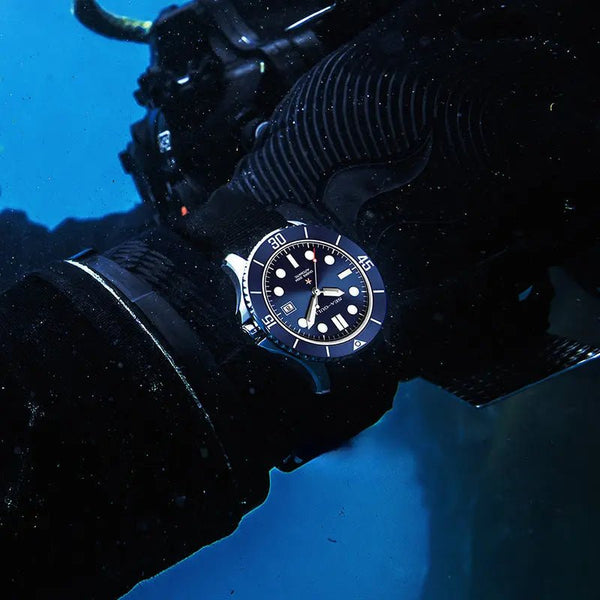
For travelers seeking a single companion that offers serious moisture protection and clears tight jacket cuffs, the Seagull Ocean Series Entry-level Dive Watch 6204 strikes a sensible balance. Its 40mm 316L stainless steel case, 12.7mm thickness, and compact 47.4mm lug-to-lug span allow it to slip beneath outerwear more easily than larger tool watches. A 20 Bar water-resistance rating, synthetic sapphire crystal, automatic ST2147 movement (running at 21,600 vph with 25 jewels), and luminous feature support low-light readability when winter afternoons dim early.
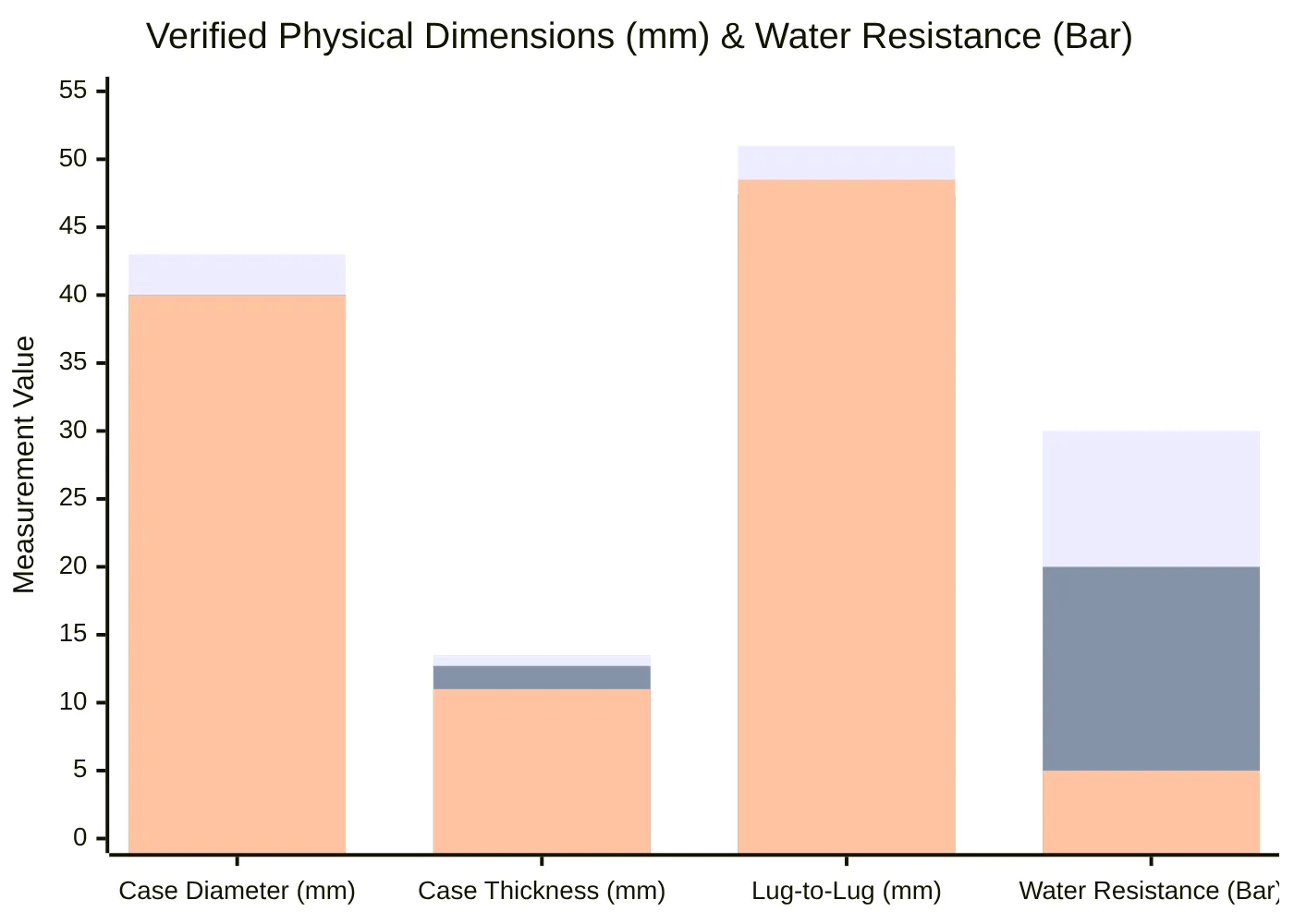
Chart order, from left to right within each category: Ocean Series Pro 1210-7, Ocean Series Dive 6204, and GMT Dual Time Zone 6028H.
Building a Dedicated Trail-and-Lodge Pair
While a 40mm diver performs admirably throughout a trip, many enthusiasts prefer to distinguish between daytime utility and evening comfort. After shedding heavy boots and damp outerwear, changing into a lighter, slimmer watch for dinner offers a welcome transition.
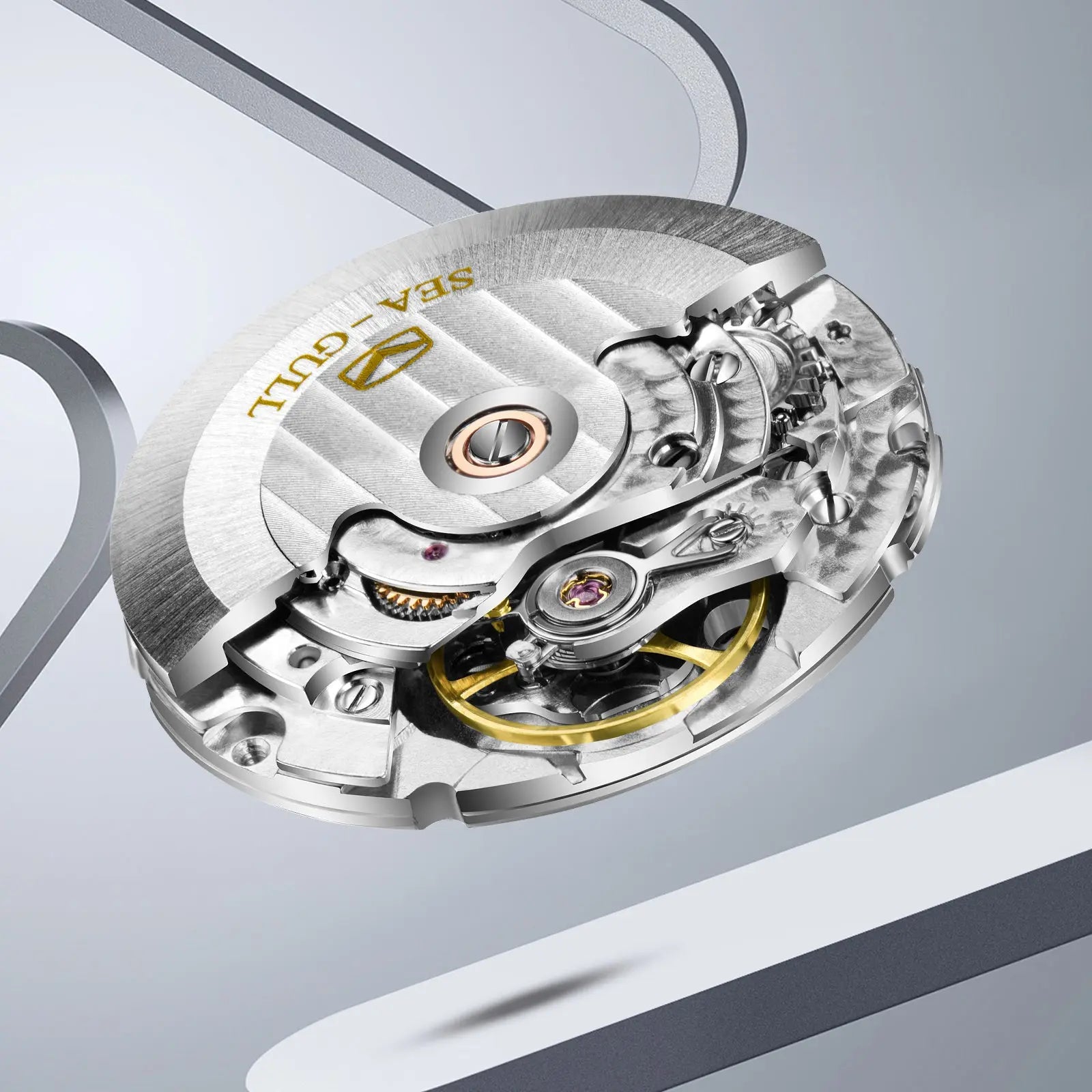
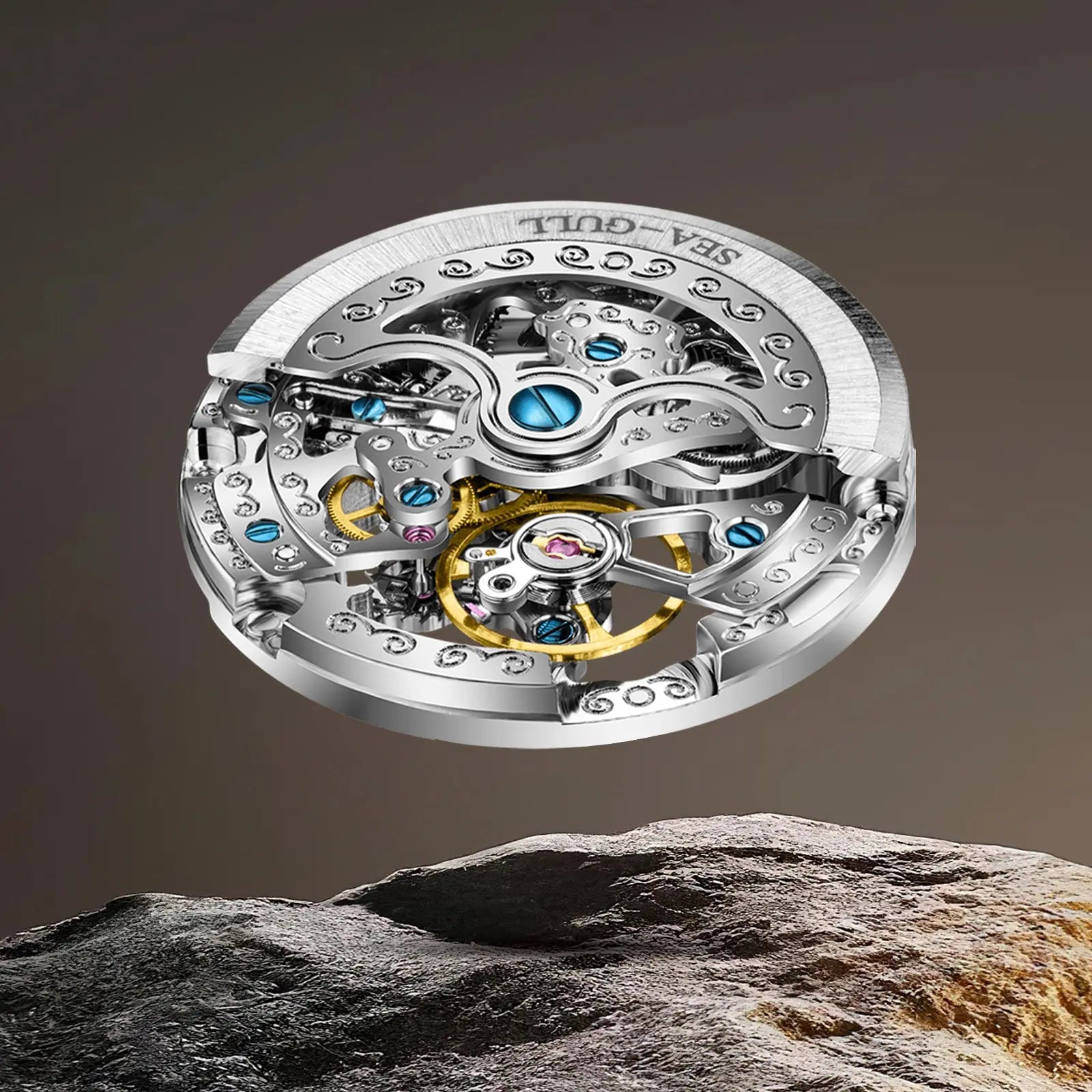
For the daytime half of a two-watch pairing—or as a single watch for travelers whose outer cuffs accommodate a broader profile—the Seagull Ocean Series Pro Ice Wing 1210-7 offers higher specifications and lighter case metallurgy. Crafted from titanium alloy, it measures approximately 43mm in diameter, 13.5mm in thickness, and 51mm lug-to-lug, with a net weight of 110g or 210g depending on the configuration. It combines a 30 Bar water-resistance rating and synthetic sapphire crystal with a luminous feature, calendar, and the 28-jewel ST2130 automatic caliber, which beats at 28,800 vph.
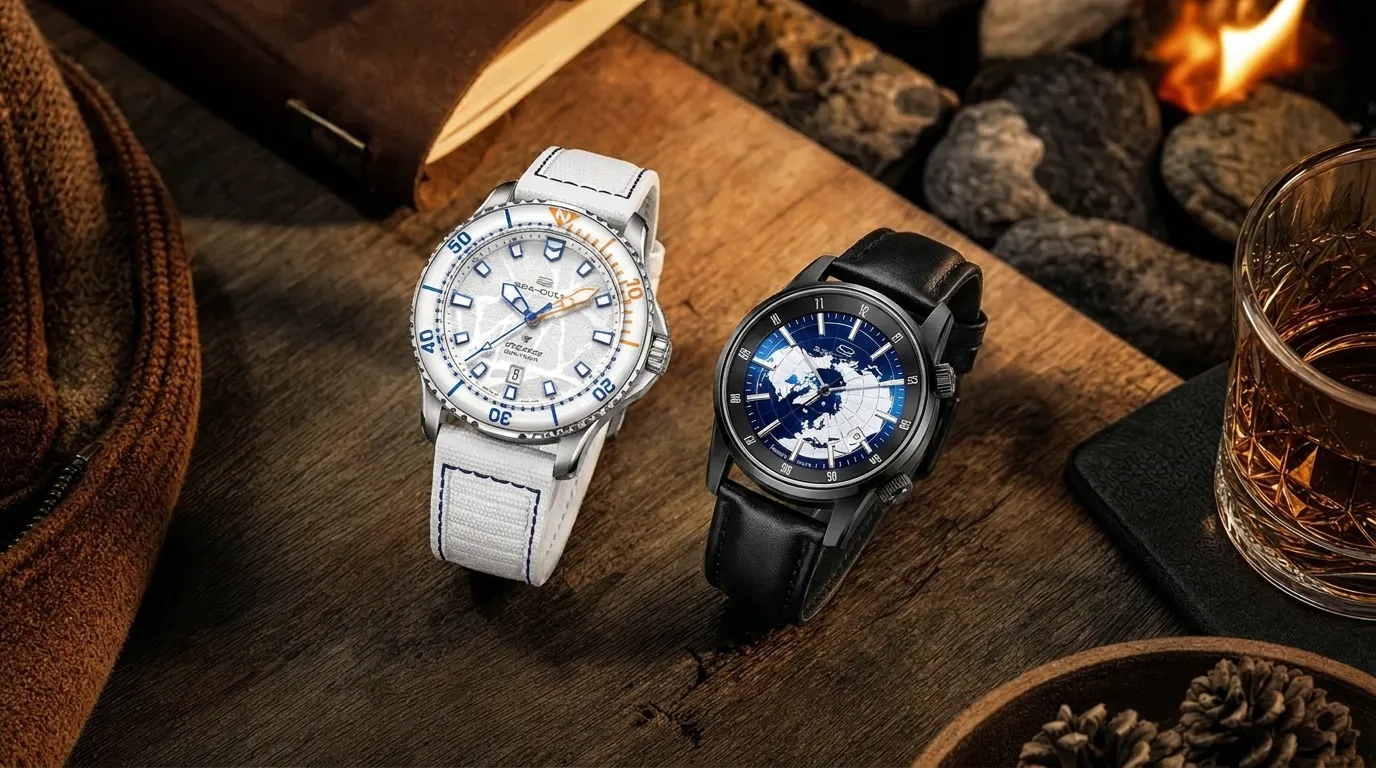
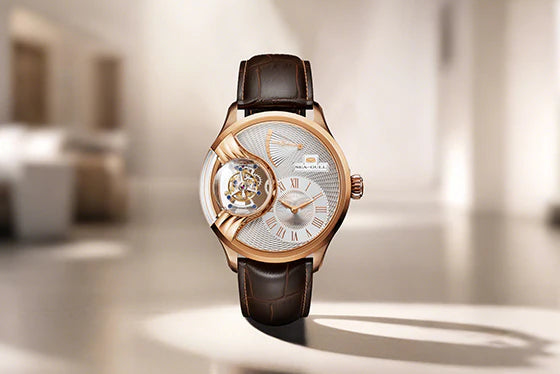
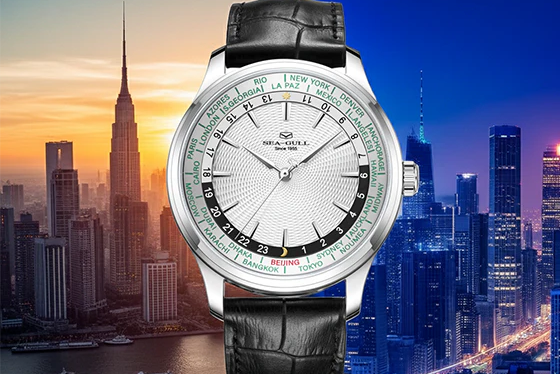
Once indoors, the Seagull GMT Dual Time Zone Calendar 6028H functions as a dedicated travel and fireside watch. Also powered by the automatic ST2130 caliber, it offers a slim wrist profile with its 40mm 316L stainless steel case, 11mm thickness, 48.5mm lug-to-lug span, and light weight of 77g on its 21mm leather strap. Its GMT and calendar functions display home and local time during flights and lodge evenings, fitting comfortably beneath a merino sweater cuff. However, its use is limited: with a 5 Bar water-resistance rating, a leather strap prone to absorbing snowmelt, and no listed luminous feature, the 6028H is strictly an indoor and travel timepiece, unsuitable for wet snow, trail navigation, or emergency outdoor use.
| Specification | Ocean Series Pro (1210-7) | Ocean Series Dive (6204) | GMT Dual Time Zone (6028H) |
|---|---|---|---|
| Reference | 414.12.1210 | 814.37.6204 / 816.37.6204 / 816.57.6204 | 819.92.6028H |
| Movement | ST2130 Automatic (28J, 28,800 vph) | ST2147 Automatic (25J, 21,600 vph) | ST2130 Automatic (28J, 28,800 vph) |
| Case Material | Titanium Alloy | 316L Stainless Steel | 316L Stainless Steel |
| Dimensions (D x T x L2L) | Approx. 43mm x 13.5mm x 51mm | Approx. 40mm x 12.7mm x 47.4mm | Approx. 40mm x 11mm x 48.5mm |
| Net Weight | 110g / 210g | 92g / 167g | 77g |
| Crystal | Synthetic Sapphire | Synthetic Sapphire | Synthetic Sapphire |
| Water Resistance Rating | 30 Bar | 20 Bar | 5 Bar |
| Strap / Bracelet | 316L Stainless Steel & Nylon-Leather (22mm) | 316L Stainless Steel / Silicone variant (20mm) | Leather (21mm) |
| Listed Luminous Feature | Yes (Luminous listed) | Yes (Luminous listed) | Not listed |
| Trip Role | Dedicated Trail / Heavy Outdoor | All-Trip Single Watch or Compact Trail Piece | Lodge, Dinner & Transit Only |
Packing One Watch or Two for Winter Trip Logistics
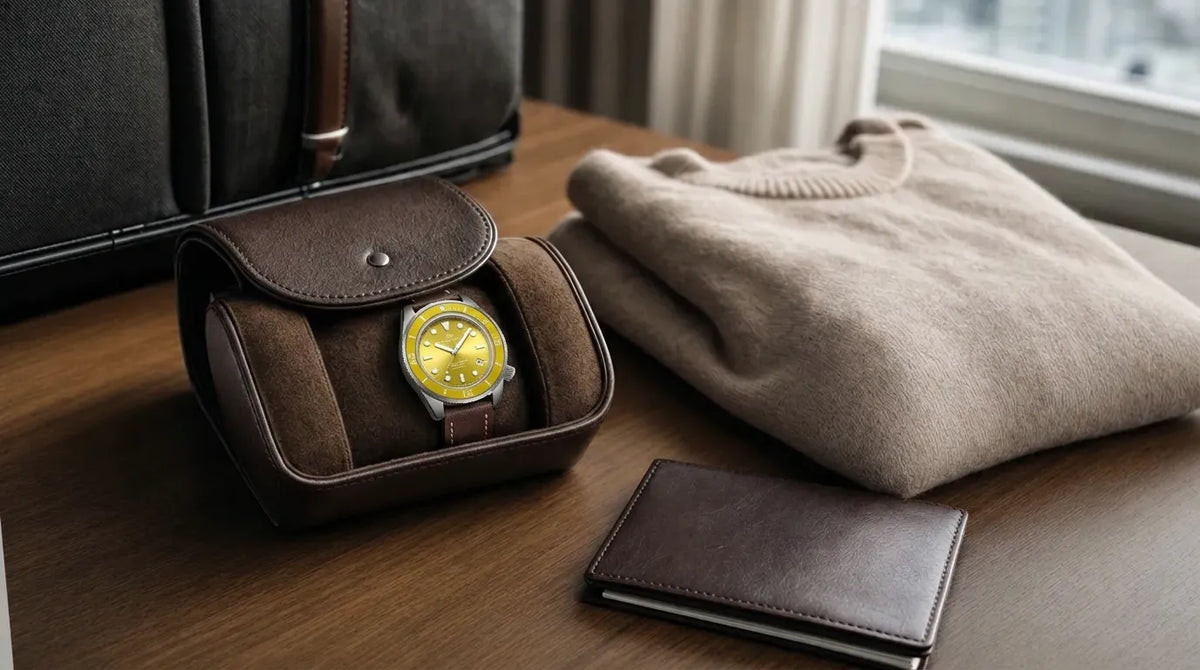
Bringing a second timepiece means a shift from effortless wear to active storage management. When a single watch remains on the wrist throughout a trip, it avoids being misplaced or left unattended. Bringing a pair, however, means one watch always stays behind while on the mountain. Public ski day-lockers expose an unworn watch to sub-freezing temperatures, impact from heavy gear, and security risks; shared rental cabins rarely provide individual room safes.
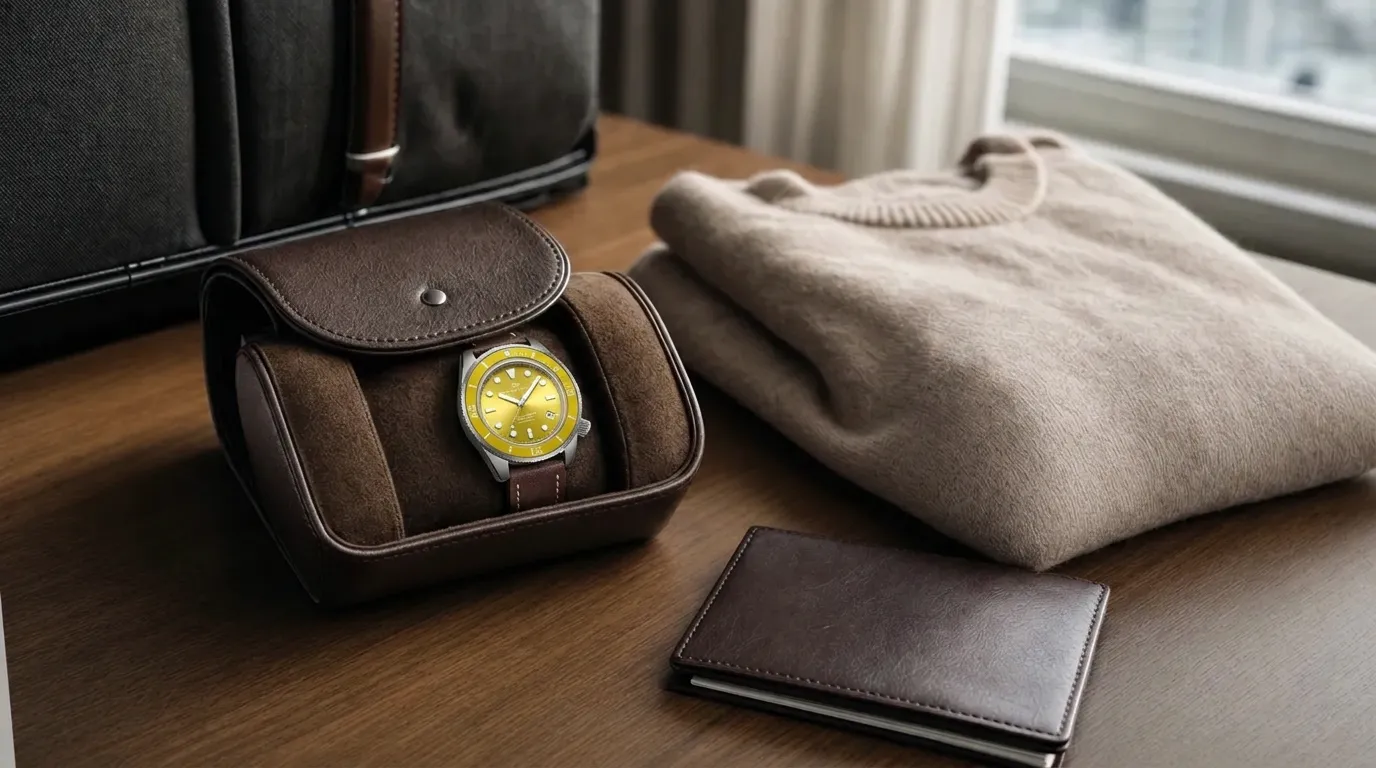
In transit, a spare watch should always travel in a padded pouch or roll inside carry-on luggage—never in a checked bag—and be kept clear of magnetized tablet covers or bag clasps. The movement type also influences how you manage a rotation:
- Automatic movements (such as the ST2130 and ST2147) stay wound through daily wrist motion on a one-watch trip, whereas an unworn automatic resting in a pouch for two days may wind down and require resetting the time, calendar, or GMT hand before dinner.
- Manual-wind watches offer a slim profile and tactile daily winding, though crowns should only be operated indoors when the case is completely dry.
- Quartz watches run continuously in a travel bag without needing to be reset, though direct exposure to extreme sub-zero cold can temporarily affect battery performance.
No single movement type is universally superior; each simply suits a different travel rhythm.
Choosing the Right Rhythm for Your Itinerary
If your itinerary involves tight technical layers, shared cabin accommodations, or a desire to travel without locking valuables in a hotel safe, the 40mm Ocean Series 6204 (or the 43mm titanium 1210-7 for looser cuffs) handles the entire journey on a single wrist. If you have secure lodging and appreciate trading a high-bar trail diver for an 11mm leather-strapped dual-time watch at the end of the day, pairing an Ocean Series diver with the 6028H GMT delivers the best of both environments. Regardless of which setup you choose, having your gaskets inspected before departure—and keeping every mechanical watch out of the lodge hot tub—will ensure your timepiece returns home in the same condition it left.

コメントを書く
このサイトはhCaptchaによって保護されており、hCaptchaプライバシーポリシーおよび利用規約が適用されます。