

Article: Mastering the Chrono: A Collector’s Technical Guide

Mastering the Chrono: A Collector’s Technical Guide
Mechanical timing remains relevant because it solves a simple problem with visible engineering. A chronograph adds an independent elapsed-time system to a watch without interrupting the display of current time. For collectors, that matters less as a novelty than as a movement decision: the architecture, clutch type, actuation system, and service pathway all affect how a chronograph feels on the wrist and how it behaves over years of ownership.
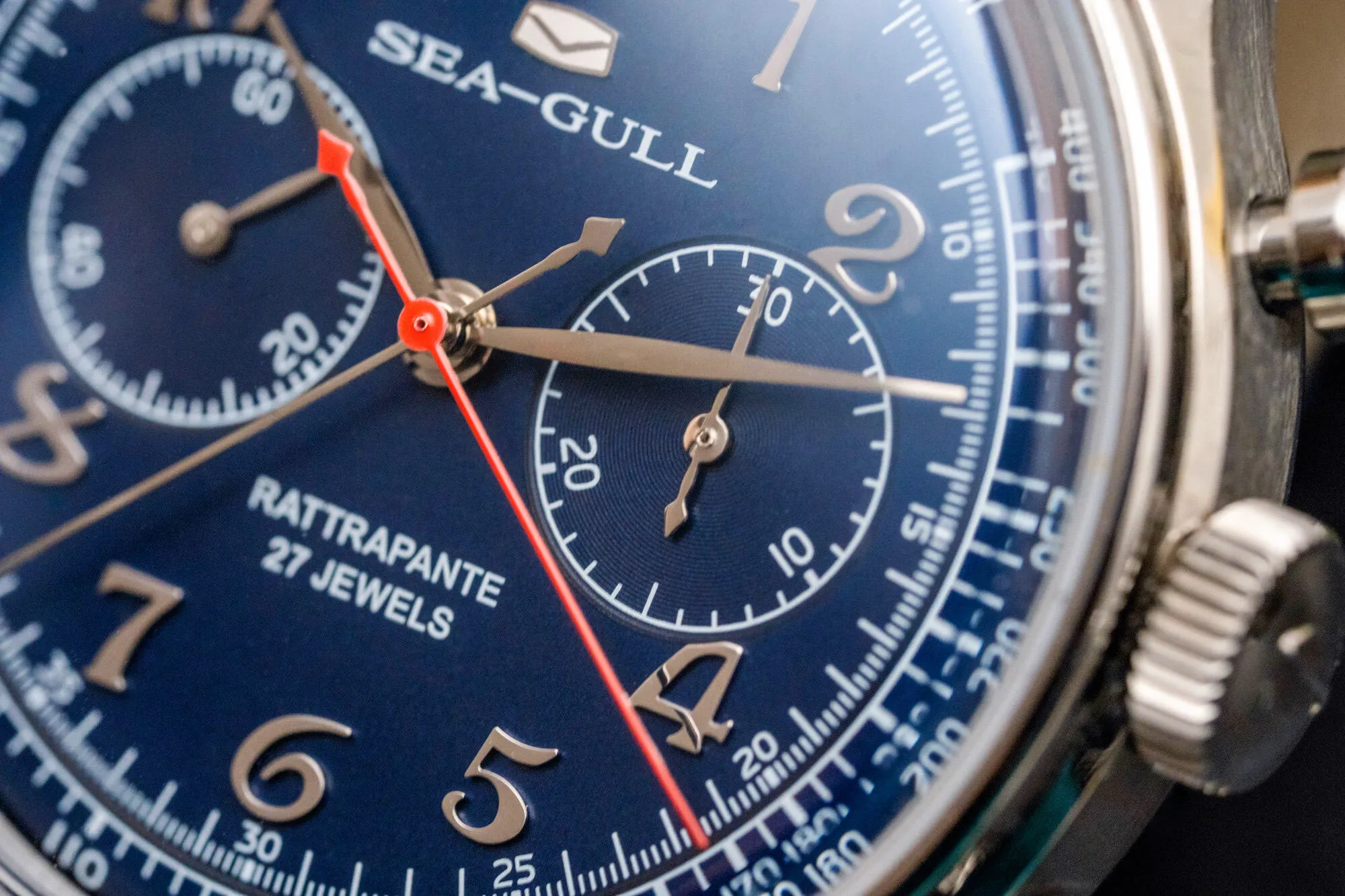
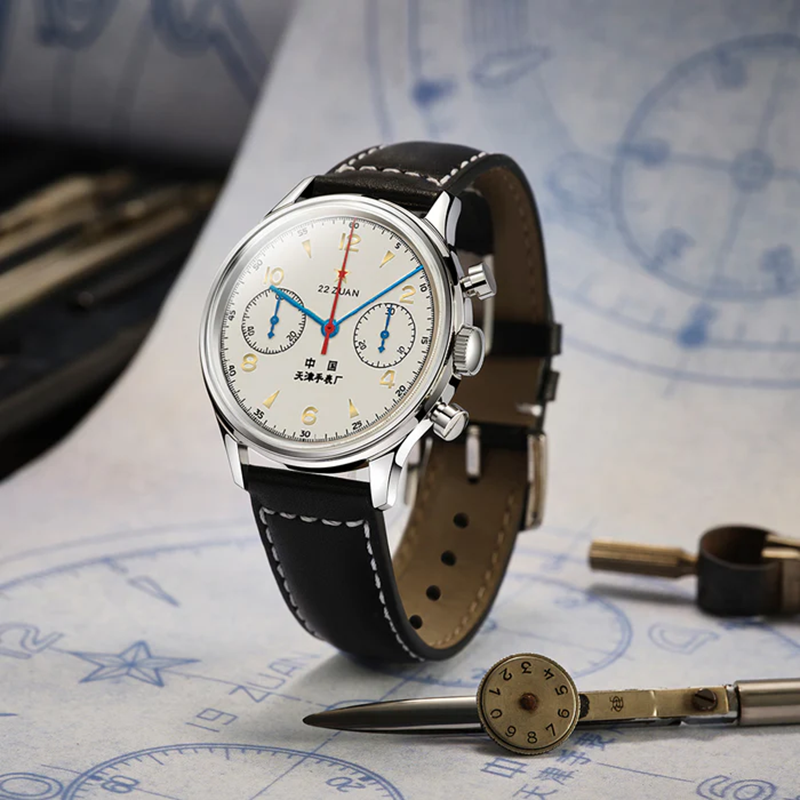
For anyone using this chronograph watch buying guide to choose a first serious piece or refine an existing collection, the core task is straightforward: understand the chronograph complication, assess the chronograph watch mechanism honestly, and buy for long-term serviceability rather than short-term novelty. Within that framework, the chronograph mechanical watches and the heritage-led 1963 Series are useful reference points because they show how manual-wind column wheel designs differ from other timing tools in a modern collection.
1. Define the complication before comparing watches
A chronograph is a built-in elapsed-time system operated by pushers, usually at 2 and 4 o'clock. It typically adds a central timing seconds hand, one or more subdials, and a reset system using heart cams and hammers. That is what separates it from simpler timing alternatives.
A useful buying shortcut is to distinguish functions clearly:
| Watch type | What it measures | Key hardware | Best for |
|---|---|---|---|
| Time-only watch | Current time | Standard handset | Minimal everyday wear |
| Chronograph | Elapsed intervals | Pushers, chronograph train, registers | Timing meetings, travel intervals, workouts |
| GMT | Second time zone | 24-hour hand, GMT scale | Frequent travel |
| Dive watch | Elapsed time by bezel | Rotating bezel | Water-focused timing |
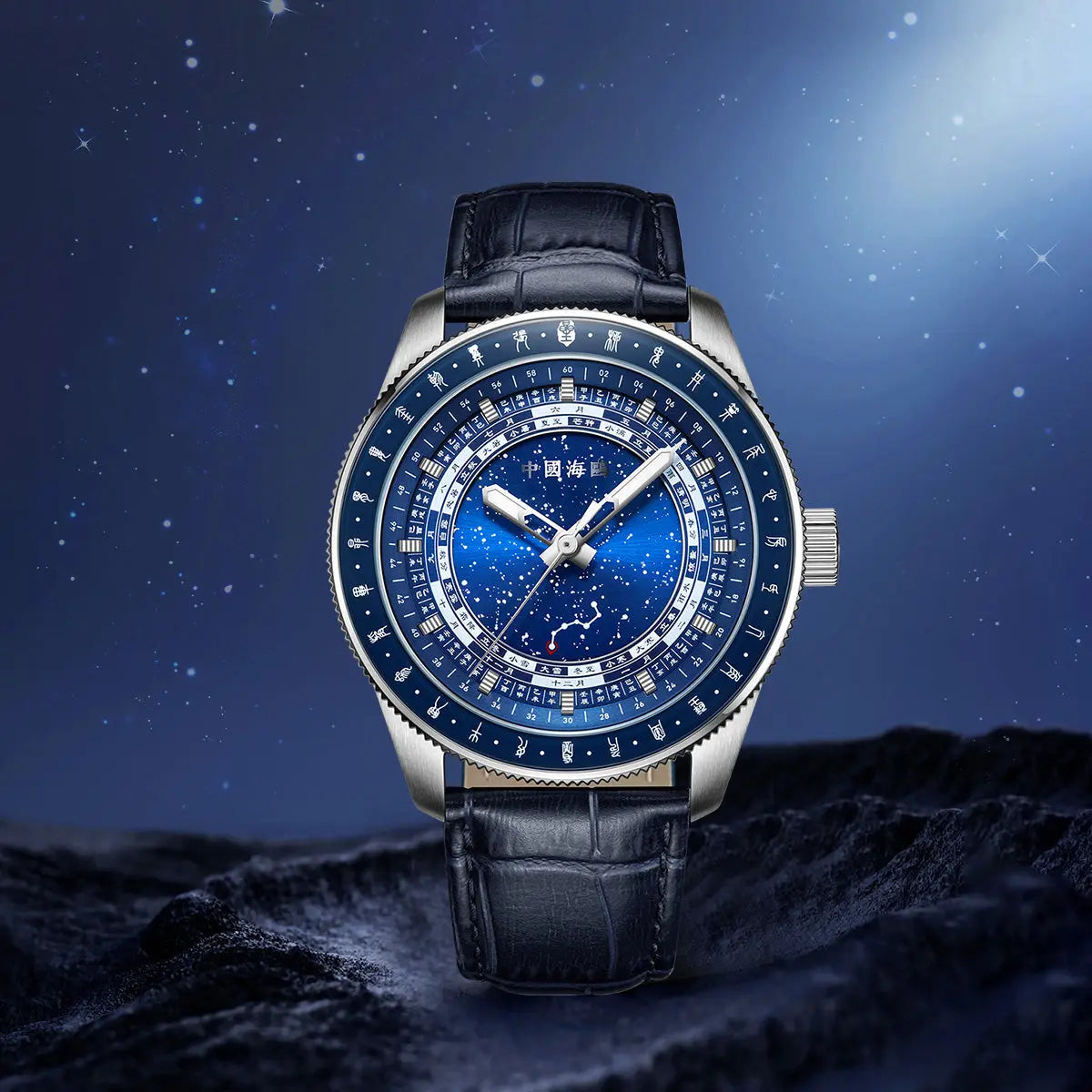
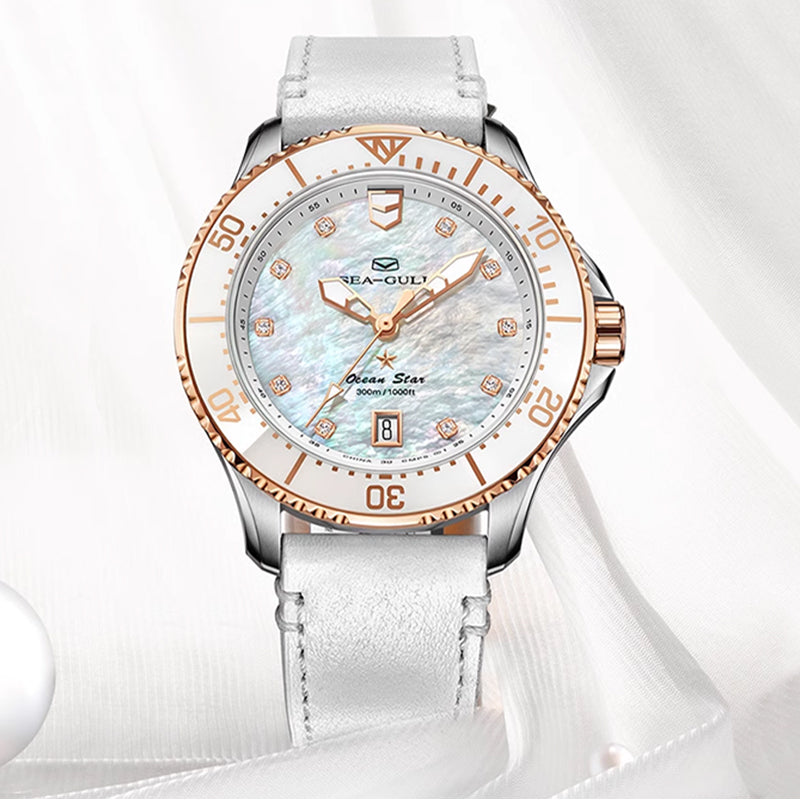
That distinction matters when comparing categories such as Sea-Gull GMT watches or Ocean Series dive watches. If your routine involves time zones more often than intervals, GMT is often the better tool. If water resistance is the priority, a dive watch is usually the more practical choice.
2. Learn the movement architecture that changes ownership experience
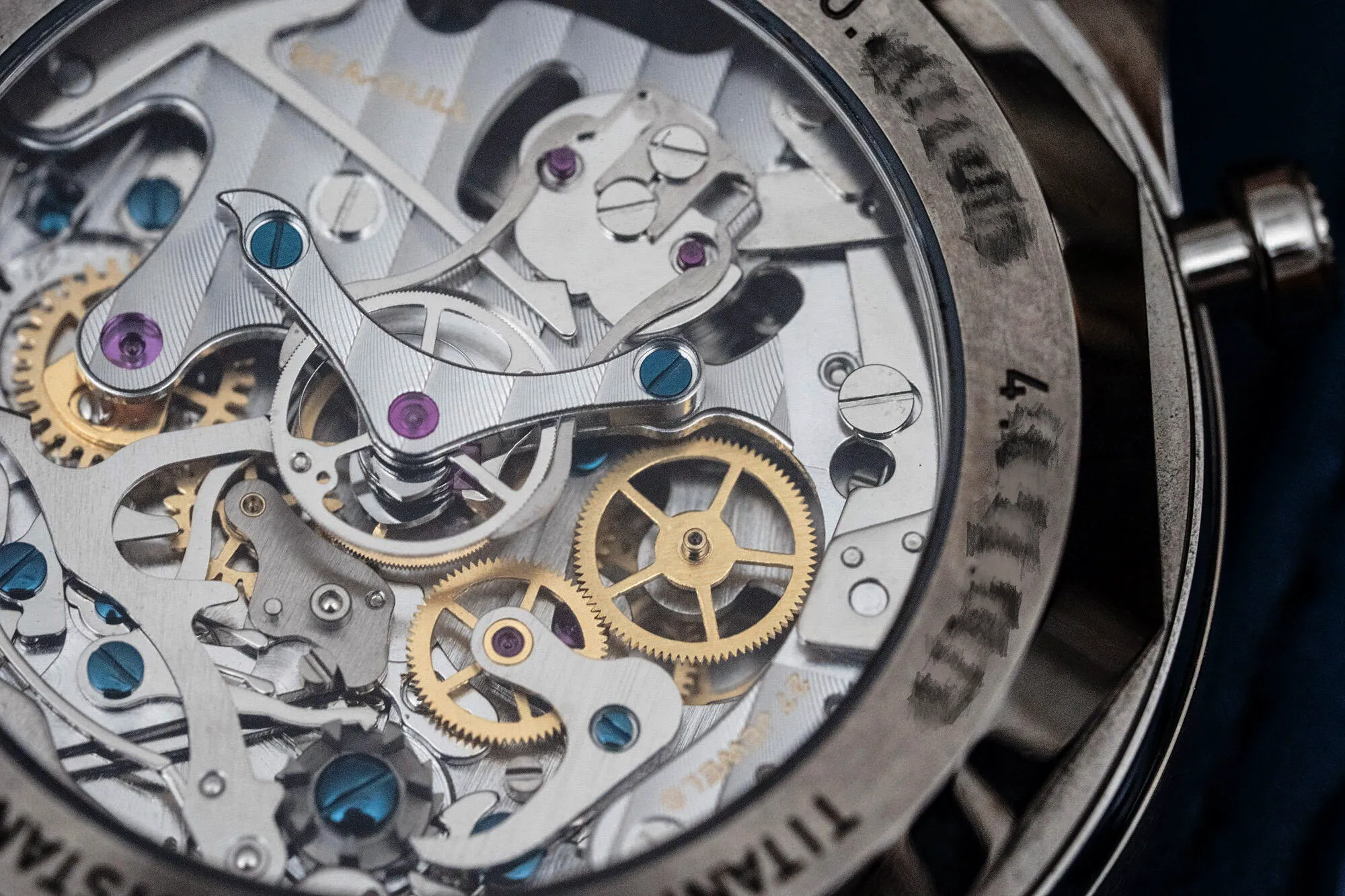
The most useful part of any mechanical chronograph guide is movement architecture. Buyers often focus on dial design first, but the architecture determines pusher feel, case thickness, maintenance complexity, and collector appeal.
Integrated vs modular
An integrated chronograph is designed as a chronograph from the start. A modular design adds a chronograph module to a base movement. In practical terms, integrated movements are often more cohesive mechanically, while modular systems can be thicker and more layered in operation.
Column wheel vs cam
A column wheel chronograph generally offers a cleaner, more precise pusher action. Cam-actuated systems are robust and efficient, but often feel less refined. For many collectors, pusher feel is not a minor detail; it is one of the most direct signs of how the mechanism is engineered.
Horizontal vs vertical clutch
A horizontal clutch is visually attractive and historically significant, but it may show a slight seconds-hand jump at engagement. A vertical clutch starts more smoothly and is better suited to leaving the chronograph running continuously, though it is usually more expensive and less visually dramatic.
Manual-wind vs automatic
Manual-wind chronographs offer a thinner, more direct mechanical experience. Automatic chronographs add convenience for daily wear, but often at the cost of thickness and added service complexity.
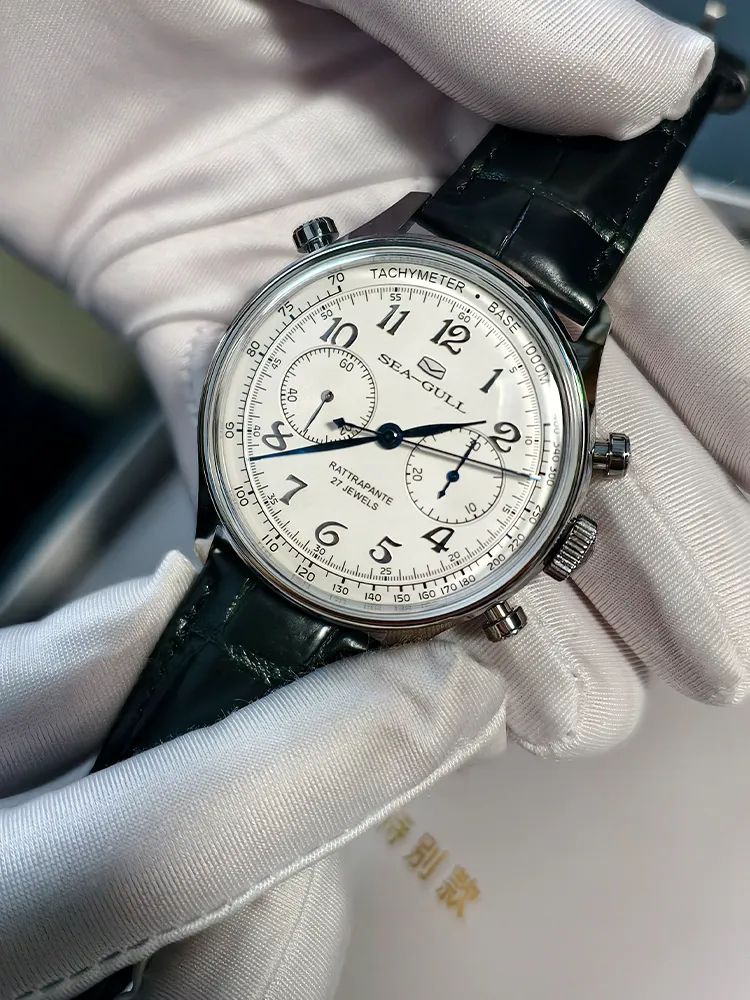
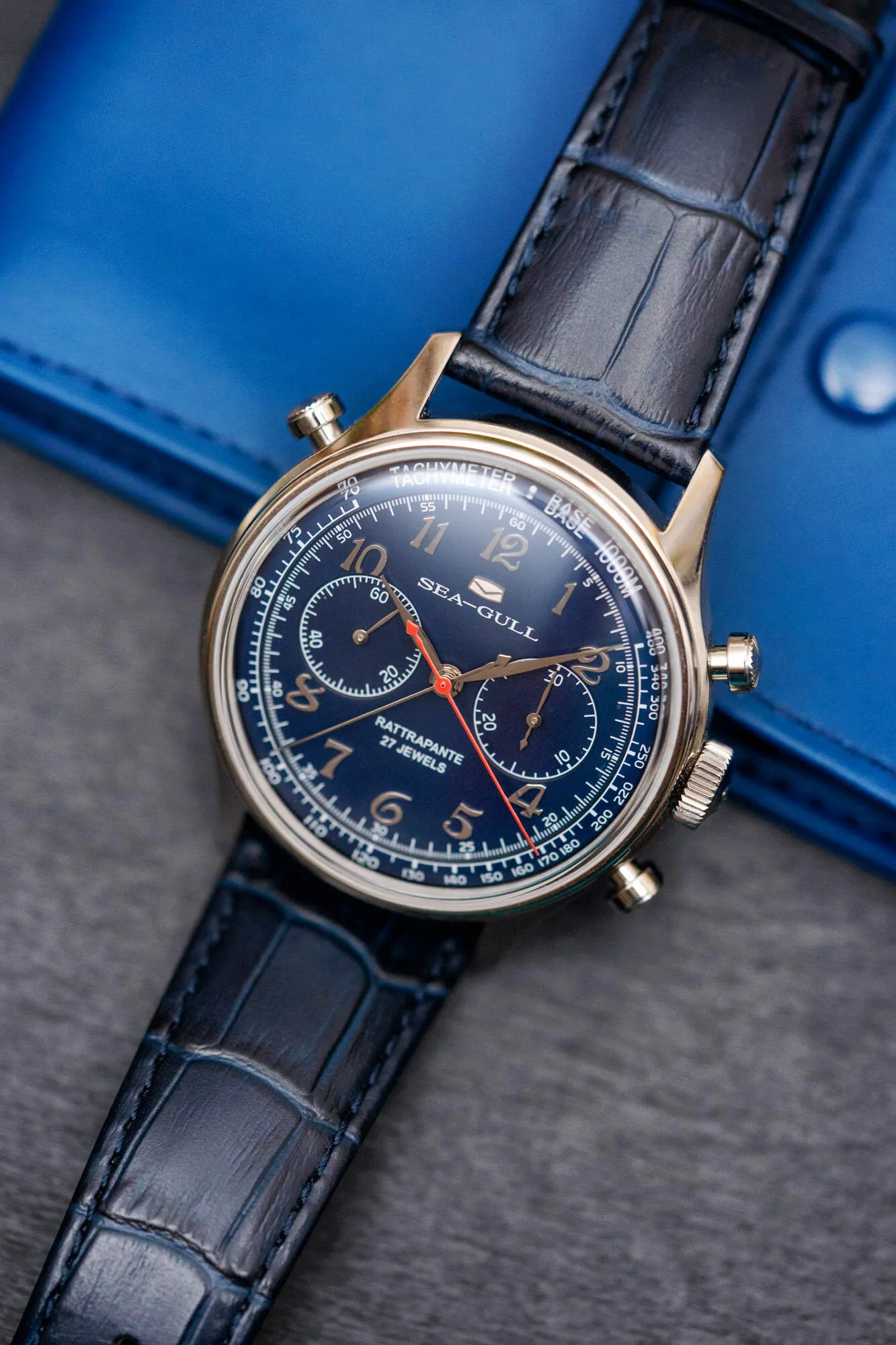
The 37.3mm Seagull 1963 70th Anniversary Reissue chronograph is a good example of the manual-wind route: ST1901 movement, 21,600 vph, column wheel control, 30-minute counter, domed sapphire, and a compact heritage case profile. It is especially relevant for buyers comparing tactile interaction with the convenience of an automatic sports chronograph.
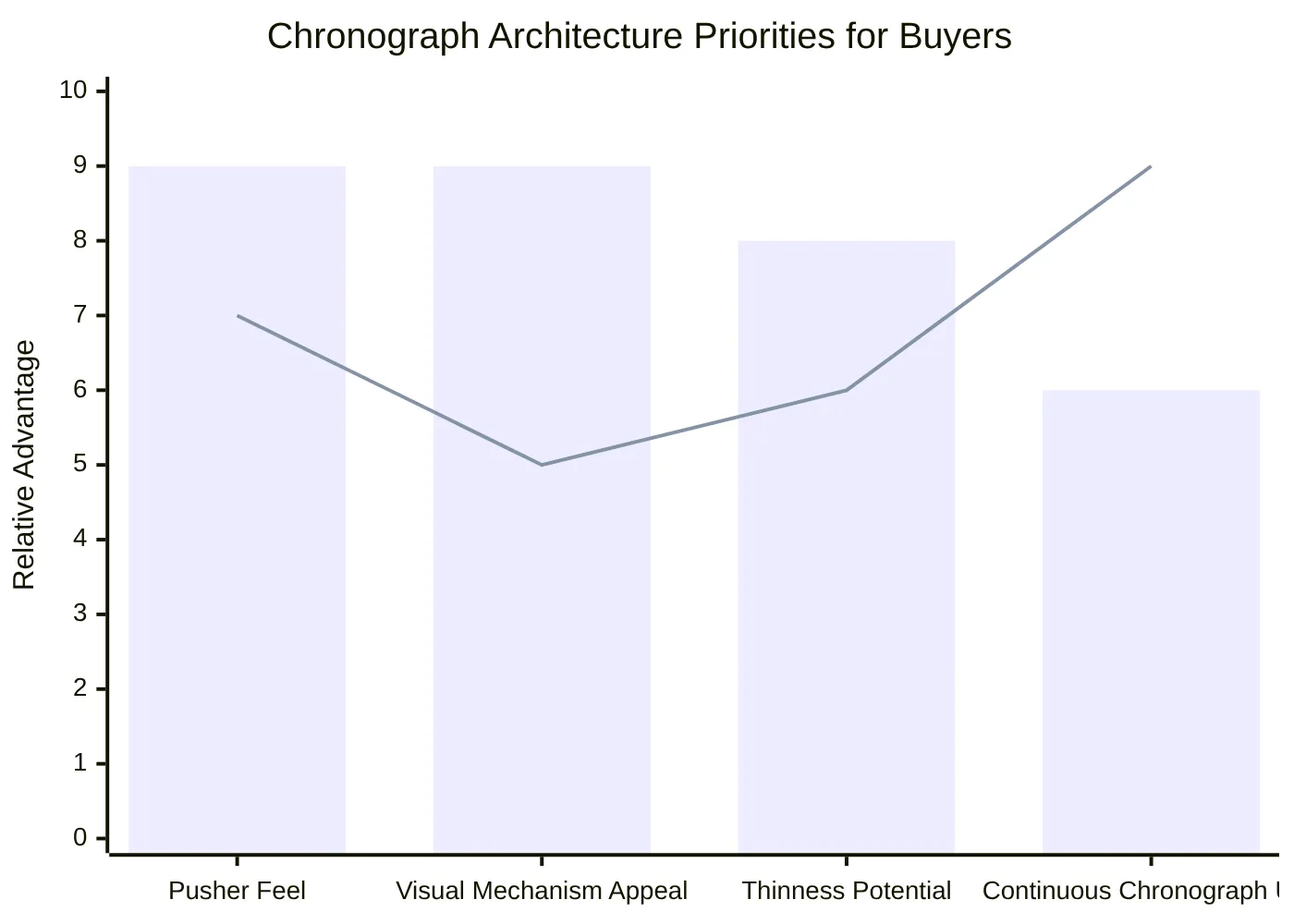
In the chart above, the bars represent a classic column wheel plus horizontal clutch profile, while the line reflects a more modern vertical clutch bias.
3. Use a collector's checklist instead of buying by appearance alone
A technically sound chronograph purchase can be reduced to five questions.
| Buying factor | What to inspect | Practical benchmark |
|---|---|---|
| Movement | Architecture, actuation, clutch, winding type | Prefer clear caliber information |
| Dimensions | Diameter, thickness, lug-to-lug | Many mechanical chronographs sit around 37mm to 44mm |
| Crystal and case | Sapphire, steel quality, caseback style | Exhibition backs are especially useful on column wheel calibers |
| Water resistance | Realistic daily use tolerance | 30m is minimal, 50m is light contact, 100m plus is more versatile |
| Accuracy and reset behavior | Daily rate, hand alignment, pusher consistency | Within +/- 40 seconds over 24 hours is acceptable; well-regulated pieces may run within 3 to 5 seconds per day |
That last point often gets ignored. A chronograph adds mechanical load, so realistic expectations matter more than inflated claims. Clean reset-to-zero behavior and consistent pusher action are often more informative than headline accuracy alone.
For buyers weighing broader collection balance, it can also help to compare a chronograph against a travel-oriented model such as the GMT World Time dual time zone mechanical watch or the GMT World Time 41mm with sub seconds.
4. Buy with long-term ownership in mind: service, authenticity, and cross-border logistics
Chronographs are more complex than time-only watches, so the ownership questions should be asked before purchase, not after.
First, servicing. A mechanical chronograph usually benefits from service every 5 to 7 years, or sooner if pusher action becomes inconsistent, reset alignment drifts, or amplitude drops noticeably. Repairs also require greater skill because lubrication points, levers, and coupling systems are more complex than those in simpler calibers.
Second, authenticity. For popular heritage chronographs, provenance matters. Purchasing through a first-tier distributor with traceable product pages and established after-sales structure reduces risk. Buyers concerned about verification can also review the site's 1963-focused articles, including guidance on 1963 authenticity.
Third, warranty and repairs. The distributor site and related group practices indicate multi-year warranty coverage depending on model tier and price segment, with repair support connected to Tianjin manufacturing capability and Hong Kong logistics support. That matters for overseas buyers in North America and Europe who need a realistic path for maintenance, return handling, and parts support.
Fourth, shipping and duties. The transportation policy and several product pages indicate tax-inclusive treatment for many North American and European destinations, while other regions may require confirmation. That is useful context for buyers who want clarity on landed cost rather than just listed price.
A concise ownership checklist looks like this:
- Confirm the exact movement and chronograph layout.
- Check whether taxes or import fees are included for your region.
- Review current warranty and return or exchange terms on the distributor website.
- Avoid operating pushers underwater unless the watch is explicitly designed for it.
- Stop the chronograph before resetting on standard non-flyback designs.
5. Match the chronograph to the role it will actually play in your collection
A chronograph is most compelling when its use is realistic. Daily wear, office timing, travel intervals, light fitness timing, and occasional enthusiast use are all sensible contexts. Motorsport and aviation references belong to design lineage, not fantasy role-play.
For a heritage-centered manual chronograph, the 1963 Series remains the clearest route. For a wider range of dial layouts and complications, the broader chronograph collection provides more variety, including more complex executions. If elapsed timing is secondary to travel utility, compare against the GMT collection. If robust water use is the priority, evaluate the dive watch collection. Collectors interested in a different kind of mechanical complexity can also examine the tourbillon collection.
In practical terms, the strongest buying decision is usually the least theatrical one. Choose the chronograph complication because you appreciate the mechanism, understand how a chronograph works, and are prepared for the service realities that come with it. If you want a compact, manual, column wheel case study, start with the 1963 Series 70th Anniversary Reissue 37.3mm. If you want to compare across categories before deciding, review the chronograph, GMT, and dive ranges side by side on the distributor website.


Laisser un commentaire
Ce site est protégé par hCaptcha, et la Politique de confidentialité et les Conditions de service de hCaptcha s’appliquent.