


Seagull Ocean Star & GMT: Engineering Analysis
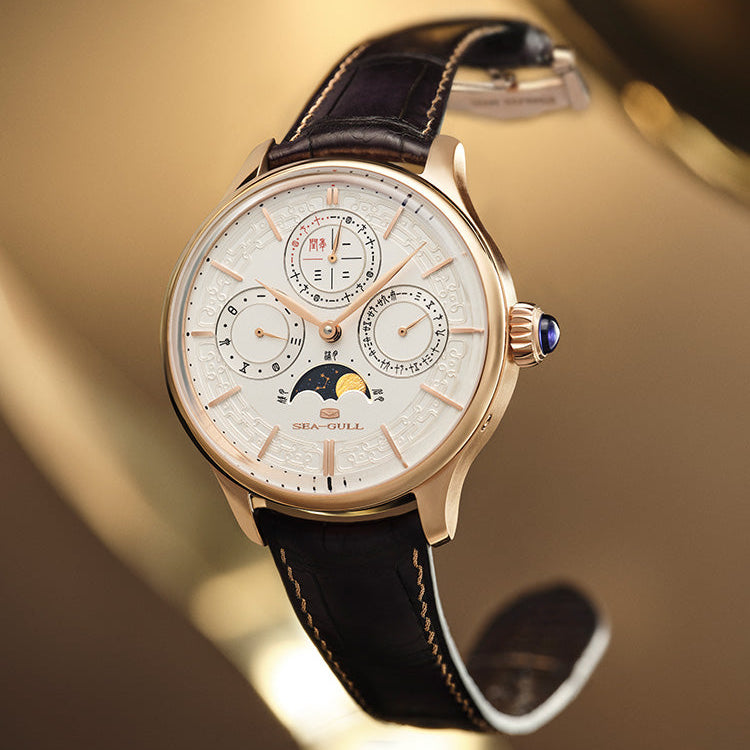
Seagull sits in a rare position in modern mechanical watchmaking: a movement-driven manufacturer with the scale to industrialize everything from straightforward three-hand automatics to column-wheel chronographs and tourbillons. For collectors in North America and Europe, this isn't just a brand story; it's an engineering reality. The same factory expertise that creates complex movements also supports the practical, everyday design of Ocean Series dive and dual-time sports watches.
Simultaneously, with the brand appearing across multiple sales channels and OEM contexts, it's reasonable to evaluate any Ocean Star-style diver or GMT model through two lenses: what the architecture is designed to do, and what the ownership experience (service, returns, customs, shipping) is likely to be over several years.

Choosing Your Ocean Series
From a manufacturing standpoint, the Ocean Series dive and dual-time models are best understood as applications of the ST-series movement families, rather than as isolated "hero" references. Three families frame most of the current conversation:
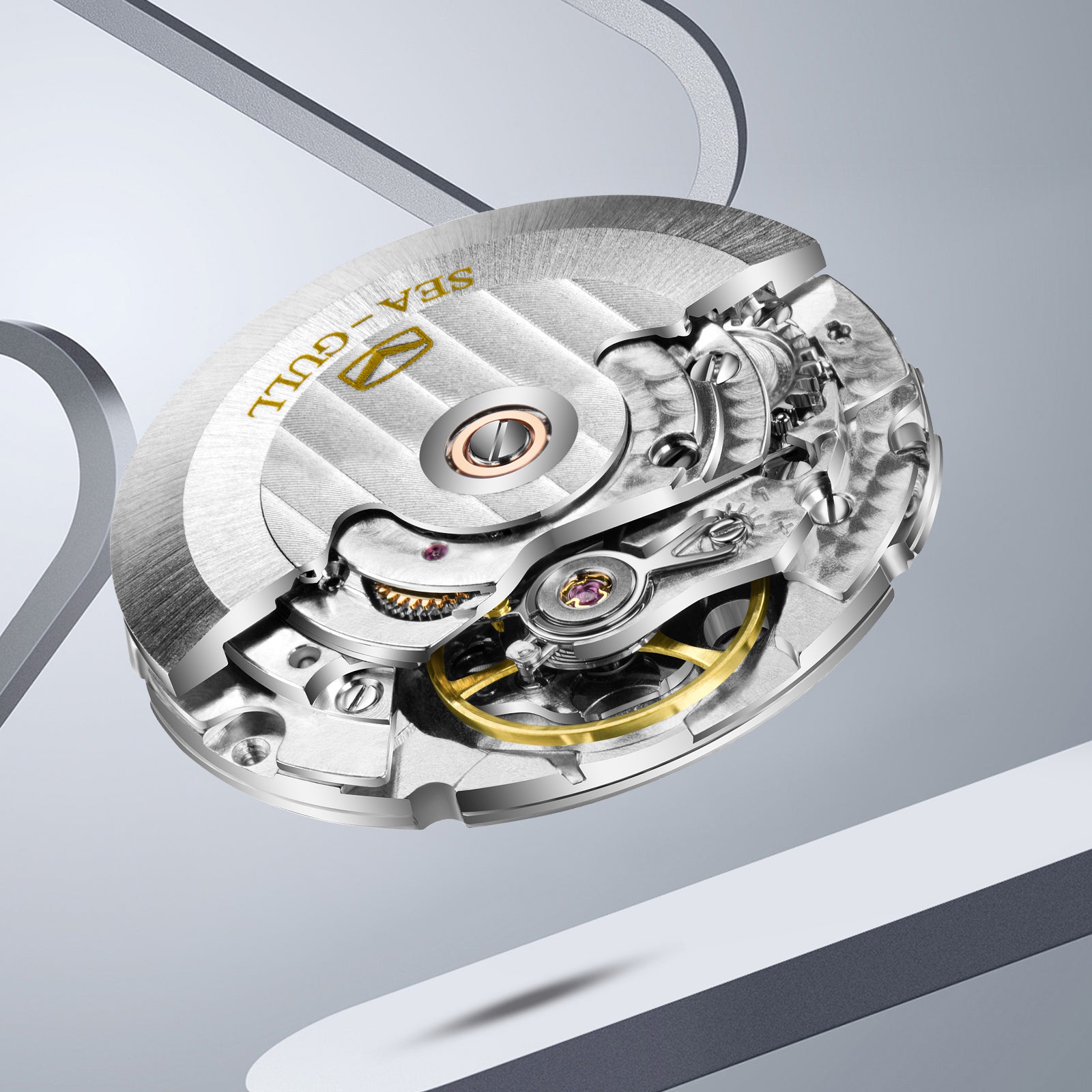
- ST2130: a high-beat, three-hand automatic with date (typically 28,800 vph, about 40 to 42 hours of power reserve, generally 25 to 28 jewels). Its architecture is oriented toward robustness and familiar service procedures.
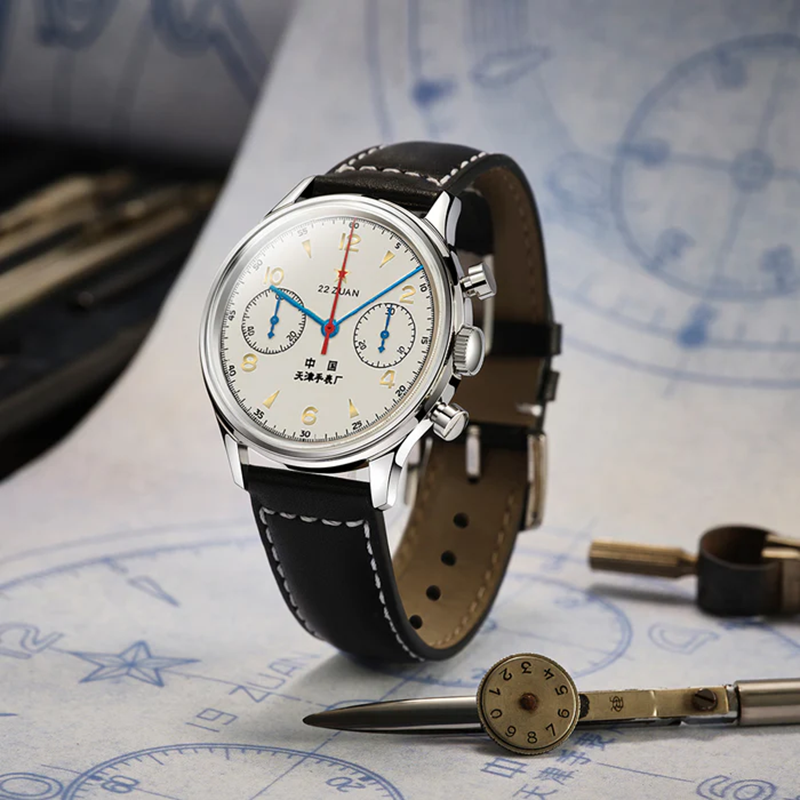
- ST19: a hand-wound, column-wheel chronograph family (typically 21,600 vph, about 40 plus hours of power reserve), most associated with the Seagull 1963.
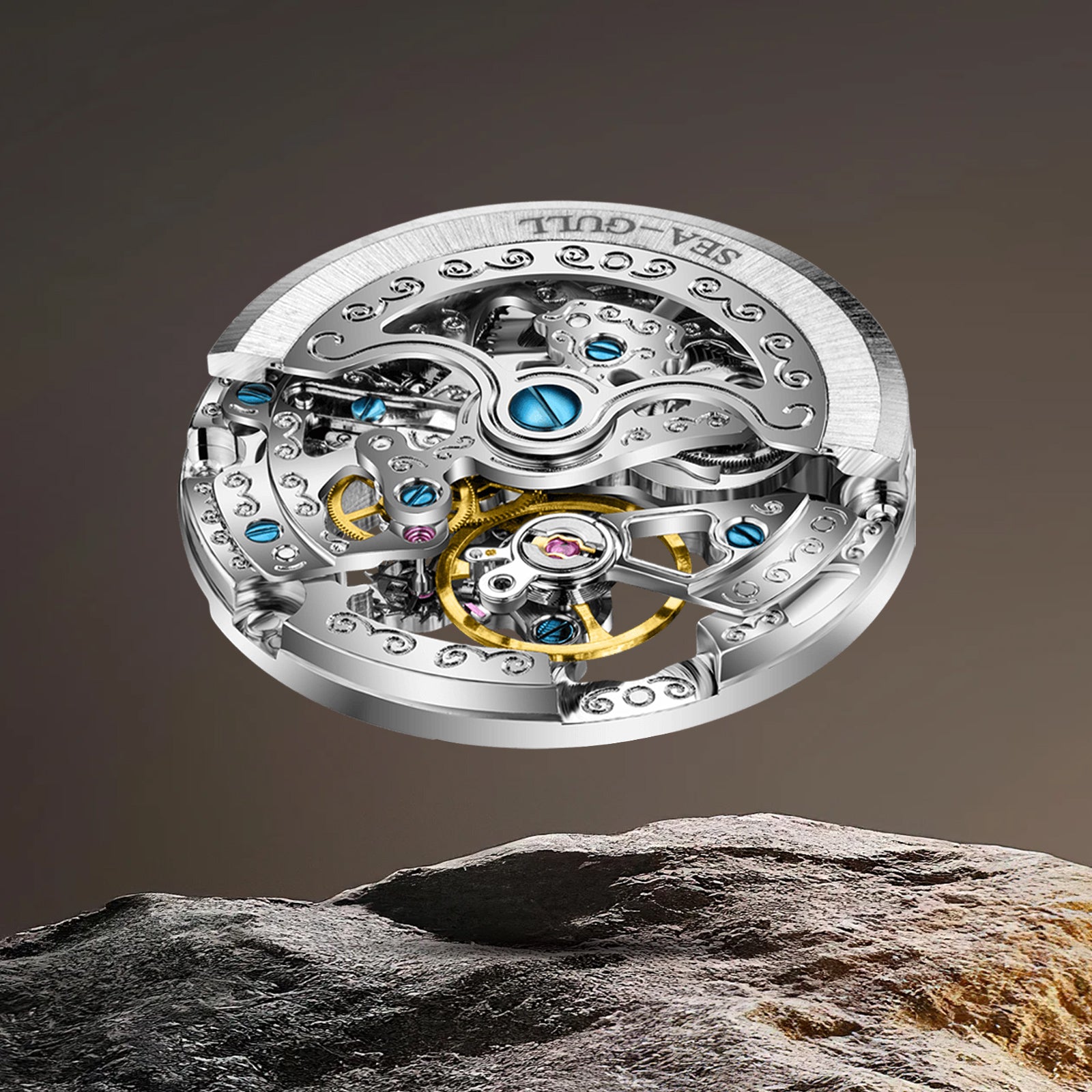
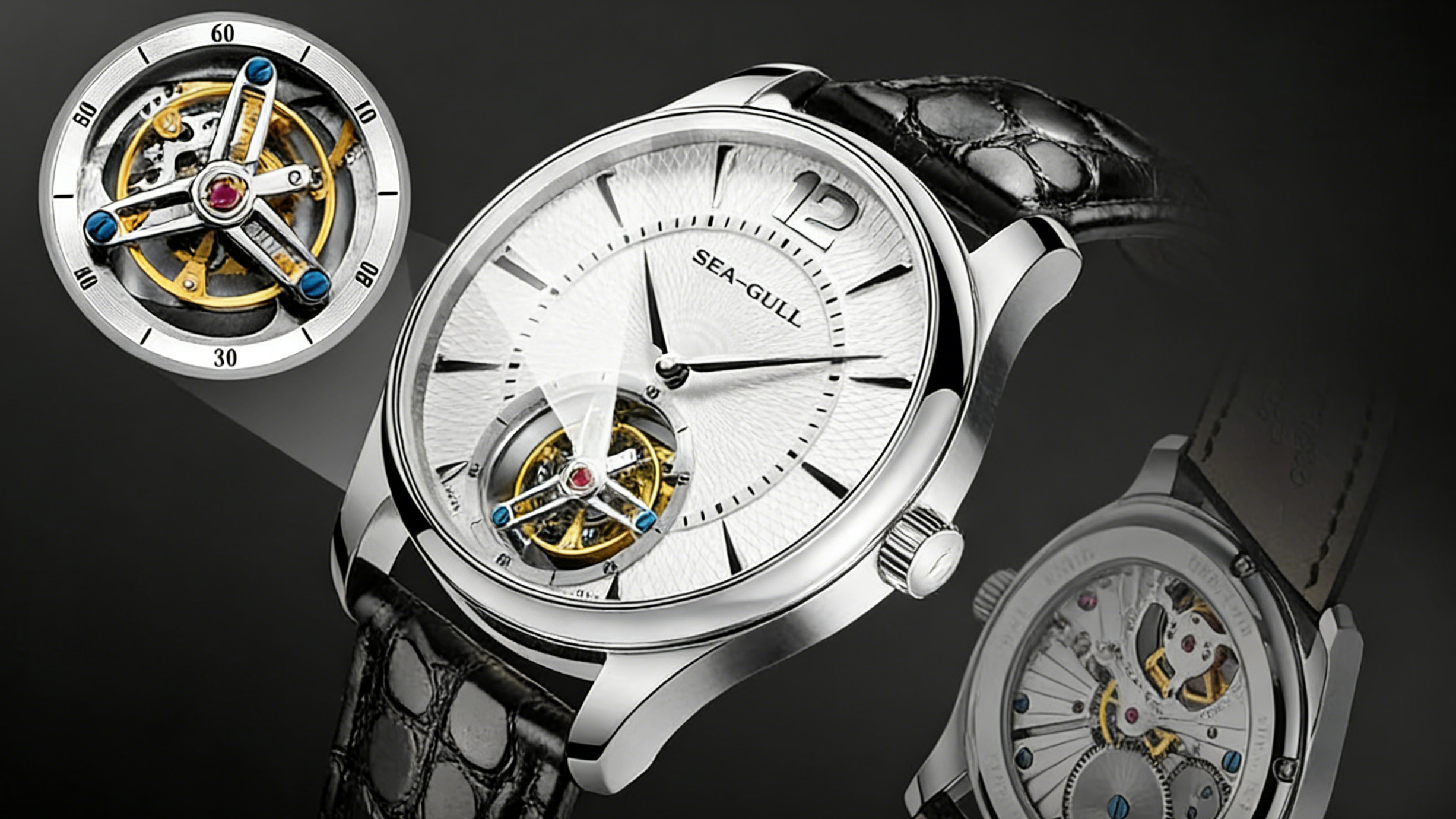
- ST8xx / STT tourbillon families: one-minute tourbillon calibers built to deliver a low cost-to-complication ratio relative to traditional luxury pricing.
For collectors, the practical takeaway is that Ocean Series sports watches are not "less serious" because they are simpler. They are simpler because the use case is different: water resistance, legibility, and stable timekeeping tend to matter more than decorative finishing.
Ocean Star-style divers: where the engineering effort goes
Most Ocean Star-style divers share a consistent engineering profile: 200 m water resistance, 316L stainless steel cases, sapphire crystals, and an ST2130 automatic. Within that, published specs often cluster into two familiar sizes:
- Vintage-leaning divers around 40 to 40.5 mm, often thicker (roughly the mid-14 mm range) to support gasket compression and a robust crystal seat.
- Larger tool divers around 44 mm, often slightly thinner (around the low-13 mm range), emphasizing wrist presence and a modern tool aesthetic.
From an engineering perspective, the case decisions are conservative and functional: screw-down crowns and casebacks, multiple gasket interfaces, and unidirectional bezels for timing. For collectors, that conservatism usually reads as "honest tool watch" construction: resources are allocated to sealing, lume, and movement reliability rather than to complex case geometry or artisanal exterior finishing.

A practical note on accuracy expectations
In many independent seagull watch reviews, ST2130-based sports models are commonly reported in a broad range around minus 15 to plus 15 seconds per day out of the box, with meaningful improvement possible after regulation. Manufacturing scale helps with parts availability; regulation consistency can still vary by unit, which is typical for industrial production at this price tier.
GMT automatic, but think "dual-time dive watch" in use
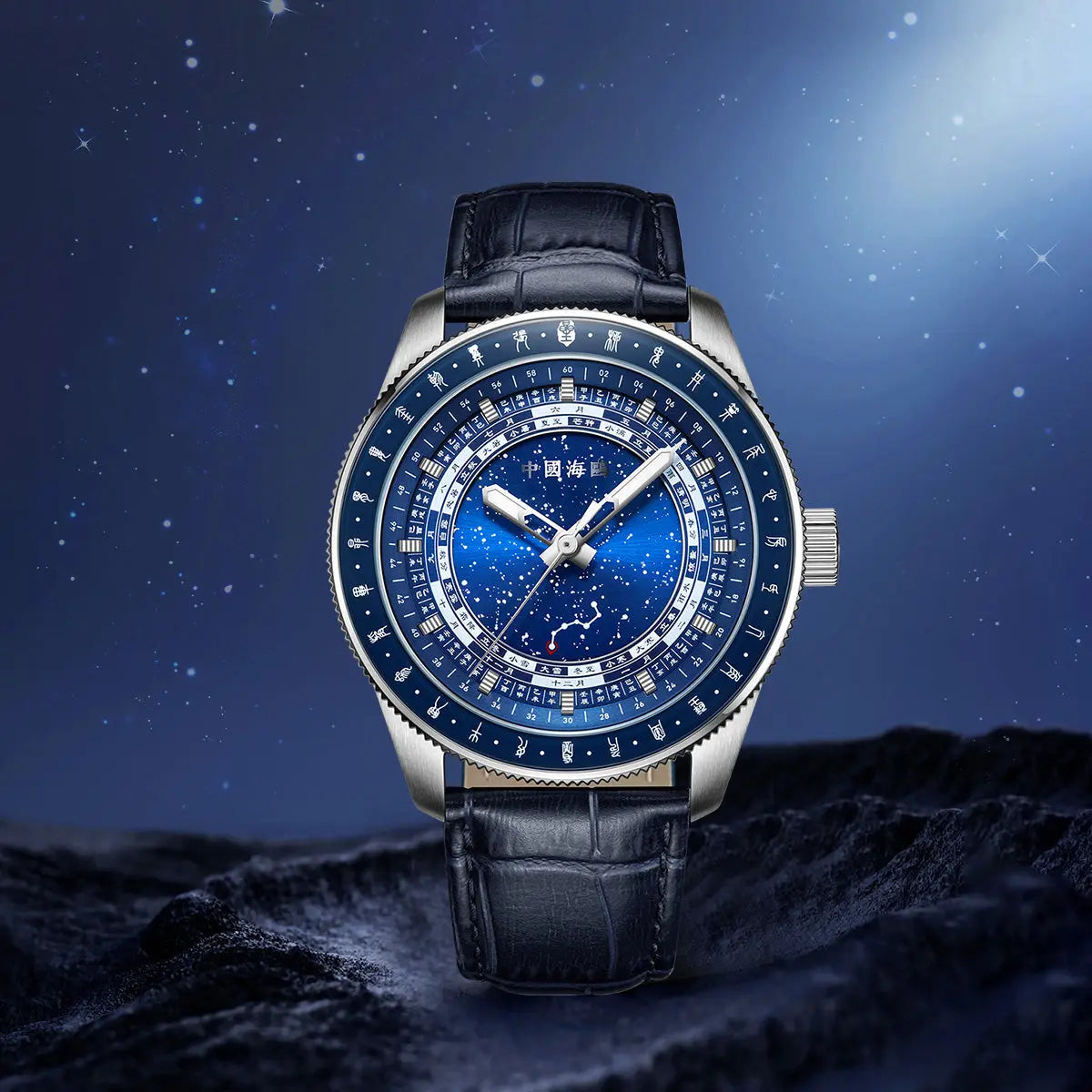
The clearest current example of a dual-time sports build is the Ocean Series line, which combines a 200 m case format with a second time zone indication.
- Product page: Ocean Series Sports Dual Time Zone 200M Automatic
From a technical standpoint, the key is to recognize the common GMT distinction:
- A traveler GMT typically allows an independently jumping local hour hand.
- A caller GMT / dual-time approach tracks a second zone via an additional indication and/or a rotating scale, while the main time is set conventionally.
The 6154 / 6155 implementation aligns more closely with the dual-time category. For many buyers, that is not a flaw; it is an engineering choice that keeps complexity, thickness, and service burden controlled while still solving the real-world problem of tracking "home vs. work" time zones.

Quick comparison table (engineering-led)
| Attribute | Ocean Series Vintage Diver (1064 / 1064A style) | Ocean Star-style Large Diver (44 mm variants) | Ocean Series Dual Time (6154 / 6155) |
|---|---|---|---|
| Core movement | ST2130 automatic | ST2130 automatic | ST2130 automatic (28 jewels listed) |
| Water resistance | 200 m | 200 m | 200 m |
| Crystal | Sapphire | Sapphire | Sapphire |
| Case size (typical) | ~40 to 40.5 mm | 44 mm | ~43.5 mm |
| Functional emphasis | Bezel timing, legibility | Tool presence, bezel timing | Second time zone + dive-ready sealing |
| Collector perception | Daily-wear diver with vintage cues (including blue face variants on some editions) | Modern tool diver profile | Travel-capable sports watch without "true GMT" architecture |
Ownership realities: distribution, shipping, returns, and service
Because distribution is multi-channel, authenticity and after-sales support are not abstract concerns. From a buyer's standpoint, it is rational to prioritize first-tier distributors and authorized dealers that document sourcing and provide clear policies.
On the distributor website, these references are worth reading before purchase:
Several practical points follow from the policy patterns described in the research:
- Customs and taxes: in many regions, buyers are responsible for duties and import taxes, while some destinations may see VAT or import fees reflected in pricing on specific listings. The only reliable approach is to confirm before checkout and keep documentation for carrier requests.
- Returns: a 14-day window is common in this category, typically conditioned on the watch being essentially new with complete packaging. Change-of-mind returns may involve processing or restocking costs.
- Maintenance: for regular wear, an ST2130-based dive or dual-time watch is often serviced about every 4 to 7 years, with pressure testing and gasket checks every 1 to 2 years if it sees frequent swimming or diving.

How the Ocean Series fits a serious collection
From a manufacturing standpoint, the Ocean Series is a straightforward expression of what large-scale movement production does well: stable, serviceable calibers in cases engineered for daily impact, water resistance, and legibility. For collectors, the value is often interpretive rather than emotional: an Ocean Star-style diver or dual-time model can be the "use it without hesitation" counterpart to a Seagull 1963 chronograph or a tourbillon piece that is worn more selectively.

For a comprehensive view of Seagull's engineering choices and to find a watch that suits your long-term ownership needs, explore our entire collection at the Product Page and utilize the distributor website's FAQ for shipping, returns, and support information.

Hinterlasse einen Kommentar
Diese Website ist durch hCaptcha geschützt und es gelten die allgemeinen Geschäftsbedingungen und Datenschutzbestimmungen von hCaptcha.