

Tianjin Watch Factory: Legacy & Craftsmanship
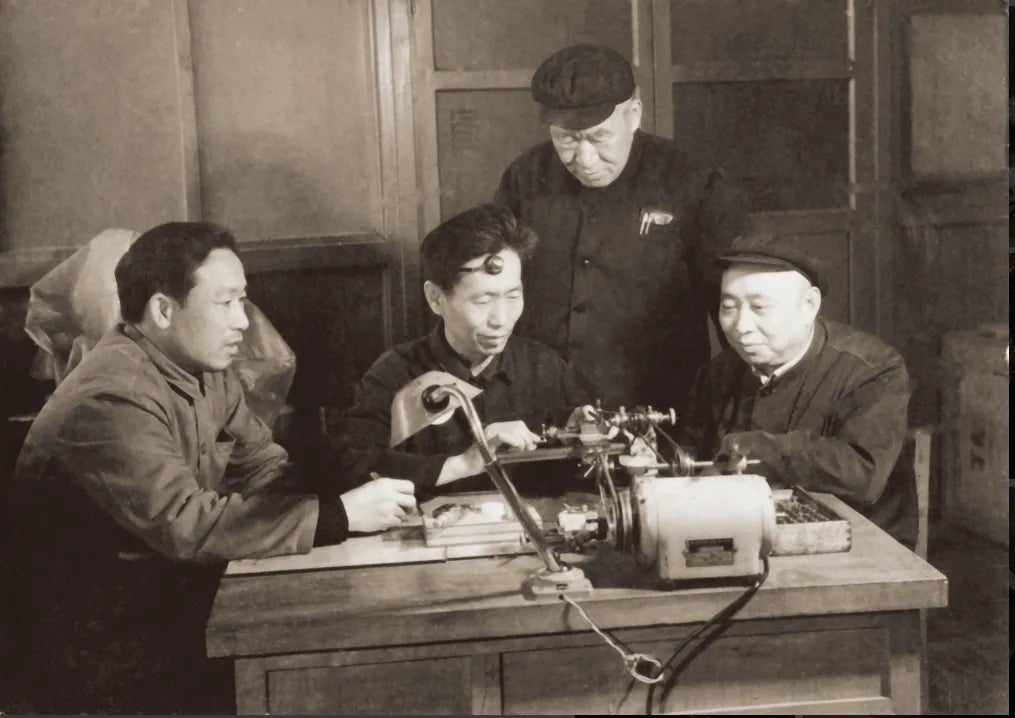
Tianjin Watch Factory anchors Sea-Gull watchmaking history in a concrete industrial legacy that began in 1955, when Chinese watchmaking moved from repair capability toward domestic manufacture. That shift matters because it explains why Sea-Gull horology is best understood not only through finished watches, but through the long development of the Chinese mechanical watch movement, factory learning, and the steady refinement of mechanical calibers over decades.

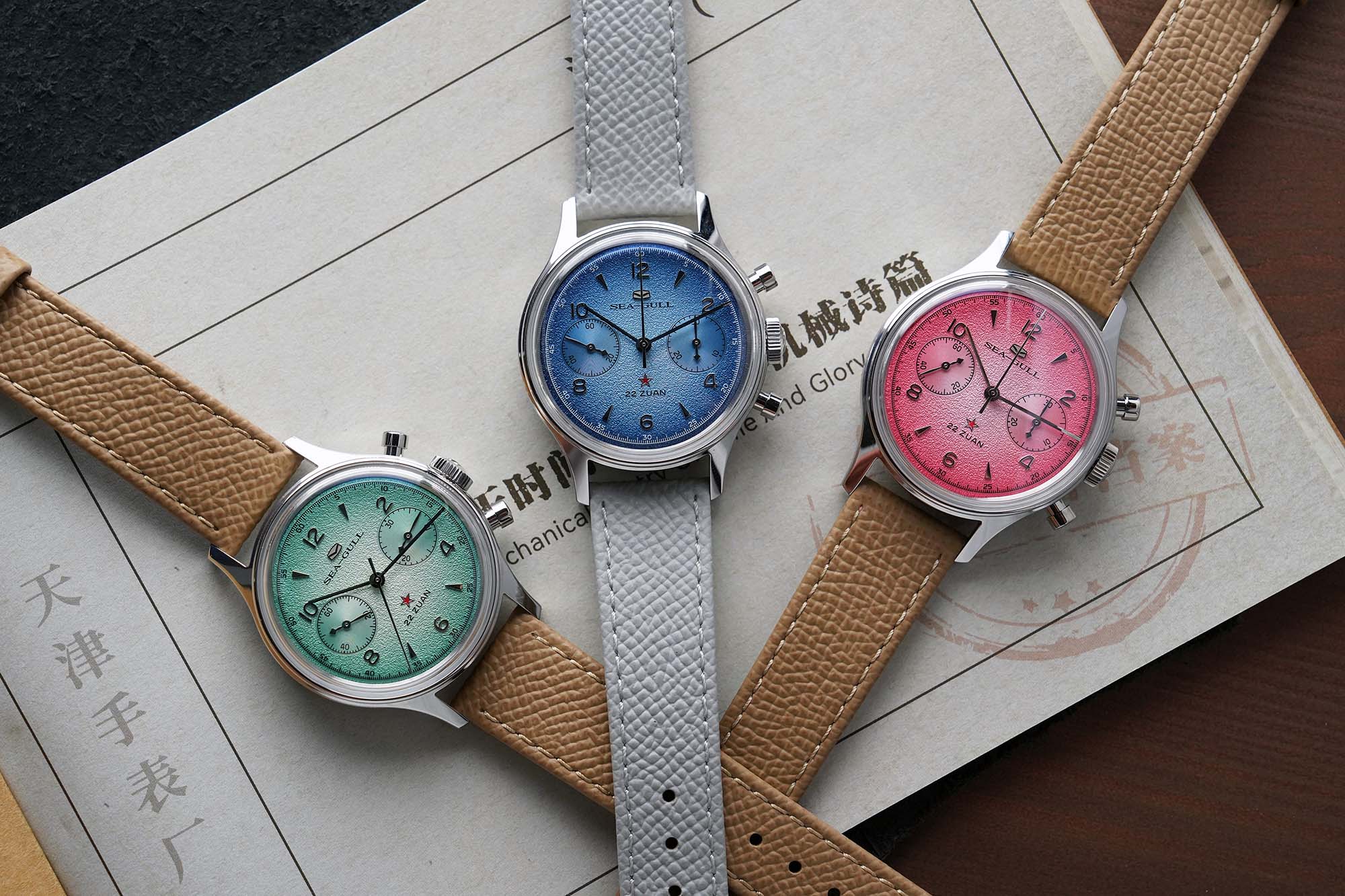
The story begins in Tianjin, where the factory that later shaped modern Sea-Gull identity produced the Five Star watch, widely recognized as the first Chinese wristwatch. In historical terms, that moment did not simply introduce a new product. It marked a transition in the origins of modern Chinese horology, establishing a local foundation for movement production, casemaking, assembly, and the broader discipline of watch manufacture. Readers who want a concise brand background can compare this article with Sea-Gull's own account on Our Story.
How Sea-Gull watchmaking history began at Tianjin Watch Factory
Sea-Gull watchmaking history starts with Tianjin Watch Factory's founding in 1955 and the emergence of the Five Star as a national manufacturing milestone. In the early years, the factory represented a practical answer to a larger industrial problem: China needed to make watches, not only service imported ones.
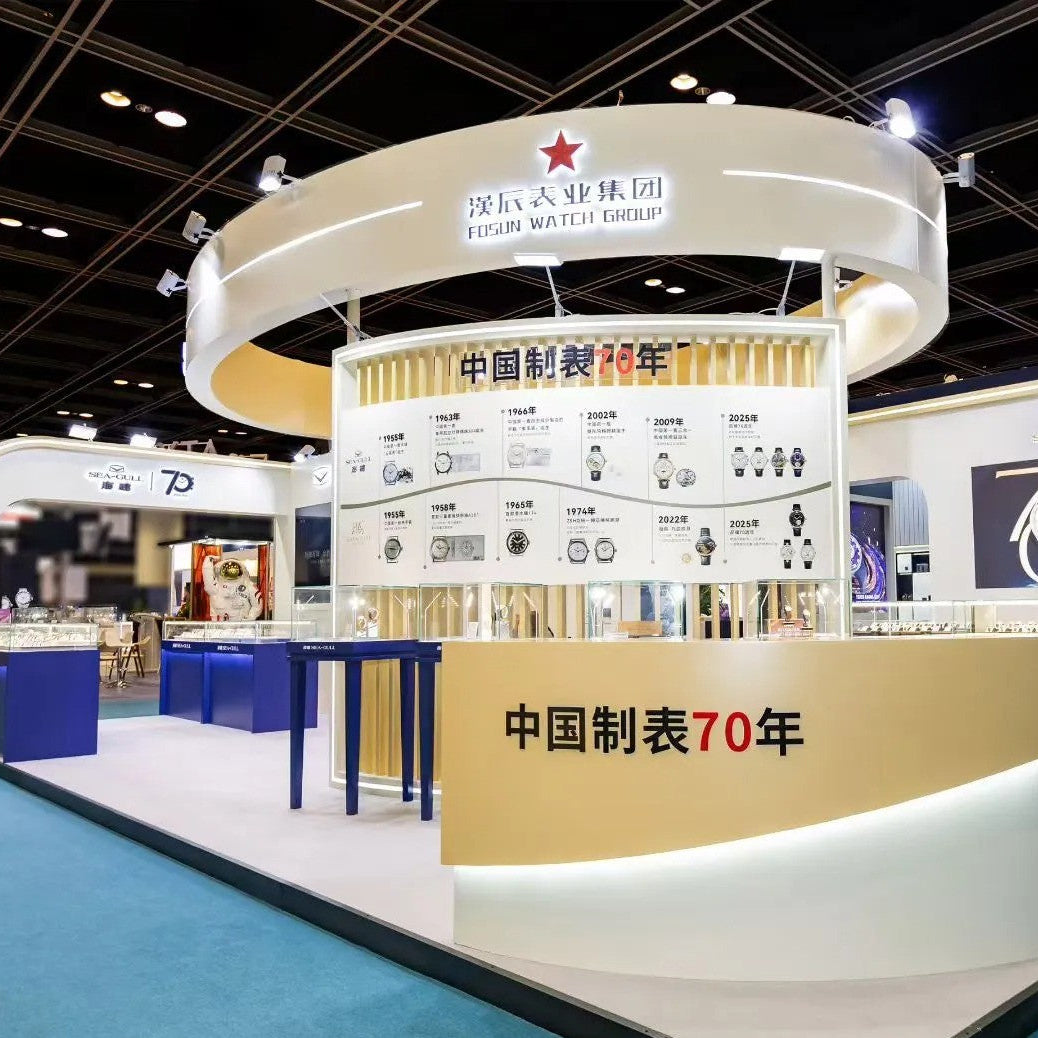
That first phase was defined by experimentation, hand-built know-how, and the gradual conversion of workshop skill into repeatable production. Over time, the factory's historical arc came to include milestone names such as Five Star, Wu Yi, the first aviation watch, and Dong Feng. These are not just nostalgic references. They show how Tianjin watch factory history developed through successive stages of industrial maturity.
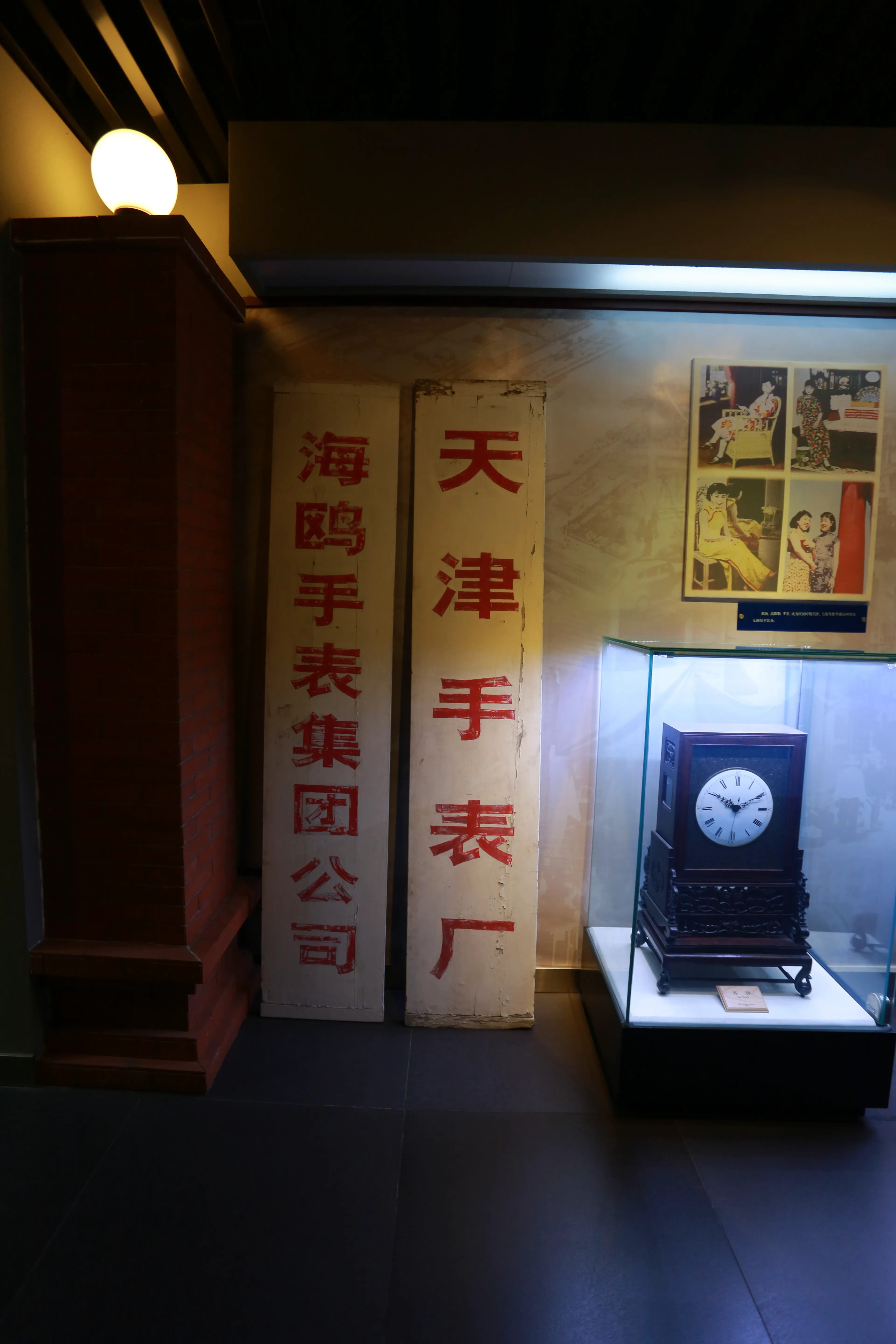
By the time later branding evolved, the historical foundation was already in place. What makes this legacy durable is that the factory's story remained tied to movement development rather than image alone. That continuity is one reason Sea-Gull movement history still attracts collectors looking for a heritage watch brand China can describe through actual manufacturing milestones.
Why Sea-Gull watchmaking history matters in Chinese mechanical watch movement development
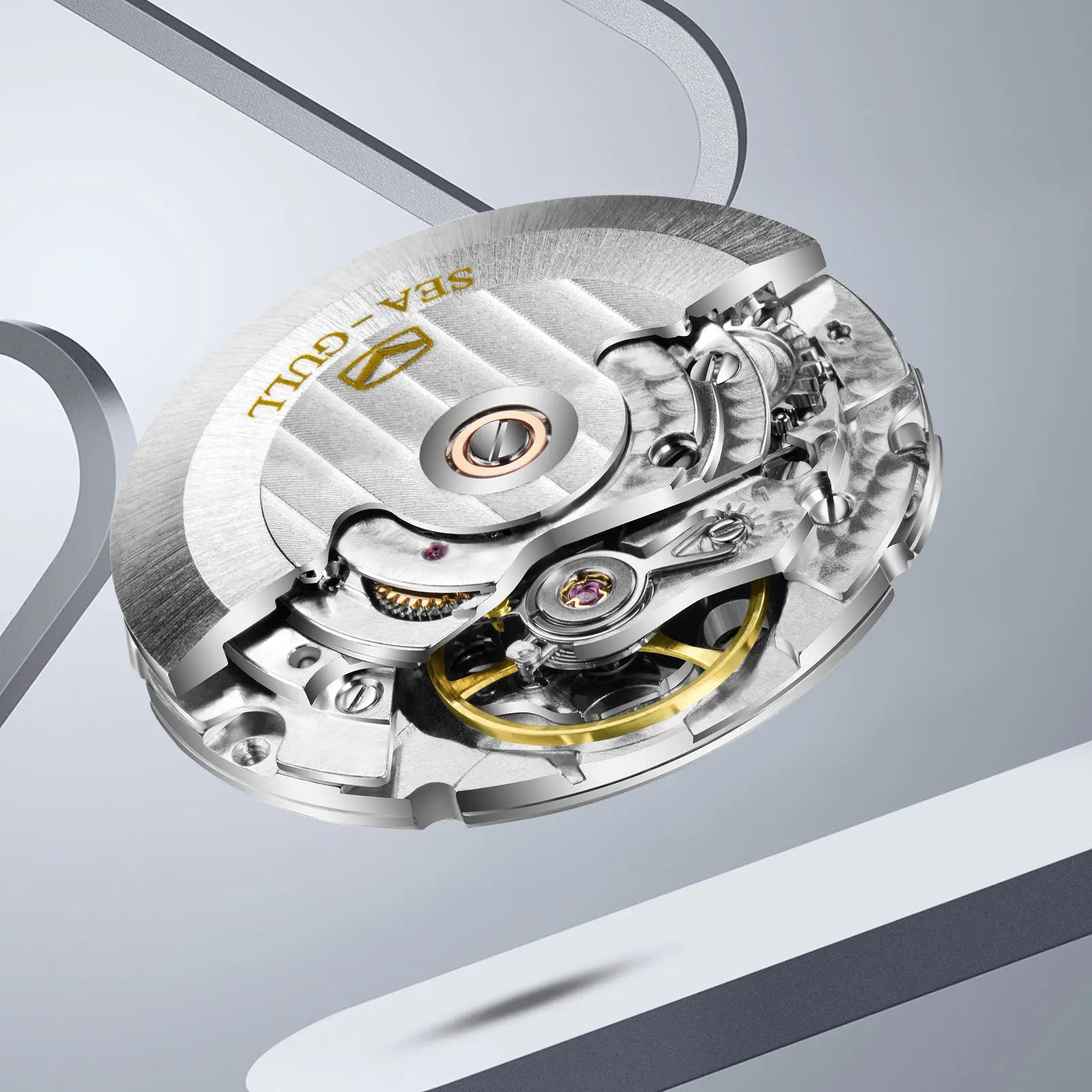
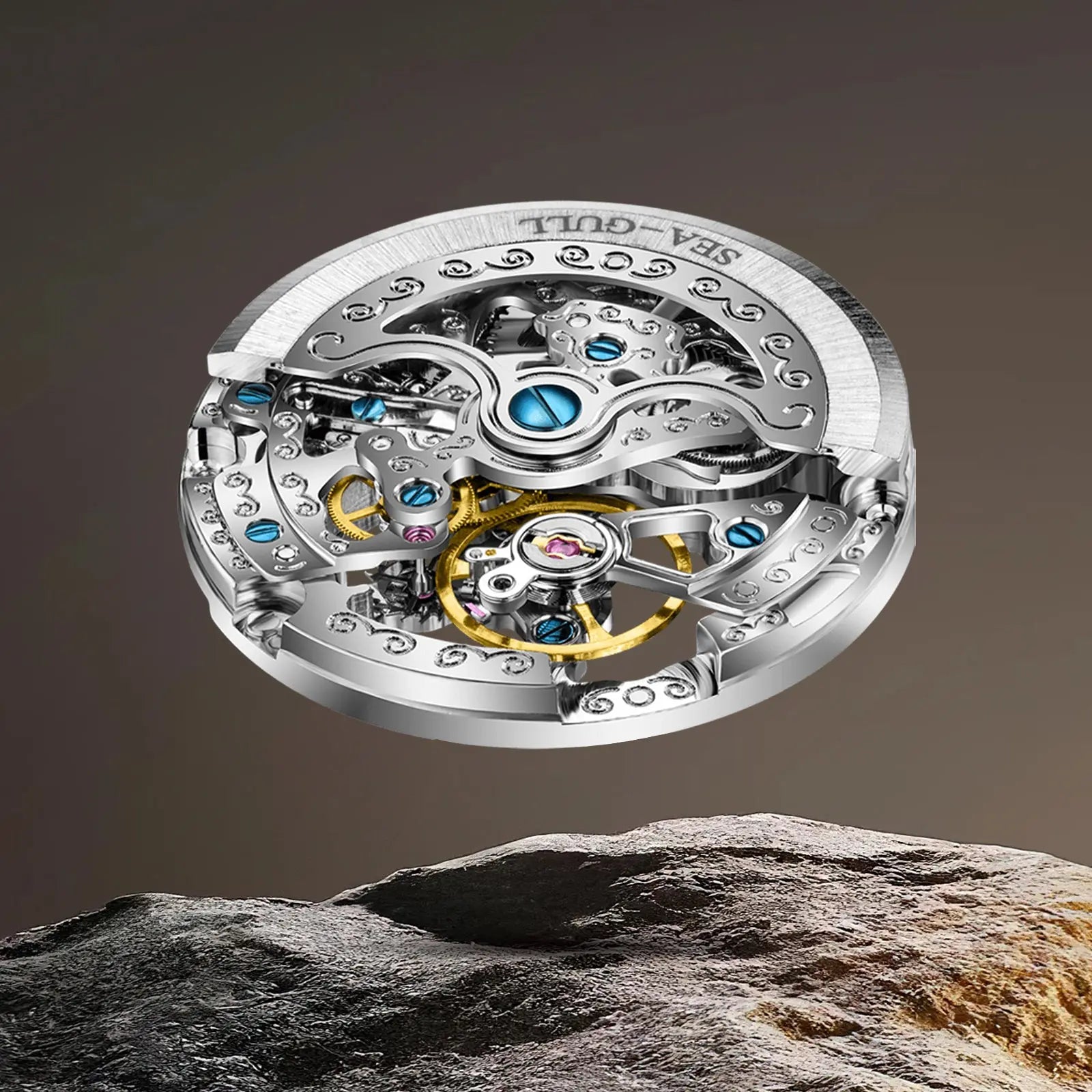
The strongest reading of Sea-Gull watchmaking history is technical rather than promotional. The factory's early work helped build domestic capability, and over decades that capability expanded into a broader mechanical caliber development story involving manual-wind, automatic, chronograph, and high-complication movements.
In practical terms, this means Sea-Gull horology followed a layered path:
| Period | Development focus | Historical meaning |
|---|---|---|
| Early years | Basic domestic wristwatch manufacture | Foundation of local production |
| Industrial expansion | Standardization and mechanized output | Growth beyond workshop scale |
| Mid-century evolution | Aviation chronograph work | Entry into Chinese chronograph movement history |
| Later decades | Automatic and specialized calibers | Broader in-house mechanical movement capability |
| Modern period | Tourbillon and advanced complications | Mature movement manufacturing expertise |
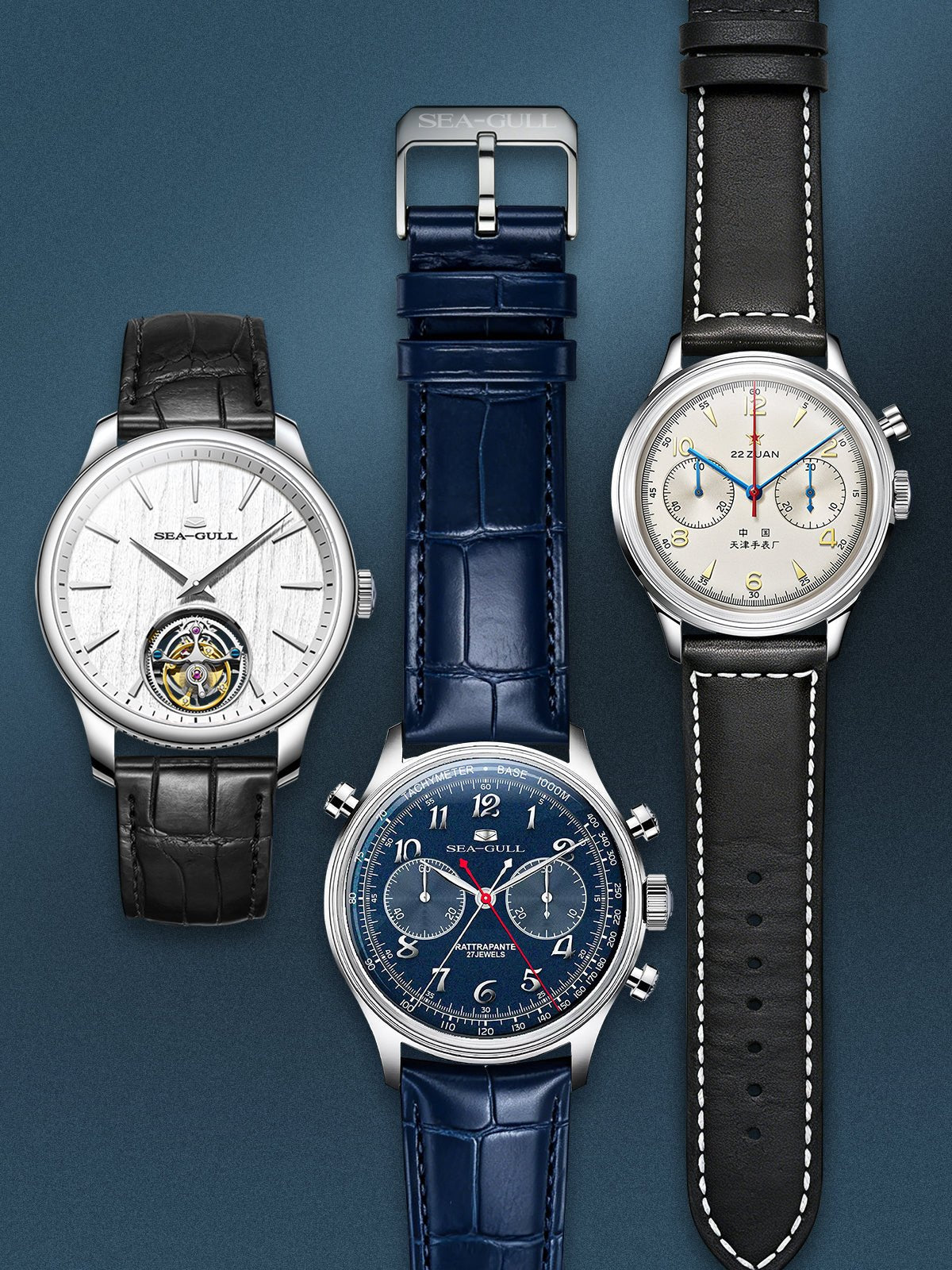
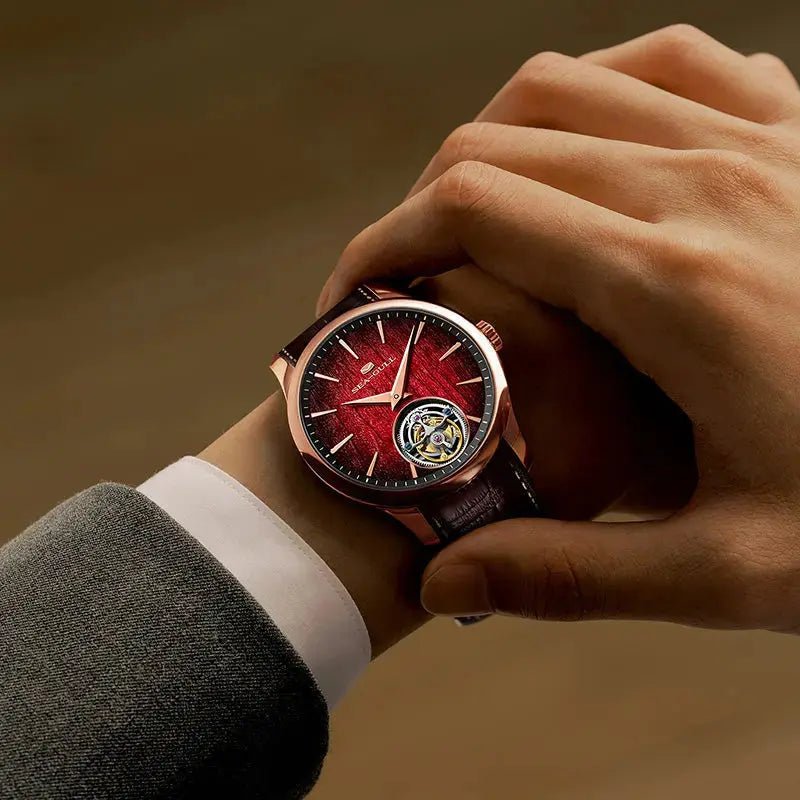
This progression helps explain the history of Sea-Gull mechanical movements in a way enthusiasts can actually use. Rather than treating every caliber as an isolated reference number, it shows how the factory developed competence step by step. The same logic continues into current categories, from the Sea-Gull 1963 to broader Sea-Gull watches and advanced complication pieces such as the Sea-Gull Tourbillon Watch.
The company's modern movement pages also reinforce this broader arc. Specialized examples such as the Ultra-complicated Movement ST8520 show how far the factory moved from foundational wristwatch production into advanced mechanical engineering.
How Sea-Gull watchmaking history shaped the Chinese chronograph movement lineage
One of the most important chapters in Sea-Gull watchmaking history is the chronograph story. In broad outline, the historical record points to a 1960s aviation chronograph development program associated with Project 304. That program matters because it connects Tianjin's industrial base to the evolution of Chinese chronograph movement design.
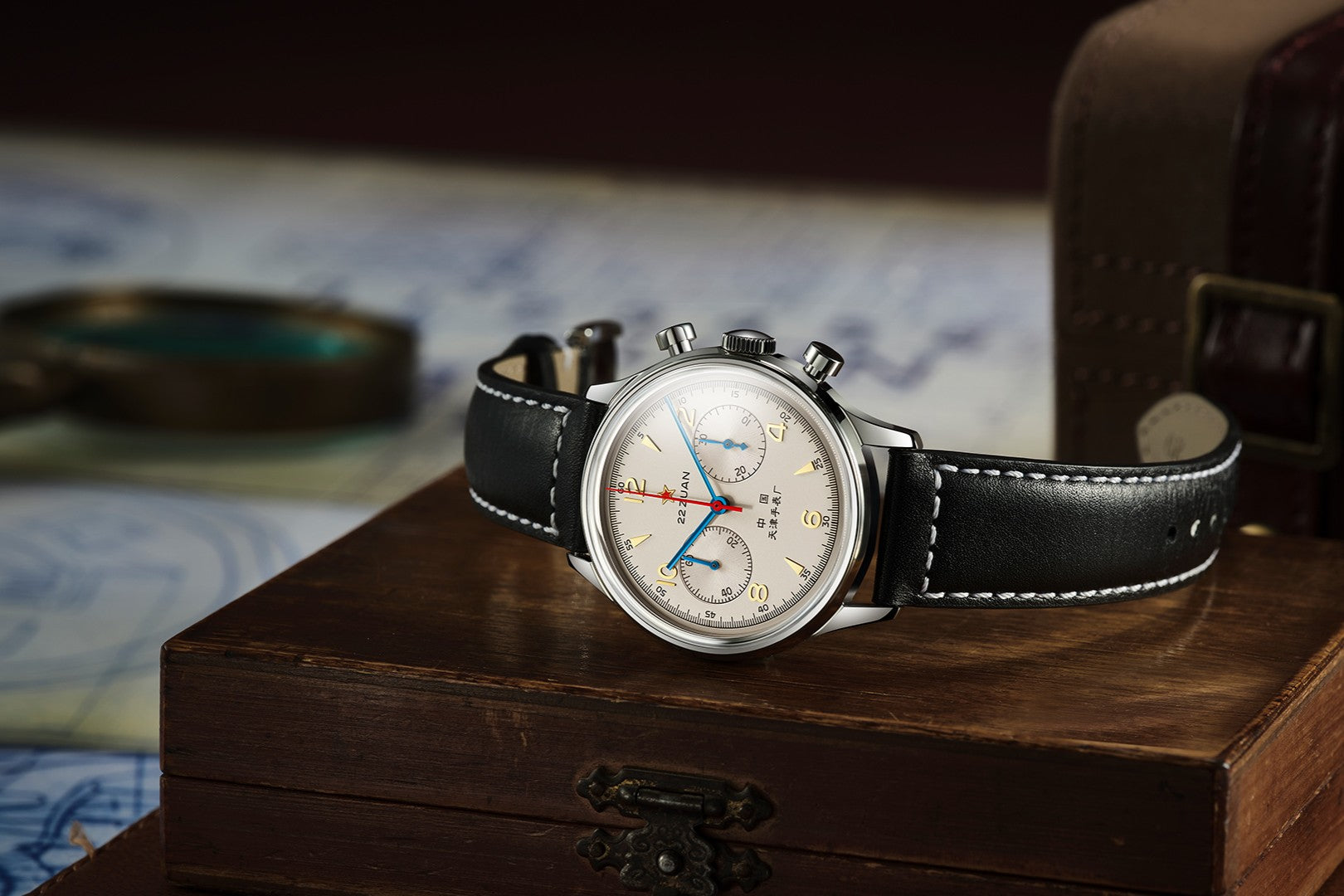
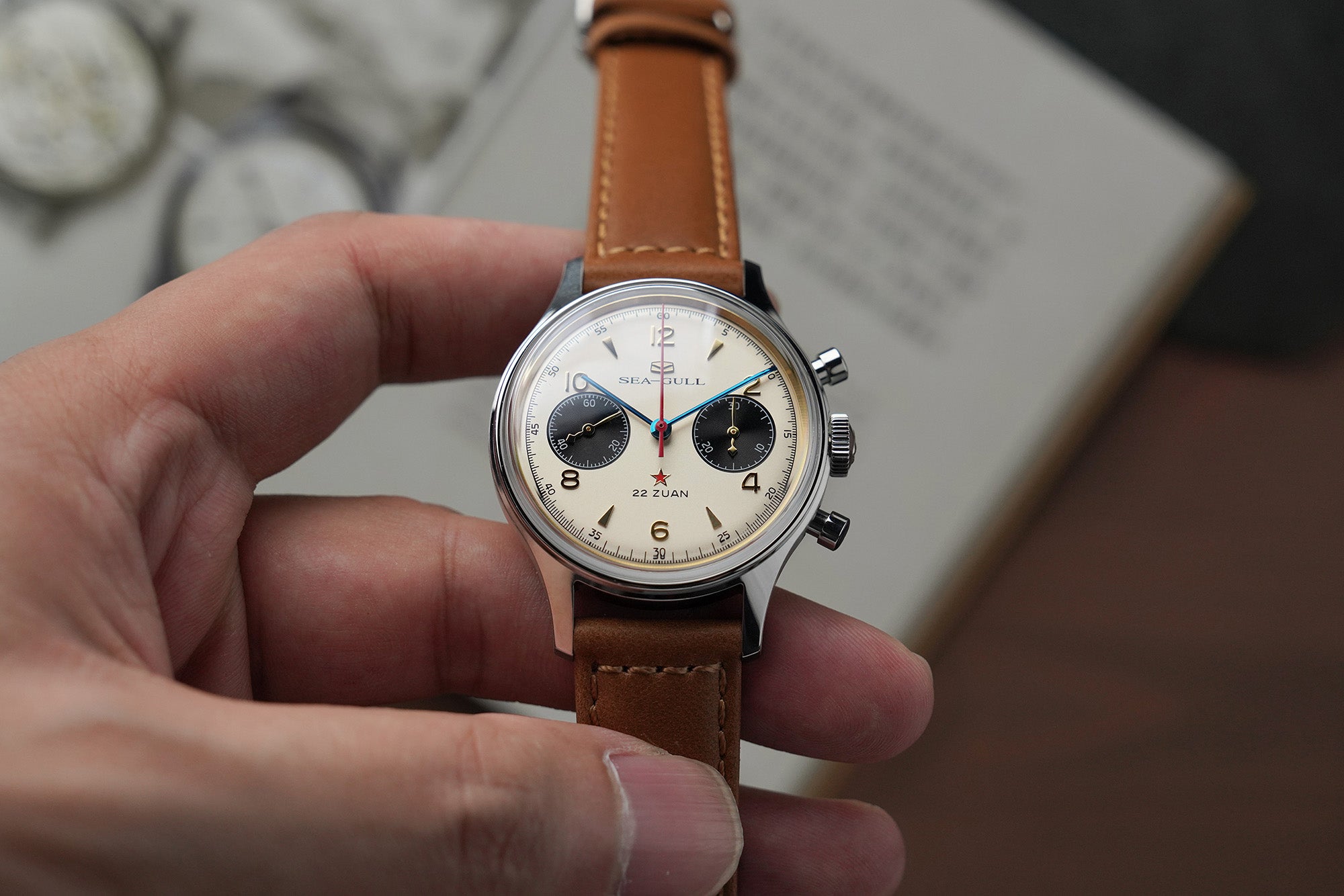
The later ST19 family is central here. In collector terms, the Sea-Gull ST19 chronograph history is compelling because it is not just about a modern movement in current watches. It is about continuity. The ST19 is widely described as a later development rooted in the earlier ST3 lineage, itself tied to the aviation chronograph program.
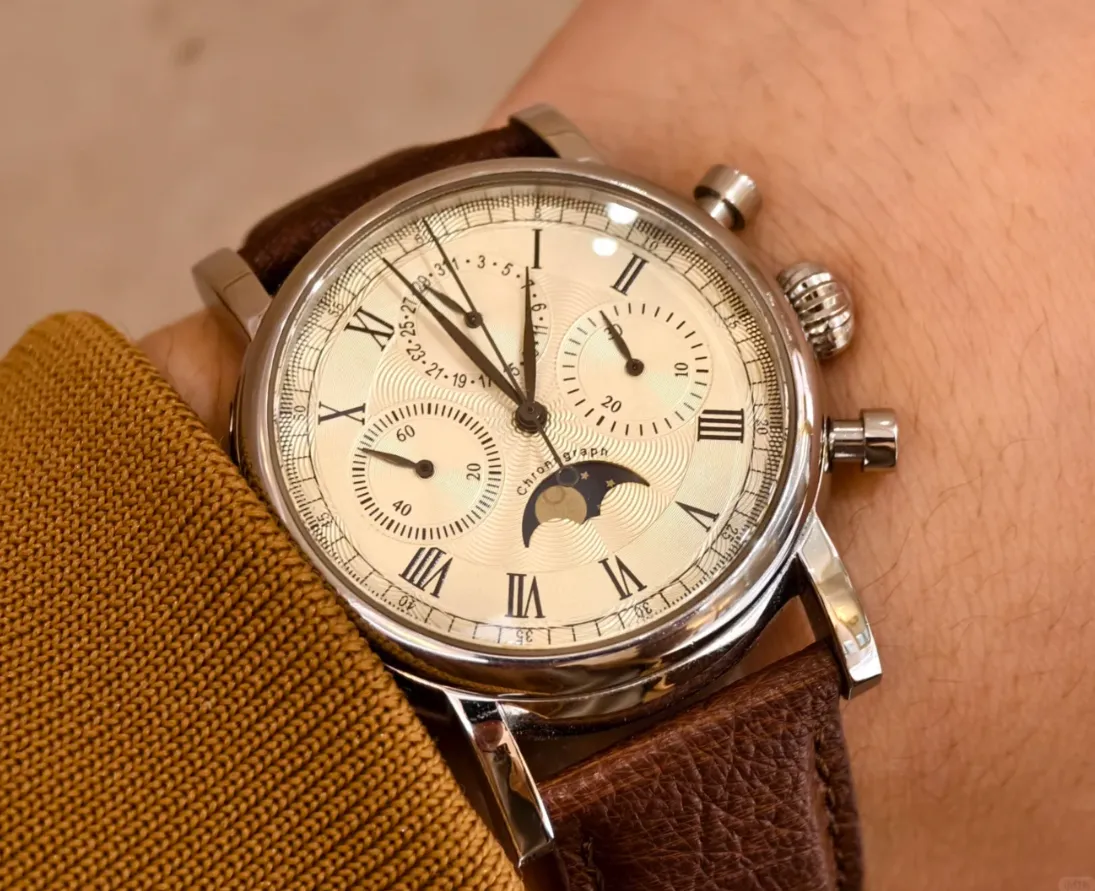
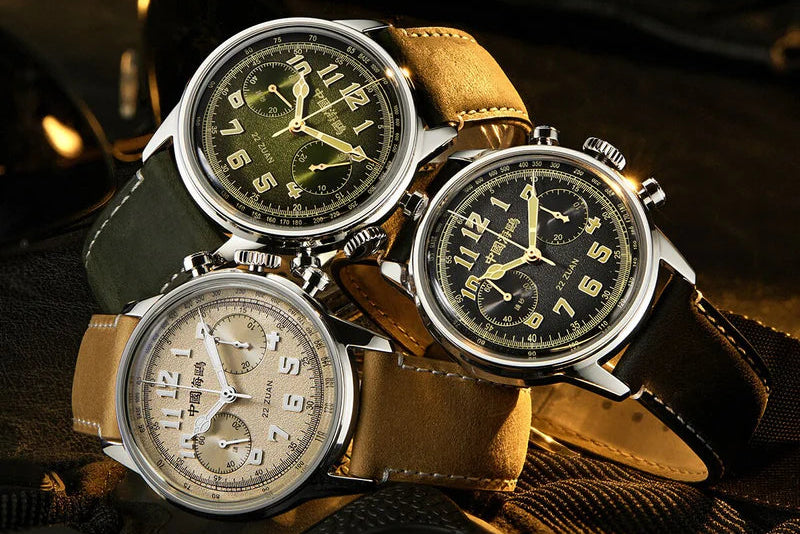
That makes the ST19 especially useful for understanding the evolution of Chinese chronograph calibers. It links historical tooling, technical adaptation, and later refinement into one readable lineage. For many enthusiasts in North America and Europe, this is the clearest bridge between heritage and the present catalog, especially in the Seagull 1963 and other chronograph mechanical watches.
A simplified lineage looks like this:

What gives this chapter lasting relevance is not just collectibility. It is the way the chronograph became a proof point for Sea-Gull precision movement development: a factory originally associated with early domestic wristwatch manufacturing later sustained one of the most recognizable mechanical chronograph lines in Chinese watchmaking.
How Sea-Gull watchmaking history became a story of movement manufacturing expertise
The craftsmanship side of Sea-Gull watchmaking history is best understood as manufacturing discipline. That includes design, component processing, assembly, regulation, and testing, followed by repeated iteration over decades. This is where traditional watchmaking craftsmanship and industrial scale meet.
Approved company background supports a long commitment to independent innovation and to the development of high-quality movements and original Chinese mechanical watches. It also supports later expansion into complicated mechanical watchmaking, including tourbillon, minute repeater, and perpetual calendar work. That progression gives shape to the question many readers ask: how Sea-Gull manufactures watch movements.
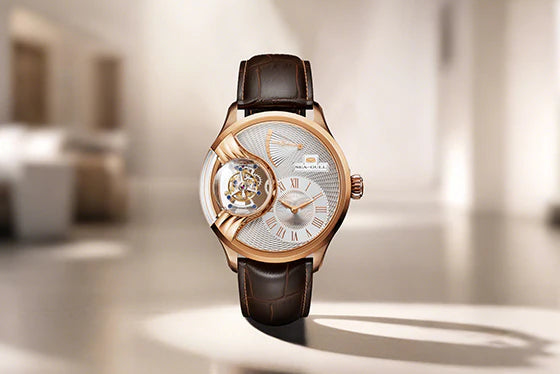
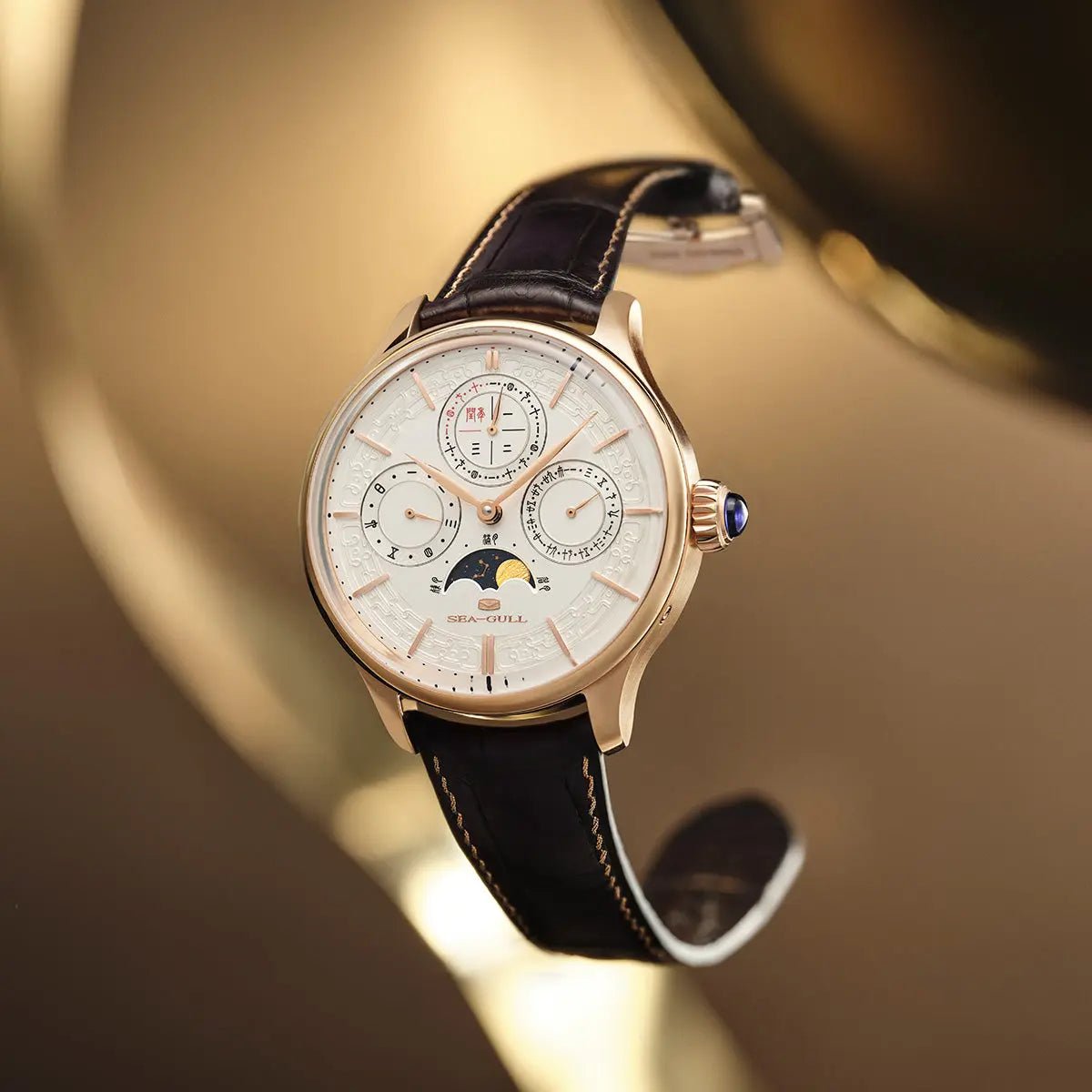
The modern expression of that expertise is visible in today's catalog. A heritage-minded reader may gravitate toward the Seagull 1963, while someone interested in the outer edge of in-house mechanical movement development may prefer the Sea-Gull Tourbillon Watch or movement pages such as Ultra-complicated Movement ST8080 and Ultra-complicated Movement ST8160.
For readers concerned with authenticity, purchase channels matter as much as movement history. When exploring heritage models, it is sensible to buy through authorized dealers, first-tier distributors, or trusted distributor websites, and to review guidance such as Is Your Sea-Gull 1963 Real?. After purchase, users may also follow the brand's post-purchase verification and warranty registration process described in official customer materials.
Why Sea-Gull watchmaking history still defines modern Sea-Gull horology
Today, Sea-Gull watchmaking history still matters because the historical milestones are reflected in real product categories rather than abstract heritage language. The Five Star establishes the origin point. The aviation chronograph lineage explains the continued relevance of the ST19. Later complication development shows how movement expertise extended beyond basic utility calibers.
For a collector, this continuity makes modern Sea-Gull horology easier to read. A heritage mechanical watch carries the memory of early industrial development. A chronograph carries the aviation lineage forward. A tourbillon reflects the later stage of movement manufacturing expertise. Together, they show the long path from Tianjin watch factory history to modern mechanical watchmaking.
That is why the legacy of Tianjin Watch Factory remains more than a historical footnote. It is the framework behind the history of Sea-Gull mechanical movements, the rise of the Chinese mechanical watch movement, and the enduring appeal of a brand whose past can still be traced through its calibers.