



Sea-Gull Horology: Precision Movement History
Origins of the Chinese mechanical watch movement (1950s to 1970s)
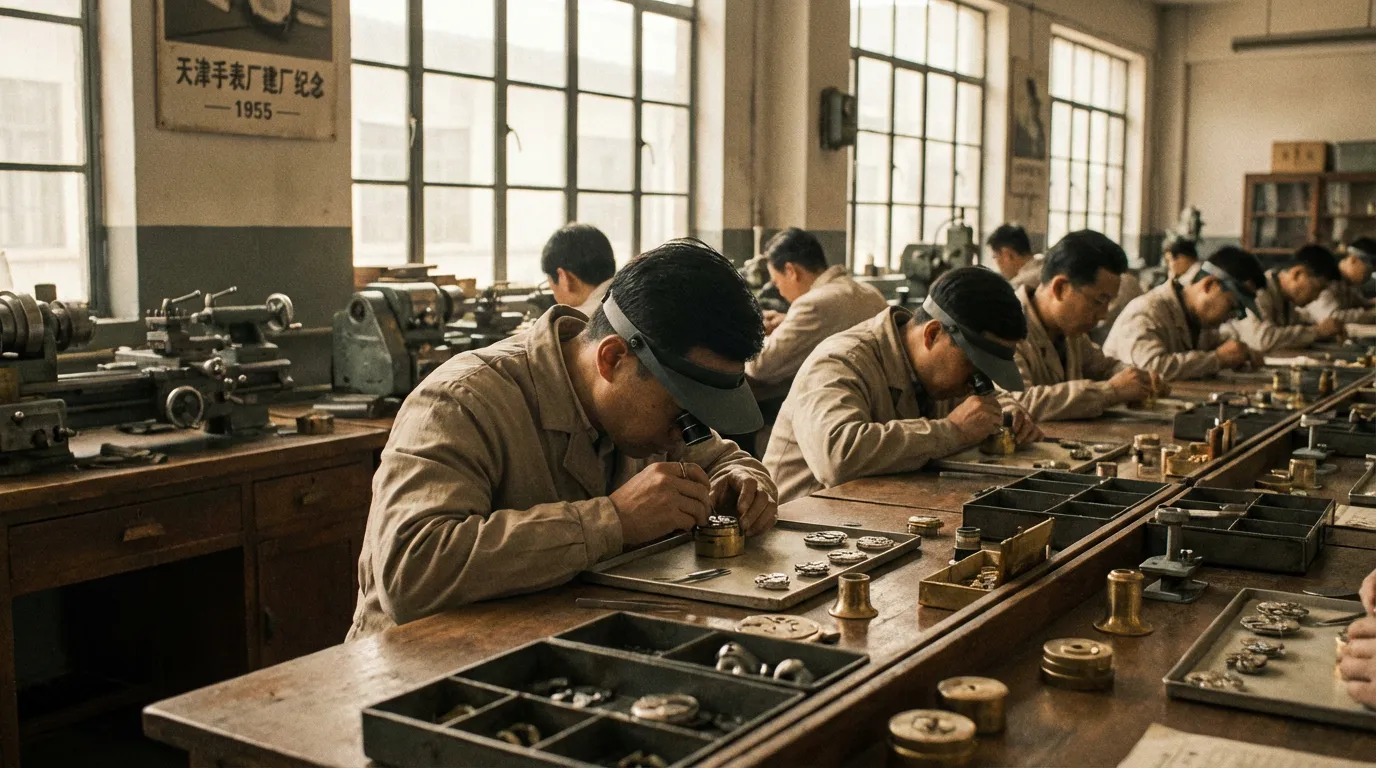
Modern Chinese mechanical watchmaking began as a national shift from repair-only workshops to full domestic manufacture. In the mid-1950s, multiple city-based factories were established, and the Tianjin Watch Factory (founded in 1955) became one of the key industrial nodes in this transition. Broader historical timelines of this period are summarized in resources such as the Chinese watch timeline and independent overviews like East Watch Review's history of Chinese watchmaking.
Two developments from this era matter to collectors studying movement lineage:
- Early hand-wound production: simple, robust calibers built to create manufacturing discipline (tooling, tolerances, escapement consistency).
- Standardization (1970s): the Chinese Standard Movement (often called Tongji or SZ-1) created a shared industrial architecture across factories, optimizing interchangeability, training, and serviceability. A concise technical summary is available on Wikipedia's entry on the Chinese Standard Movement.
This early emphasis on scalable manufacturing, regulation practices, and maintenance simplicity laid the groundwork for later in-house mechanical movement programs and for the eventual evolution of Chinese chronograph calibers.
Tianjin watch factory history: from ST5 independence to a broader caliber portfolio
By the mid-1960s, Tianjin engineers moved from adaptation toward independent mechanical caliber development. The Dongfeng project and its ST5 movement are frequently cited as a turning point in the origins of modern Chinese horology: a domestically designed wristwatch movement with lever escapement architecture and the kind of engineering completeness required for long-term iteration.
Over subsequent decades, the factory's mechanical focus expanded into multiple families that now cover most enthusiast use cases: time-only daily wear, travel-oriented GMT, dive-oriented automatics, and hand-wound chronographs. For readers who want additional context on how Chinese watchmaking matured across cities and factories, a useful complementary narrative is Two Broke Watch Snobs on early Chinese watch industry development.
A practical way to understand the portfolio is to track what each family was built to solve:
| Movement family | Winding / type | Typical beat rate | Typical power reserve | What it is commonly built for |
|---|---|---|---|---|
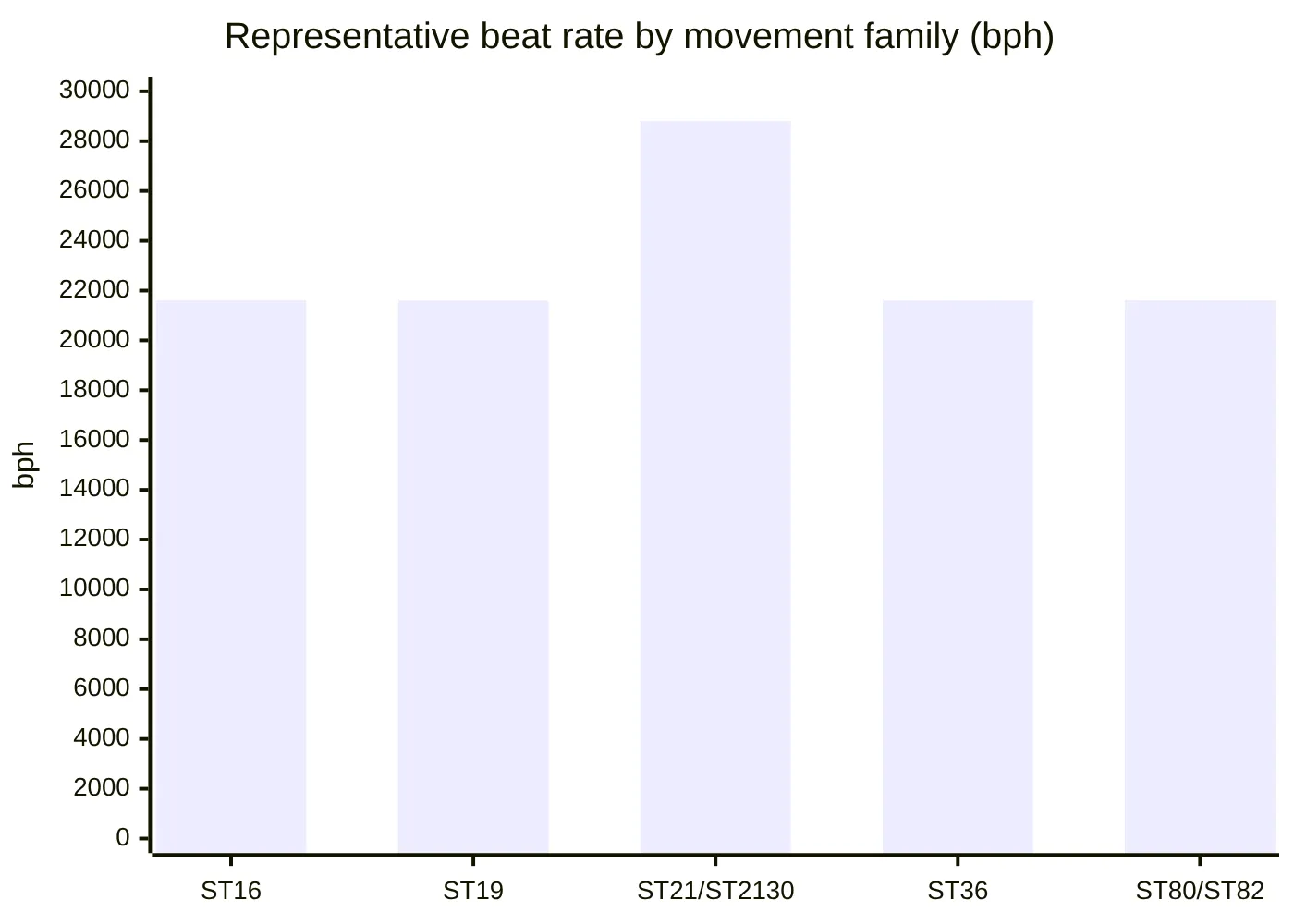
| ST16 | Automatic, 3-hand + date | 21,600 bph | ~40 hours | Everyday automatics; robust, service-forward design |
| ST21 / ST2130 | Automatic, higher-beat | 28,800 bph | ~39 to 40 hours | Higher-frequency daily wear; often used as a base for GMT variants |
| ST36 | Hand-wound, large format | 21,600 bph | ~45 hours | Large-dial heritage builds and some dive-oriented cases |
| ST80 / ST82 (tourbillon families) | Hand-wound or automatic complication | 21,600 bph | ~40 to 45 hours | Tourbillon and high-complication projects |
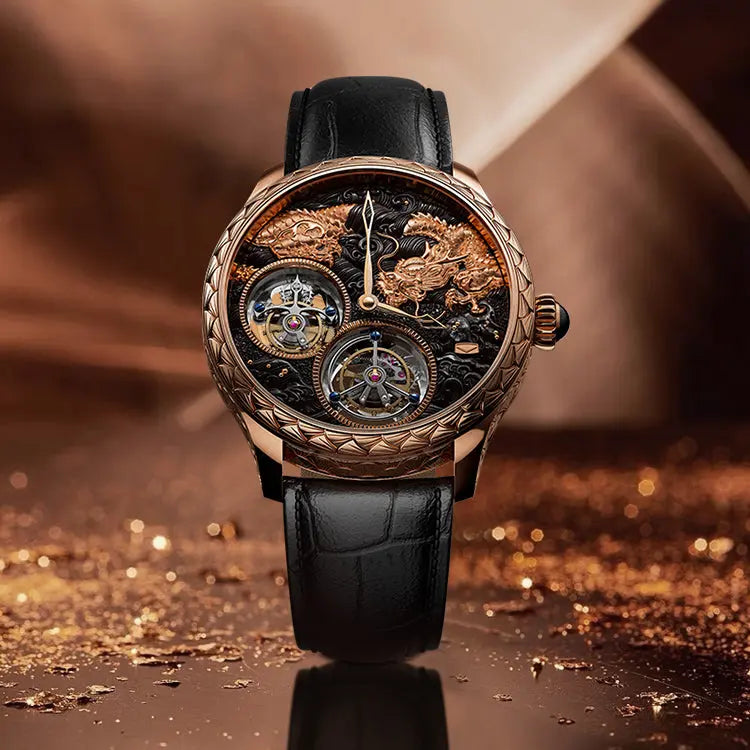
High-complication work in China, including tourbillon development across multiple makers, is discussed in detail in Revolution's overview of independent watchmaking in China.
The Sea-Gull ST19 movement: a Chinese chronograph movement with Venus-era architecture
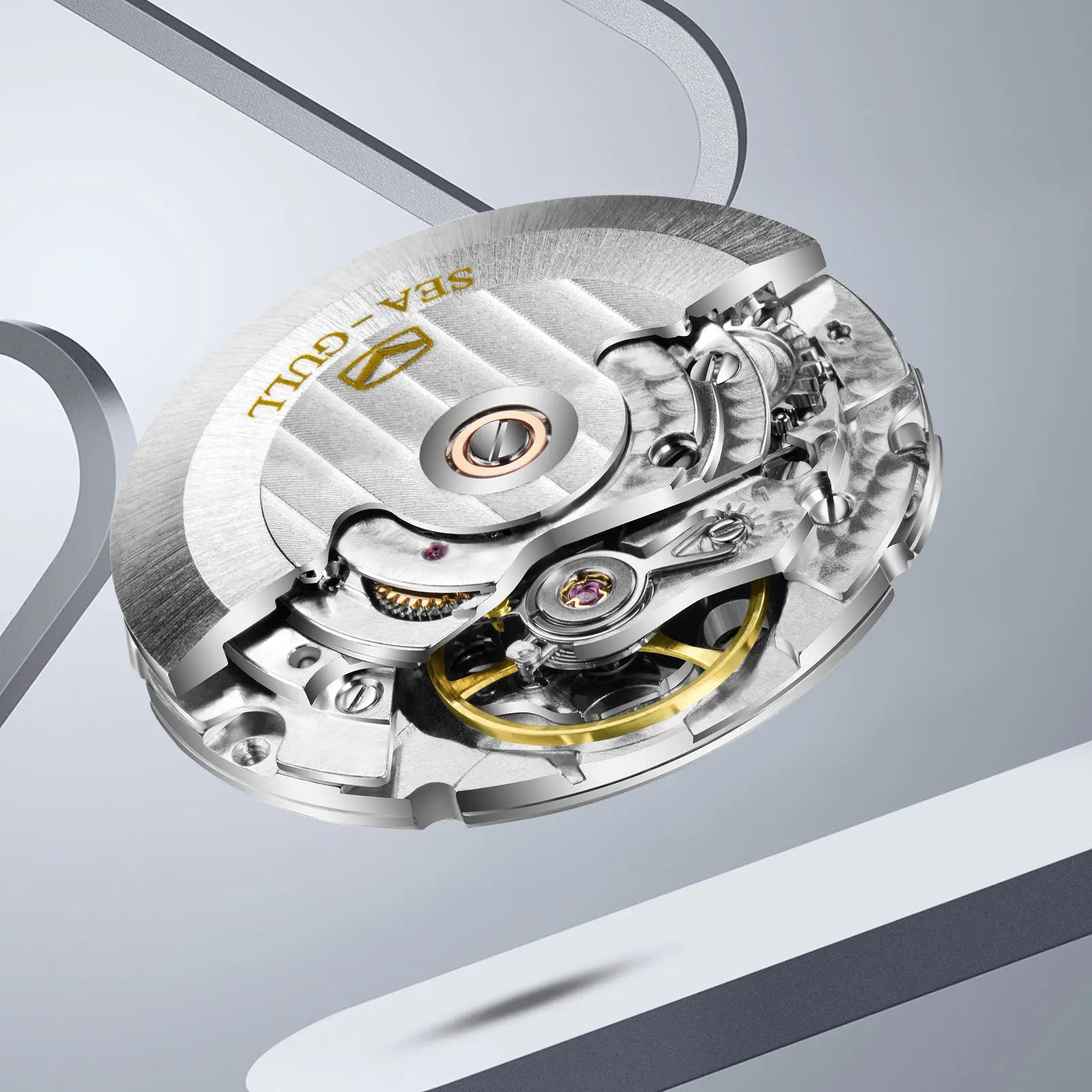
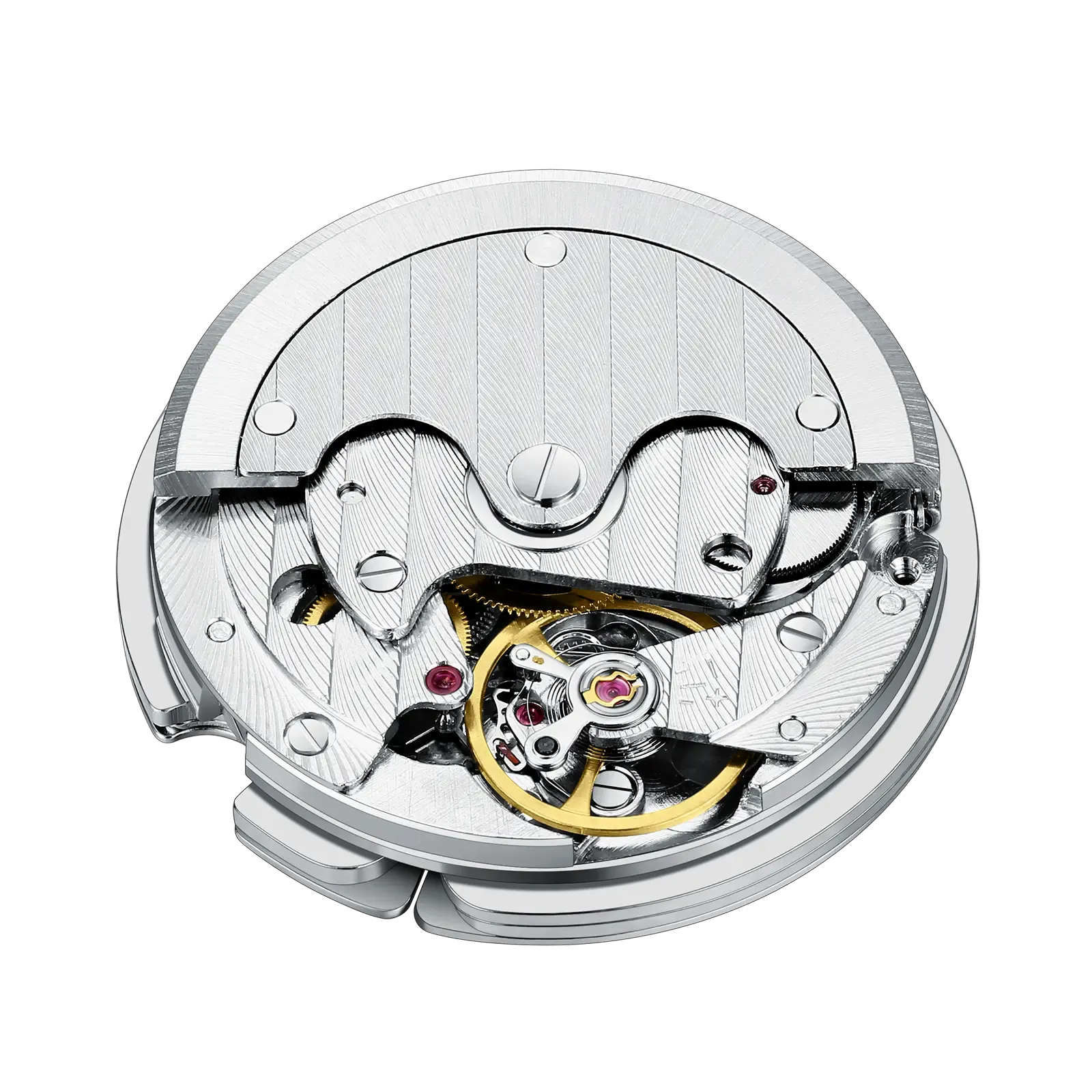
Within any discussion of Chinese mechanical watch movement evolution, the ST19 family sits in a distinct category because it is a hand-wound, column-wheel chronograph built for modern production while preserving a classic layout philosophy.
Lineage: Venus 175 to modern industrialization
The ST19 chronograph lineage traces back to the Venus 175 era, when chronograph tooling and designs were acquired and adapted for a pilot chronograph program in the 1960s. Decades later, the modern ST19 family emerged as a re-engineered, scalable chronograph program that brought this architecture into broad civilian and export circulation.
Core architecture (what a watchmaker evaluates)
Across common variants, collectors generally focus on these structural elements:
- Chronograph control: column wheel (often associated with crisp, positive pusher sequencing when correctly adjusted).
- Clutch: horizontal (lateral) clutch, consistent with mid-20th-century chronograph layouts.
- Frequency: typically 21,600 bph in modern production.
- Display: many executions are bi-compax with a 30-minute counter and running seconds.
- Power reserve: commonly around 42 to 45 hours when fully wound.
For a technical look at servicing considerations, teardown visuals, lubrication points, and adjustment themes (reset alignment, engagement smoothness), these long-form video inspections are useful reference material:
Practical characteristics in ownership
A hand-wound column-wheel chronograph tends to reward consistent habits and realistic expectations:
- Winding: regular, moderate winding is generally preferred over leaving the watch fully unwound for long periods.
- Reset behavior: clean reset-to-zero depends on correct hammer-to-heart-cam contact and appropriate lubrication.
- Regulation reality: performance varies by assembly and wear pattern; collectors often treat accuracy as something to monitor and adjust over time rather than a one-time spec.

How Sea-Gull manufactures watch movements in Tianjin: from parts to regulation
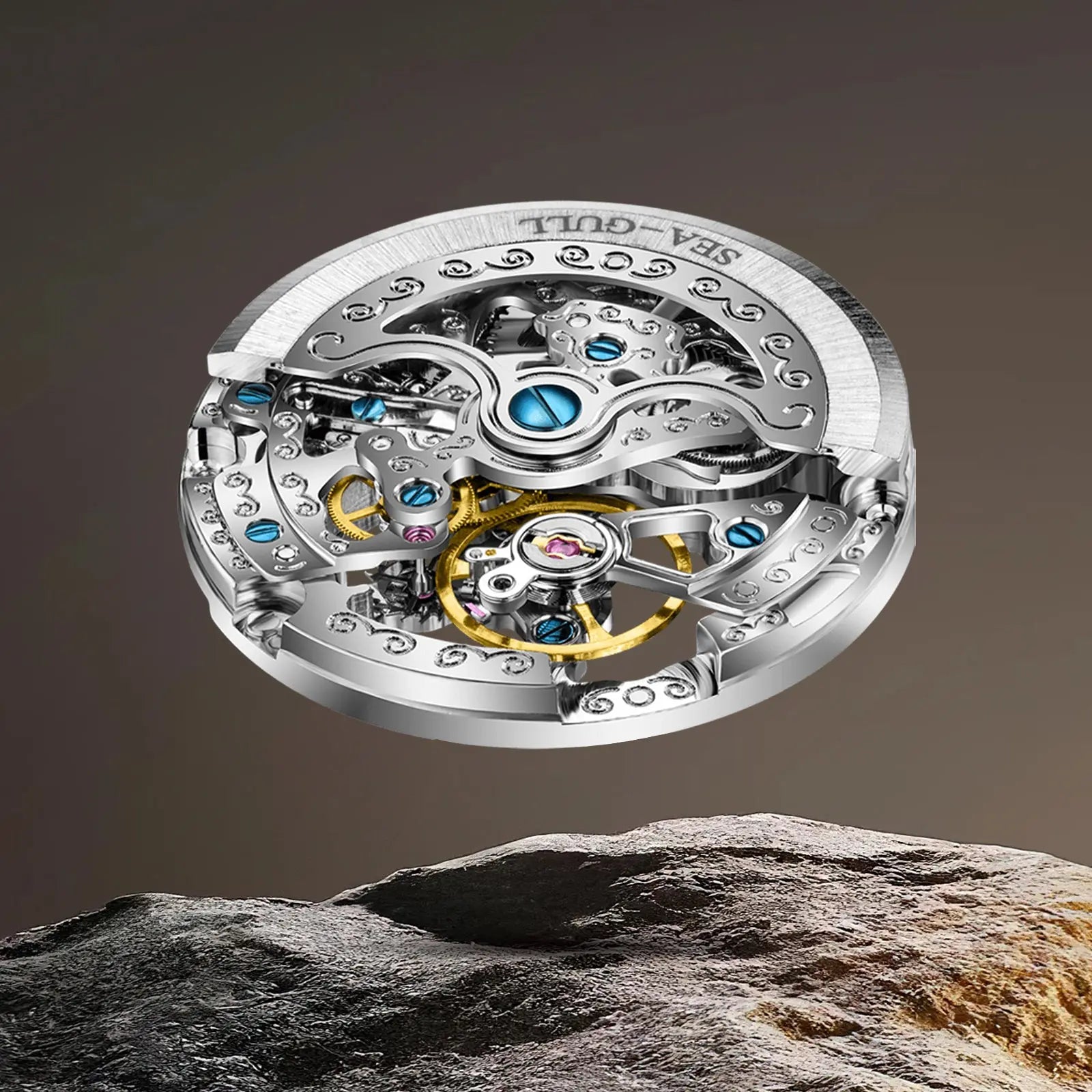
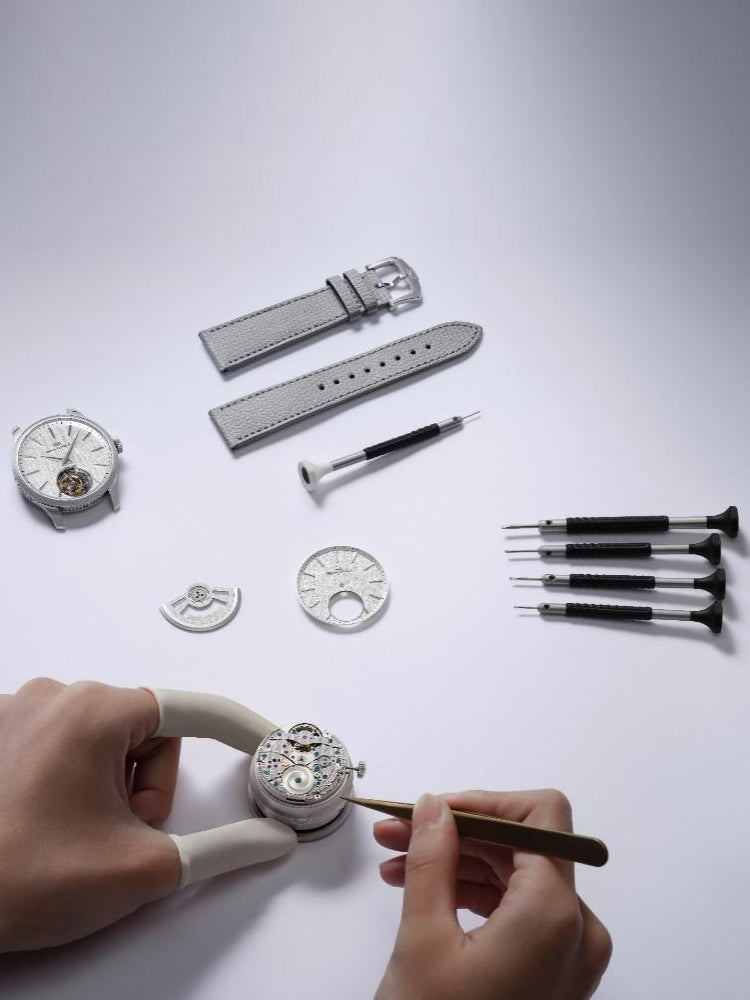
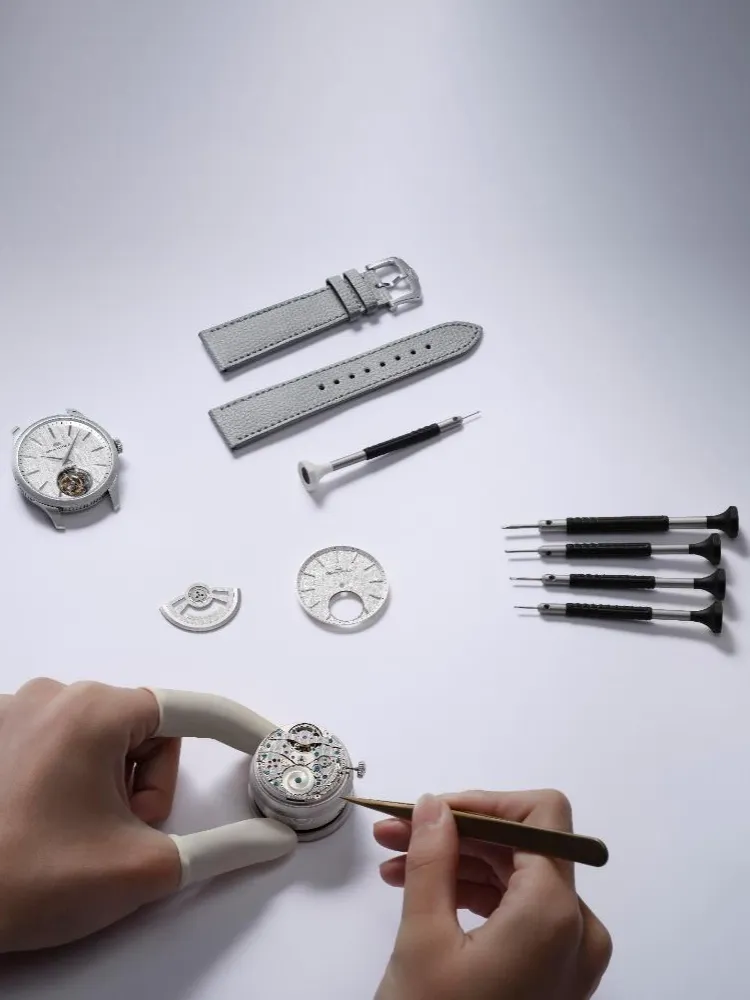
In-house mechanical movement production, at industrial scale, is less about a single dramatic step and more about disciplined repetition: controlled machining, stable component tolerances, predictable lubrication, and layered testing.
A typical vertically integrated flow looks like this:
-
Design and prototyping
CAD-led architecture work, torque distribution checks, and prototype assembly to validate power reserve and functional stability. -
Component manufacturing
- CNC machining of mainplates and bridges (hole placement accuracy drives long-term reliability).
- Gear cutting and finishing for wheels and pinions.
- Specialized production for escapement components and chronograph parts with demanding tolerances.
-
Assembly and sub-assemblies
Gear train, escapement, automatic modules, and chronograph works are often built as controlled sub-modules before final integration. -
Regulation and testing
Multi-position timing checks, amplitude and beat error measurement, and complication-specific tests (chronograph start/stop/reset consistency; water resistance testing once cased for dive-oriented models).
Collecting today: authenticity, customs, warranty, and maintenance planning
For North American and European enthusiasts, the purchase decision is rarely only about movement architecture. It is also about reducing friction over years of ownership.
Authenticity and provenance
When evaluating a watch powered by an in-house mechanical movement, many collectors prioritize channel clarity:
- Buy through official authorized dealers, first-tier distributors, or established overseas distributors.
- Check the movement layout through a display caseback when possible (bridge shapes, column wheel placement on ST19 variants, engraving style).
- Compare dial printing, handset proportions, and sub-dial spacing against reliable reference images.
Customs duties and shipping expectations
International orders often involve a total landed cost calculation:
- Import taxes and customs duties are commonly the buyer's responsibility.
- Trackable courier shipping and predictable handling reduce uncertainty.
- Keep documentation (invoice, tracking, packaging photos) in case of transit claims.
Warranty, returns, and service intervals
Most mechanical watches in this segment follow recognizable norms: multi-year warranty coverage for manufacturing defects, defined exclusions for impact or misuse, and structured returns via an approval process.
A maintenance plan keeps expectations realistic:
| Watch type / movement | Sensible service interval | Notes to plan around |
|---|---|---|
| 3-hand automatic (e.g., ST16, ST21 family) | Every 3 to 5 years | Focus on lubrication state, gasket replacement if water resistance matters |
| Hand-wound chronograph (e.g., ST19 family) | Every 3 to 5 years | Chronograph levers and reset components are lubrication-sensitive |
| GMT automatic variants | Every 3 to 5 years | Pay attention to calendar and GMT setting feel over time |
| Tourbillon / high complication families | Every 3 to 4 years | Complexity raises sensitivity to wear and regulation drift |
If your goal is a collection that stays wearable, the most efficient approach is simple: verify the channel, plan for duties, keep a service cadence, and choose a movement architecture that matches how you will actually wear the watch (daily, travel, occasional water exposure, or complication-focused collecting).

%0AModern%20Chinese%20mechanical%20watchmaking%20began%20as%20a%20national%20shift%20from%20repair-only%20workshops%20to%20full%20domestic%20manufacture.%20In%20the%20...)
اترك تعليقًا
This site is protected by hCaptcha and the hCaptcha Privacy Policy and Terms of Service apply.