

Sea-Gull Tourbillon Watches: 2026 Buying Guide
Sea-Gull is a useful reference point in modern mechanical watchmaking because it is a movement-driven manufacturer with industrial scale. From a manufacturing standpoint, Tianjin Sea-Gull Watch Group designs and produces a wide range of calibers in Tianjin, including chronographs, GMTs, and tourbillons, and also supplies movements to OEM clients. For collectors, that combination tends to reframe the brand: less about luxury storytelling, more about access to "real" complications at prices that are unusual in global horology.

Understanding Sea-Gull tourbillon movements in practical terms
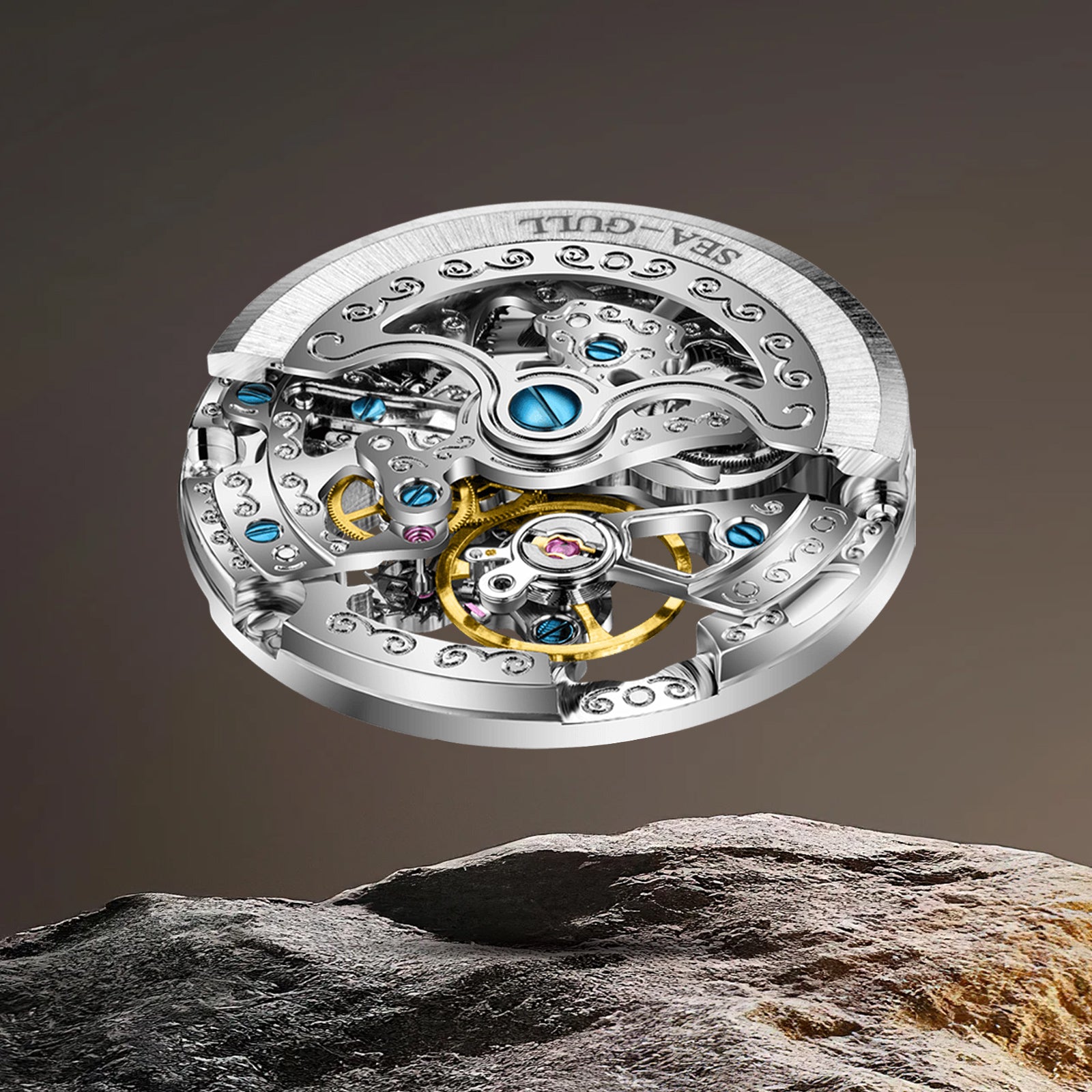
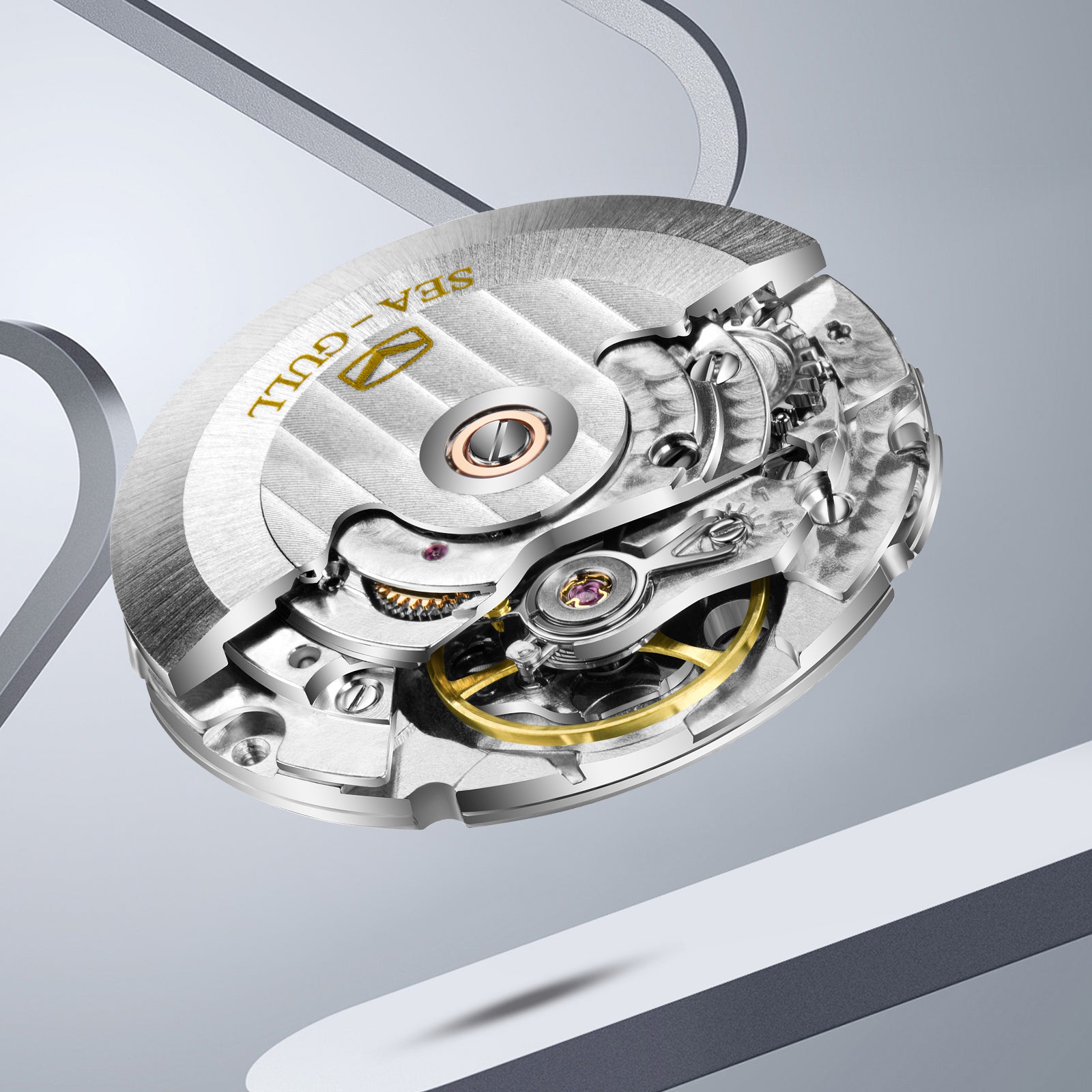
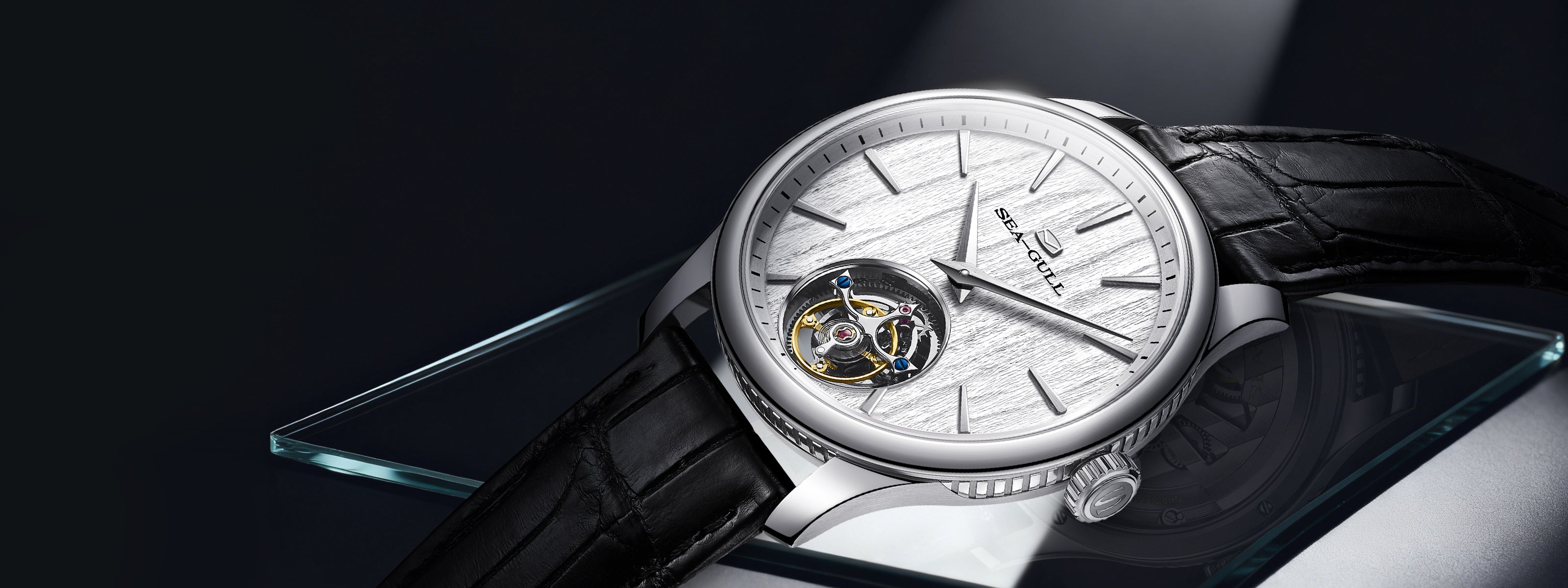
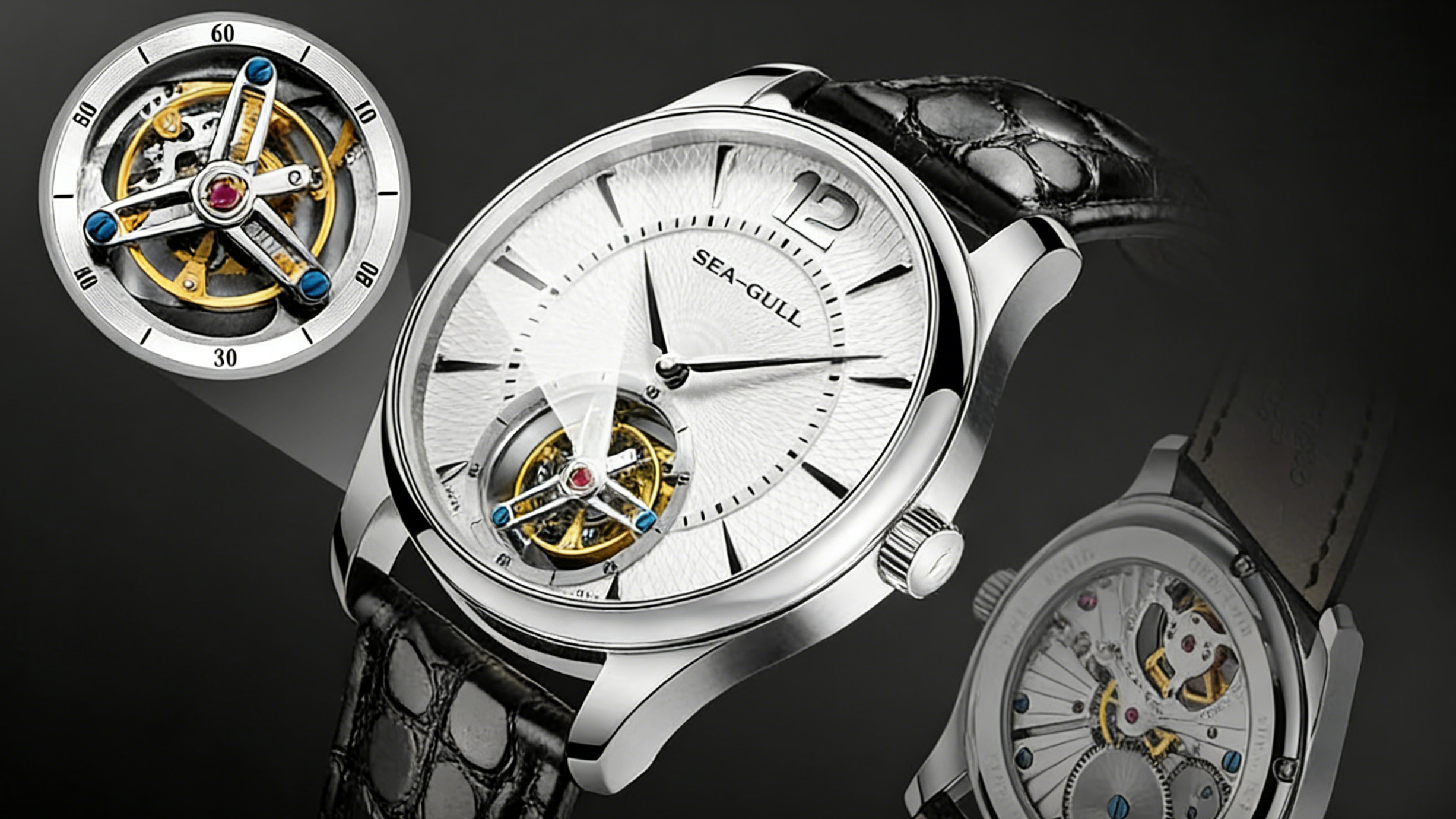
A tourbillon is not an "open-heart" cutout. It is a rotating cage that carries the balance and escapement, typically completing one rotation per minute (often used as a running seconds indicator). Sea-Gull tourbillon calibers commonly seen by overseas buyers include the ST8000 family (manual-wind, usually around 21,600 vph), the automatic ST8002 (commonly cited around a 37-hour reserve), and higher-spec lines like the ST8030 family (noted for longer reserve and higher beat rates in some executions).
From an engineering standpoint, these movements prioritize robust, repeatable assembly: straightforward single-axis tourbillon layouts (often flying or off-center), functional industrial finishing, and modular compatibility with additional displays. For collectors, the implication is a clear trade-off: you are buying visible mechanism and legitimate complication, not Geneva Seal-style hand-finishing or prestige-driven resale dynamics
Typical specifications you will encounter (indicative)
| Attribute | Common Sea-Gull tourbillon range (indicative) | What it means for a buyer |
|---|---|---|
| Beat rate | 21,600 to 28,800 vph | Higher beat can improve stability, but regulation matters more than the number alone. |
| Power reserve | About 37 to 72 hours | Automatic pieces reduce daily winding; longer reserve manual movements reduce "dead watch" time. |
| Layout | Off-center or at 6 o'clock | Usually chosen for dial symmetry and visual emphasis rather than utility. |
| Water resistance (many dress tourbillons) | Often 30 to 50 m | Suitable for daily wear, not a swim watch. |
Market positioning for 2026: price, finishing, and dial choices
Sea-Gull tourbillons sit in a distinctive band: accessible relative to Swiss tourbillons, but spanning a wide range depending on whether you are looking at OEM-based pieces or Sea-Gull branded references in steel or precious metal. In broad terms, overseas listings tend to cluster from the high three figures into the low thousands, with higher tiers moving into five figures for precious metal and multi-complication constructions.

Finishing expectations should be calibrated accordingly. From a manufacturing standpoint, you will often see machine-applied striping or perlage and clean but not deeply hand-beveled edges. From a collector standpoint, that can still be satisfying because the tourbillon itself is the visual centerpiece, especially with an aperture at 6 or 12 o'clock.
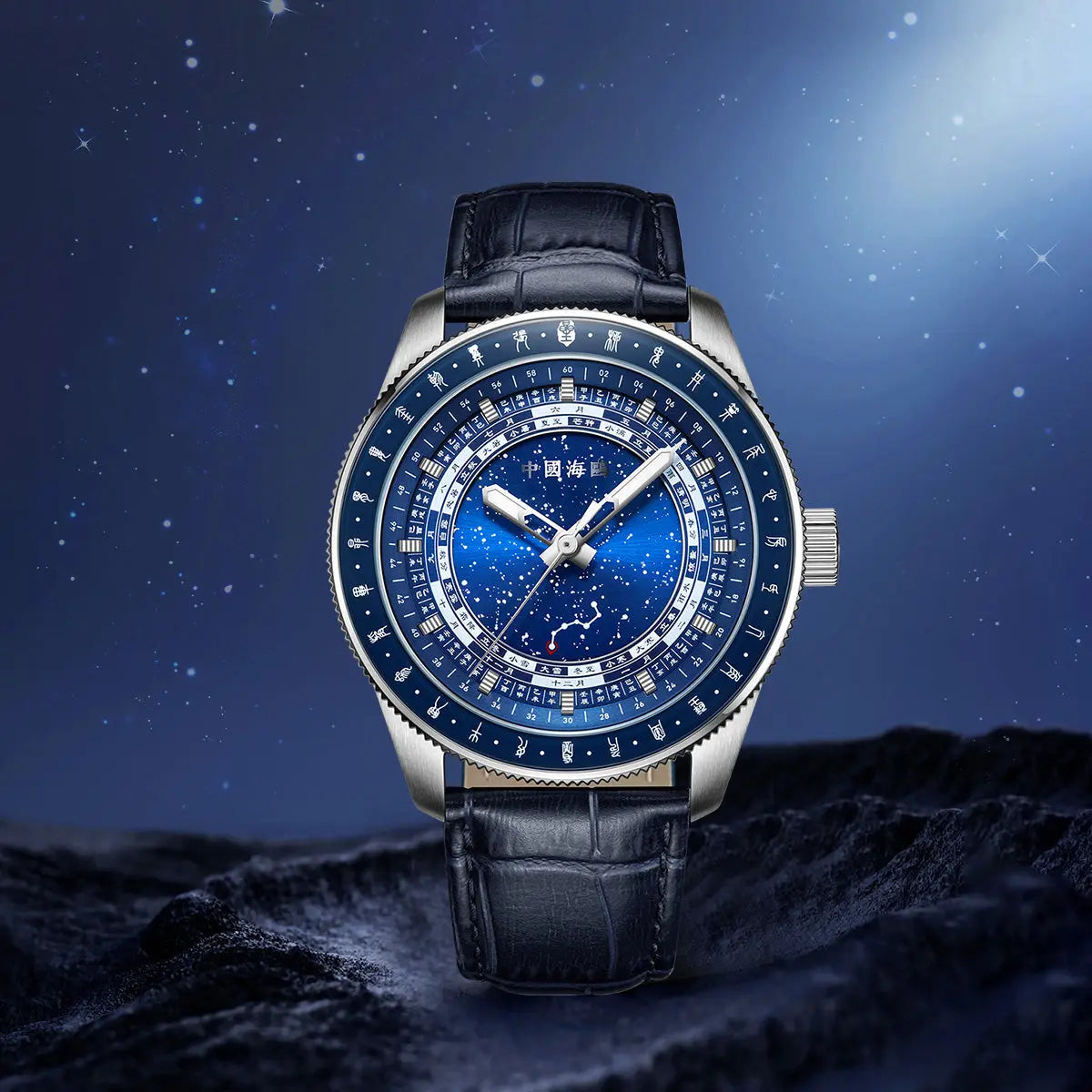
Dial preference is where many buyers get specific. A blue face can shift a tourbillon watch from strict dress formality toward a more versatile dress-sport look, though the complication remains mechanically delicate compared with a simple three-hand tool watch.
Comparing tourbillons to other Sea-Gull touchpoints (1963, GMT, dive)
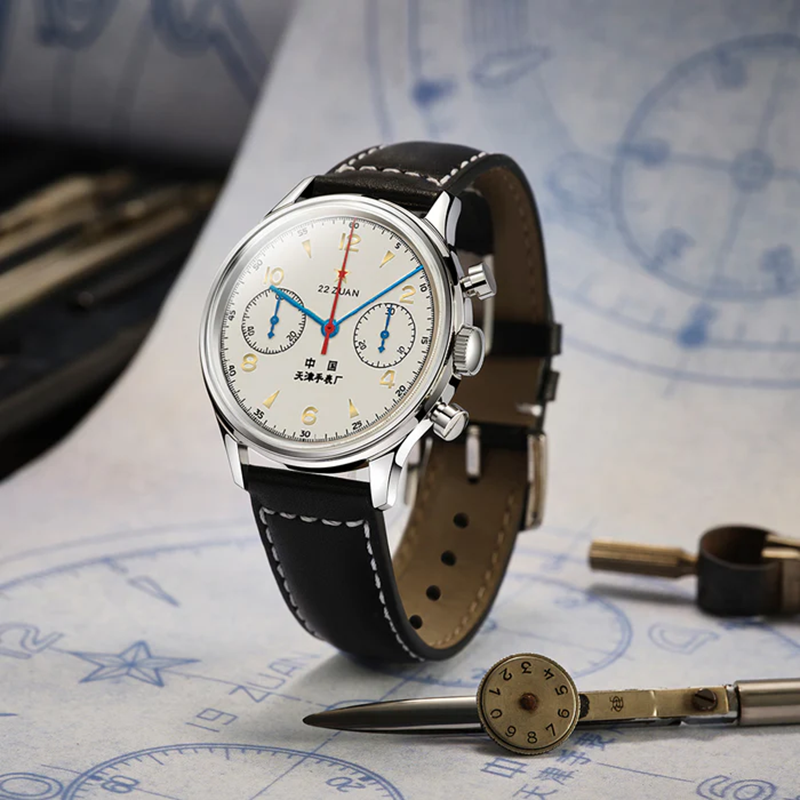
Many enthusiasts first encounter Sea-Gull through the seagull 1963 and other chronograph mechanical watches built around the well-known ST19 family. From a collector perspective, the 1963 is often purchased for historical production context and daily-wear practicality; the tourbillon is usually purchased as a "mechanical study object" with higher visual emphasis.
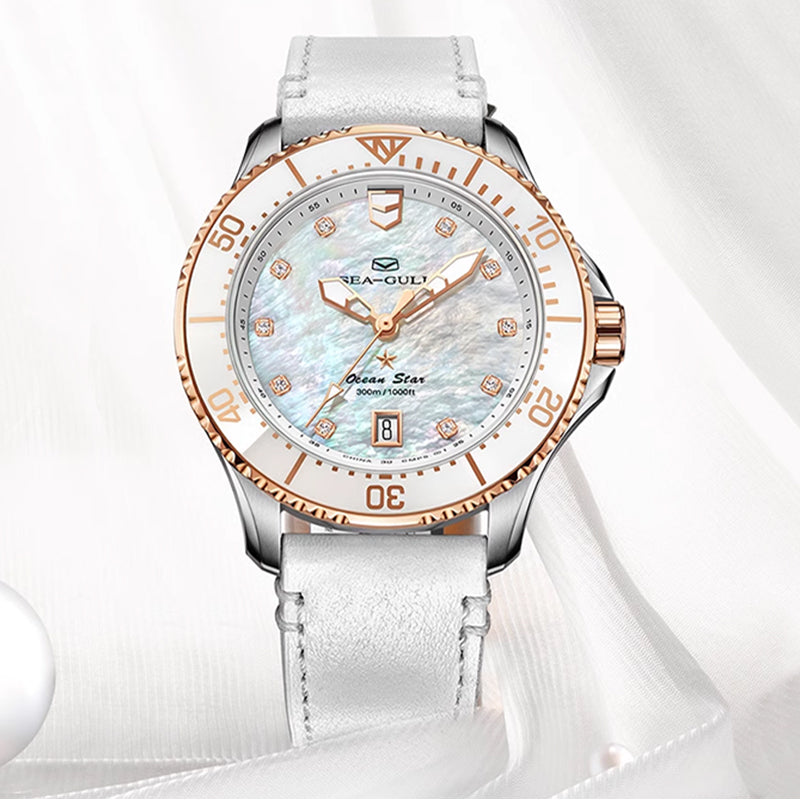
If your priority is utility, a Seagull GMT automatic or Seagull dive watch typically offers more everyday tolerance: higher water resistance (in dive lines), clearer legibility, and simpler servicing compared with a tourbillon. If your priority is complication access, the tourbillon is the top of the hierarchy within this ecosystem.
To see how the distributor website presents current brand lines and references, you can start at the Sea-Gull Watch storefront.
Buying in North America and Europe: authenticity, shipping, customs, and ownership support
Overseas buyers tend to focus on four risks: authenticity, landed cost, shipping friction, and long-term service.
Authenticity and brand clarity. Consider whether you are purchasing a Sea-Gull branded watch or a third-party piece using a Sea-Gull movement. Look for consistent model naming, clear movement photography, and coherent documentation.
Customs and total landed cost. Even when a sticker price looks stable, import handling and regional taxes can change the real cost. For US buyers, the key habit is to compare the full landed cost (watch, shipping, duties if applicable), not only the listed price.
After-sales support and maintenance. Tourbillons benefit from careful handling and periodic servicing. In North America and Europe, not every independent watchmaker will be comfortable servicing Chinese tourbillon calibers, so evaluate the return and repair pathway before you buy. Practically, that includes who pays outbound shipping for warranty work and how customs is handled on returns.
Two examples worth reviewing on the distributor website
- A concrete tourbillon reference with a business-style, multifunction layout: Sea-Gull Heritage Series Multifunctional Tourbillon Business Watch 818.11.8821.
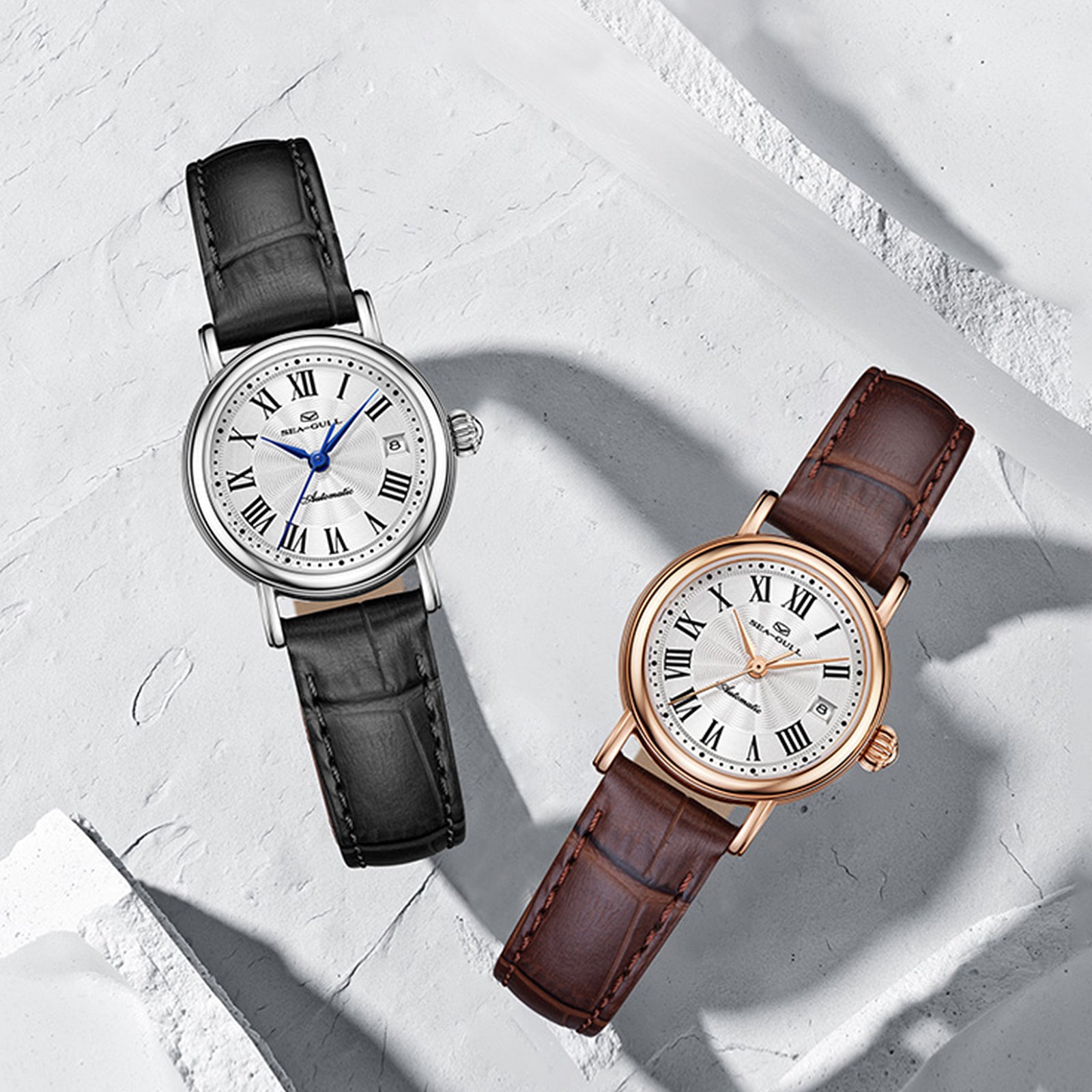
- If you are comparing case sizing and styling in smaller formats, the Tourbillon for Women collection is a useful cross-check for proportion and dial design language.

Practical FAQ
- Are these real tourbillons? Sea-Gull tourbillon models discussed here use genuine rotating cages, not open-heart cutouts.
- What accuracy should you expect? Well-regulated examples are often reported in a mid-market mechanical range (commonly cited around +/- 10 to 20 seconds per day), with variability by individual piece and channel.
- Is a tourbillon a good daily watch? It can be, but many are dress-oriented (often 30 to 50 m water resistance). If your day includes water exposure or knocks, a GMT or dive-style watch is usually the more rational tool.
In 2026, it is reasonable to treat Sea-Gull as a long-term manufacturing reference: a place where complication engineering is unusually accessible, while the buyer remains responsible for evaluating channel quality, landed cost, and the service plan that makes ownership sustainable.


اترك تعليقًا
This site is protected by hCaptcha and the hCaptcha Privacy Policy and Terms of Service apply.