


Sea-Gull Watch Care Guide: How to Maintain a Mechanical Watch for Long-Term Accuracy
Mechanical watch maintenance protects rate stability, reduces avoidable wear, and helps a movement stay dependable over years of regular use. In daily ownership, the biggest variables are not dramatic failures but small, cumulative issues: low winding state, magnetism, moisture, impact, aging seals, and delayed watch servicing. For a Sea-Gull mechanical watch, those fundamentals apply differently depending on whether you wear a manual chronograph, a GMT automatic, a dive model, or a tourbillon.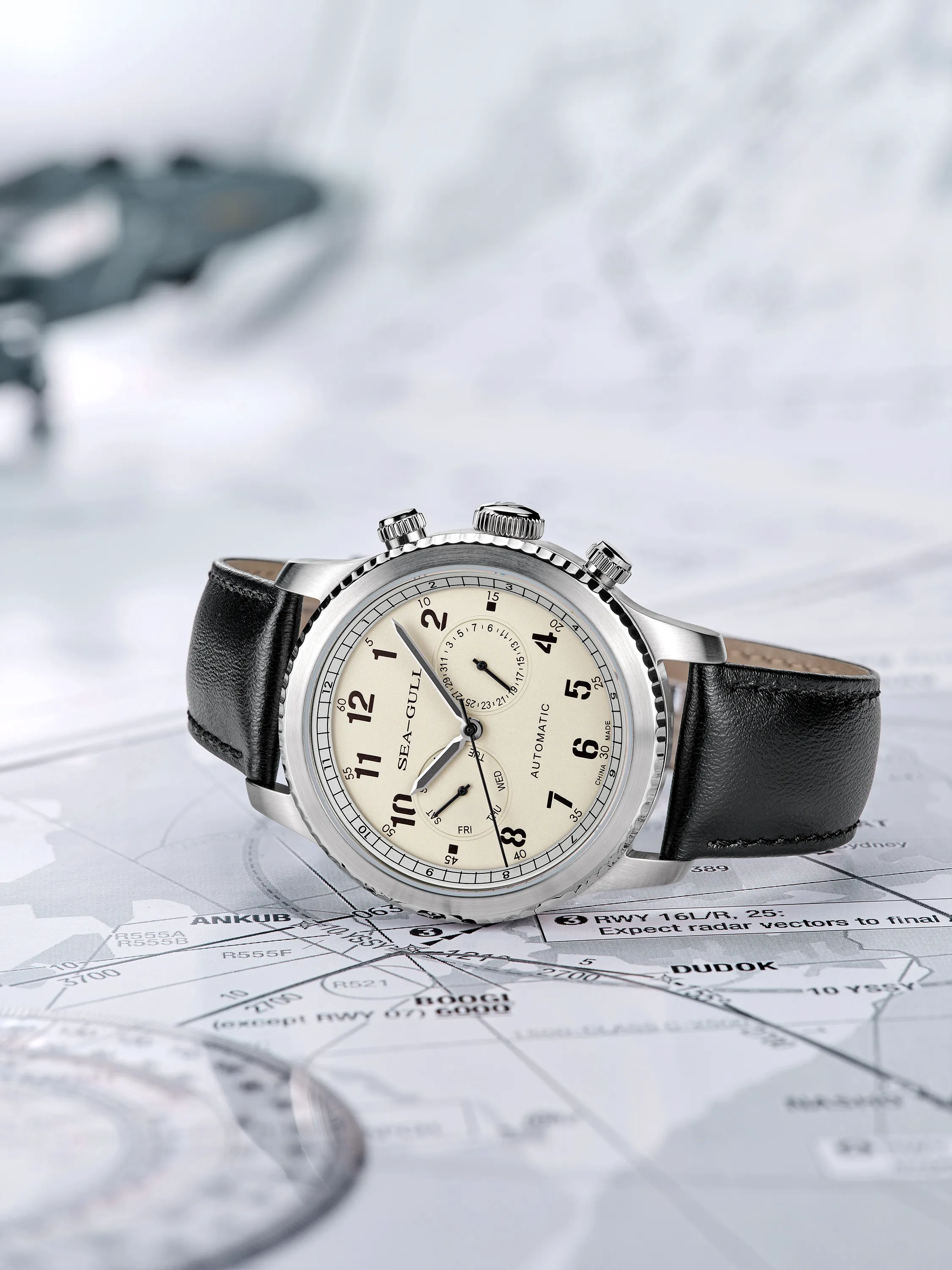
Owners who want a practical support path can also review the brand's Sea-Gull FAQ, which outlines authenticity guidance, repair and maintenance support, warranty notes, shipping timing, and return conditions.
How mechanical watch maintenance preserves long-term accuracy
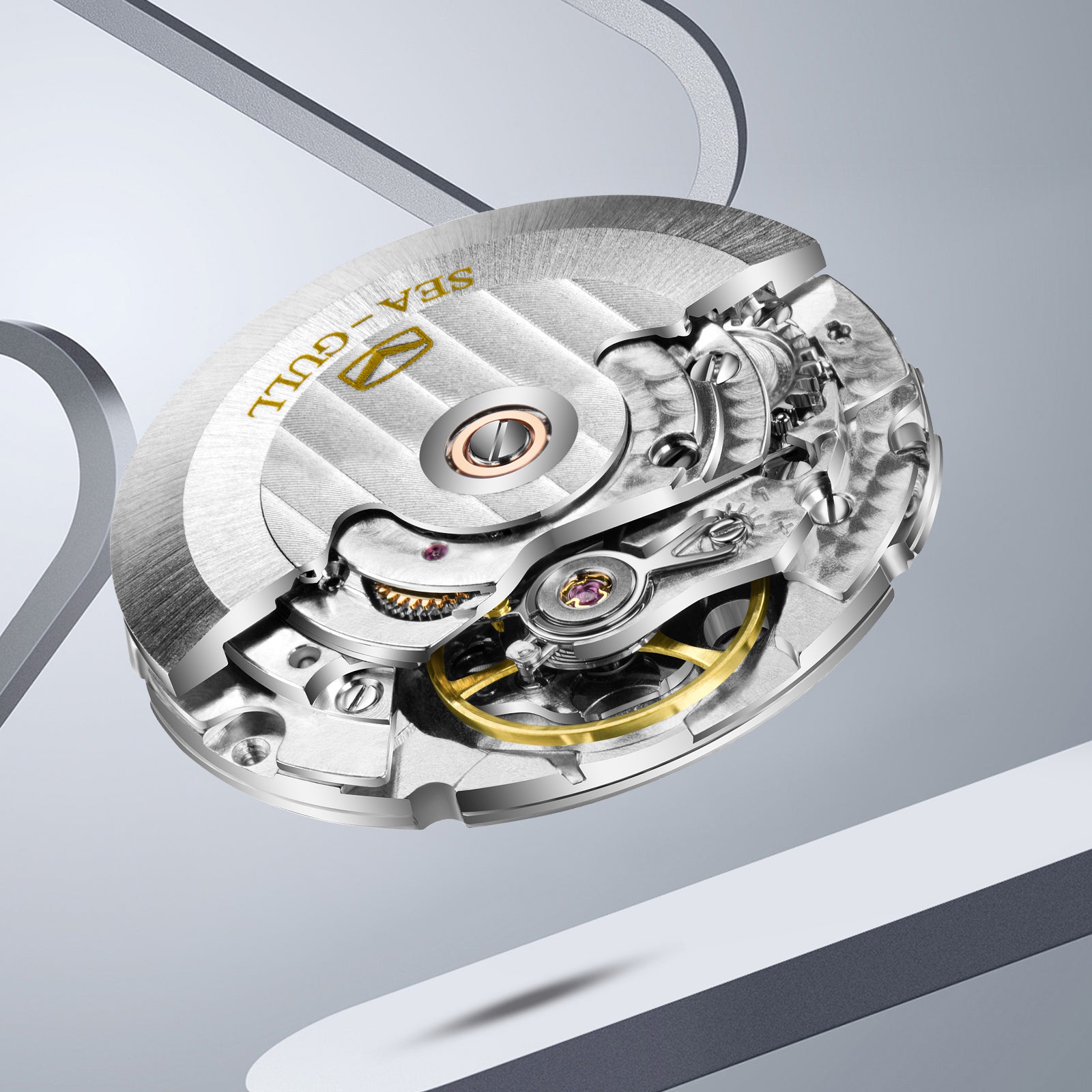
A mechanical watch keeps time through stored mainspring energy, a gear train, the escapement, and the balance. Accuracy changes when that system loses stable torque, encounters friction from aging lubricants, or is disturbed by shock, magnetism, or moisture. That is why mechanical watch maintenance is less about polishing a case and more about preserving the conditions the movement needs to run consistently.
Normal watch accuracy should be judged by movement type, power level, wearing pattern, and position. Mechanical watches are not quartz instruments, so small daily variation is expected. Broadly, a range around -20 to +40 seconds per day is often considered normal for many non-chronometer mechanical watches, while better-adjusted examples may perform much closer than that. For some Sea-Gull pieces, the timer interval may fall within ±40 seconds over 24 hours, and in normal wear it is often closer to 3 to 5 seconds per day, but that should be treated as a practical observation rather than a guaranteed rate for every model.
A sudden change is more important than a small, steady deviation. A watch that begins running much faster may be magnetized. A watch that loses time after being left unworn may simply need a full wind. A watch with condensation under the crystal needs immediate attention.
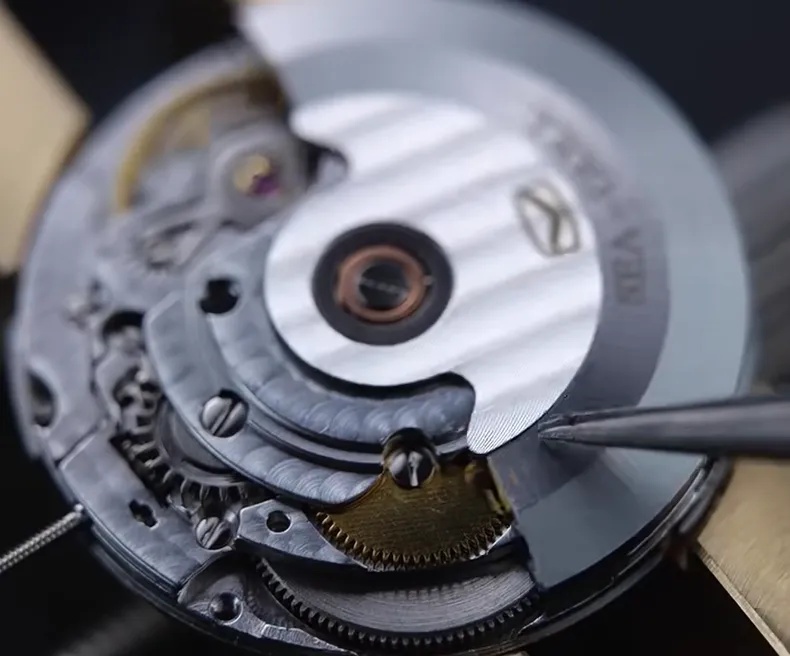
Daily mechanical watch maintenance habits for a Sea-Gull mechanical watch
The most effective answer to how to care for a mechanical watch is to build a stable routine. Manual-wind watches should be wound once a day at roughly the same time, using gentle crown pressure until resistance is felt. Automatic watches can maintain power through motion, but desk-heavy days often do not keep them fully wound, so occasional manual winding may still help rate consistency if the model permits it.
External care is simple and should stay simple. Wipe the case and crystal with a soft, dry cloth. Keep leather straps away from excessive moisture. Store the watch in a dry, moderate environment away from direct sun, speakers, magnetic clasps, and loose electronics accessories. Do not leave a watch loose in a drawer where it can pick up scratches or repeated impact.
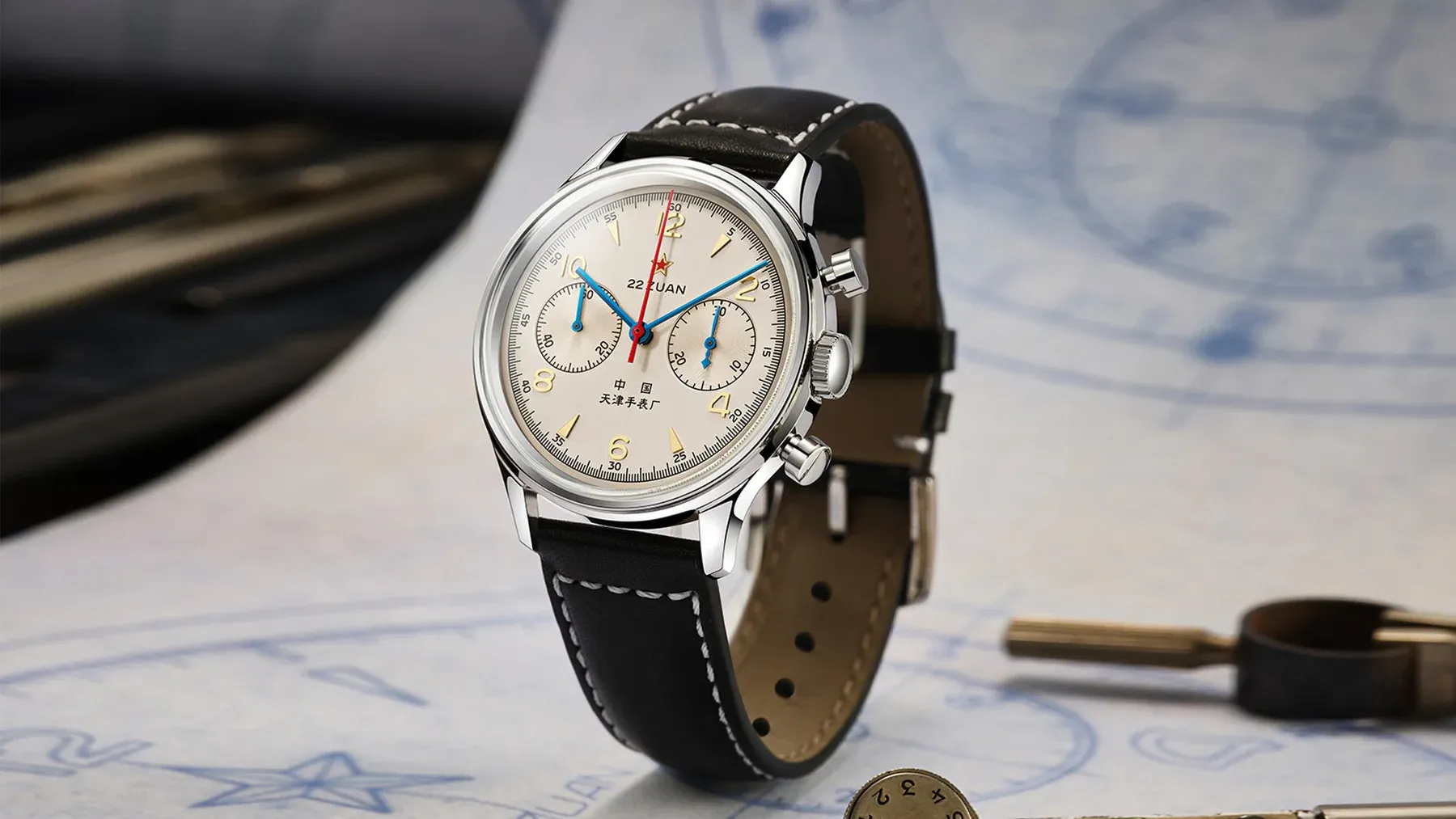
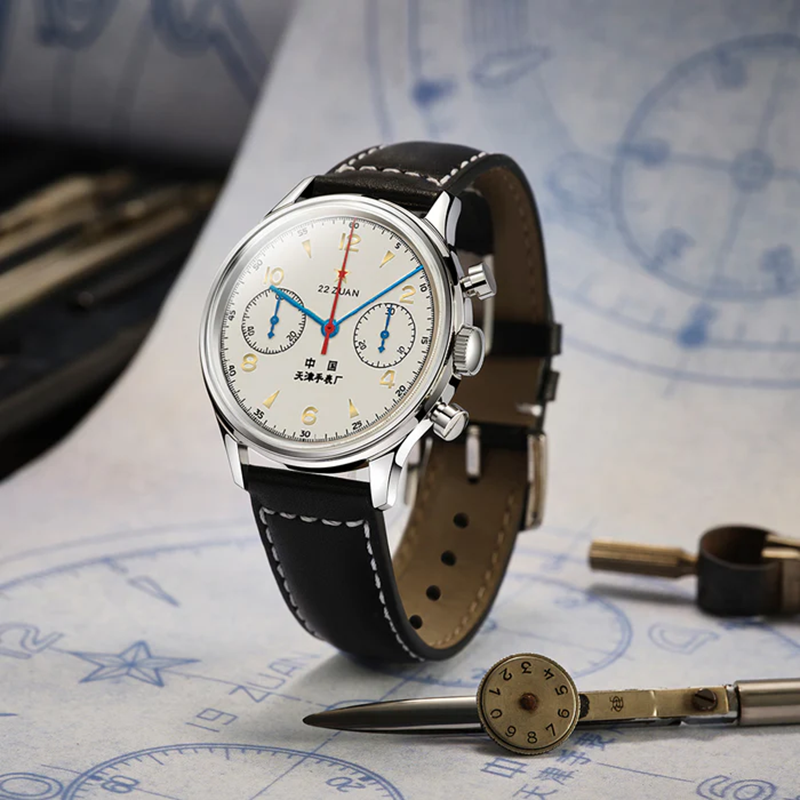
For a Sea-Gull 1963 collection, daily discipline matters more because a manual chronograph depends on steady winding and correct pusher use. Start, stop, then reset is the correct sequence. Avoid pressing pushers unnecessarily, and do not leave the chronograph running for extended periods when timing is not needed.
| Daily task | Why it matters | Practical standard |
|---|---|---|
| Wind consistently | Supports stable amplitude | Once daily for manual-wind models |
| Secure crown fully | Helps protect case integrity | Check after winding or setting |
| Wipe case and crystal | Removes sweat and dust | End of day |
| Avoid magnets and shocks | Protects hairspring and regulation | Continuous habit |
| Store in dry conditions | Reduces moisture risk | Every night or during rotation |
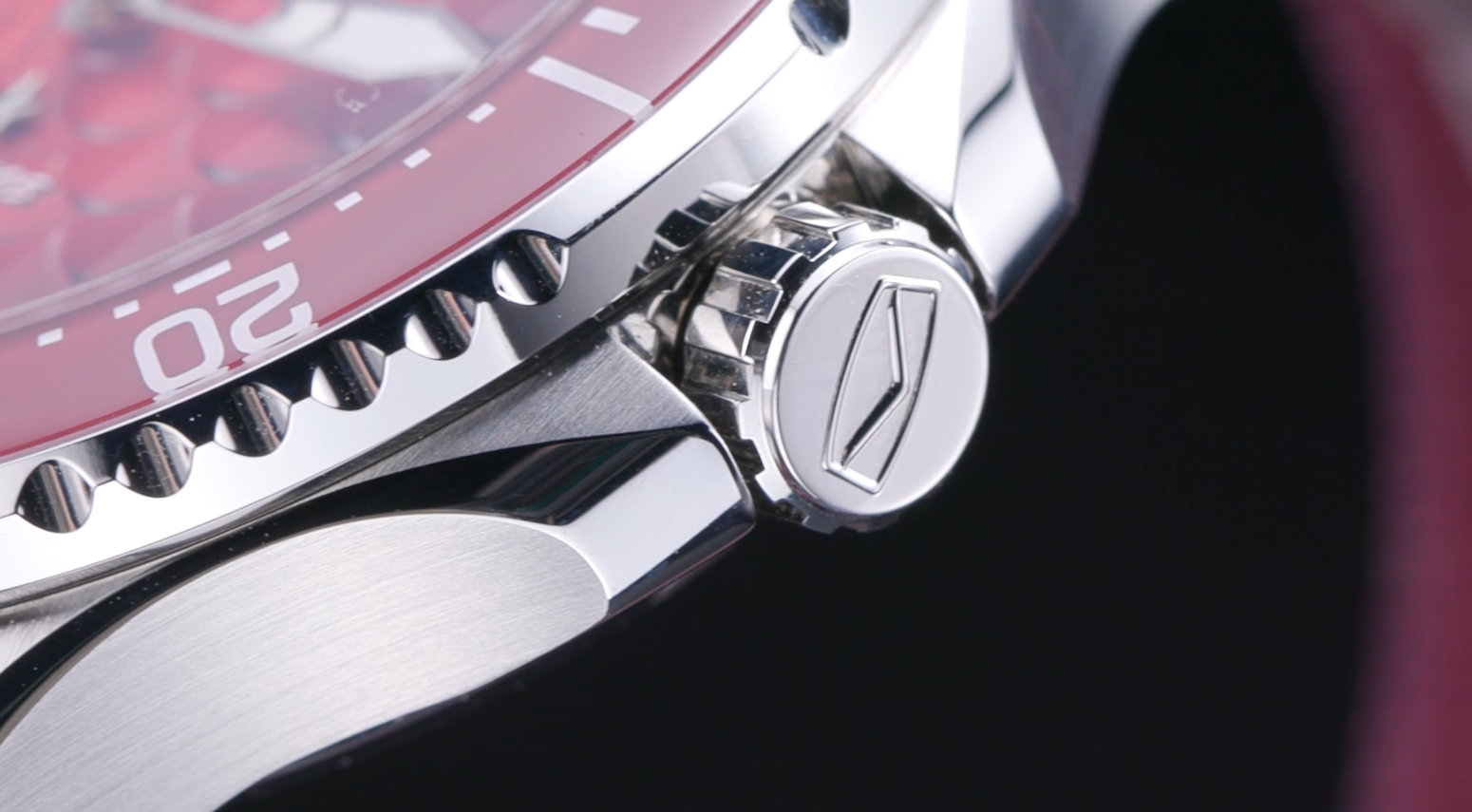
A travel-oriented owner using the Sea-Gull GMT automatic should pay special attention to crown handling, because frequent time-zone changes increase the number of setting cycles. Smooth operation matters. If the crown feels rough, misaligns, or no longer threads or seats cleanly, that is a maintenance signal rather than something to force.
Mechanical watch maintenance factors that most affect watch accuracy
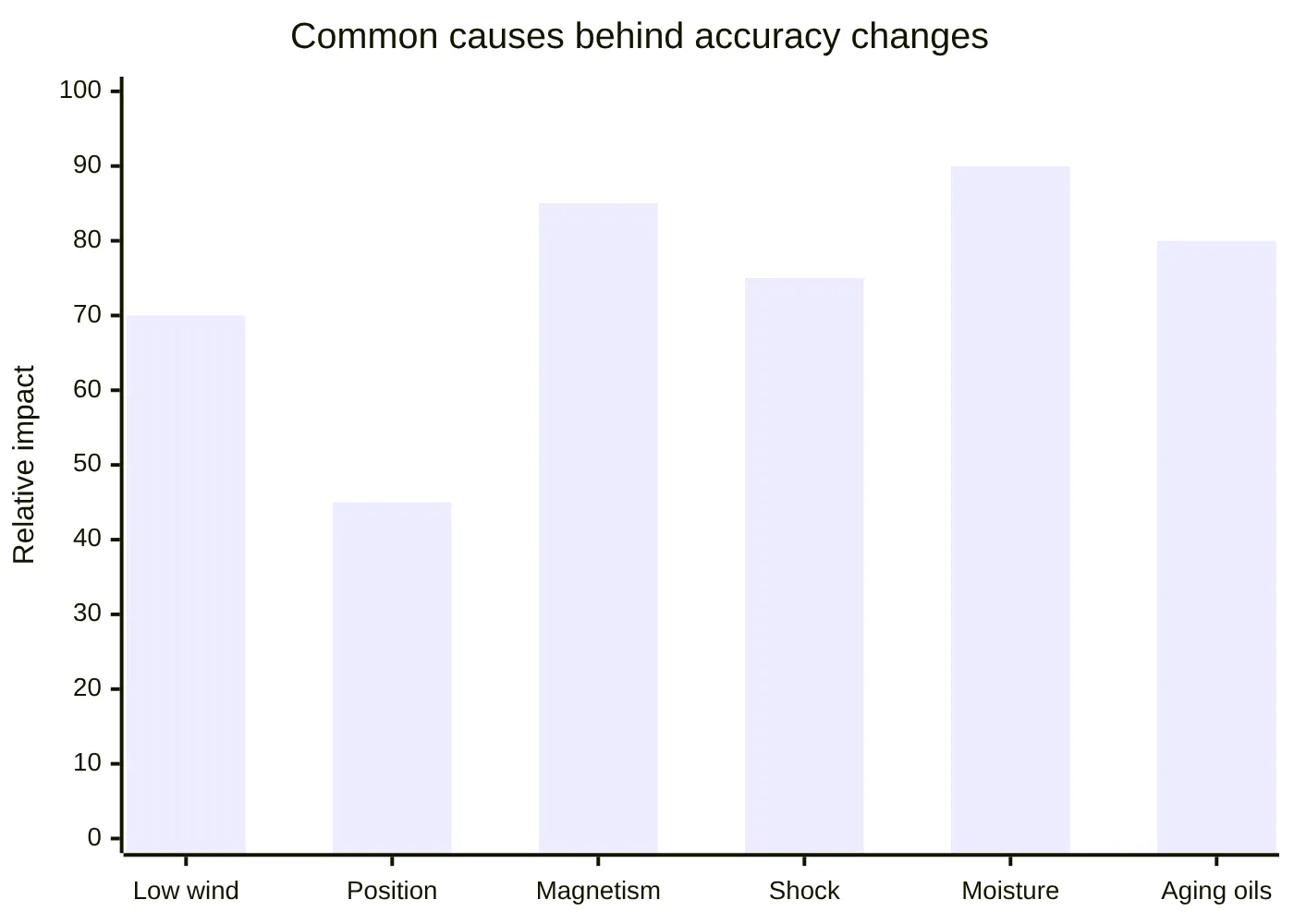
Power reserve, position, magnetism, and impact explain most day-to-day watch accuracy questions. A partially wound watch may show lower amplitude and weaker rate stability. Positional variance is also normal, which is why a watch can gain slightly on the wrist and lose slightly overnight. Resting position can sometimes fine-tune the average daily rate, but it is not a repair method.
Magnetism is one of the most common hidden causes of sudden fast running. Laptops, tablets, magnetic closures, chargers, and audio equipment can all create problems. If a watch suddenly gains a large amount of time, demagnetizing is often the first logical check before assuming full watch servicing is needed.
Shock is the other major risk. Everyday wear is usually fine, but repeated vibration, dropping the watch, impact sports, or tool use can disturb regulation or damage more delicate components. This matters even more for chronograph mechanical watches and tourbillons.
For higher-complication pieces, careful handling matters more than constant intervention. The Heritage Series automatic tourbillon, manual-wind tourbillon, multifunction tourbillon, moon phase tourbillon, and perpetual calendar tourbillon are best treated as lower-impact watches with conservative storage and prompt service attention when behavior changes.
Mechanical watch maintenance for water resistance, crowns, and watch servicing
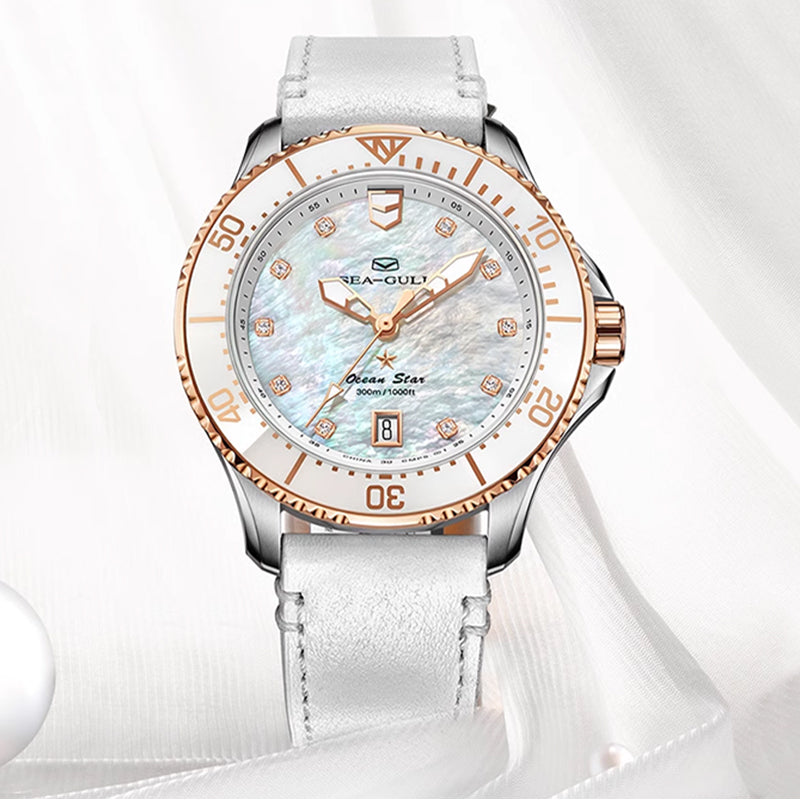
Water resistance is a case-seal condition, not a permanent promise. Gaskets age. Heat, soap residue, chlorine, salt, and repeated crown use all affect long-term sealing. Even a Sea-Gull dive watch rated for 200 m should be treated as a watch whose seals need periodic checking if water exposure is part of regular use.
Before any exposure to water, confirm the crown is fully secured. Do not operate crowns or pushers underwater unless the model is specifically designed for that use. After saltwater or pool use, rinse the exterior with fresh water if appropriate, then dry it carefully. Avoid hot showers, steam rooms, and saunas, because heat can stress seals and raise moisture risk.
Watch servicing should be planned by condition as well as time. A 3 to 5 year window is a common baseline for many mechanical watches, but complication level, water use, and actual performance matter more than a rigid schedule.
| Symptom | Likely cause | Action |
|---|---|---|
| Sudden fast running | Magnetism | Demagnetize or inspect |
| Large time loss | Low power or shock | Fully wind, then observe |
| Condensation under crystal | Moisture ingress | Stop water exposure and seek service |
| Stiff crown or pushers | Wear, dirt, or seal issue | Arrange inspection |
| Weak power reserve | Lubrication aging or mainspring issue | Plan watch servicing |
| Chronograph reset misalignment | Chronograph-specific issue | Service promptly |
Readers comparing channels and ownership support should use a trusted distributor website or official authorized dealer. The Sea-Gull FAQ also outlines repair and maintenance support, returns for unworn items within 14 days, and guidance for documenting problems with photos or video. Warranty length varies by product, so it is sensible to confirm the specific model page before purchase or service planning.
Sea-Gull mechanical watch maintenance by model type
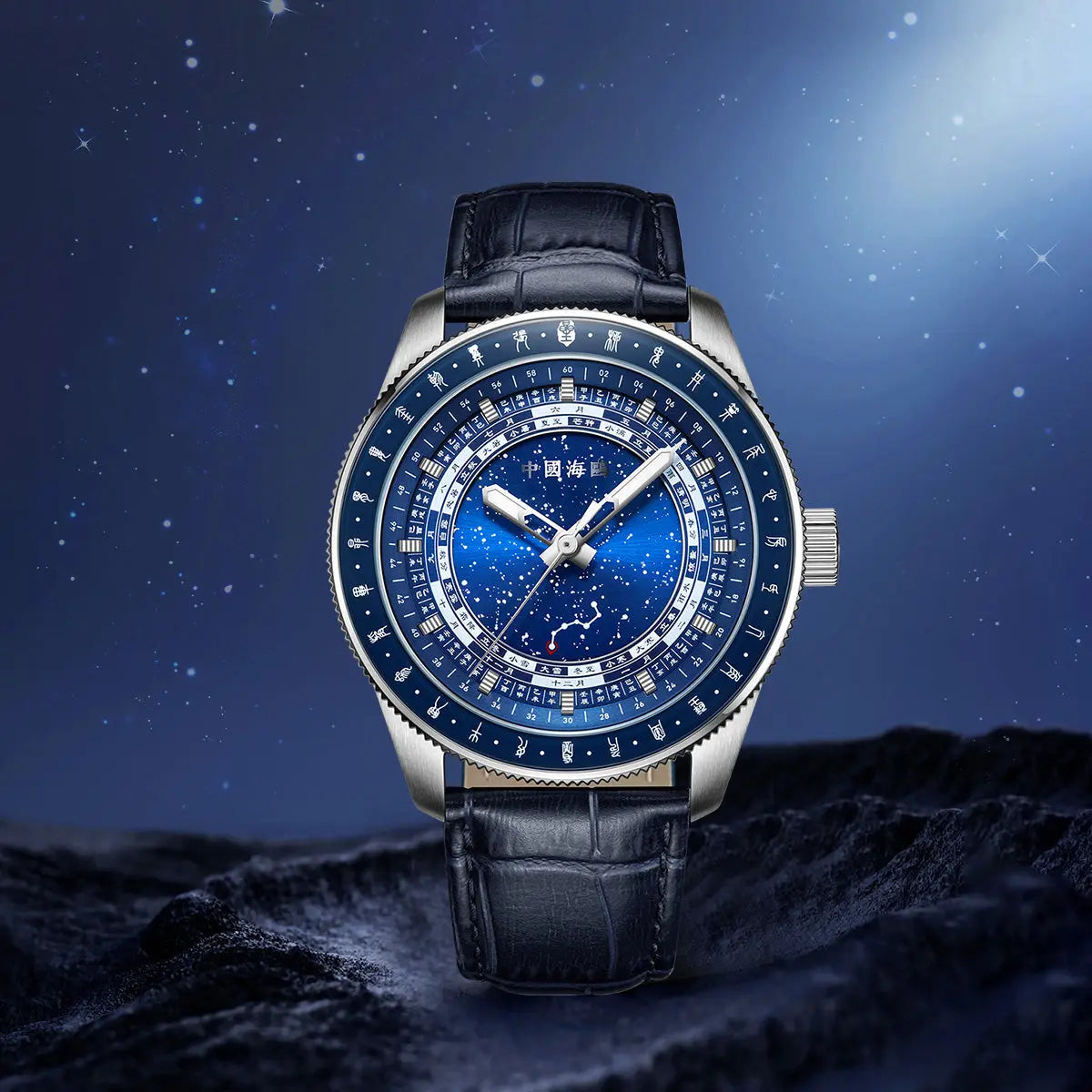
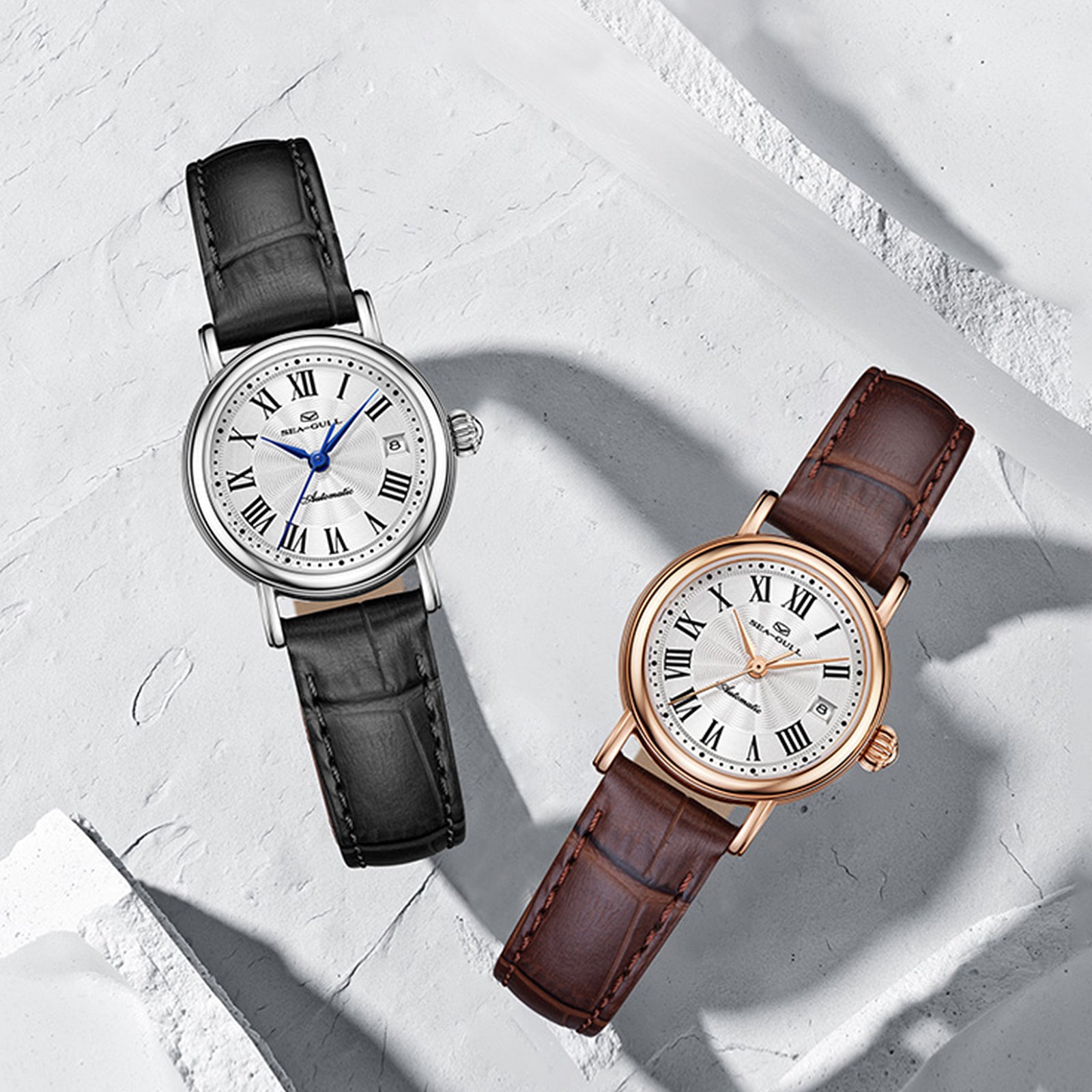
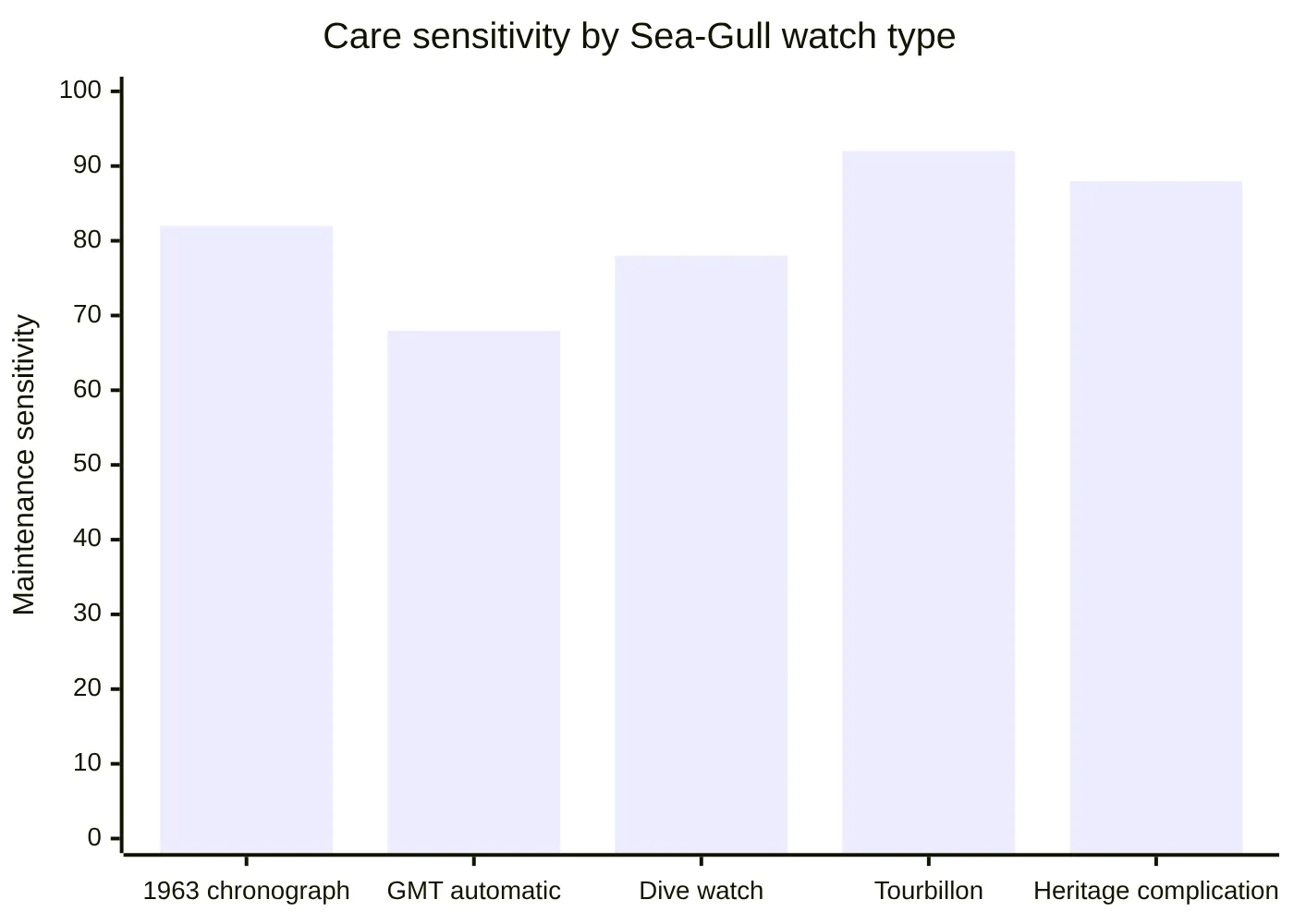
A Sea-Gull mechanical watch is easiest to maintain well when care matches the complication. The Sea-Gull 1963 collection benefits from disciplined manual winding and restrained chronograph use. The Sea-Gull GMT automatic adds frequent crown interaction for travel, so smooth setting and gasket health matter more. The Sea-Gull dive watch requires more attention to rinsing, crown security, and pressure testing if water exposure is routine. Heritage and tourbillon models should be handled with greater caution around shock, long storage intervals, and service delays.
That is the practical Sea-Gull watch care guide in its simplest form: keep the movement properly wound, protect it from magnets and shocks, monitor water resistance, handle the crown and pushers gently, and do not postpone watch servicing when behavior changes. For product-specific ownership details, warranty terms, and after-sales support, review the relevant model pages and the warranty and returns guidance.