


Article: Sea-Gull Mechanical Watches: 2026 Collection
Sea-Gull Mechanical Watches: 2026 Collection
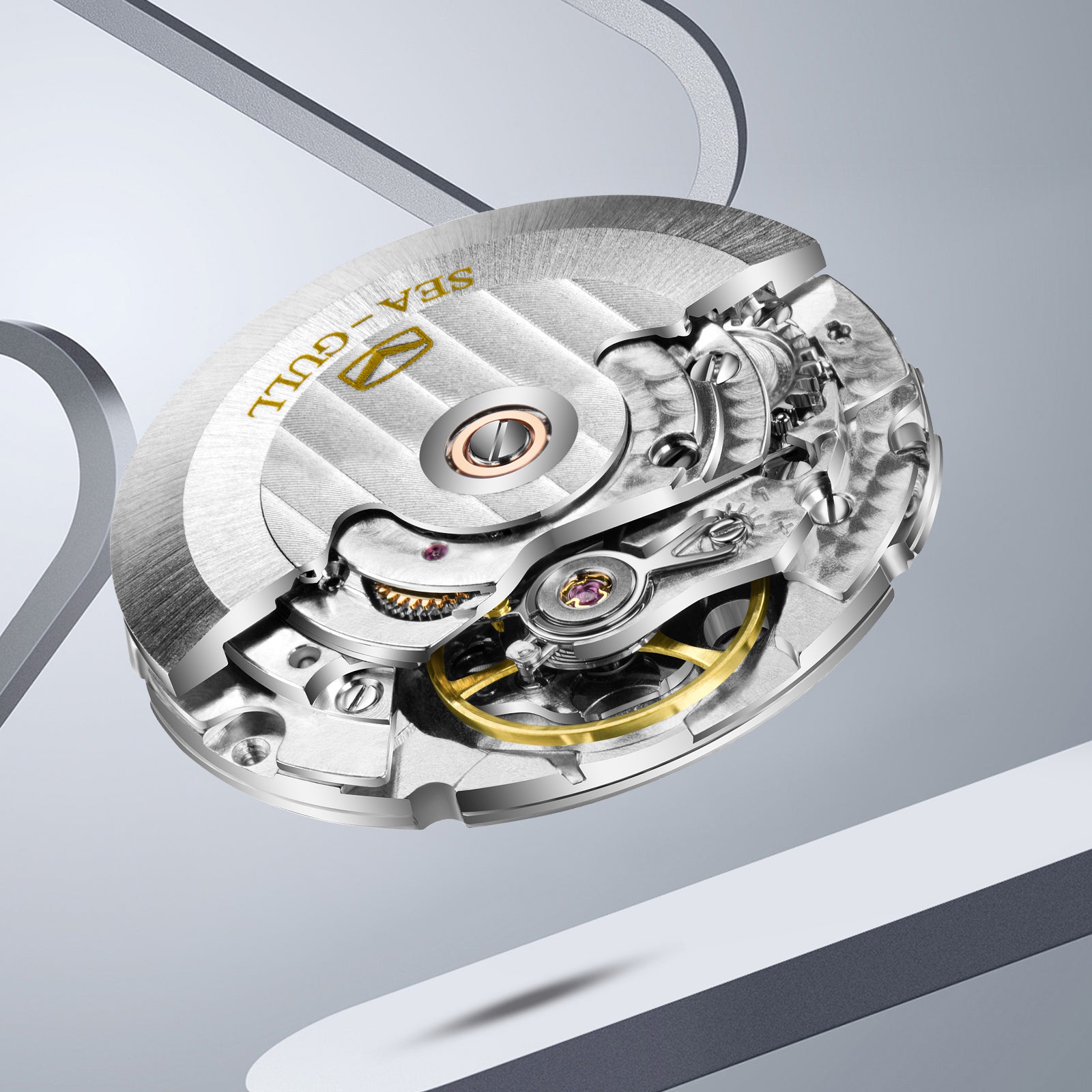
In 2026, Sea-Gull remains a pivotal force in the mechanical watch landscape, distinguished by its immense and vertically integrated movement manufacturing capabilities rather than a traditional luxury brand narrative. With production firmly established in Tianjin, Seagull is the originator of iconic movement families, including the renowned ST19 manual chronograph, numerous robust automatic platforms, and accessible tourbillon calibers. This deep manufacturing continuity is invaluable for collectors, ensuring dependable parts availability, broad watchmaker familiarity, and excellent long-term serviceability.
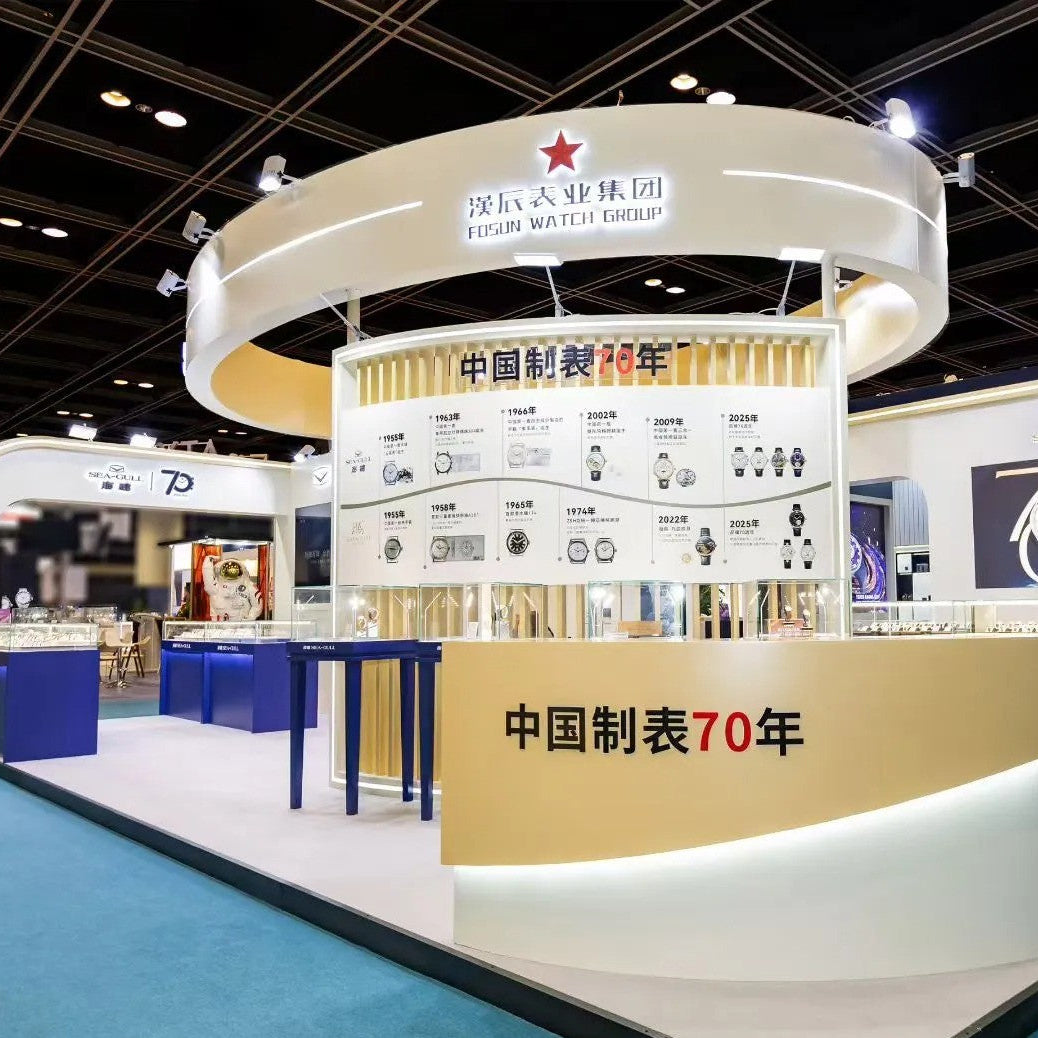
While manufacturing is centralized in Tianjin, Hong Kong serves as a crucial hub for international logistics and distributor relations. This established structure explains why buyers across the globe consistently encounter Seagull's foundational movement architectures in a diverse range of watches—from chronographs and travel watches to tool divers—even as case and dial designs evolve. To fully appreciate Seagull's 2026 offerings, an understanding of the underlying movement categories is essential, which will be explored in the subsequent section.

Mapping the 2026 Mechanical Range by Movement
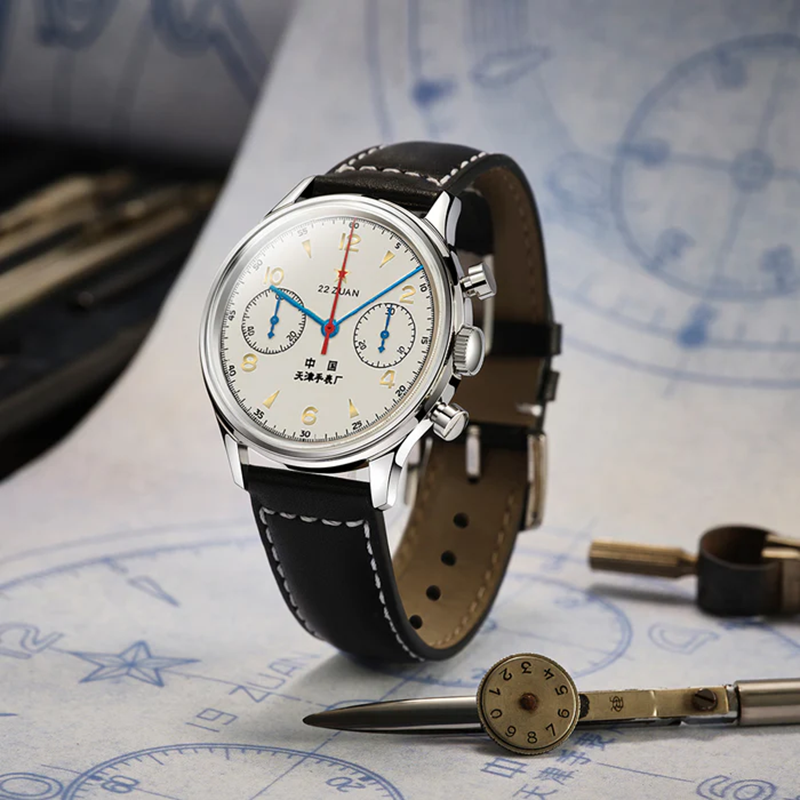
Instead of viewing the 2026 collection as a jumble of individual watches, it's more practical to sort them by the movement inside and how they're used. For instance, the ST19 manual chronograph family, known for its "mechanical feel," shares production processes with other chronographs. This grouping helps predict things like how thick a watch will be, the feel of its pushers, its water resistance, and how complex it will be to service. Collectors can easily understand if a watch, like one with an ST16, ST17, or ST25 derivative automatic movement, will be straightforward for daily wear and routine maintenance, or if a tourbillon (often an ST80-series variant) will require more specialized care.
| Segment (2026-relevant) | Typical movement architecture (examples) | What it tends to mean for ownership |
|---|---|---|
| Heritage chronographs | Manual column-wheel chronograph (ST19 lineage) | Strong "mechanical feel," higher service complexity than 3-hand automatics, usually modest water resistance |
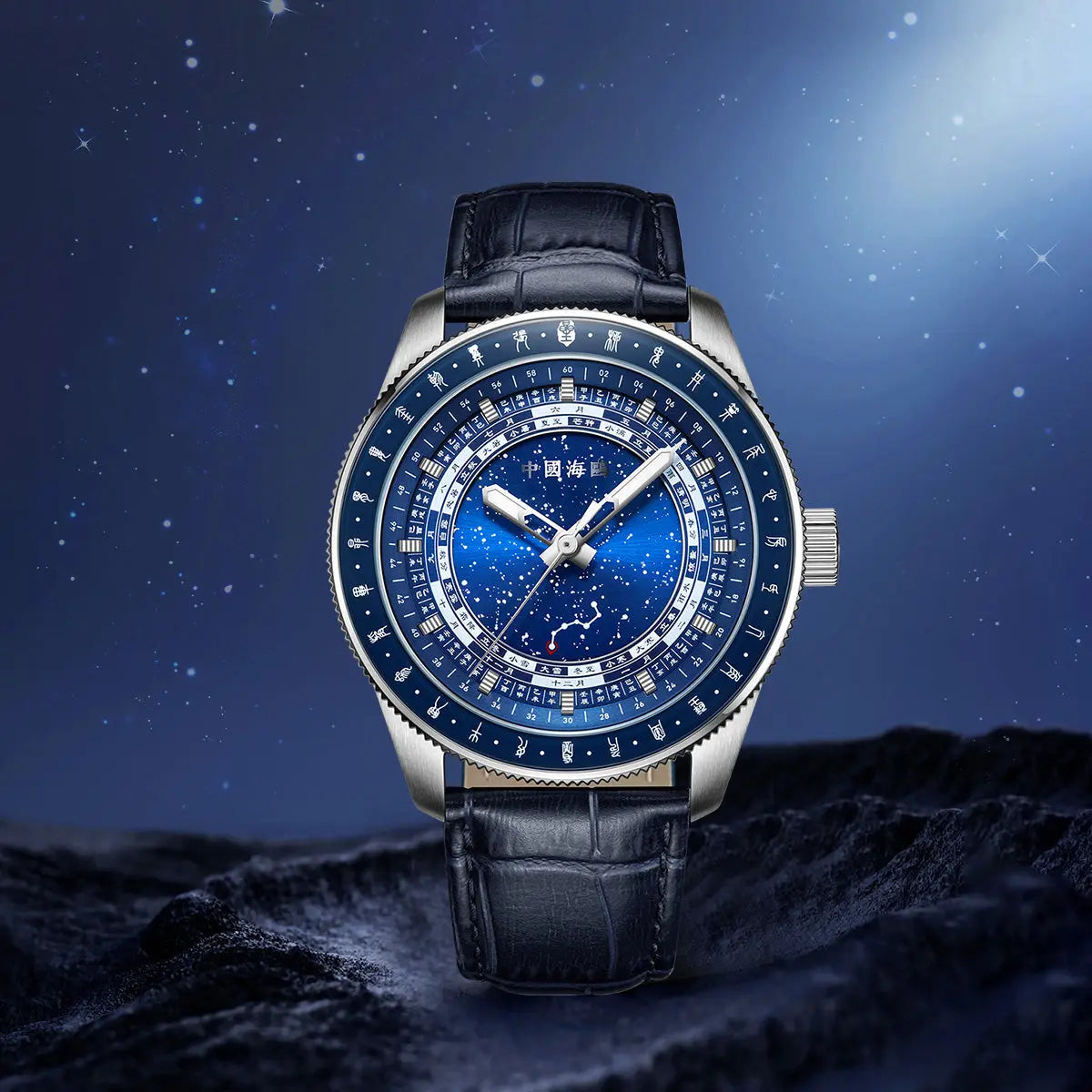
| Tourbillon and high complication | In-house tourbillon families (often ST80-series variants) | Mechanical spectacle, but plan servicing pathways earlier than you would for simpler watches |
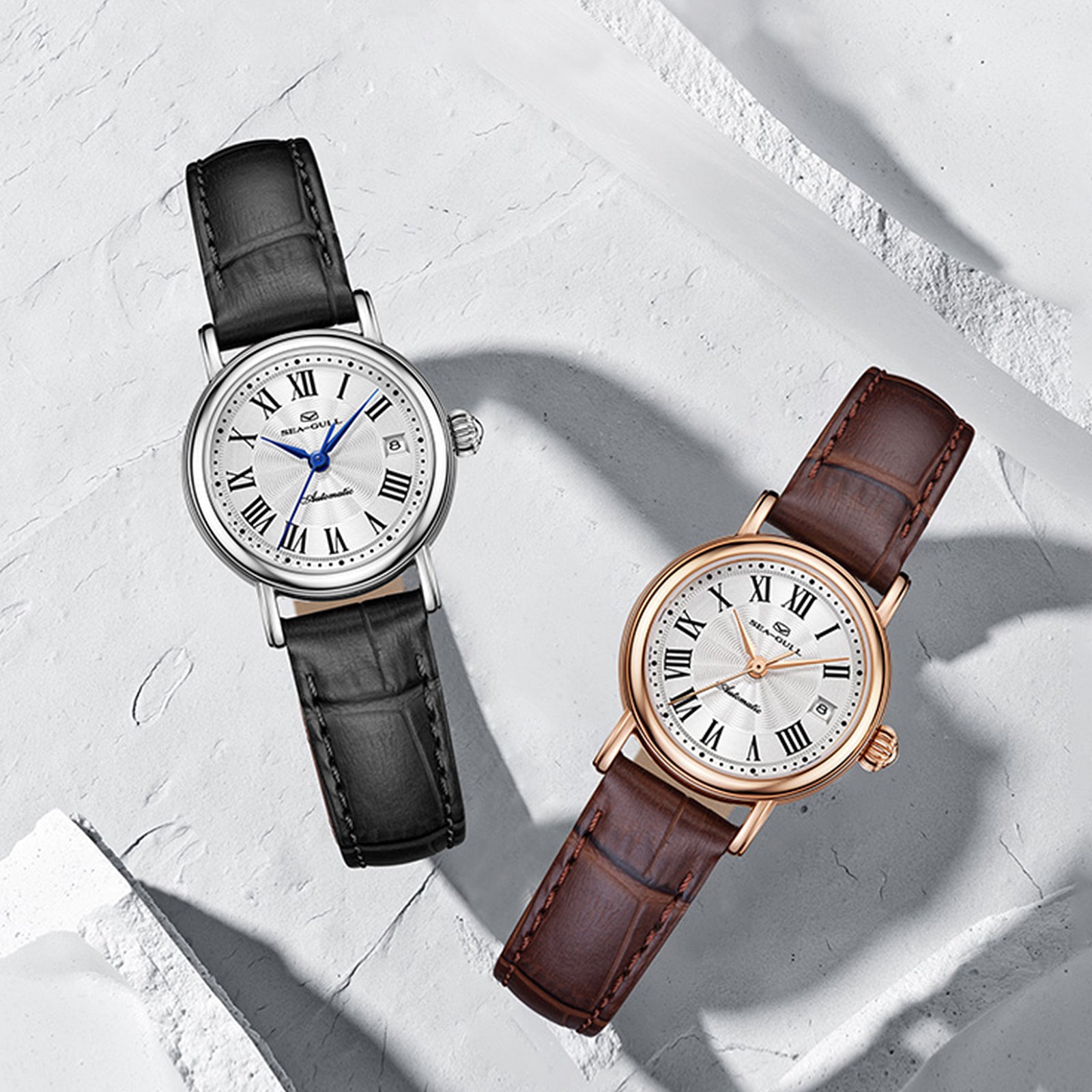
| Core automatics (dress and everyday) | Automatic 3-hand/date families (commonly ST16, ST17, ST25 derivatives) | The most straightforward segment for routine maintenance and daily wear |
| GMT and travel watches | Automatic GMT implementations based on established automatic families | Evaluate legibility and the GMT setting behavior before prioritizing cosmetics |
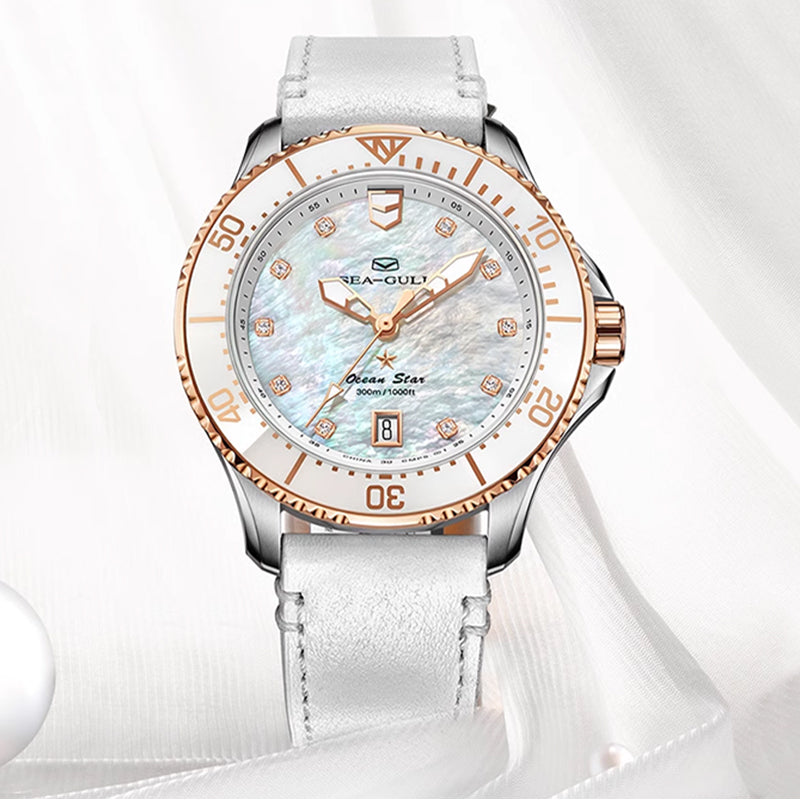
| Dive and tool watches | Robust automatic platforms in higher-WR cases | Focus on case construction, crown system, and realistic pressure-testing habits |

Six evaluation checks collectors use for the 2026 lineup
-
Start with movement continuity, not the dial.
From a manufacturing standpoint, long-lived calibres tend to have better parts flow and more consistent assembly processes over time. For collectors, the key question is whether the watch sits on a mature platform (common in the ST19 chronographs and the mainstream automatics) or on a more specialized architecture (typical of tourbillons). -
For chronograph mechanical watches, prioritize pusher feel and reset behavior.
Column-wheel chronographs are often collected for tactile operation, but they also require chronograph-competent servicing. Evaluate how you will use the timing function in real life, because service labor can become the dominant ownership cost if a watch is heavily used. -
For GMT watches, clarify how the second time zone is adjusted.
From a technical perspective, GMT can be implemented as an add-on module or as a more integrated design, and that affects setting logic. From a collector perspective, "travel practicality" comes down to whether the local-time adjustment process is intuitive and whether the 24-hour scale is readable in poor lighting. -
For dive watches, treat water resistance as a system, not a number.
Manufacturing specifications (200 m to 300 m is common in tool divers) depend on crown design, caseback sealing, and gasket condition. Collector reality is simpler: if the watch will see water frequently, plan periodic pressure tests and gasket checks, especially after knocks or crown impacts.

-
For tourbillons, decide whether you want access to the mechanism or a daily routine watch.
Industrialized tourbillon production can deliver the complication at a comparatively accessible price tier (often under a few thousand USD depending on configuration). But collector expectations should remain realistic: finishing may be utilitarian-to-moderate rather than haute horlogerie, and service options are narrower. -
Use case construction and crystal choice as "wearability filters."
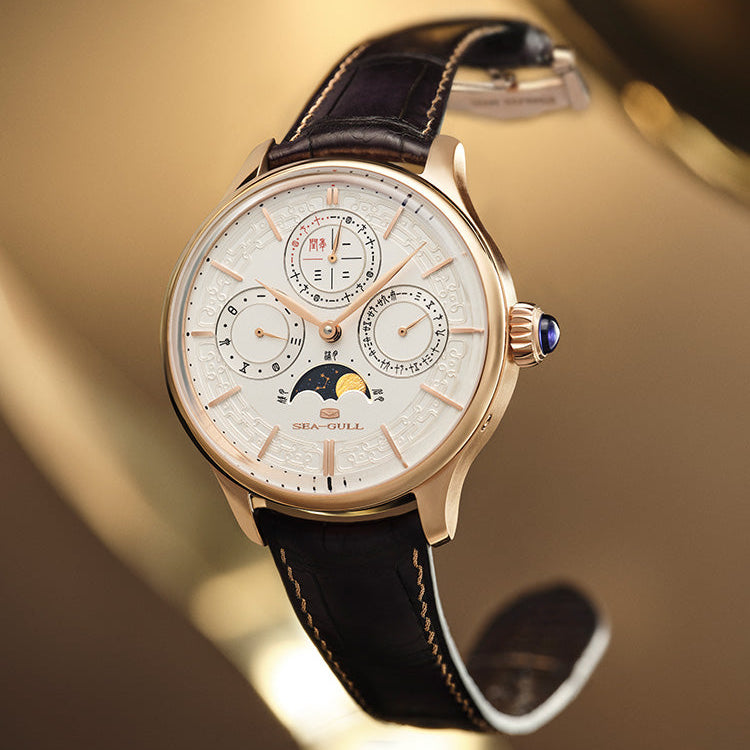
Across heritage chronographs in particular, acrylic vs. sapphire and high-30s vs. low-40s case sizing change the experience more than small dial variations. From a buyer standpoint, these choices often matter more than the color accents collectors debate online.

Channel clarity for North America and Europe
From a distribution standpoint, overseas buyers commonly encounter three pathways: distributor websites, marketplace storefronts, and OEM-adjacent watches that use the same movement families in other brands. Manufacturing scale makes the movement side familiar, but channel variety creates authenticity confusion.
A calm way to evaluate provenance is to look for three signals that reduce ambiguity:
- Traceable after-sales support: clear warranty duration, defined return or exchange windows, and a stated process for assessment and repair routing.
- Transparent logistics expectations: whether duties and taxes are explained up front, how shipping is handled, and what happens if a package is delayed or damaged.
- Model disclosure: movement reference (for example, ST19 vs. a core automatic family) and basic construction details (crystal type, water resistance, case material).
After-sales, warranty, and maintenance
Mechanical ownership is mostly predictable if you align your watch choice with your service tolerance.
-
Routine automatics (common three-hand/date families):
From a watchmaker standpoint, these are typically the most straightforward to maintain on a 4 to 7 year cadence, depending on wear and environment. For collectors, they are the safest "daily-wear" segment because service pathways are broad. -
Manual chronographs (ST19 lineage):
Manufacturing architecture is historically influenced by Swiss chronograph patterns, which helps experienced chronograph watchmakers adapt. Collector reality is that labor cost, not parts, often dominates: if a chronograph develops issues after heavy use, a full service can be a meaningful percentage of the watch's purchase price. -
Tourbillons and high complications:
From a technical perspective, regulation and servicing require specialized skill and tooling. For collectors in the US and Europe, it is prudent to confirm a servicing plan early, either through a distributor warranty pathway or a watchmaker who is explicitly willing to take on non-Swiss tourbillon work.
If you are browsing a distributor catalog for 2026, treat complication choice as the first filter (chronograph, GMT, diver, tourbillon), then evaluate case construction, warranty routing, and customs handling as the second filter. That approach tends to produce a collection that remains interesting years later, even after initial novelty fades.


Laisser un commentaire
Ce site est protégé par hCaptcha, et la Politique de confidentialité et les Conditions de service de hCaptcha s’appliquent.