

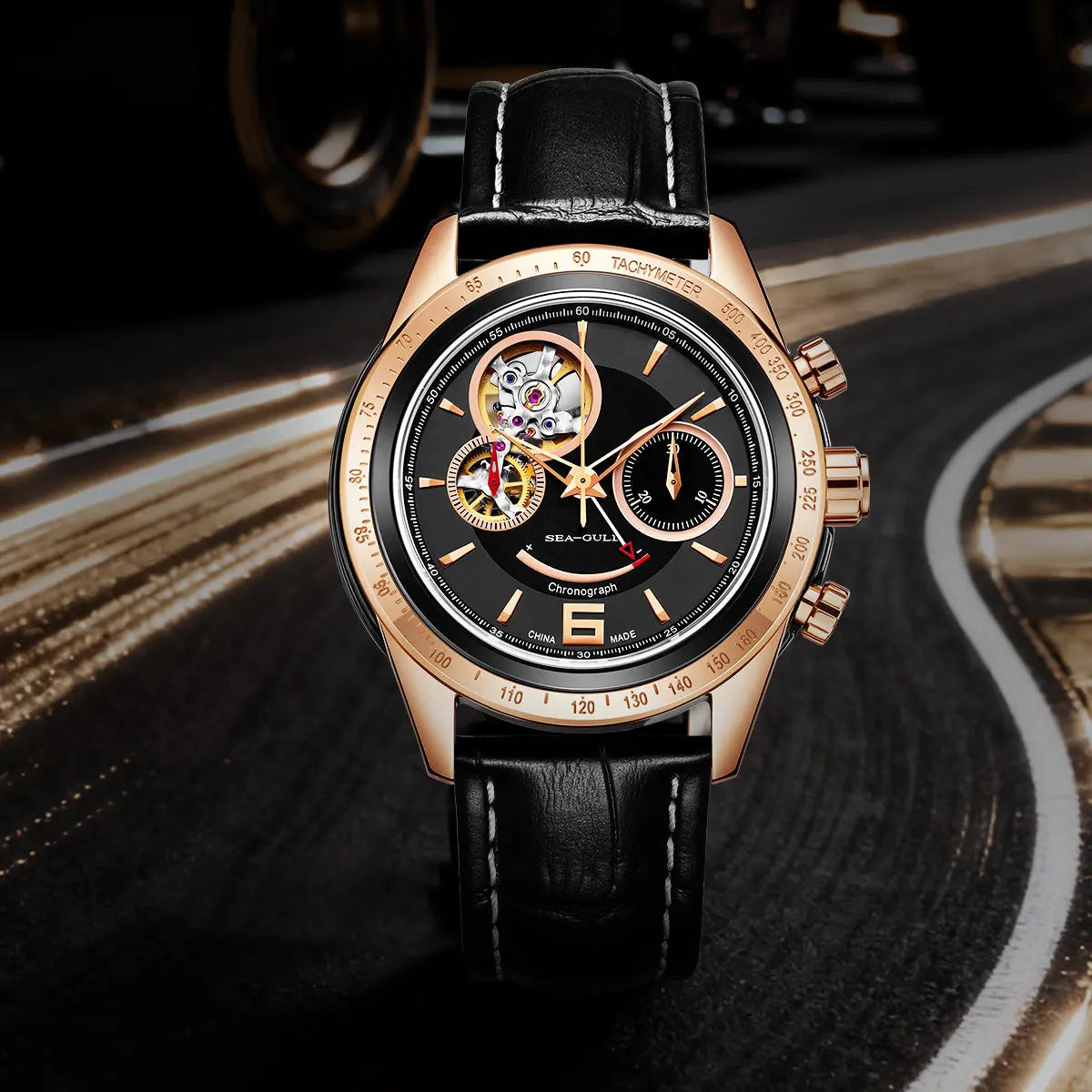
How does a chronograph watch actually work?
A chronograph watch works by adding a mechanical stopwatch system to a normal watch movement, so the watch can keep current time while also measuring elapsed time on demand.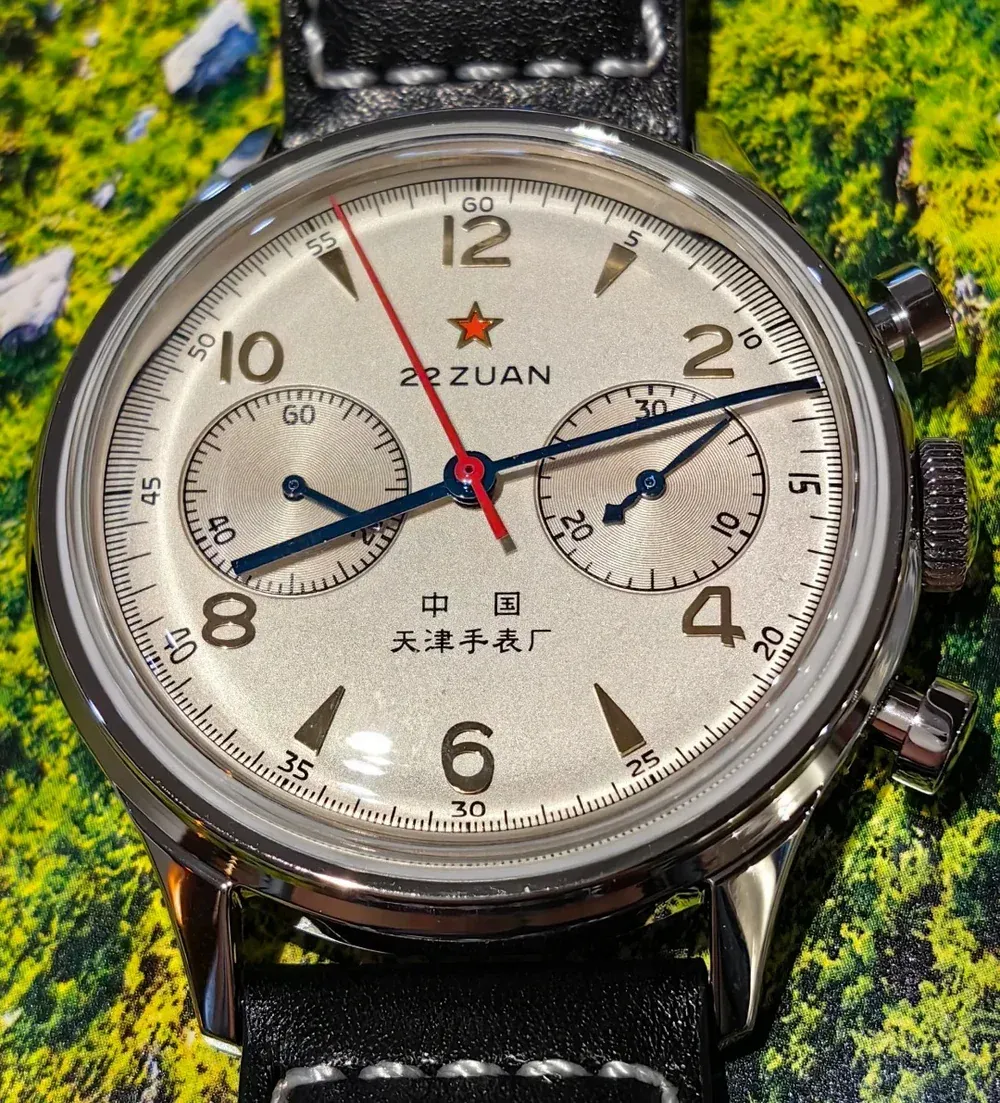
For many buyers, that simple definition matters because a chronograph watch is often confused with travel functions like GMT, a dual time zone watch, or even a world-time display with a time zone table. Those features answer questions like what is local time zone, what is time difference between cities, or all of the time zones around the world. A chronograph watch does something completely different: it measures duration. That is why the chronograph complication remains so appealing to collectors who want both useful timing and visible mechanical engineering.
If you are comparing designs, movements, or collector-focused models, the brand's own chronograph technical guide is a helpful companion to this explanation.
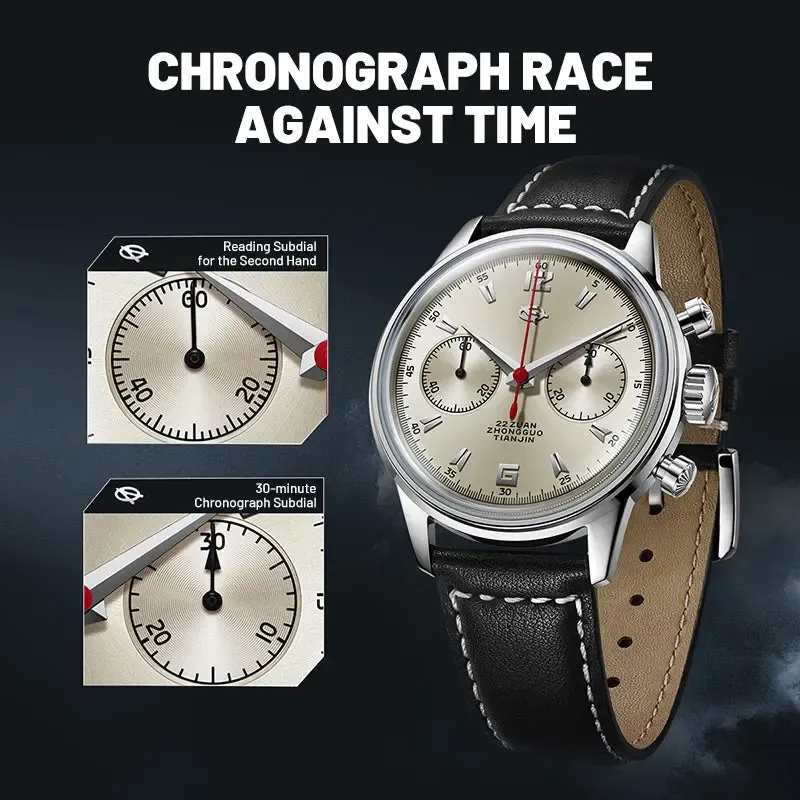
How a chronograph watch starts, stops, and resets elapsed time
A mechanical chronograph watch has two jobs running side by side. First, the base movement keeps ordinary time through the mainspring, gear train, escapement, and balance. Second, the chronograph movement stays disengaged until you press the pusher.
In most designs, the upper pusher starts and stops the stopwatch function, while the lower pusher resets it. When you press start, the movement engages an extra timing train. That train drives the central chronograph seconds hand and, over time, the minute counter and sometimes the hour counter.
When you press stop, the timing display freezes so you can read the result. When you press reset, a hammer acts on heart-shaped cams and returns the chronograph hands to zero.
That sequence explains the real chronograph meaning in watchmaking. It is not just a sporty dial layout. It is an on-demand mechanical timing function built into the watch.
Why a chronograph watch mechanism is more complex than a normal watch
A standard three-hand watch only needs to display current time. A chronograph watch mechanism must do more. It has to engage extra gears instantly, keep the elapsed-time display stable, and then reset the hands precisely to zero.
The key parts usually include:
| Component | What it does in a chronograph watch |
|---|---|
| Base movement | Keeps regular time |
| Pusher | Sends the command to start, stop, or reset |
| Column wheel or cam | Coordinates the switching actions |
| Clutch | Connects the chronograph train to the movement |
| Chronograph seconds wheel | Drives the central elapsed seconds hand |
| Minute counter | Records elapsed minutes |
| Reset hammer | Strikes the reset system |
| Heart cams | Return the hands exactly to zero |
Collectors often pay close attention to the switching system. A column wheel chronograph is prized for smoother pusher feel and more traditional mechanical charm. A cam-switched chronograph can still be robust and practical, but enthusiasts often find the column wheel chronograph more satisfying to operate.
This is one reason mechanically focused buyers spend time exploring Sea-Gull watches and reading deeper movement explanations before choosing a model.
How a mechanical chronograph watch differs from GMT and time zone functions
A chronograph watch is frequently grouped with other complications, but its purpose is very different. If your goal is timing a parking session, workout interval, or brewing time, a mechanical chronograph is the right tool. If your goal is managing time differences with GMT, the difference in time zones, or checking whats the time difference between New York and London, then you need a GMT hand function or a dual time zone watch instead.
That distinction matters because many searches around time zones earth, globe timezones, show me time zones, time for all country, gtm time, GMT, time zones dst, or what are all the time zones are about displaying multiple local times. A chronograph does not show a time zone table or all of the time zones. It measures elapsed time only.
| Watch type | Main purpose | Best for |
|---|---|---|
| Chronograph watch | Measure elapsed time | Events, laps, intervals |
| Automatic GMT watch | Track another time zone | Travel, business coordination |
| Dual time zone watch | Show two zones at once | Frequent cross-border scheduling |
| Automatic moon phase watch | Display lunar cycle | Aesthetic and astronomical interest |
| Automatic calendar or Calendar quartz watch | Show date-related information | Daily calendar use |
If your needs are travel-focused, the brand's article on managing time differences with GMT watches gives a clearer explanation of how a GMT watch works and the difference between GMT and dual time watch formats.
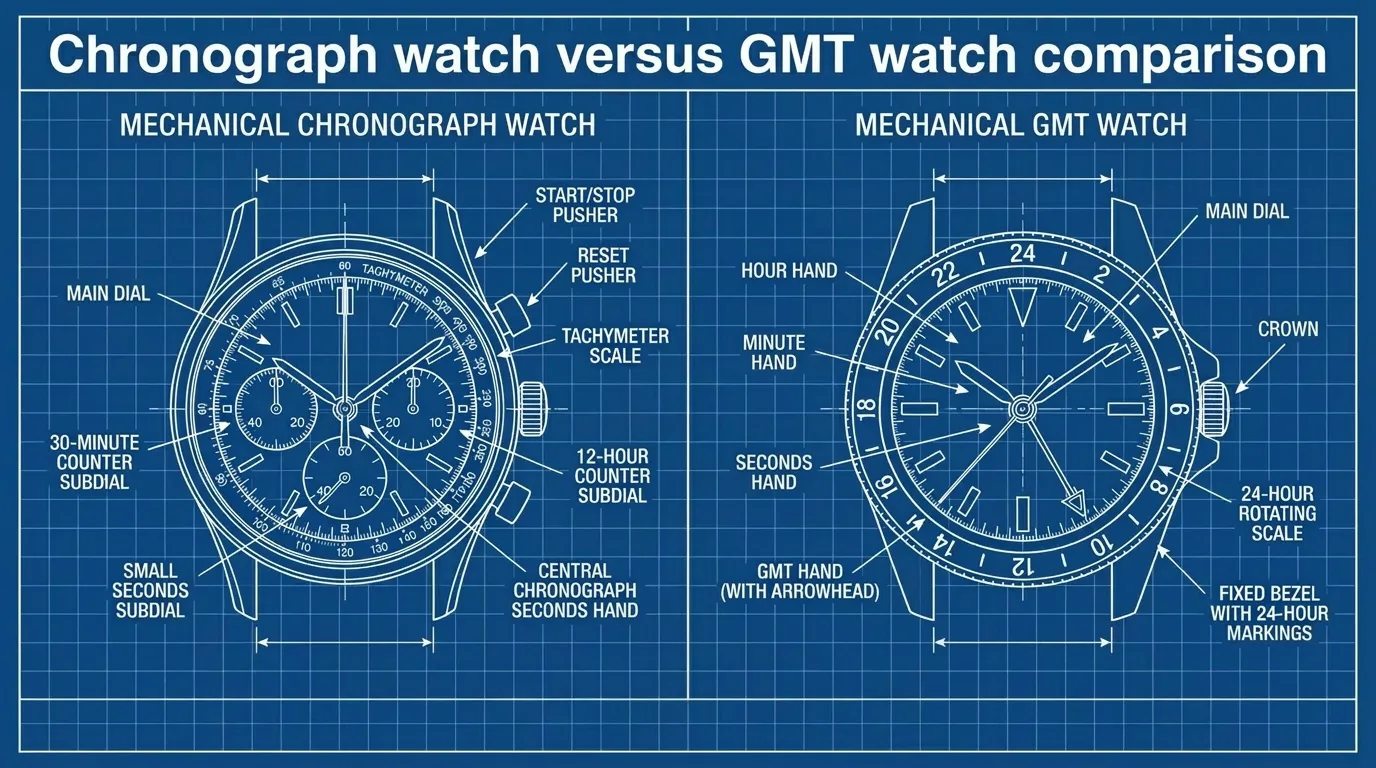
That comparison also helps answer a common buying question: the best mechanical chronograph watches are not automatically the best choice for someone who mainly needs different time zones on the wrist.
Why the ST19 chronograph movement matters in a chronograph watch
For enthusiasts researching a Chinese chronograph watch, the ST19 chronograph movement is one of the most important names in the category. It is widely recognized as a manual-wind, column-wheel mechanical chronograph with strong collector appeal.
In practical terms, the ST19 chronograph movement matters because it offers access to a classic mechanical chronograph experience without moving straight into much higher pricing tiers. It also connects directly to the broader conversation around Chinese chronograph movement development, the evolution of Chinese chronograph calibers, and the origins of modern Chinese horology.
Commonly cited characteristics of the ST19 family include:
- Manual winding
- Column-wheel chronograph control
- Traditional chronograph mechanical watches architecture
- Beat rate often cited at 21,600 vph
- Power reserve commonly cited around 42 to 45 hours
Still, buyers should be careful not to assume every version is identical. ST19-family variants can differ in register layout and function.
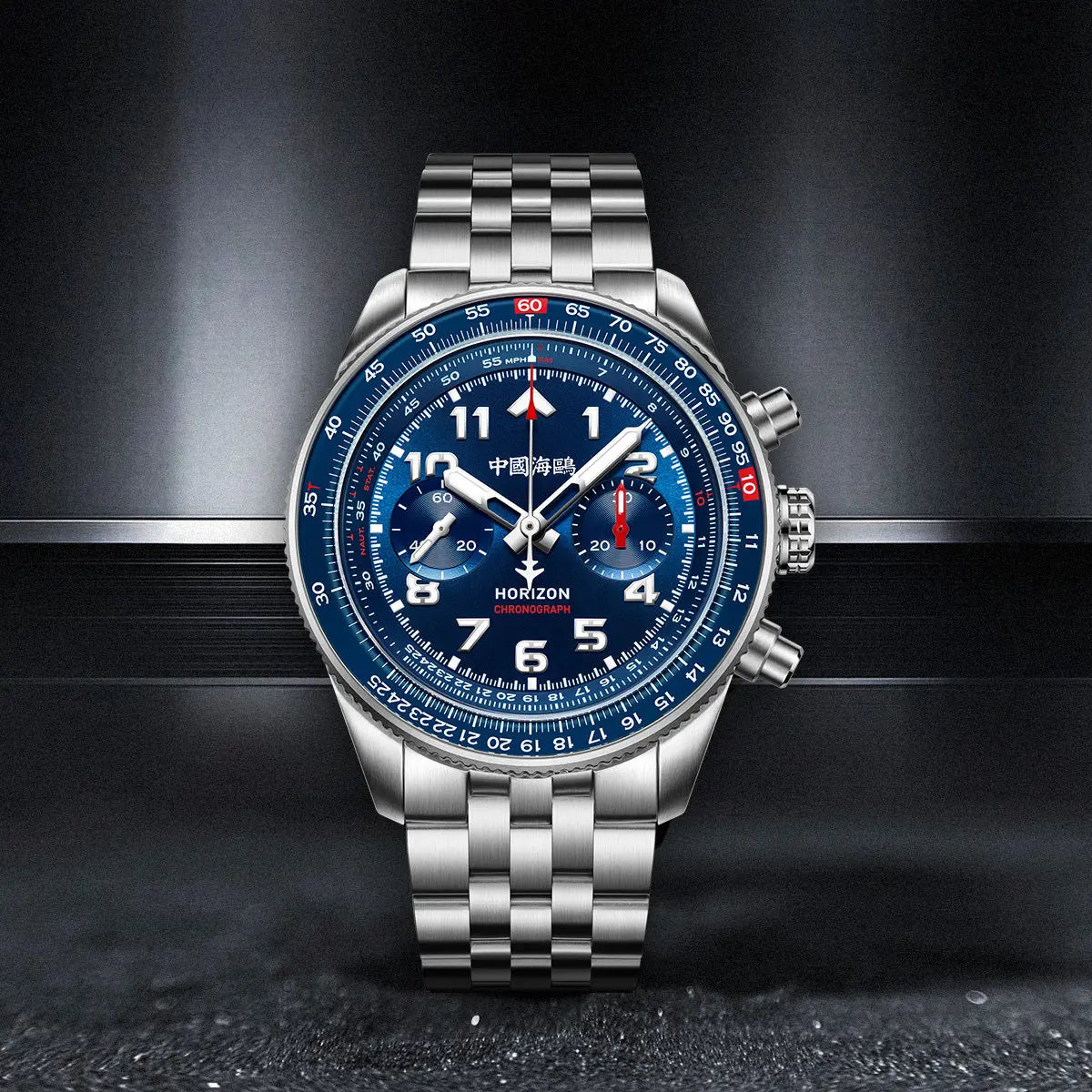
If you want to explore a product closely associated with this collector interest, the Sea-Gull 1963 collection is the most relevant place to start. It is especially appealing for anyone looking for a classic mechanical chronograph, a pilot chronograph, or a practical entry point into a mechanical chronograph guide.
How to use a chronograph watch correctly before you buy one
A chronograph watch is enjoyable because it turns timing into a physical action. You press the pusher, feel the mechanism engage, watch the central hand sweep, and then reset it back to zero. That tactile interaction is a big part of why collectors still prefer a mechanical chronograph over a phone timer or even www online stopwatch com.
Basic use is simple:
- Press the upper pusher to start.
- Press it again to stop.
- Press the lower pusher to reset.
Safe operation matters too. Based on the provided watch-use guidance, do not press the start/stop button and reset button at the same time. On a standard non-flyback mechanical chronograph watch, you should stop before resetting. It is also wise not to leave the chronograph running unnecessarily for long periods, because that can add load to the movement.
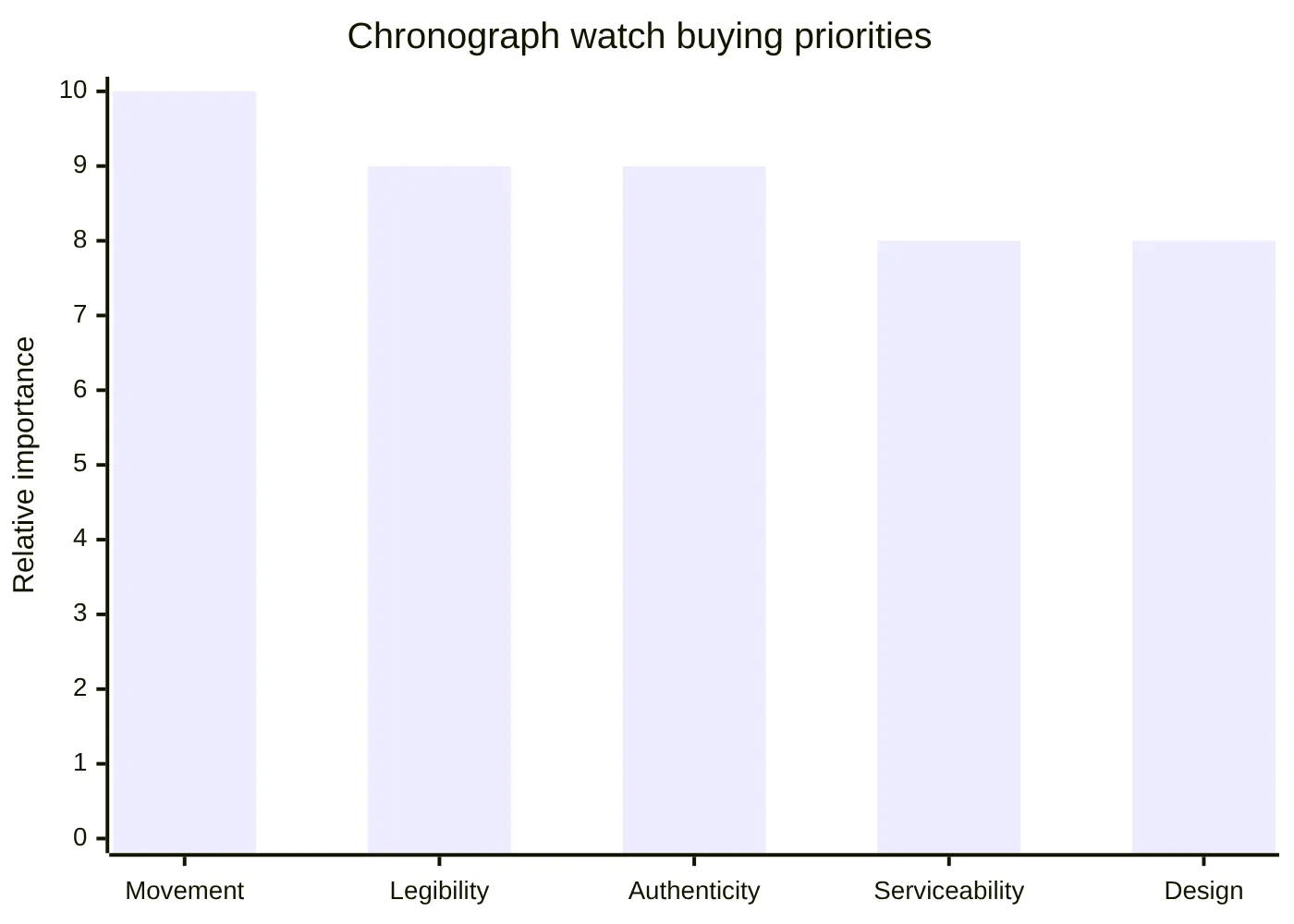
Before buying, focus on five things:
- Movement type: manual-wind or automatic
- Switching style: column wheel chronograph or cam system
- Dial clarity: easy-to-read elapsed seconds and counters
- Authenticity and support: buy through a trusted distributor website
- Long-term ownership: check service and warranty documentation
For shoppers browsing available models, the chronograph watches collection is the most direct category page to review alongside the broader Sea-Gull watches collection.
A chronograph watch remains compelling because it makes elapsed time visible through pure mechanics. That is the real appeal. A GMT solves what is time difference between places. A moon phase expresses the lunar cycle. An automatic calendar handles the date. But a mechanical chronograph turns timing itself into an interactive complication, which is exactly why it continues to stand out for enthusiasts and collectors.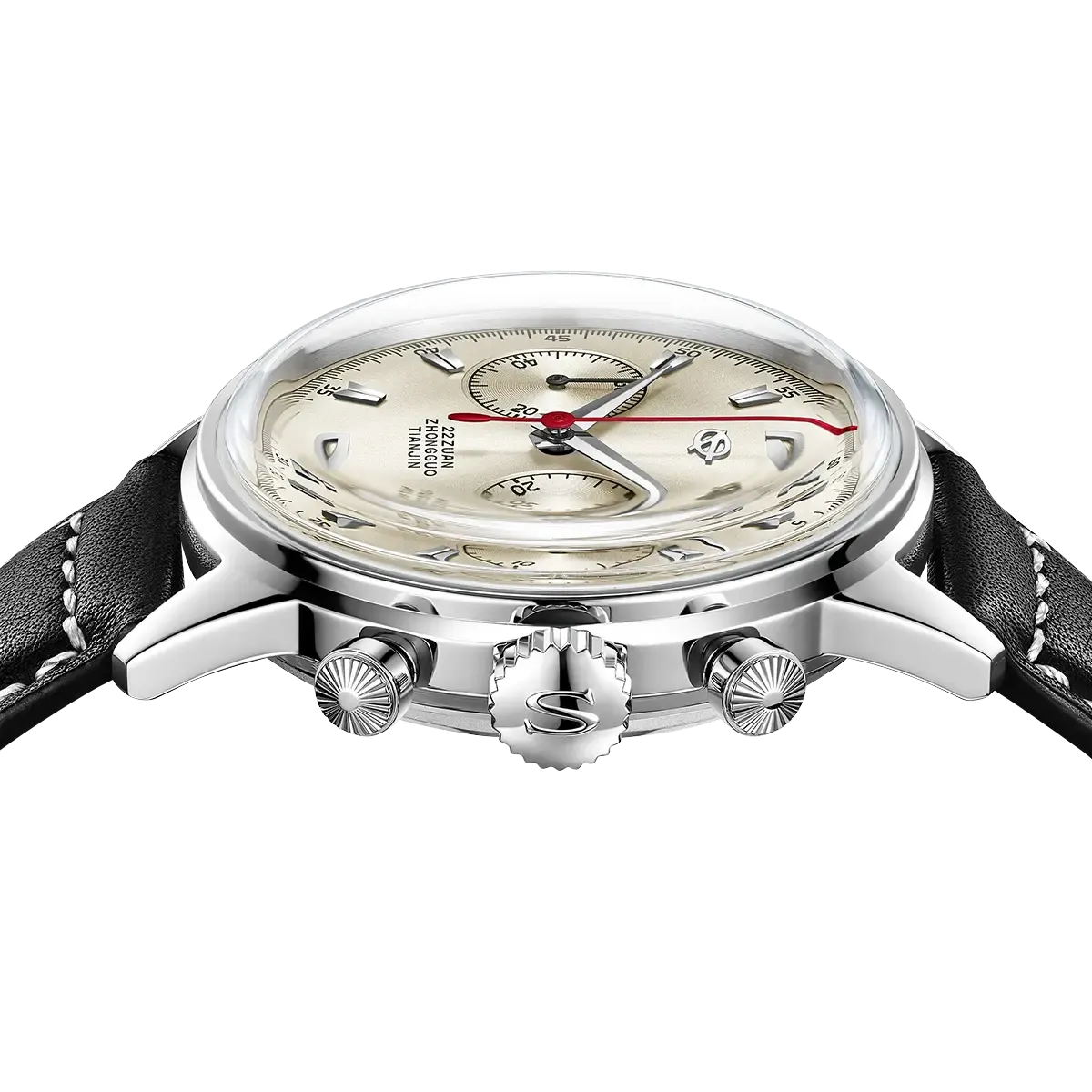

Laisser un commentaire
Ce site est protégé par hCaptcha, et la Politique de confidentialité et les Conditions de service de hCaptcha s’appliquent.