




Article: Crown and Pusher Habits for Mechanical Watch Owners
Crown and Pusher Habits for Mechanical Watch Owners
A mechanical chronograph watch rewards calm, deliberate handling: the crown manages winding and setting, while the pushers measure elapsed time. Separating those jobs turns everyday operation into an easy ritual instead of a guessing game. Keep the watch dry while operating its controls, use gentle pressure, and let model-specific instructions guide any function that differs from the conventional layout.
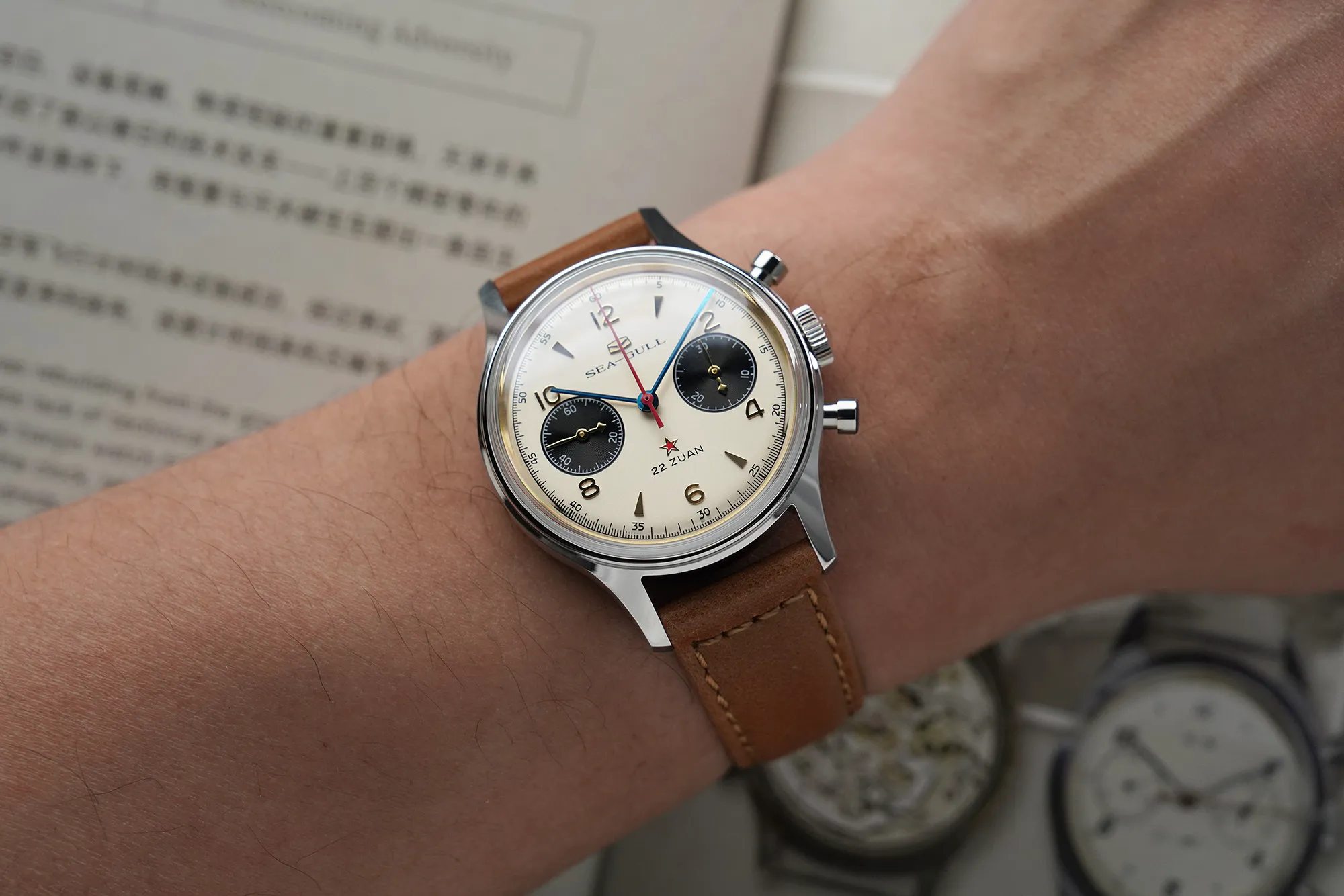
How a mechanical chronograph watch separates crown and pusher duties
The crown is the control for the watch's timekeeping functions. Depending on the model, it may be used for winding, setting the time, and adjusting a date or another indication. Crown positions are not universal, so identify whether your watch has a push-pull or screw-down crown before making an adjustment.
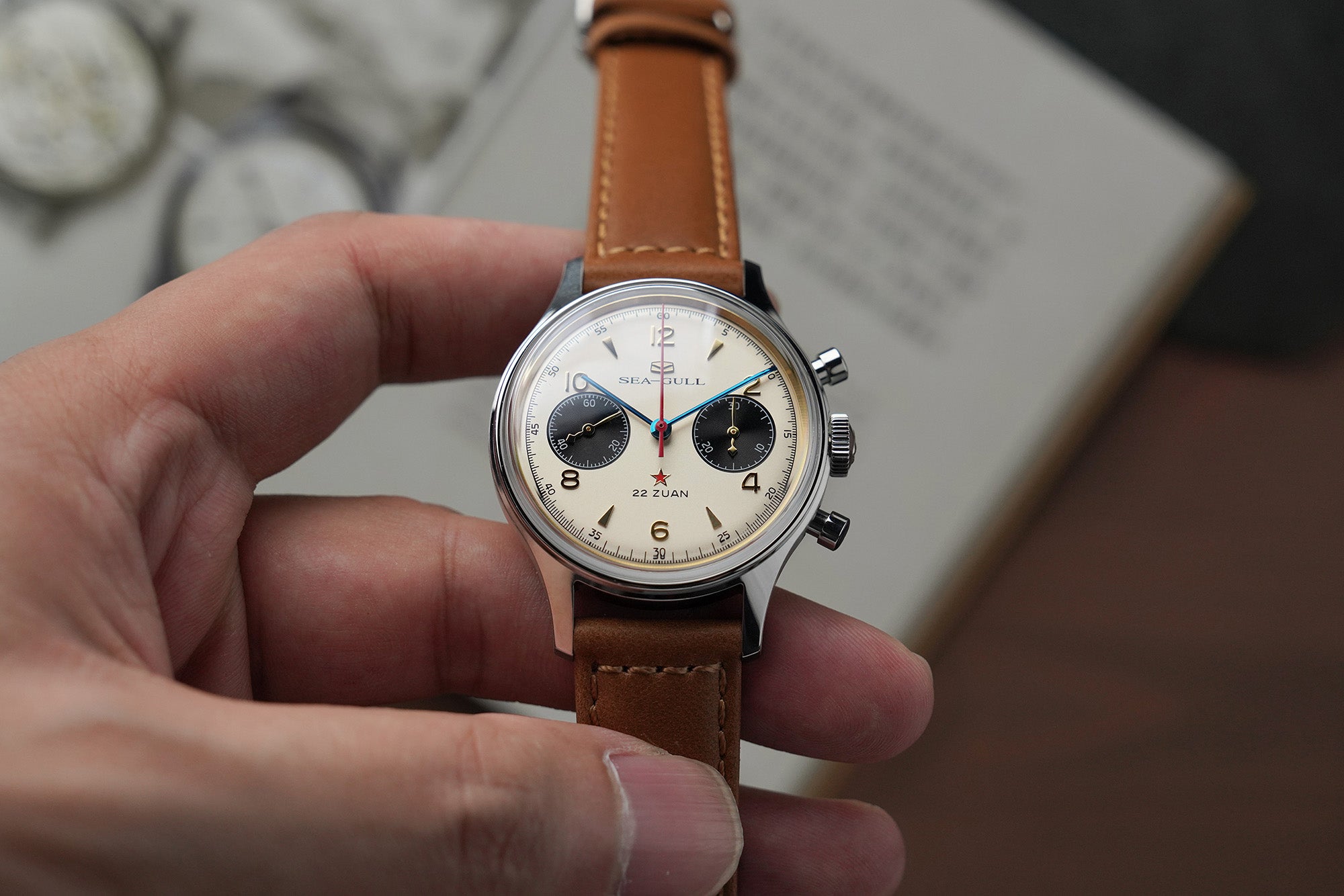
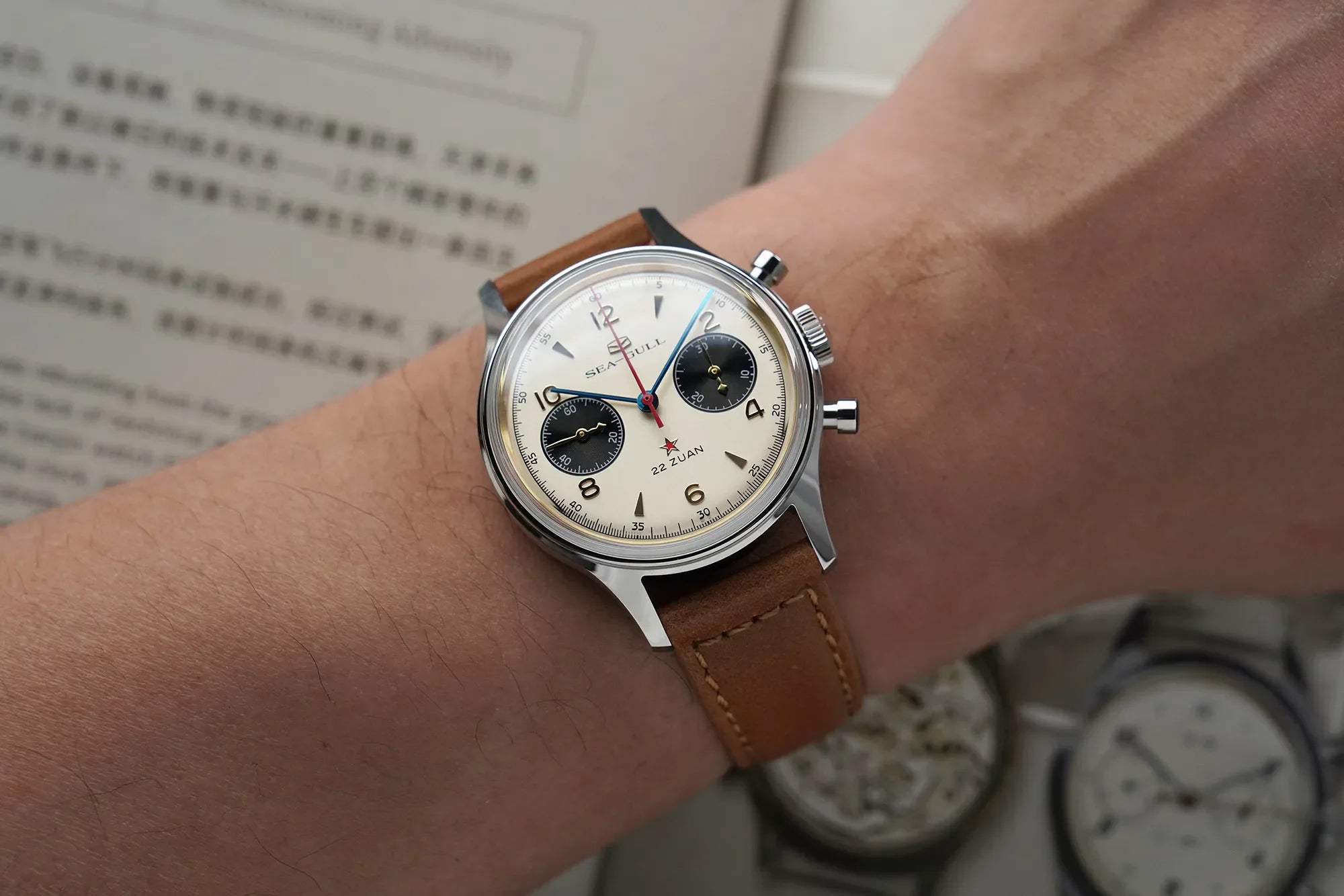
Pushers operate the independent elapsed-time mechanism. On a conventional two-pusher mechanical chronograph watch, the upper pusher generally starts and stops timing, while the lower pusher resets the elapsed-time hands after they have stopped. Specialized designs, including flyback, monopusher, and split-seconds chronographs, follow their own procedures.
| Control | Usual job | Best habit |
|---|---|---|
| Crown | Winding and time setting | Work slowly and return it to its normal position |
| Upper pusher | Start and stop elapsed timing | Press directly and evenly |
| Lower pusher | Reset elapsed-time hands | Use after timing has stopped on a conventional design |
A chronograph watch crown routine for winding and setting
Begin with clean, dry fingers. Check the crown type and the required position in the watch documentation, then perform one task at a time. Wind the watch, set the date where applicable, or set the time, rather than rapidly moving between positions.
A screw-down crown should be released and secured according to its instructions. With a push-pull crown, use a straight, controlled motion to pull it only as far as needed. Turn gently. If the crown response feels unfamiliar, stop and consult the documentation instead of applying more force.
Manual-wind designs deserve the same measured approach. Wind until the crown reaches its natural end point, then stop. Automatic and manual-wind watches can have different winding routines, so the instructions supplied for your model remain the best guide.
Finish every adjustment by returning the crown fully to its normal position. This small habit keeps the case controls tidy and supports the water-resistance arrangement specified for the individual watch.
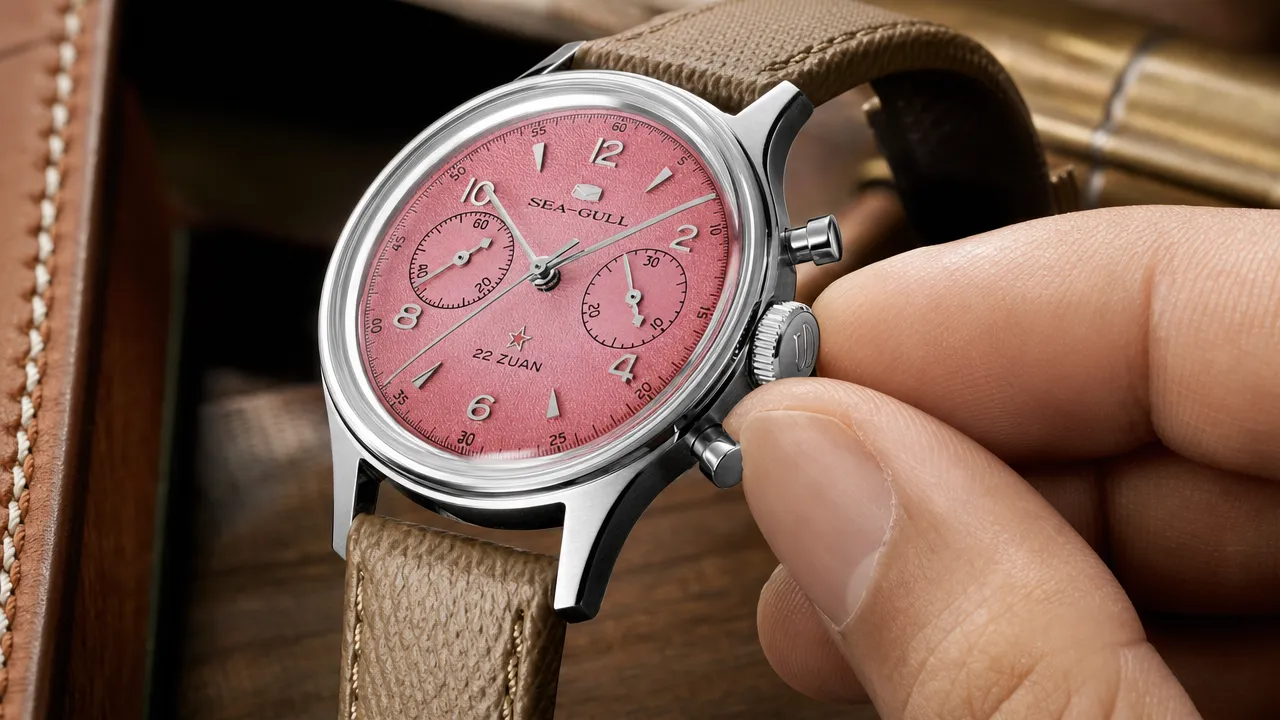
The chronograph watch start, stop, read, reset routine
A conventional chronograph watch follows a simple sequence: start, stop, read, reset. Before timing, confirm that the elapsed-time hands are at zero. Press the designated start/stop pusher once to begin. Press the same pusher again when the interval ends, read the result, then use the reset pusher.

Reset is the final action on a conventional non-flyback design. Do not press the reset pusher while timing is running unless your watch documentation expressly identifies a flyback function or another specialized operating system.
The ritual works equally well for ordinary moments: timing a coffee brew, keeping a meeting segment on schedule, measuring a workout interval, or tracking a short cooking task. Each press creates a direct interaction with the mechanical chronograph rather than a menu-driven function on a screen.
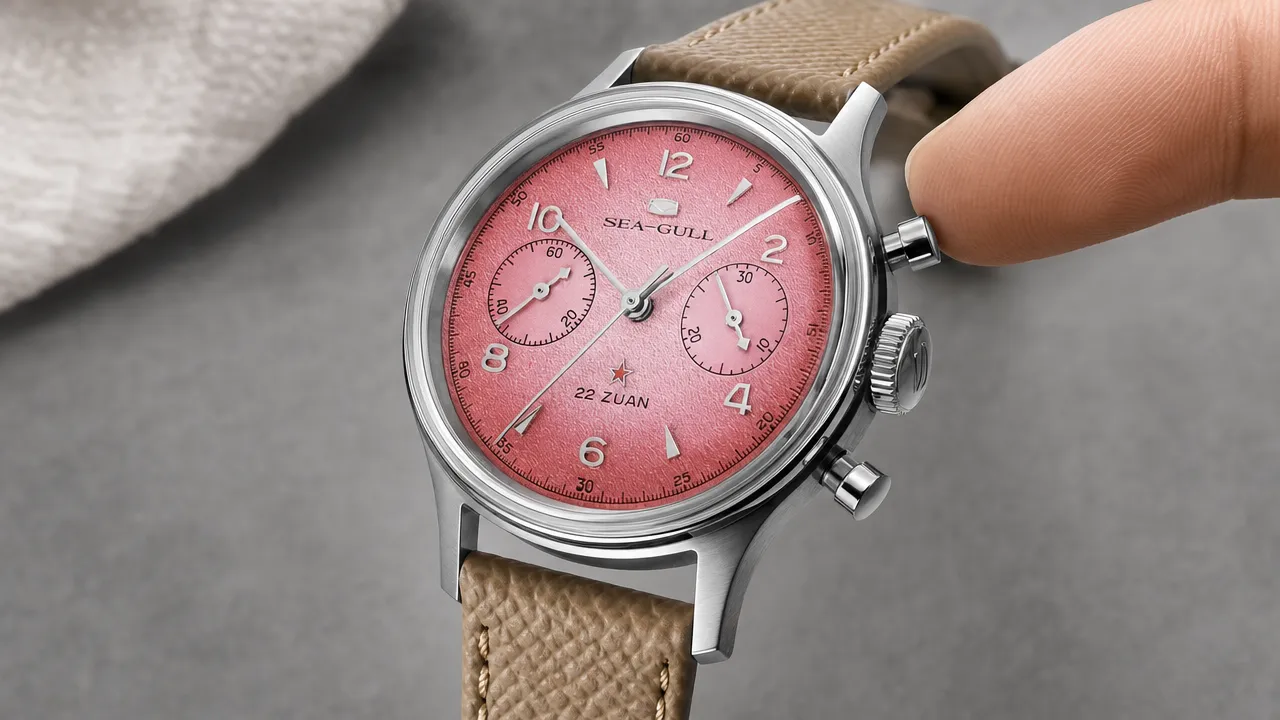
Everyday chronograph watch habits that protect the experience
Operate the crown and pushers in dry conditions unless the documentation for your exact watch permits another use. After moisture exposure, dry the case and its controls before adjusting anything.
A few straightforward practices keep mechanical ownership uncomplicated:
- Use smooth, direct pressure on pushers rather than sideways or forceful presses.
- Keep the watch away from strong magnetic fields, significant impacts, and extreme temperatures.
- Store it in a clean, dry place when it is not on the wrist.
- Check the instructions before using a quick-set date function.
- Retain purchase and service records, then use an authorized service channel where applicable.
These routines suit a chronograph watch for collectors because they preserve the pleasure of interaction without turning ownership into a list of anxieties.
Why a classic mechanical chronograph remains satisfying to use
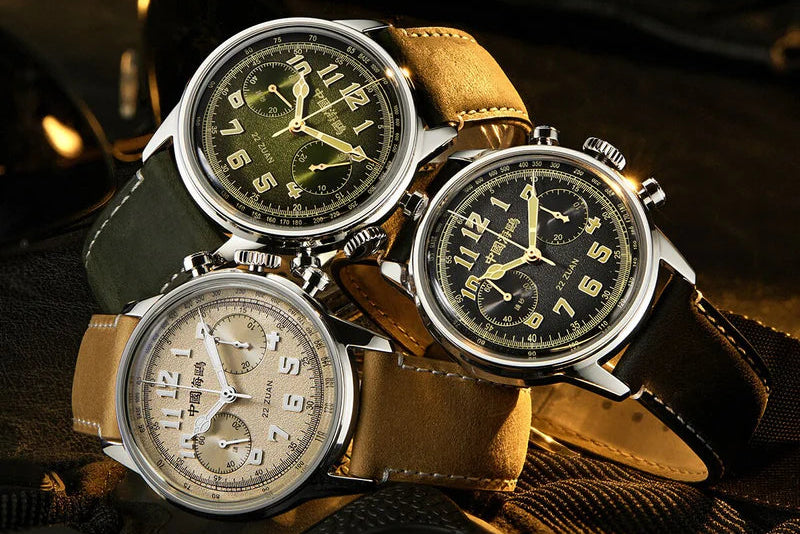
A classic mechanical chronograph makes elapsed time visible through hands, registers, and dedicated case controls. The upper pusher begins a task, the same pusher ends it, and the reset returns the display to readiness. That visible logic gives the complication a practical character that classic chronograph watches continue to offer.
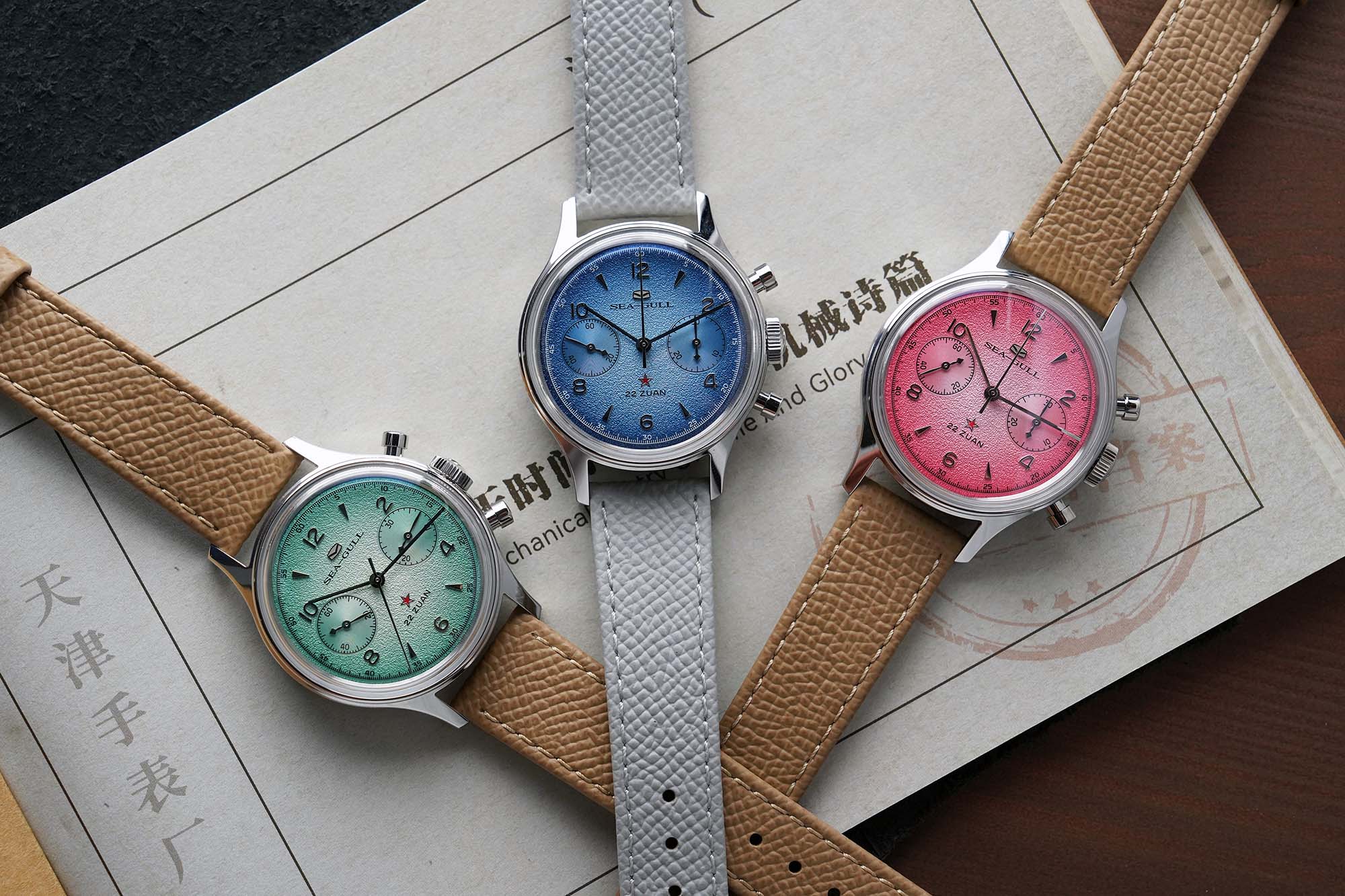
Sea-Gull's Tianjin watchmaking history dates to 1955 and connects the brand with an early chapter of Chinese wristwatch manufacturing. For enthusiasts exploring a Chinese chronograph watch, the Sea-Gull 1963 chronograph collection offers a heritage-oriented place to browse. A Sea-Gull mechanical chronograph can be appreciated as both a daily timing tool and a study in mechanical interaction.
Collectors seeking a closer look at chronograph construction can continue with a collector's guide to mechanical chronographs or explore Sea-Gull's watchmaking history.
Purchase through an authorized dealer or distributor website where applicable, and retain the warranty card, packaging, and valid proof of purchase for after-sales support. For buyers in North America and Europe, prices include duty, free shipping, and VAT, with no additional fees charged.

Laisser un commentaire
Ce site est protégé par hCaptcha, et la Politique de confidentialité et les Conditions de service de hCaptcha s’appliquent.