












Artículo: Switching from Quartz to Mechanical: A Black Friday Buyer's Reality Check

Switching from Quartz to Mechanical: A Black Friday Buyer's Reality Check
Mechanical ownership trades battery-powered continuity for energy held in a mainspring. The reward is a more tactile relationship with time; the cost is regular winding or wear, periodic resetting, and less exact daily ratekeeping. It can be deeply satisfying, but it is not an automatic upgrade from quartz.
What Changes When the Battery Disappears
Most quartz watches rely on stored electrical energy and a quartz oscillator. They ask little day to day and generally offer more precise practical timekeeping.
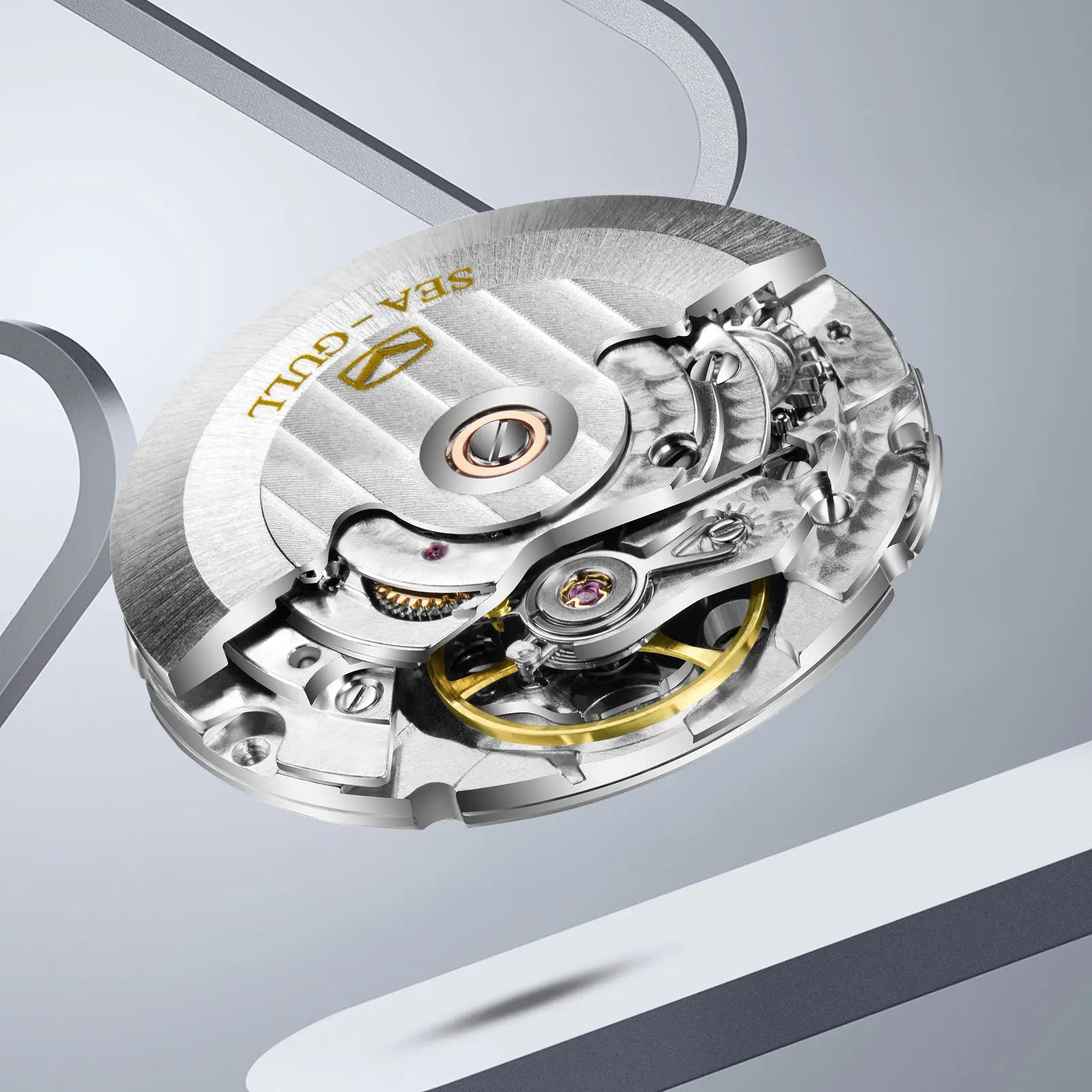
Mechanical watches run from energy stored in a mainspring. A manual-wind watch requires crown winding. An automatic watch uses wrist movement to add energy through its winding system.
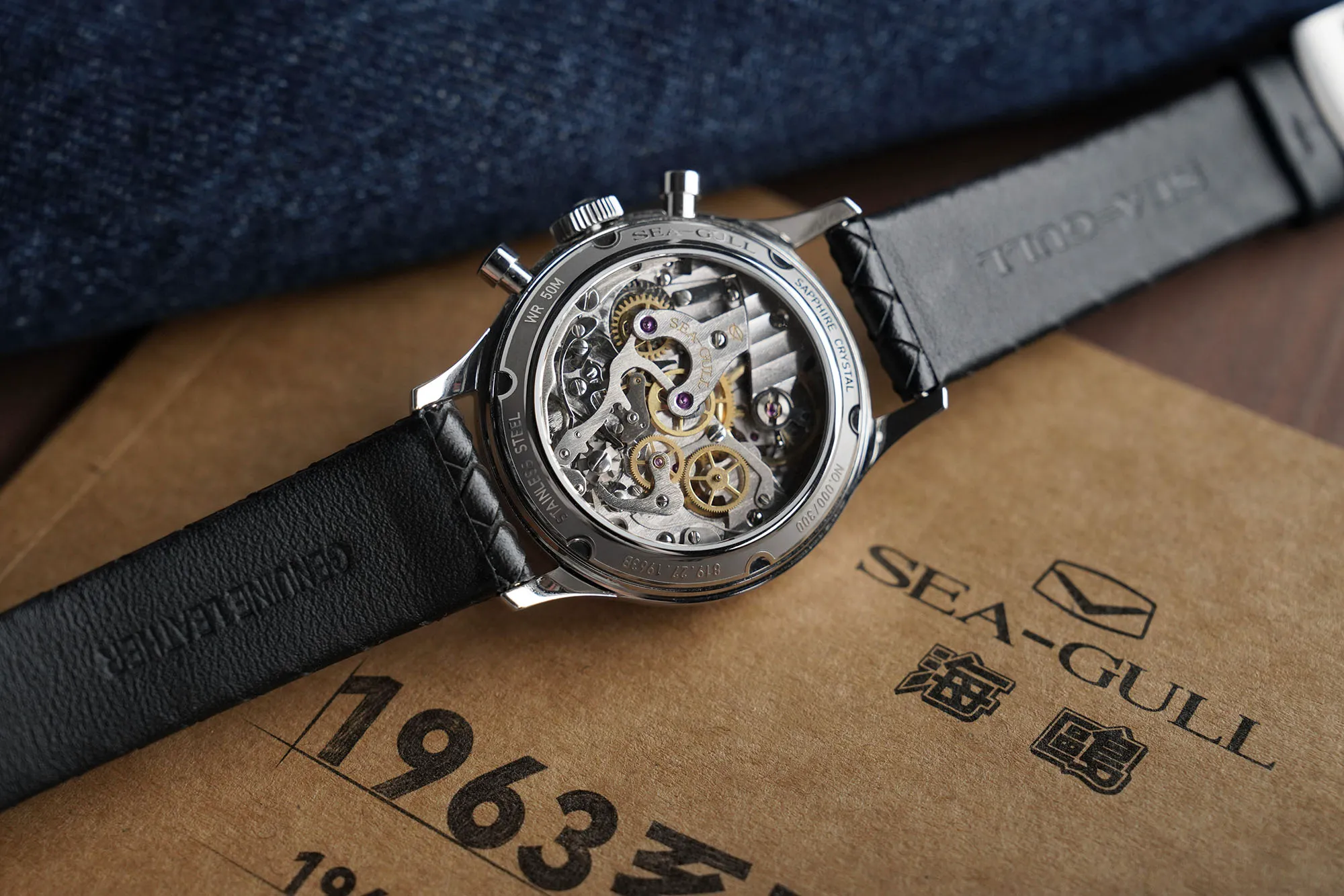
Automatic does not mean the watch runs indefinitely when left on a table. It can stop after its model-specific power reserve is depleted. This is normal behavior.
Mechanical makes sense when winding, monitoring the power reserve, and occasionally resetting the display feel like welcome rituals. Quartz remains the better fit when uninterrupted operation and minimal interaction matter most.
Learn the Winding and Restart Routine
Follow the instructions supplied for the specific watch before using the crown. Winding direction, crown positions, and the appropriate number of turns vary by movement.
Use this process when an automatic mechanical watch has stopped:
- Confirm that the crown is in the correct winding position.
- Wind the watch only if its instructions permit crown winding.
- Set the correct time after the watch starts.
- Correct the date or other calendar display if the watch includes one.
- Secure a screw-down crown fully after setting.
Do not shake a stopped watch vigorously to start it. Crown winding or normal wrist wear is the safer general procedure.
Date mechanisms require additional care. Many mechanical watches have a period around late evening and early morning when the calendar system is preparing to advance. Avoid quick-setting the date during that period unless the model instructions expressly allow it. Set the time outside the restricted window first, then adjust the calendar as directed.
Set Realistic Accuracy Expectations
Mechanical timekeeping should be assessed in daily variation, not quartz-style long-term precision. Rate can change with the watch's position, its state of wind, temperature, activity level, magnetism, and movement adjustment.
Check the time periodically against a reliable reference. Reset the watch when its difference becomes inconvenient for your schedule. A modest gain or loss does not automatically indicate a defect.
Do not apply chronometer figures to every mechanical watch. The COSC standard of minus 4 to plus 6 seconds per day applies to qualifying certified mechanical chronometer movements under its test conditions. A watch without that stated certification should be judged by its own specifications and observed performance.
Seek professional assessment if you notice any of the following:
- A sudden and sustained change in daily rate.
- Moisture beneath the crystal.
- A damaged, loose, or difficult-to-operate crown.
- Hands, calendar functions, or winding behavior that do not operate normally.
- Noticeable timekeeping changes after strong magnetic exposure or impact.
Mechanical watches need condition-based service. Do not assume that every movement follows the same service schedule. Retain the manual, proof of purchase, and service information for the specific model.
Read Water Resistance Literally
Water resistance is model-specific. A mechanical movement does not make a watch suitable for water exposure, and a water-resistance marking does not eliminate the need for care.
Before exposing the watch to water, check the product specifications and operating instructions for that exact model.
Use these precautions:
- Ensure the crown is fully closed before water exposure.
- Screw down the crown when the watch is equipped with a screw-down design.
- Do not operate the crown, pushers, or correctors while the watch is wet or underwater.
- Keep leather straps away from water, cosmetics, oil, and prolonged direct sunlight.
- Follow the maker's instructions before rinsing a watch after saltwater exposure.
- Arrange an inspection if moisture appears under the crystal.
Gaskets and crown seals age with use. Treat water resistance as a maintained condition, not a permanent guarantee.
Choose the Kind of Interaction You Want
Select by the type of mechanical interaction you want to see and use. Do not select solely because a mechanical watch seems more prestigious than quartz.
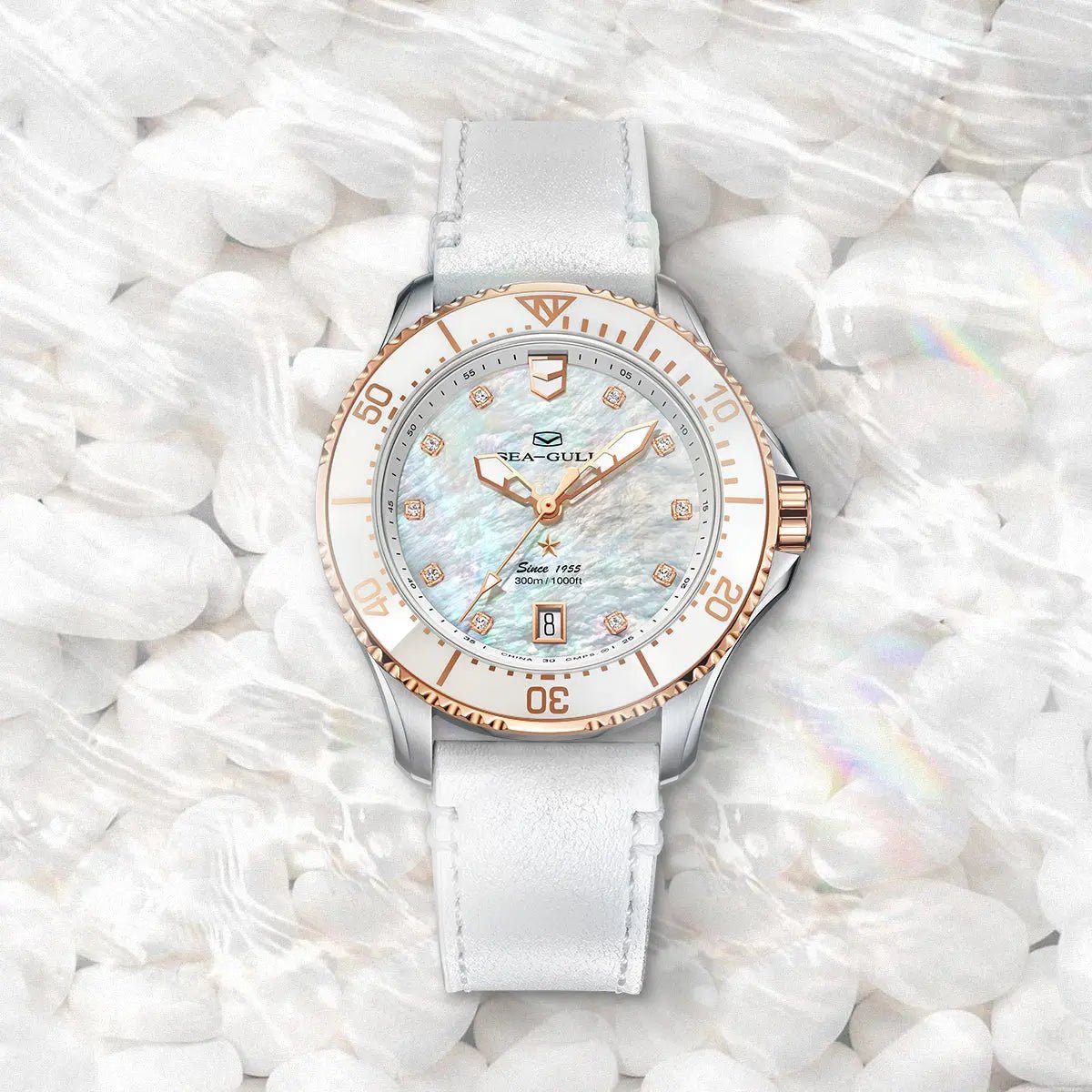
For visible movement detail, consider the Seagull Minimalist Elegant Skeleton Crystal Mother-of-Pearl Dial Automatic Mechanical Watch 819.17.1029KL. Its skeleton presentation makes the moving mechanism part of the visual design.

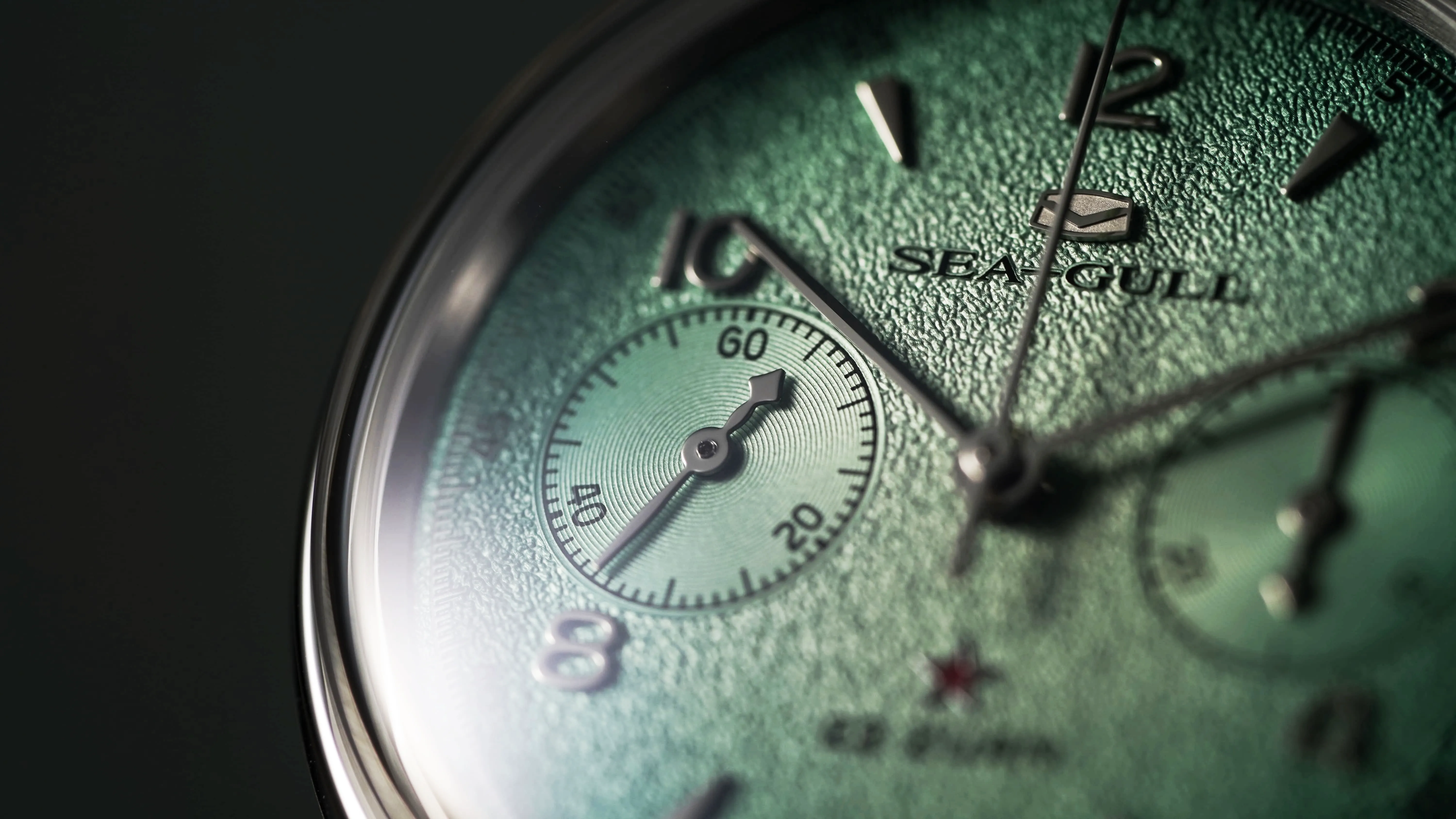
For a calmer introduction to mechanical ownership, review the Sea-Gull Classic Calendar 1054. Its automatic ST2130 movement, clear calendar display, and stated 42mm case offer a more restrained counterpoint to the openworked 1029 and instrument-led Sky Series.
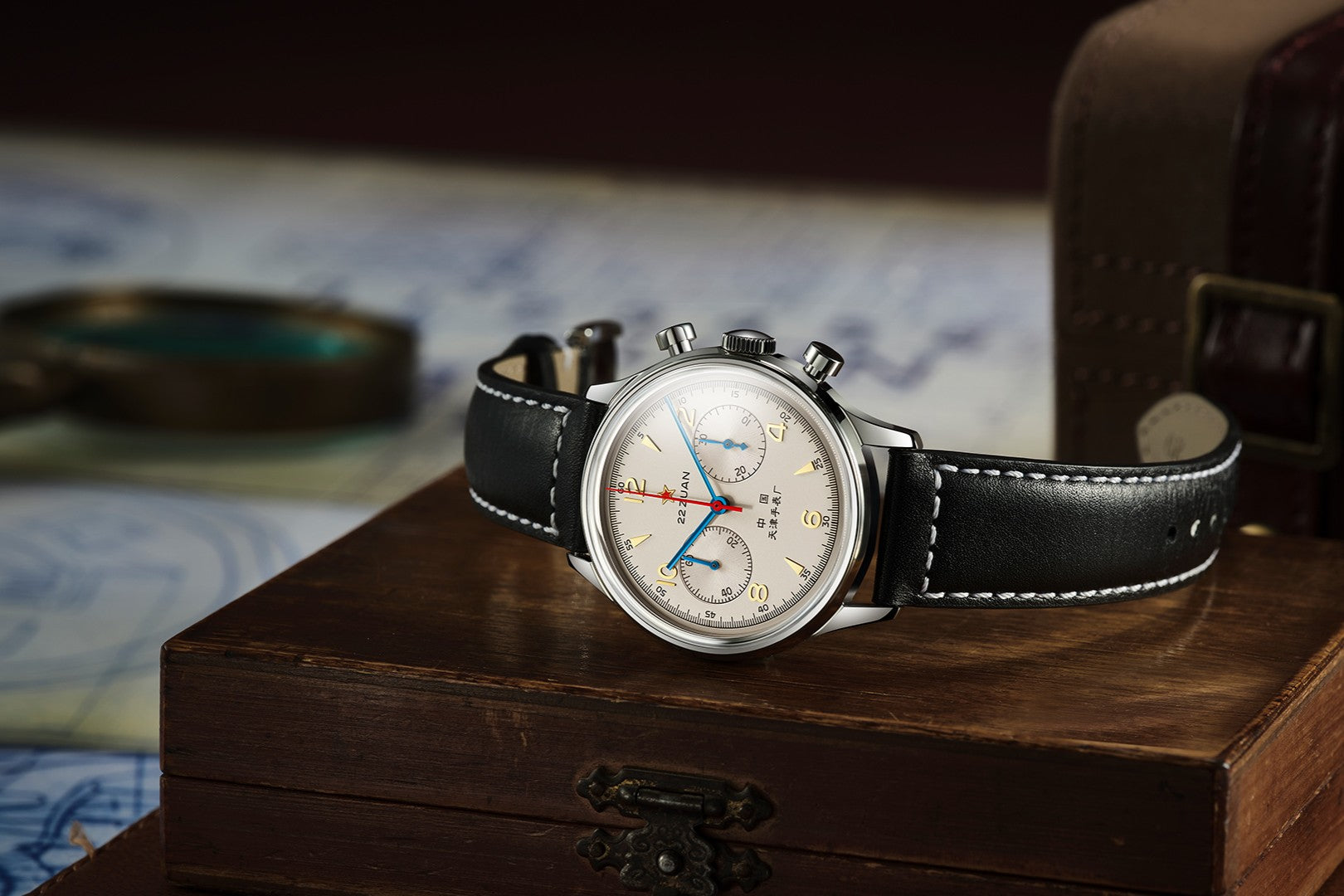
For a pilot-oriented presentation with a tachymeter display, review the Seagull x Csair Collaboration Sky Series Tachymeter Pilot Automatic Mechanical Watch. Read its model-specific setting and water-use guidance before purchase.

A confirmed Black Friday promotion of 20% off can affect purchase timing, but it should not replace the operating checks above. Confirm that the watch's winding requirements, reset routine, display style, and water-use instructions fit your actual use.
| Buyer priority | Better fit |
|---|---|
| Minimal maintenance and close practical timekeeping | Quartz |
| Visible mechanics and routine interaction | Mechanical |
| Watch worn infrequently | Quartz or a mechanical watch you are willing to reset |
| Mechanical visual interest | Skeleton-focused automatic |
| Instrument-inspired styling | Pilot or tachymeter-focused automatic |
A Practical Checklist Before You Buy
Complete these checks before moving from quartz to mechanical:
- Confirm if the watch is manual-wind or automatic.
- Read the model's winding and time-setting instructions.
- Confirm the power-reserve behavior stated for the model, if provided.
- Accept that a stopped watch must be restarted and reset.
- Review the exact water-resistance guidance.
- Plan to check the time periodically.
- Keep the manual and service information.
Mechanical ownership works best when its routine is intentional. Quartz remains the practical choice when that routine would become an inconvenience.


Dejar un comentario
Este sitio está protegido por hCaptcha y se aplican la Política de privacidad de hCaptcha y los Términos del servicio.