

How to Use a Mechanical Chronograph: A Practical Pusher Guide
A mechanical chronograph combines regular timekeeping with an independently controlled stopwatch, letting you measure an interval without interrupting the current time display. The main hour and minute hands continue their normal work, while a separate set of hands and counters records elapsed seconds, minutes, and, on some models, hours.
What is a chronograph watch and what do its controls do?
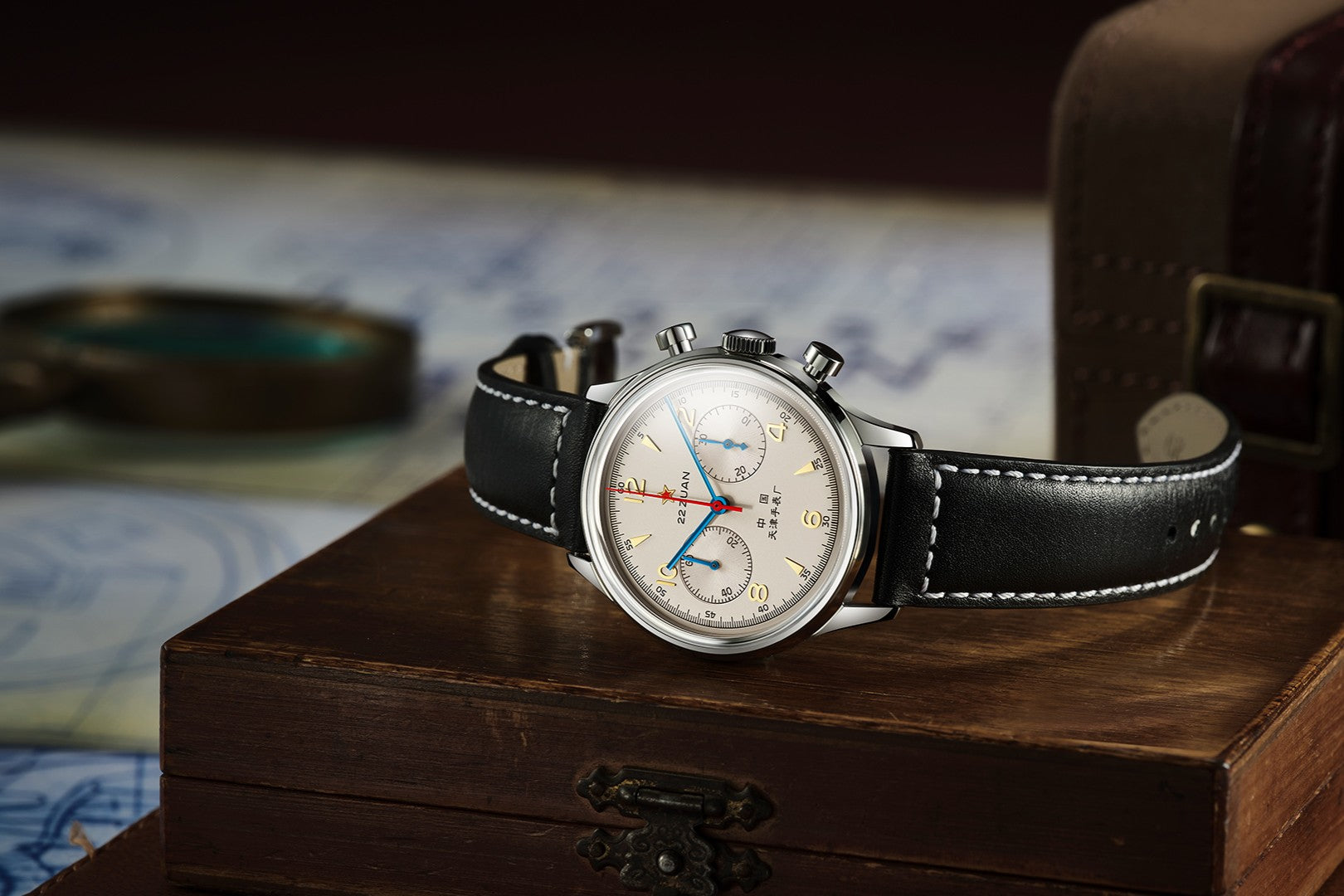
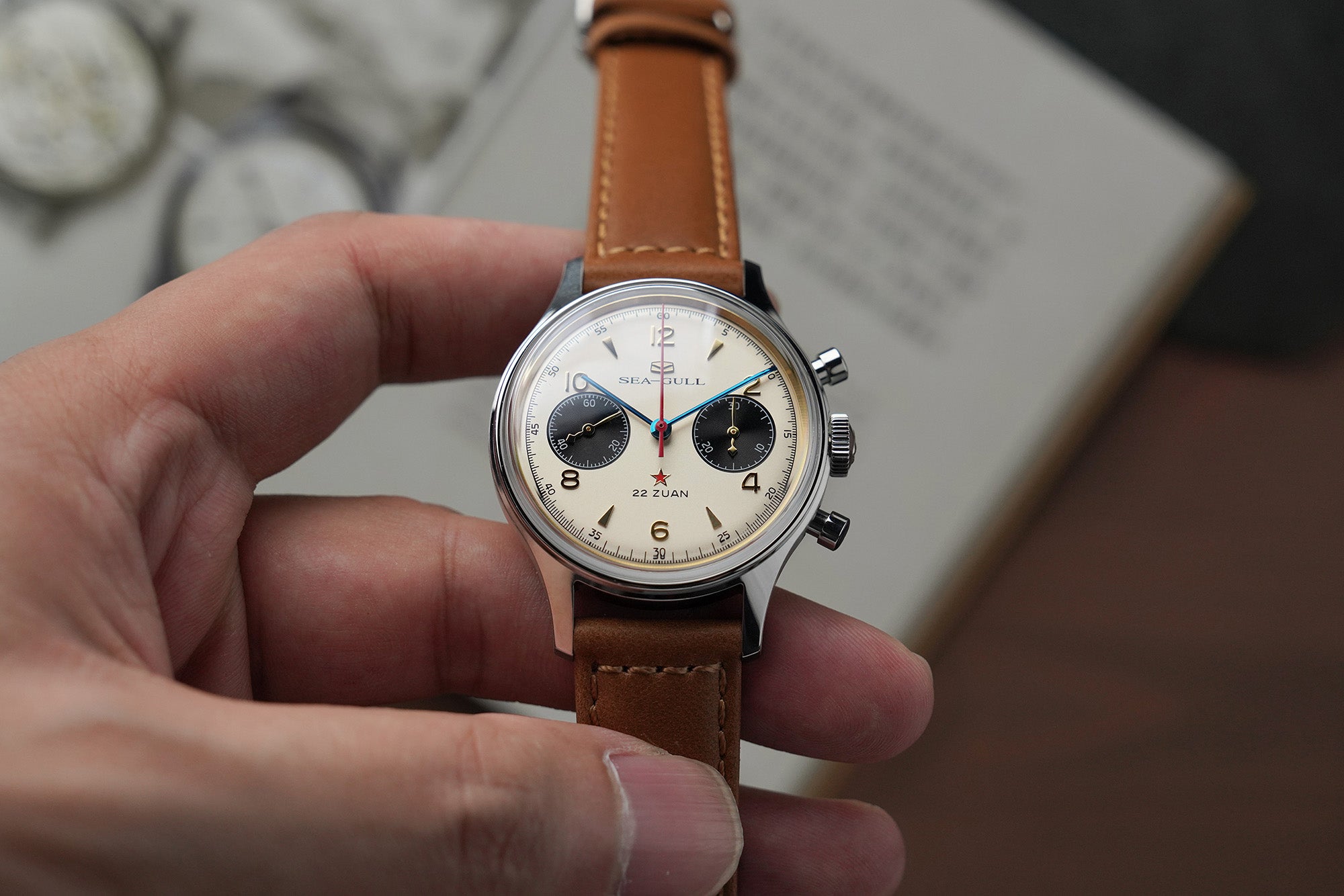
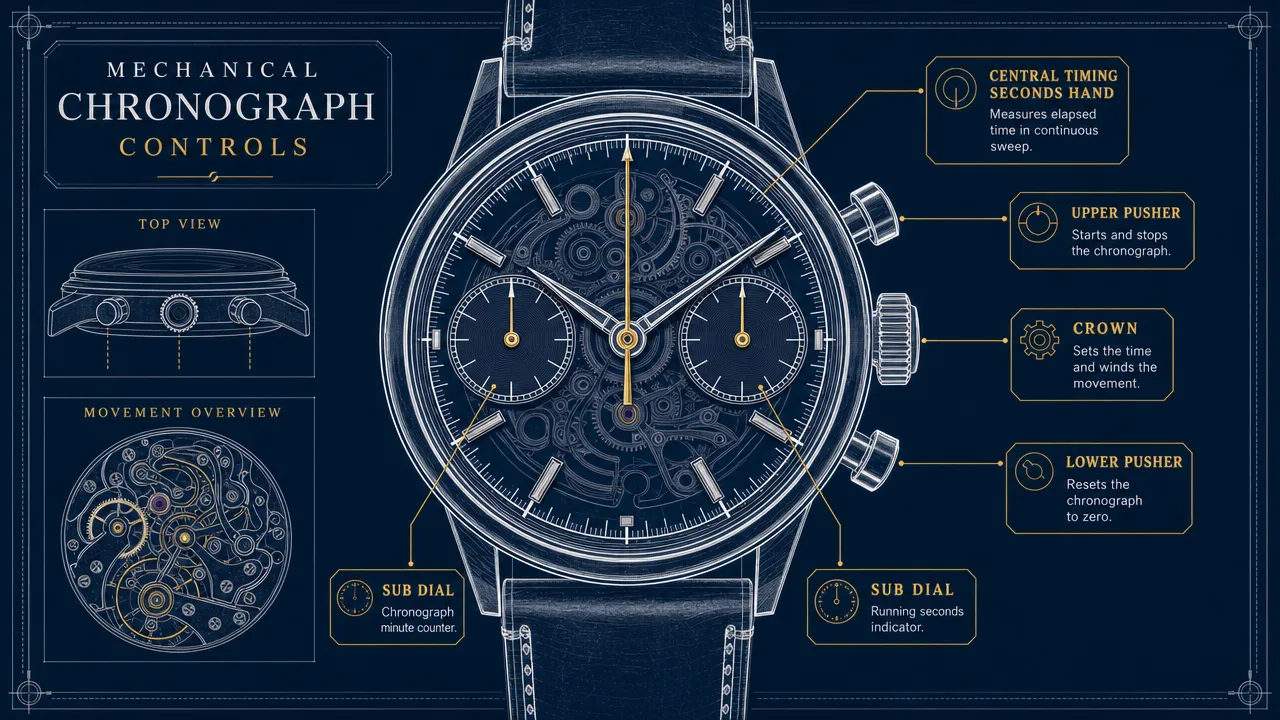
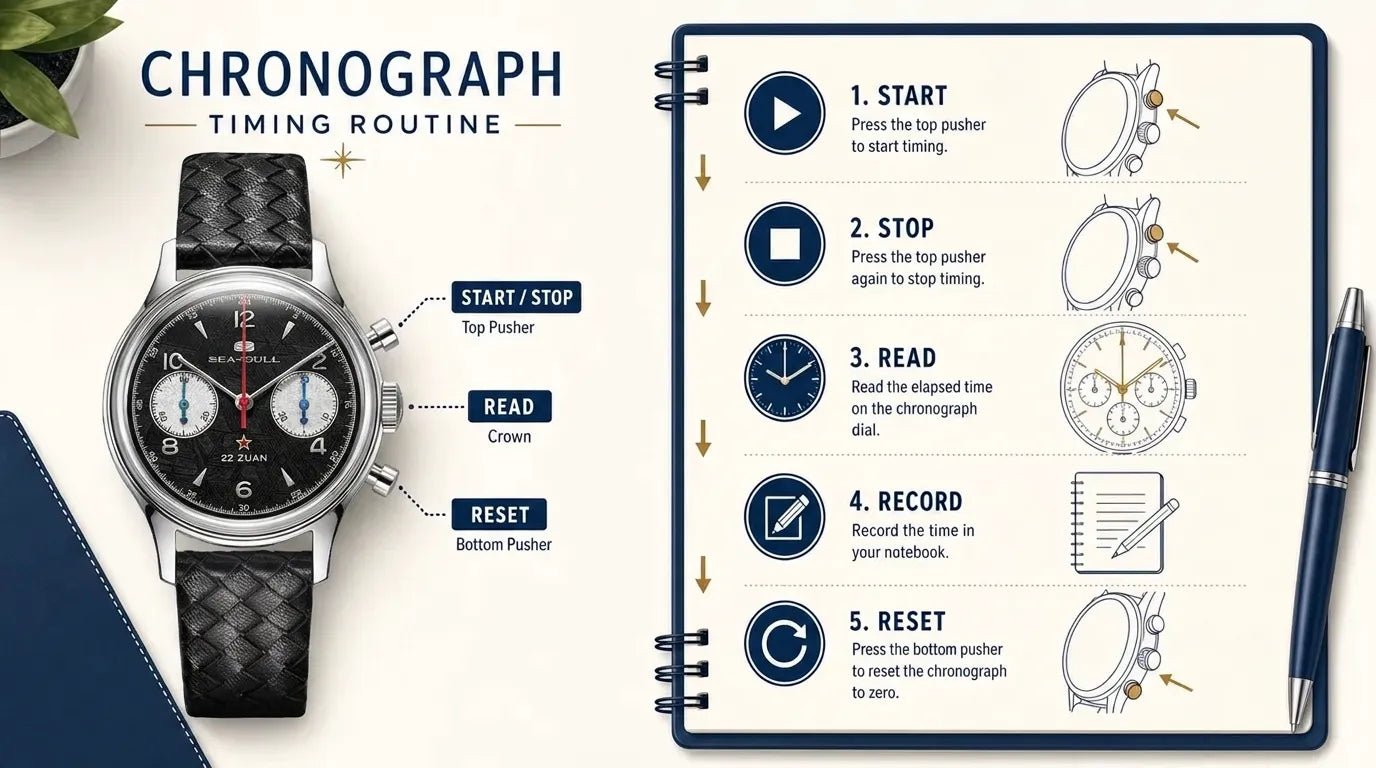
What is a chronograph watch in practical terms? It is a wristwatch with a built in elapsed time function. On a conventional two pusher chronograph watch, the upper pusher starts and stops the stopwatch, while the lower pusher returns the stopped timing hands to zero.
The large central seconds hand is often part of the chronograph rather than the watch's ordinary seconds display. It may remain still until you begin timing. A smaller sub dial commonly displays the continuously running seconds of the movement, while another sub dial counts elapsed minutes.
| Component | What it does |
|---|---|
| Upper pusher | Starts and stops elapsed time measurement |
| Lower pusher | Resets stopped chronograph hands to zero |
| Central chronograph seconds hand | Tracks elapsed seconds around the main dial |
| Elapsed minute counter | Records minutes after the central hand completes a full rotation |
| Hour counter, where fitted | Records longer timed intervals |
| Crown | Sets the time and winds a manual watch where applicable |
A chronograph is not the same as a chronometer. A chronograph describes the stopwatch function. A chronometer refers to a watch associated with accuracy testing or certification.
How to use a chronograph watch with the start, stop, read, reset sequence
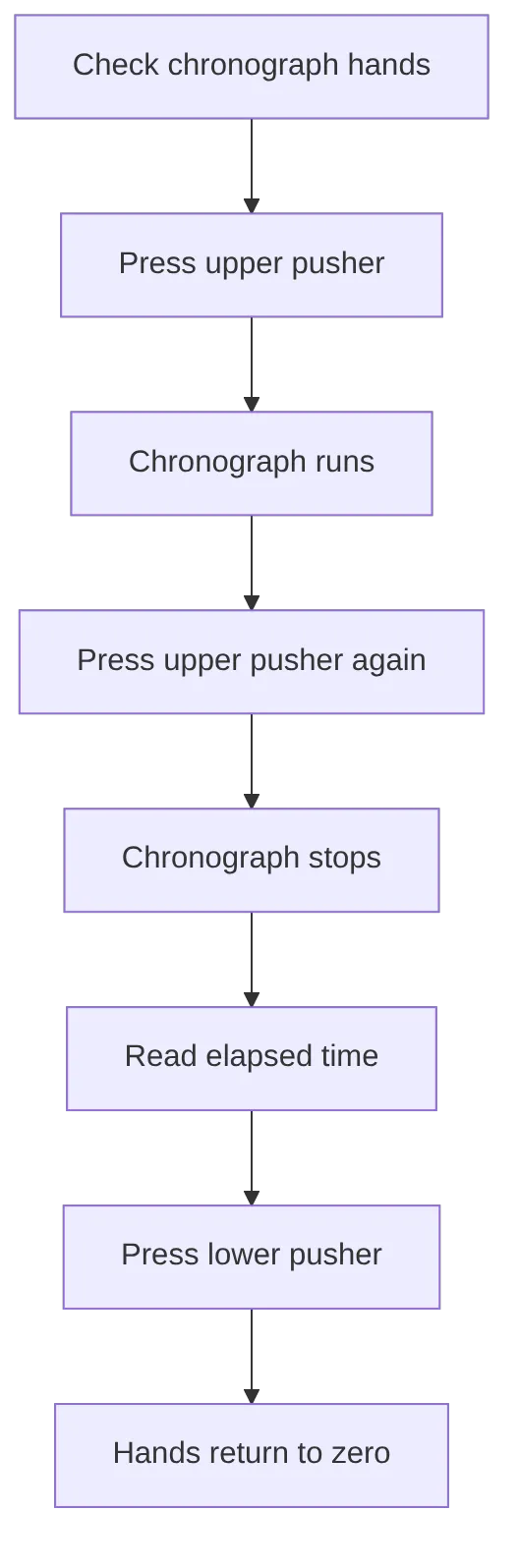
A conventional mechanical chronograph watch follows a simple sequence: start, stop, read, then reset. Use deliberate, straight pressure on each pusher rather than quick jabs or excessive force.
1. Check the display. Confirm that the central chronograph hand and any elapsed time counters are at zero. If the chronograph is stopped but its hands show a previous result, read that result first.
2. Start timing. Press the upper pusher once. The central chronograph seconds hand begins moving, and the minute counter begins accumulating time as the interval continues.
3. Stop timing. Press the upper pusher again at the end of the event. The elapsed time display freezes so you can read it, while the regular hour and minute hands continue to show the current time.
4. Read the interval. Start with the hour counter, if present, then check the elapsed minute counter, and finally read the central seconds hand. If the minute counter shows 12 and the central hand points to 38 seconds, the measured interval is 12 minutes and 38 seconds.
5. Reset the display. Press the lower pusher once only after the chronograph has stopped. The chronograph hands return to zero, ready for the next timing session.
A mechanical chronograph watch can resume a paused interval without resetting. Press the upper pusher again and timing continues from the displayed result. Reset only when you want to begin a completely new measurement.
How to read a chronograph watch dial without confusing the sub dials
Chronograph dials vary, so identify each scale before you time anything. The large central hand often measures stopwatch seconds, while the small seconds sub dial may run continuously as part of ordinary timekeeping.
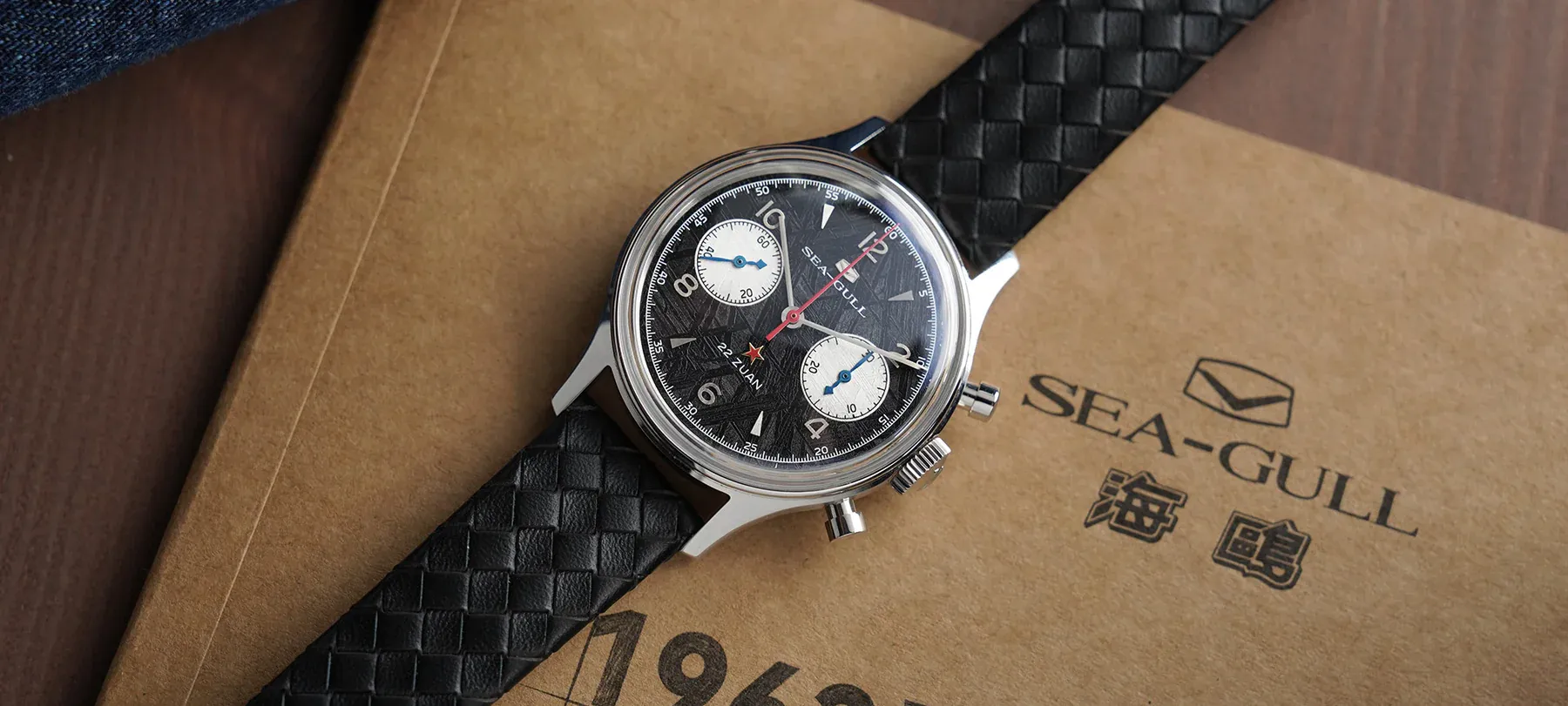
Use this reading order for a multi counter dial:
- Read elapsed hours, where the watch includes an hour counter.
- Read elapsed minutes from the dedicated minute counter.
- Read elapsed seconds from the central chronograph hand.
Some designs also carry a tachymeter scale. This scale converts the time taken to cover a known one mile or one kilometer distance into an average rate per hour. Start timing at the beginning of the measured distance, stop at the end, then read the figure aligned with the central seconds hand. A tachymeter is useful only when the distance is known.
Why a mechanical chronograph watch rewards deliberate pusher use
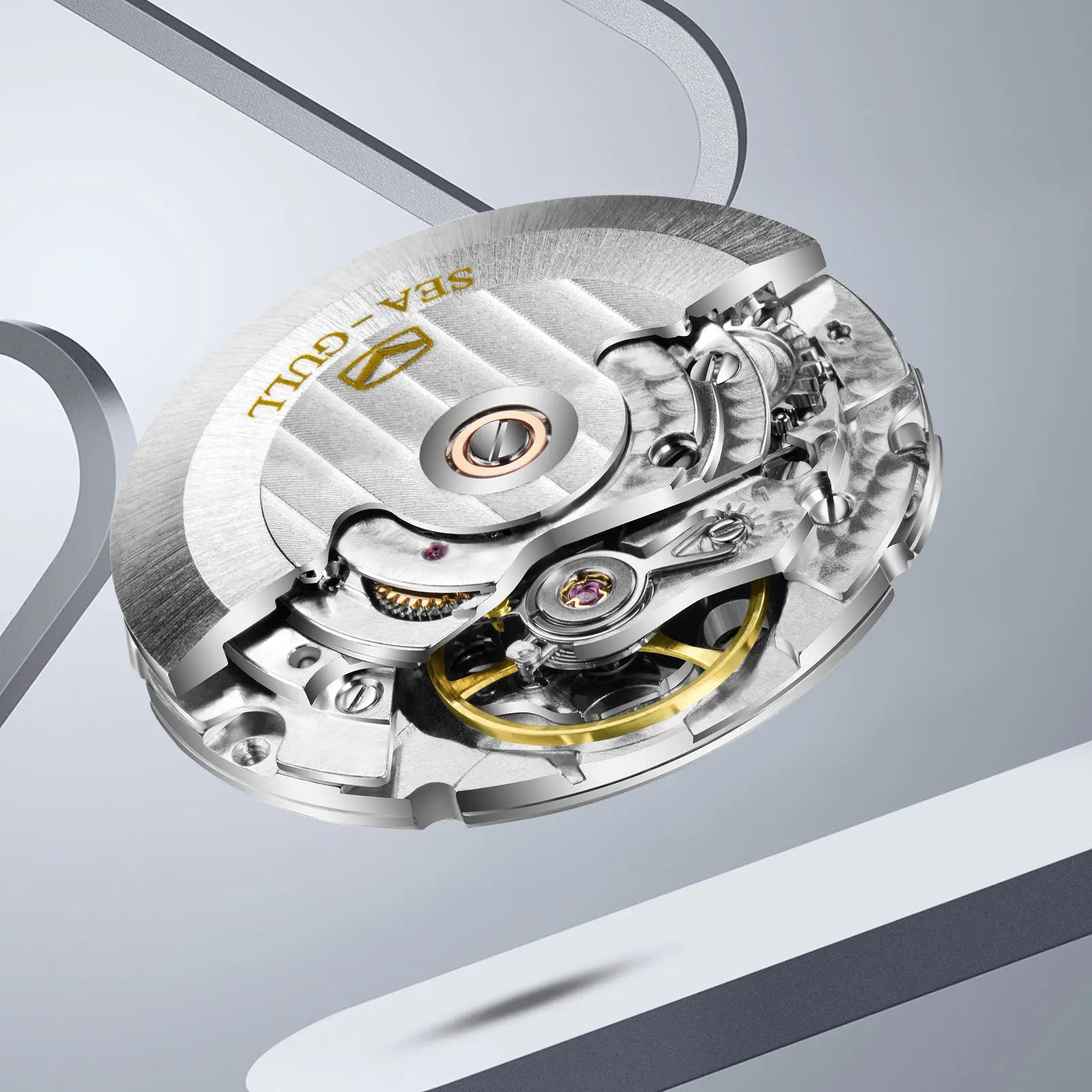
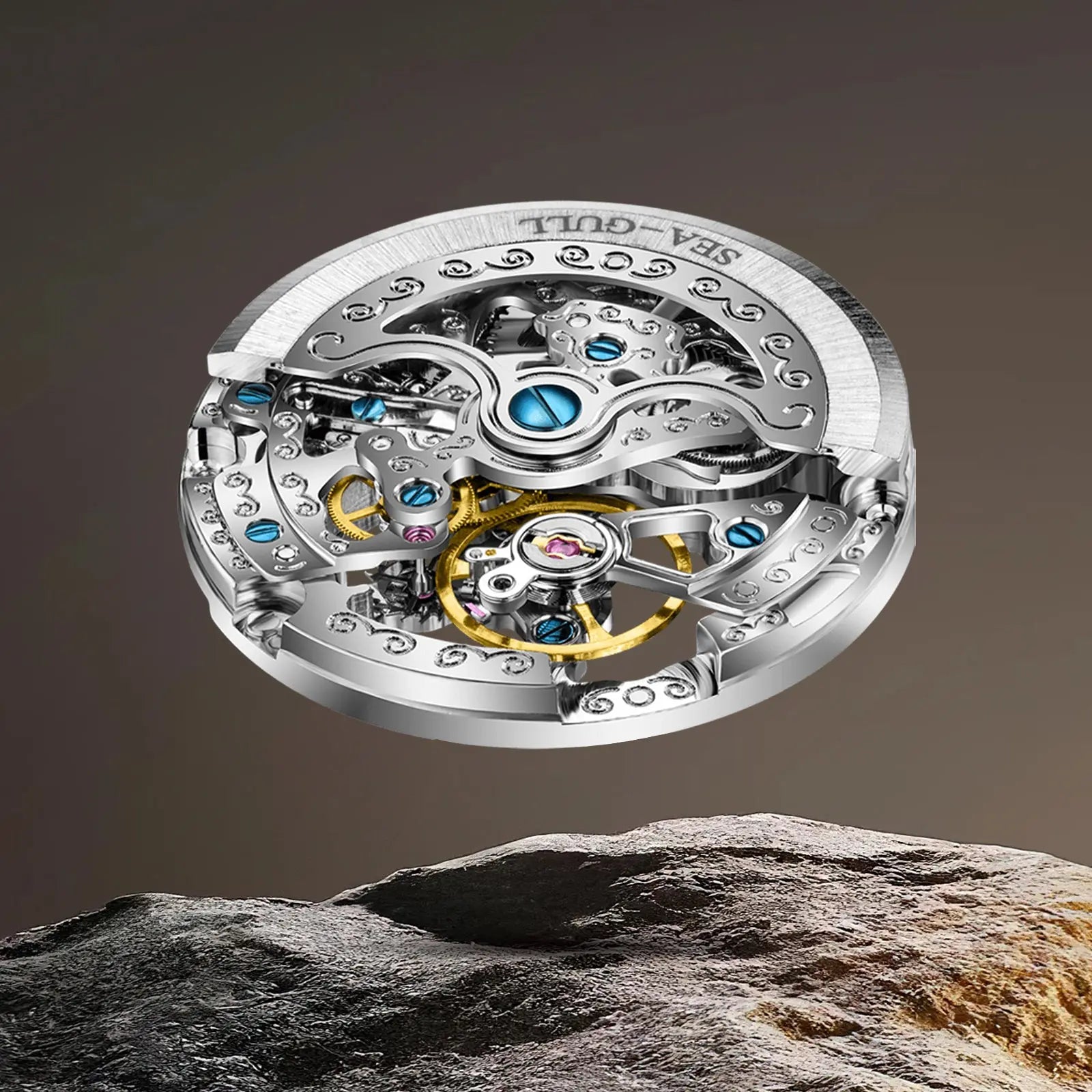
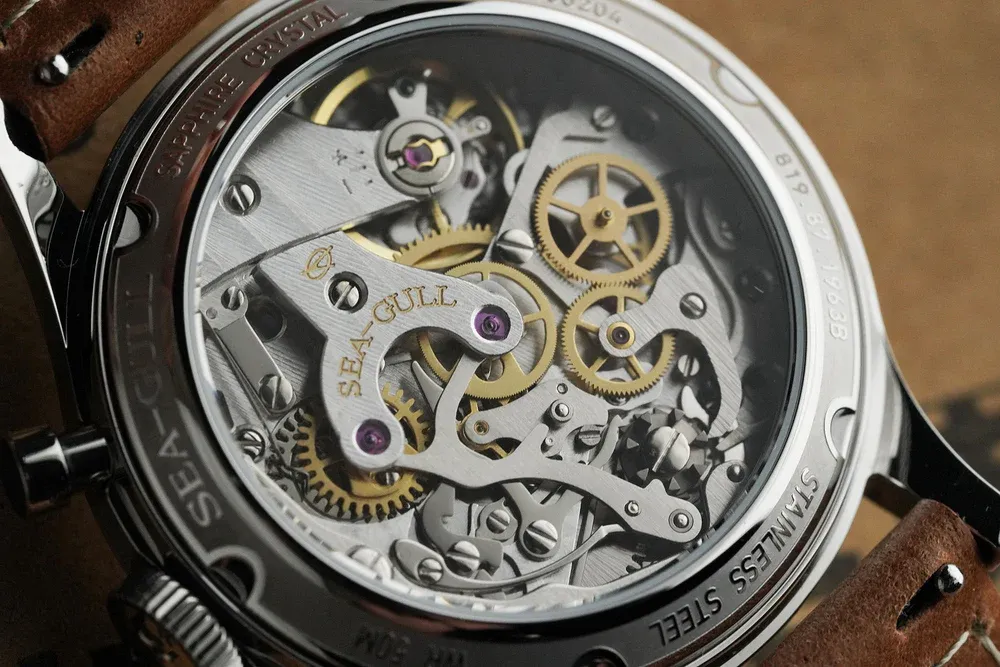
A mechanical chronograph watch turns a simple timing task into a direct interaction with levers, wheels, and counters. Each press controls the mechanism that engages, stops, or returns the elapsed time display to zero.
Column wheel and cam actuated systems organize these actions differently beneath the dial, but the practical routine on a conventional two pusher design remains the same. The controls are designed to feel positive and intentional. A firm, even press is appropriate. Forcing a resistant pusher is not.
Keep operation sensible. Use the crown and pushers in dry conditions unless your watch documentation specifically permits otherwise. Avoid unnecessary impact and strong magnetic fields. For a closer look at the underlying mechanism and ownership experience, read this mechanical chronograph buying guide.
Practical Everyday Uses for a Chronograph Watch
A chronograph watch is useful for far more than formal timing. Start it when coffee meets water, when food goes into the oven, or when a parking session begins. It also offers a discreet way to track a meeting, rest interval, commute, presentation, or travel connection.
For intervals longer than one minute, let the central hand complete its rotation and rely on the elapsed minute counter as your main reference. Stop the chronograph before resetting it. A flyback design is a specialized exception, so follow model specific instructions if your watch has that feature.
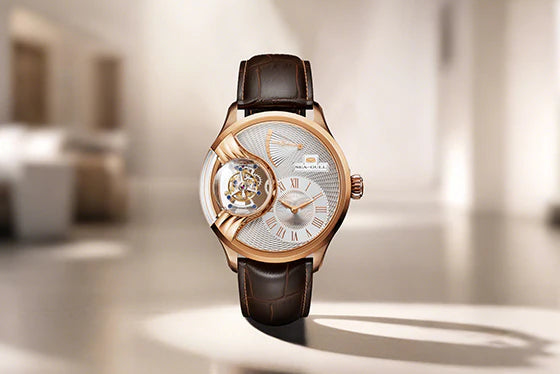
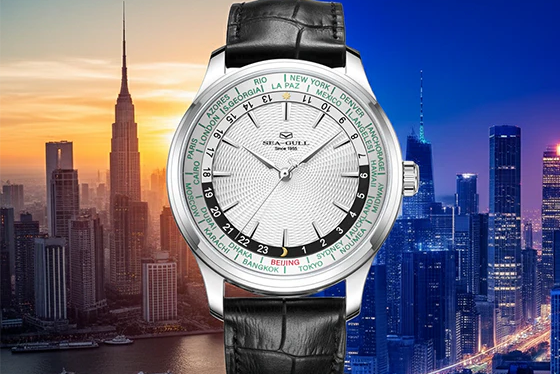
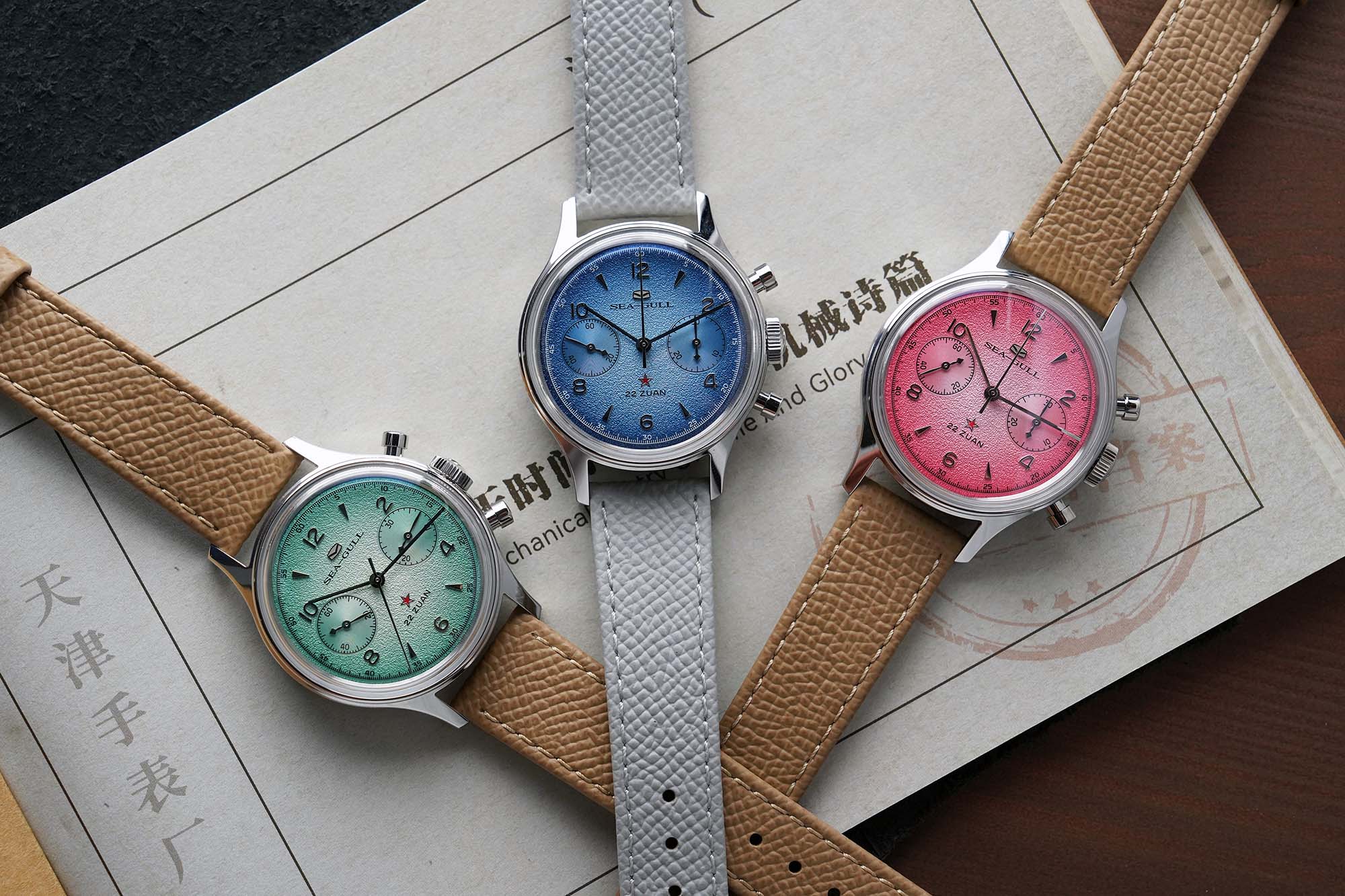
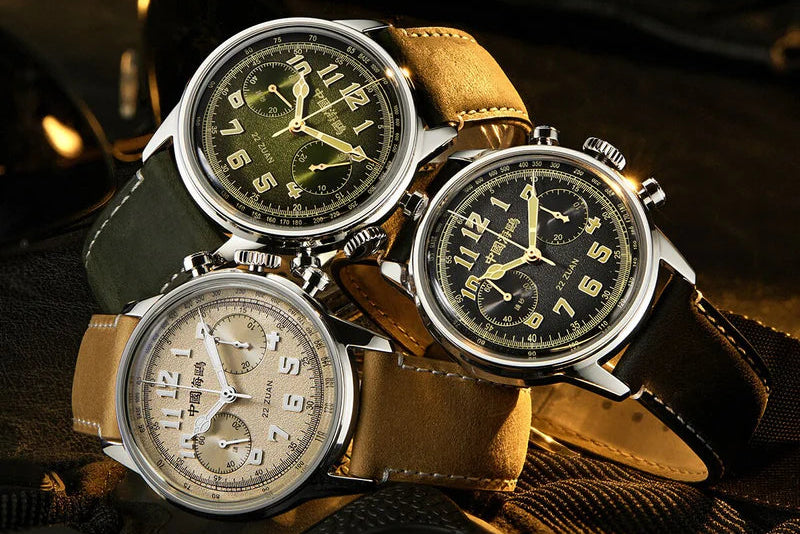
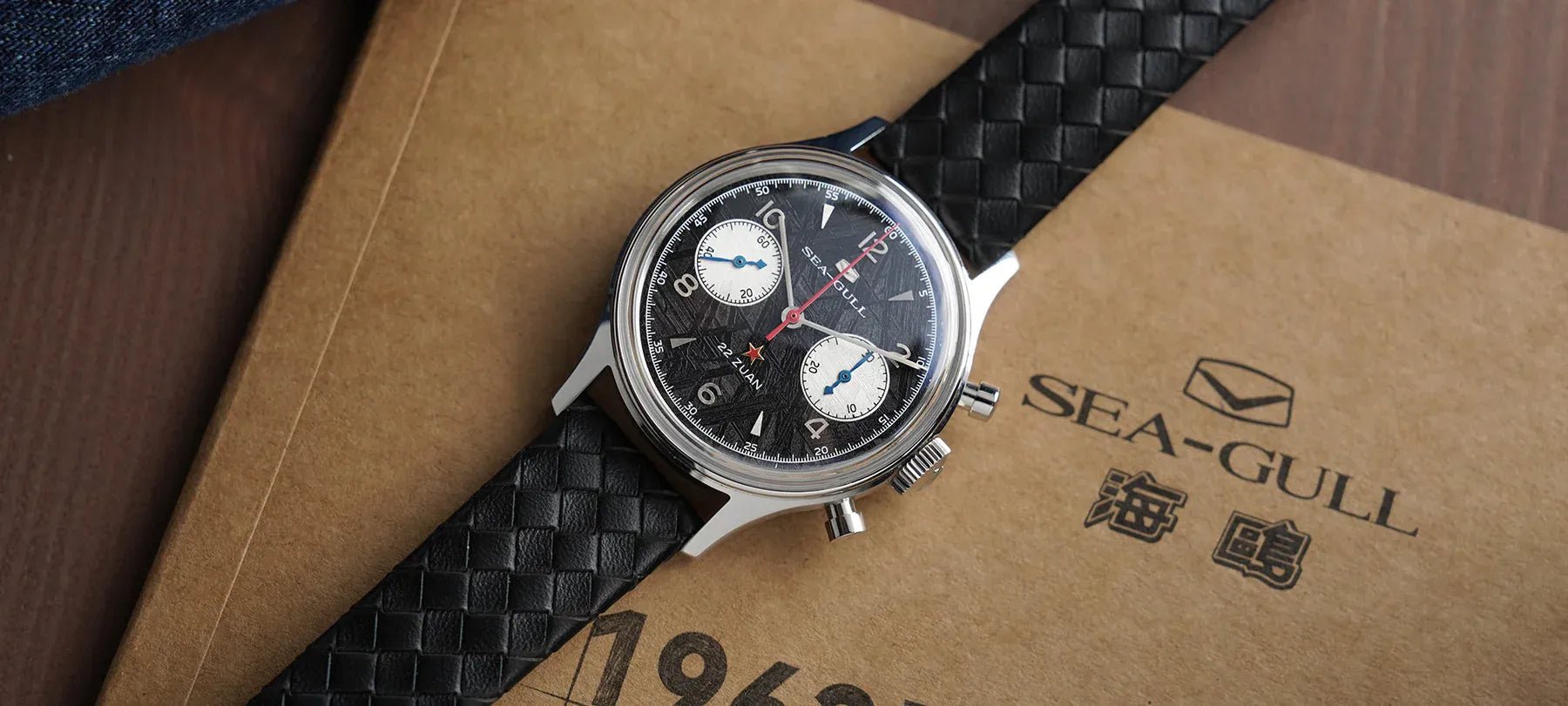
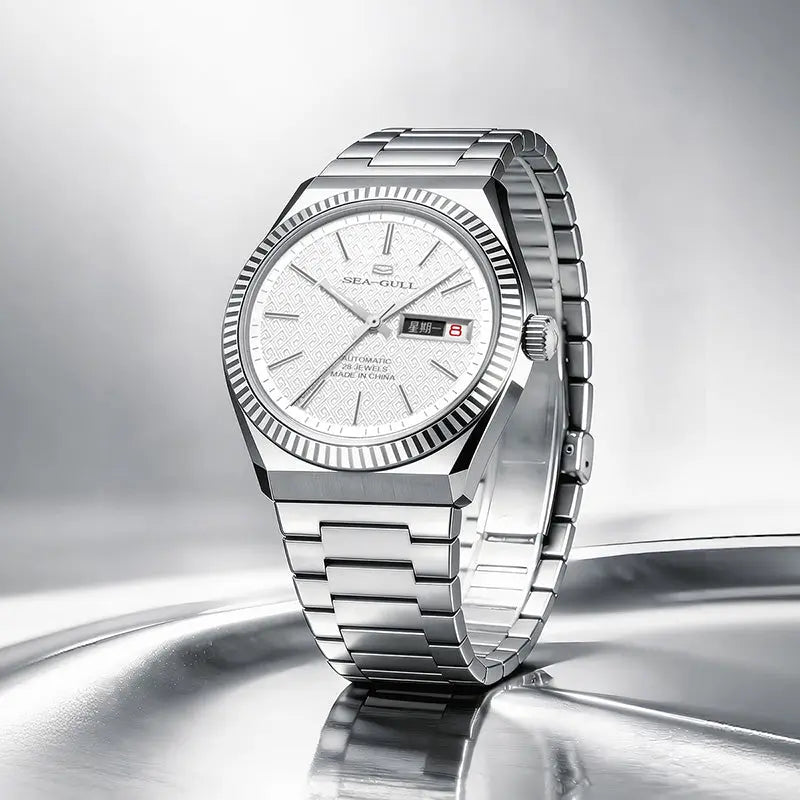
Collectors drawn to heritage led mechanical design can explore the Sea-Gull 1963 Series. Founded in 1955, Sea-Gull has developed chronograph mechanical watches alongside a broader range of traditional mechanical complications. For additional operating detail, review the chronograph start, stop, and reset guidance.

Dejar un comentario
Este sitio está protegido por hCaptcha y se aplican la Política de privacidad de hCaptcha y los Términos del servicio.