

How do you verify a Seagull watch is genuine?
A genuine Seagull watch is verified most reliably through a controlled purchase channel, complete paperwork, valid proof of purchase, and successful post-purchase registration, not by appearance alone. That matters even more today because counterfeit watches and partially assembled watches can look convincing in photos, especially in high-interest categories such as tourbillons and chronographs. For buyers in the US and Europe, the safest path is to treat authenticity as a documentation and service question as much as a design question.
When buyers focus only on dial details or packaging, they can miss the bigger issue: whether the watch has a traceable sales path and real after-sales support. Strong direct-to-consumer sales and tightly managed distributor channels help reduce that risk because they improve transparency, repair access, and consumer trust over the full ownership journey.
How Authenticity and Direct-to-Consumer (DTC) Sales make verification more reliable
Authenticity and Direct-to-Consumer (DTC) Sales go hand in hand because the seller's accountability is one of the strongest trust signals. A watch bought through a controlled brand channel or first-tier distributor is easier to verify than one bought from an open marketplace seller using vague branding language.
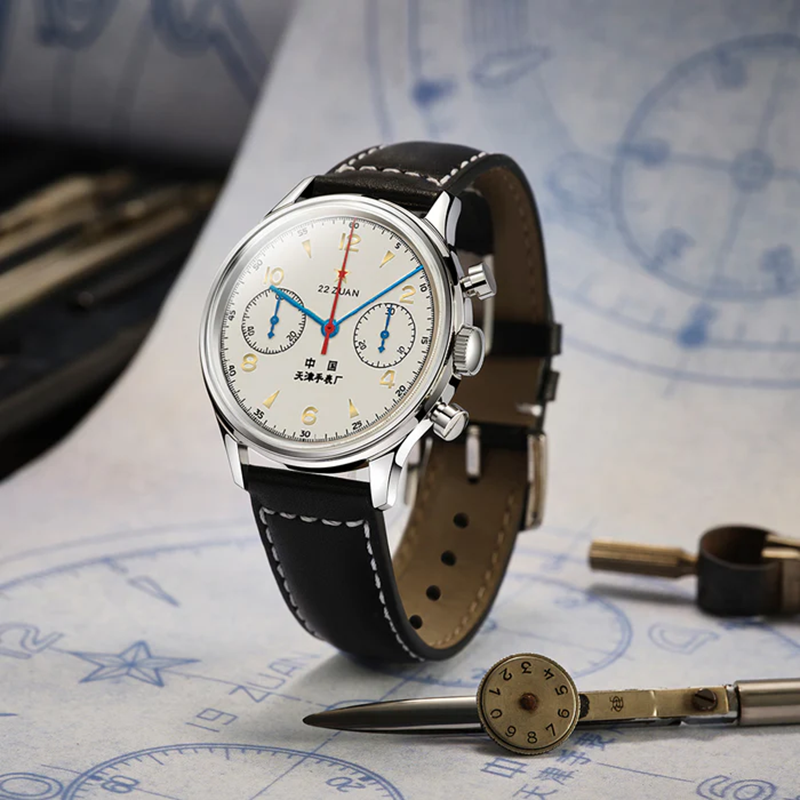
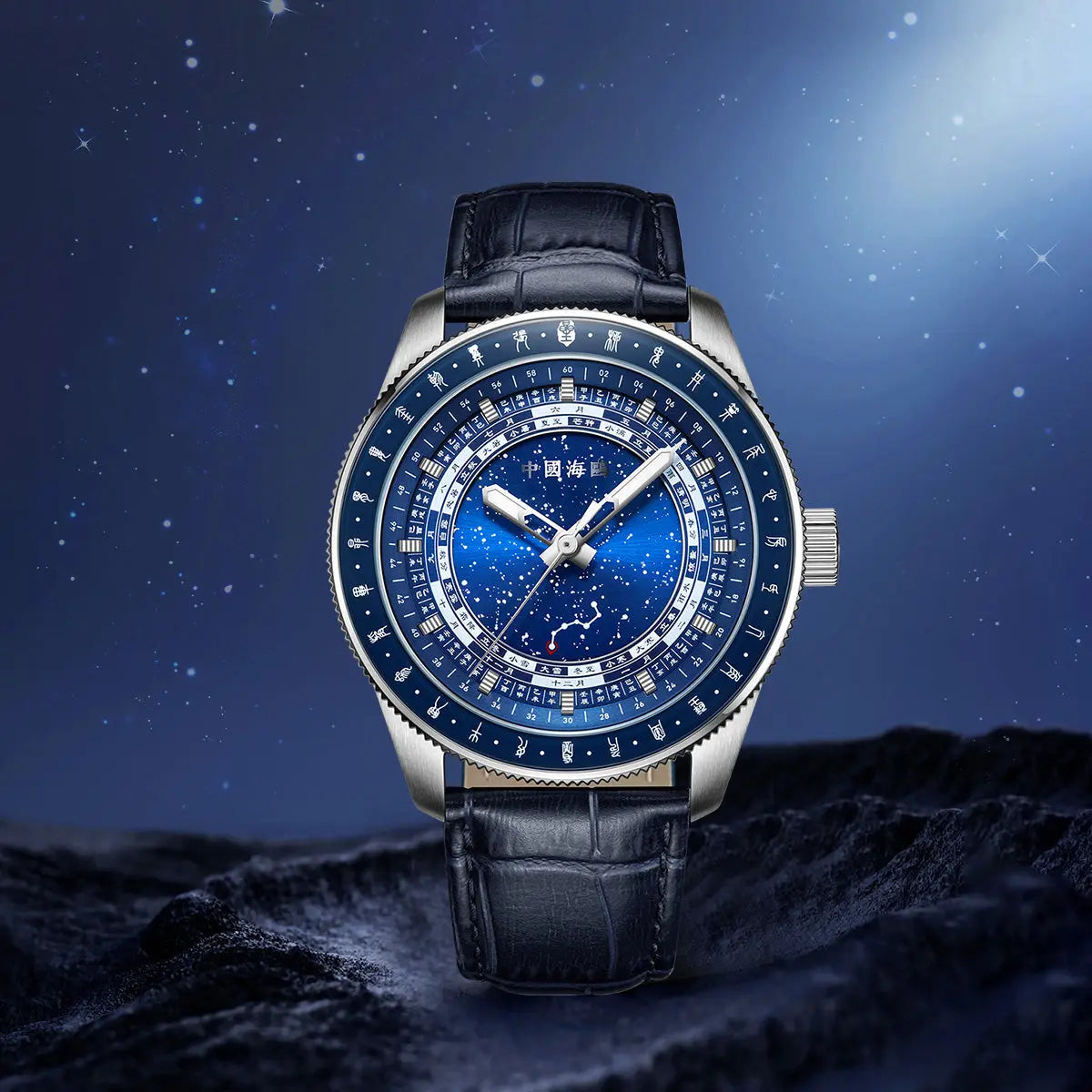
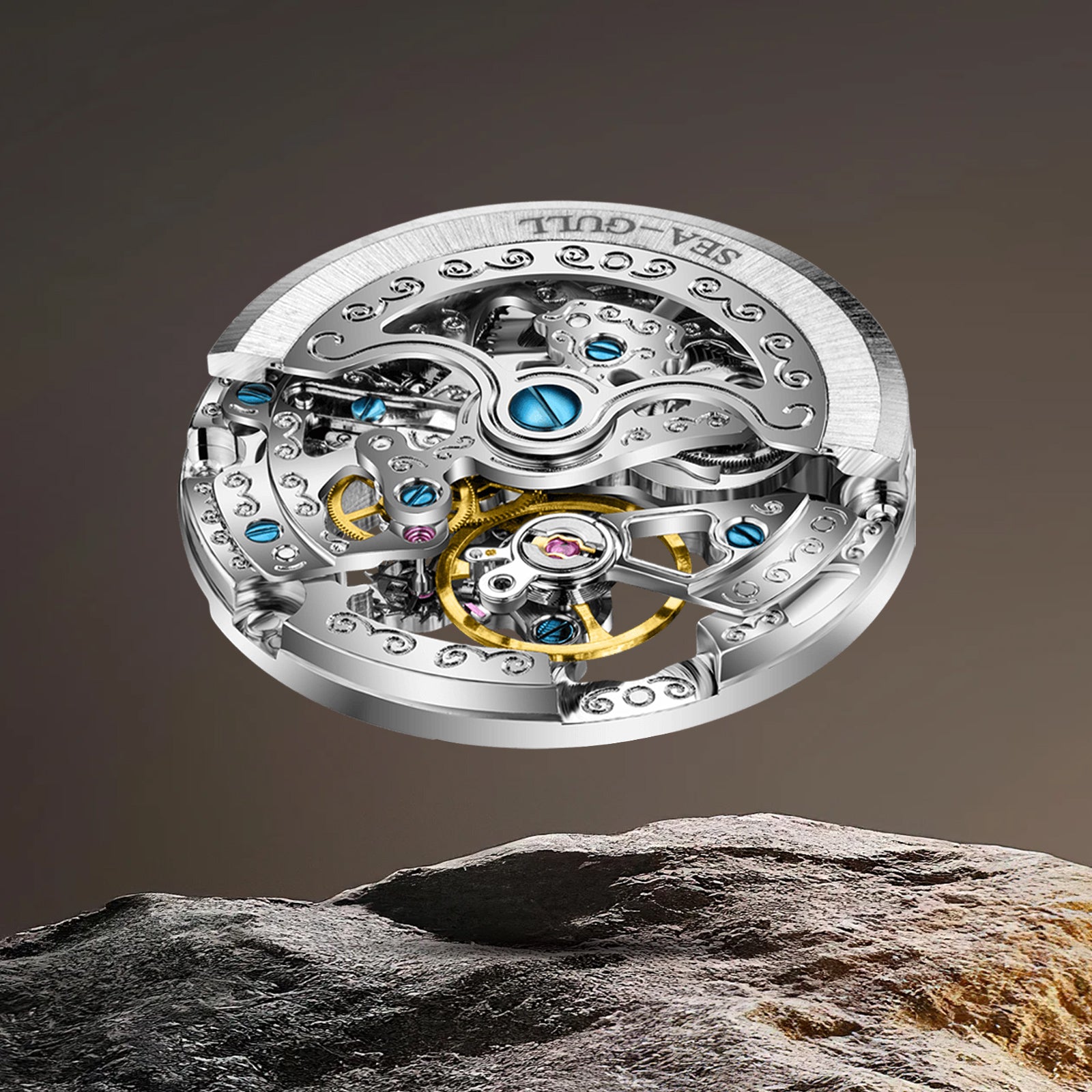
This is especially relevant when buyers compare popular models such as the Seagull 1963 collection, a Seagull Tourbillon Watch, or a Seagull GMT automatic. High-demand models attract more confusion because copied cases, dials, or packaging may be paired with unclear sourcing.
A lower-risk purchase path usually includes:
| Verification point | What to look for | Why it matters |
|---|---|---|
| Sales channel | Controlled distributor website or authorized seller | Improves traceability |
| Documentation | Completed warranty card and proof of purchase | Supports authenticity and service |
| Registration | QR or account-based follow-up where supported | Adds confidence after delivery |
| After-sales support | Clear repair and warranty handling | Builds consumer trust |
The biggest warning sign is not always poor finishing. It is often weak seller accountability. If a seller cannot clearly explain where the watch came from, what paperwork is included, or how repairs are handled, authenticity confidence should drop immediately.
Why Authenticity and Direct-to-Consumer (DTC) Sales matter more than an official store label alone
Authenticity and Direct-to-Consumer (DTC) Sales matter because marketplace labels can be misleading. A store name that includes terms like official store does not automatically prove factory-controlled fulfillment. This is one reason buyers remain cautious about listings on large marketplaces, including searches related to an AliExpress official store.
Not every marketplace listing is necessarily fake, but the burden of verification becomes much higher. Buyers should ask whether the seller provides a completed warranty card, valid proof of purchase, repair support, and a usable registration path. Without those, even a watch that looks correct may still be a risky purchase.
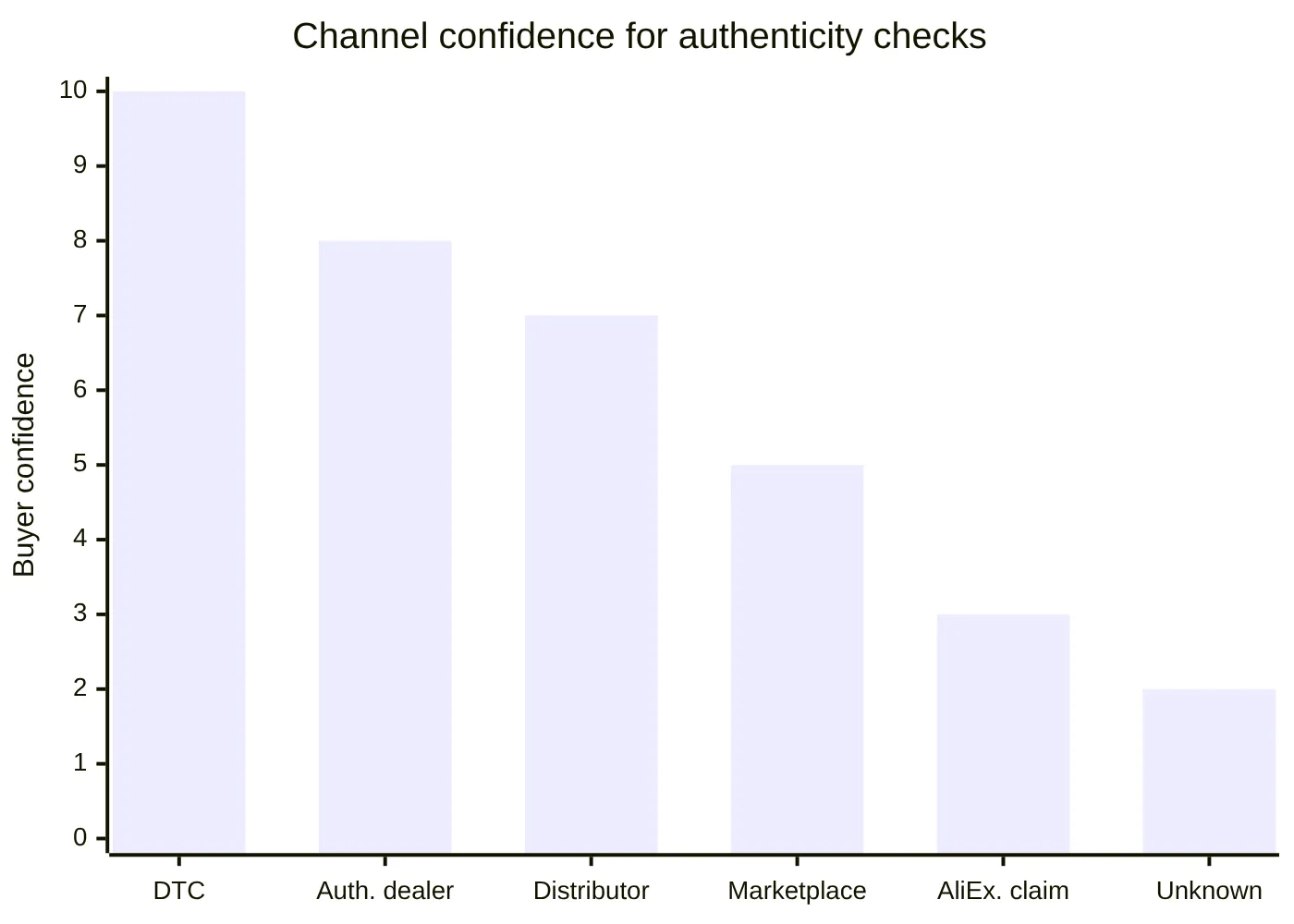
Here is a practical comparison of channel strength:
What Authenticity and Direct-to-Consumer (DTC) Sales should include in the paperwork
Authenticity and Direct-to-Consumer (DTC) Sales are only convincing when the paperwork is complete. A blank or partially filled card is not a strong authenticity signal. Based on the approved guidance, the warranty card should include the following fields:
- Customer Name
- Phone Number
- Watch Model
- Case Number
- Purchase Date
- Warranty Period
- Store Stamp
That paperwork should match the watch you received. If the model and case details do not align, or the stamp is missing, the confidence level drops fast. A certificate of authenticity can help, but it should not replace the warranty card and proof of purchase. Documentation works best when all records support each other.
| Document | Strong signal | Red flag |
|---|---|---|
| Warranty card | Fully completed and stamped | Blank, altered, or missing |
| Proof of purchase | Invoice or order screenshot with date and price | No itemized record |
| Certificate of authenticity | Matches product and seller path | Presented without other paperwork |
| Packaging | Professional and consistent | Looks copied or incomplete |
For e-commerce orders, keep the order screenshot showing watch information, date, and price. That record is important for after-sales support and can also help resolve authenticity questions if they arise later.
How Authenticity and Direct-to-Consumer (DTC) Sales support QR checks, warranty, and repair access
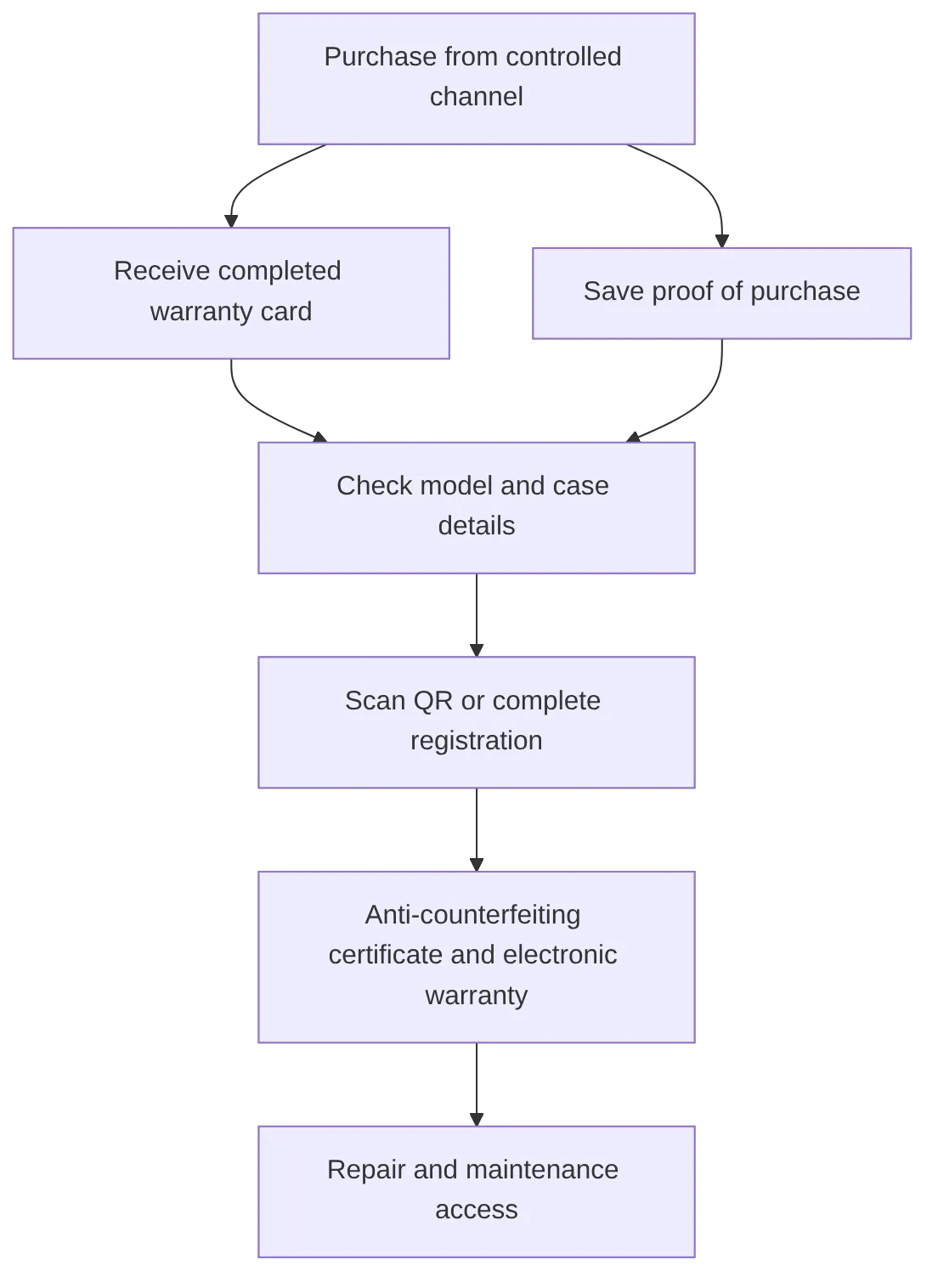
Authenticity and Direct-to-Consumer (DTC) Sales become much more persuasive after delivery if registration works as expected. Approved guidance indicates that buyers may scan a QR code or use account-based follow-up to verify authenticity, receive an anti-counterfeiting certificate, activate warranty, extend warranty where supported, and access maintenance guidance.
That post-purchase step matters because counterfeit watches often fail at the service stage. A seller may disappear, paperwork may not match, or the buyer may not have a recognized support route. Real consumer trust is built when the watch can enter a legitimate after-sales system.
This is also where higher-value mechanical pieces deserve extra caution. If you are considering a chronograph mechanical watch or a tourbillon, the service path should be clear before purchase. Buyers looking for practical ownership guidance can also review related content such as Managing Time Differences With GMT Watches or the blog archive for 1963 authenticity guidance.
A buyer checklist for Authenticity and Direct-to-Consumer (DTC) Sales before and after delivery
Authenticity and Direct-to-Consumer (DTC) Sales verification is easiest when you follow a simple checklist before purchase, at delivery, and after purchase.
Before purchase
- Prefer a controlled direct channel or authorized seller.
- Be cautious of unusually low pricing.
- Ask whether the watch includes a completed warranty card.
- Confirm the seller can explain repair and warranty handling.
- Do not rely on official store wording alone, especially on marketplaces.
At delivery
- Check that the warranty card is fully completed.
- Match watch model details to the paperwork.
- Save the invoice or order screenshot.
- Inspect overall consistency, especially on chronographs and tourbillons.
After purchase
- Scan the QR code if provided.
- Complete electronic registration where supported.
- Store all documents for future service.
- Use only authorized service paths for repair.
In practical terms, the answer to "How do you verify a Seagull watch is genuine?" is straightforward: buy through a controlled channel, insist on complete paperwork, keep proof of purchase, and complete post-purchase verification steps. Those actions do more to protect you from counterfeit watches than visual inspection alone, and they create the service record that supports long-term ownership confidence.