

Why Sea-Gull Still Matters: A Brand Story Rooted in Chinese Watchmaking Heritage
Mechanical relevance keeps a Chinese watch brand credible, and Sea-Gull remains relevant because its modern collections still trace directly back to Tianjin factory watchmaking, movement production, and the long life of the mechanical chronograph.
In practical terms, that continuity matters more than branding language. Buyers looking at a chinese watch brand often want clear answers to a few specific questions: Was the brand built around actual movement manufacturing, does its history still appear in current models, and can an overseas buyer order with reasonable confidence? Sea-Gull answers those questions through documented factory origins in Tianjin, the endurance of the ST19 chronograph family, and a current range that extends from heritage chronographs to GMT, dive, and tourbillon models. For readers interested in the best mechanical watches under $1000, that combination is what keeps the brand relevant rather than merely historical.
Why the Chinese watch brand story begins in Tianjin mechanical watches
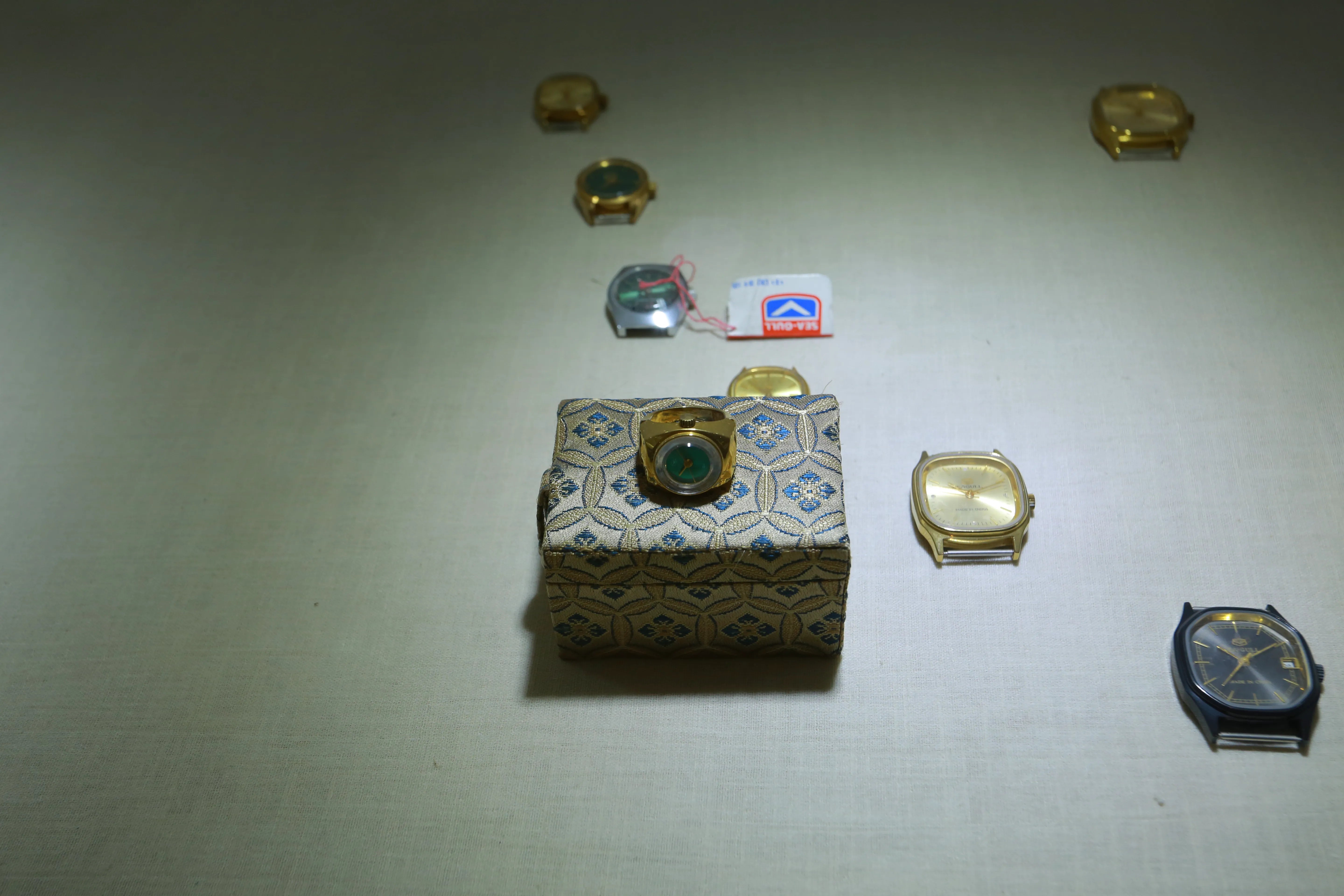
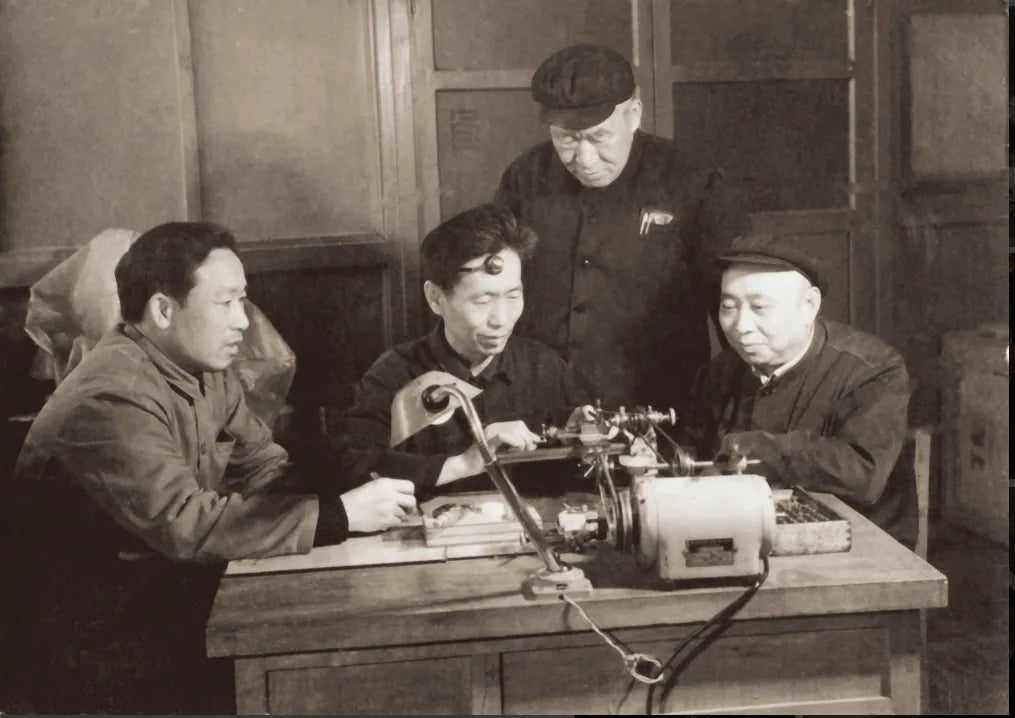
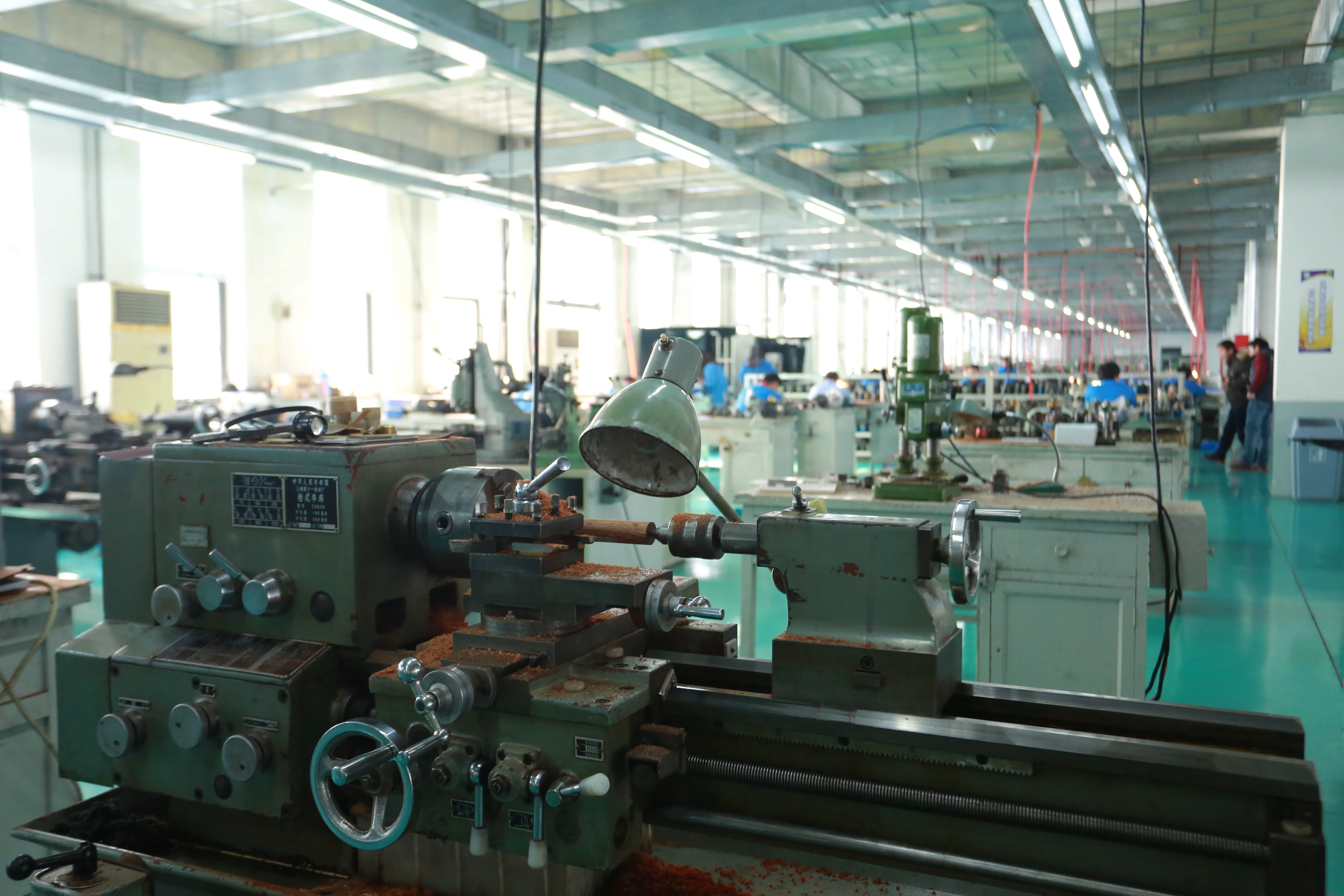
Sea-Gull watch history begins in Tianjin in 1955, during the early period of domestic mechanical wristwatch production in China. That point matters because Tianjin was not simply an assembly location. It became a center of mechanical capability, where local production moved beyond repair and into manufacturing.
For anyone evaluating a chinese watch brand, this distinction is central. A brand with roots in factory-based movement work carries a different kind of legitimacy than one defined mainly by outsourced styling. Sea-Gull brand continuity is tied to that manufacturing identity. Over time, Tianjin mechanical watches came to represent more than local production capacity; they marked the shift toward a broader Chinese watchmaking heritage built on calibers, not only cases and dials.
By the early 1960s, the historical arc had already moved from basic domestic production toward chronograph development. Later decades brought pressure from the quartz era, then a renewed focus on mechanical depth. That is why Sea-Gull watch history reads as institutional continuity rather than a sequence of disconnected launches.
| Historical phase | Why it matters now |
|---|---|
| 1955 Tianjin origin | Establishes factory lineage |
| Early domestic production | Anchors Chinese watchmaking heritage |
| 1960s chronograph development | Connects to the later 1963 chronograph identity |
| Post-quartz mechanical refocus | Shows long-term manufacturing continuity |
| Modern expansion | Supports GMT, dive, and tourbillon breadth |
A reader interested in heritage-led collecting can start with the Sea-Gull 1963 Series, where that historical line remains most visible.
How the Chinese watch brand identity survived through mechanical movement making
What separates Sea-Gull brand relevance from a purely nostalgic story is movement continuity. In watch terms, that means the mechanical architecture remained part of the brand's identity even as styles and categories changed.
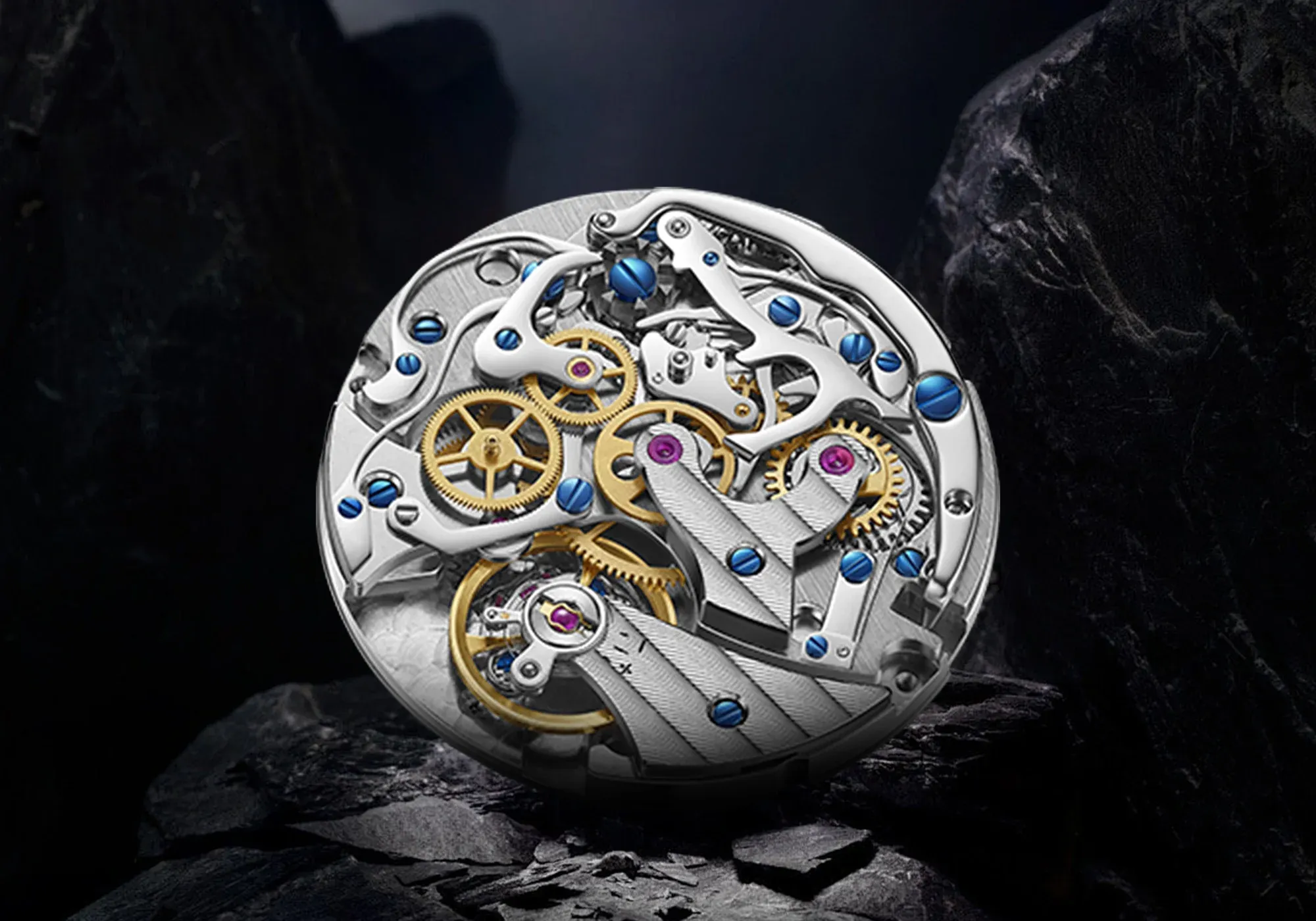
The best-known example is the ST19, the hand-wound chronograph movement widely associated with the 1963 lineage. Collector interest in the movement is not difficult to explain. It offers column-wheel chronograph construction, visible mechanics, and manual interaction at a price level that keeps it in the conversation around the best mechanical watches under $1000. That is a rare combination in the current market for chronograph mechanical watches.
The 1963 line also carries strong vintage mechanical watch appeal. Its compact proportions, bi-compax layout, and period design language make the watch feel historically connected without becoming costume-like. That helps explain why the Sea-Gull 1963 Series remains the clearest bridge between Sea-Gull watch history and modern ownership.
For buyers concerned about authenticity, the issue is practical rather than abstract. The 1963 is one of the most discussed and imitated models in this category, so it is sensible to review the brand's guide on how to verify a real Sea-Gull 1963 before ordering.
Where the chinese watch brand expands beyond the vintage mechanical watch narrative
Sea-Gull still matters partly because the story does not end with one chronograph. The broader catalog shows whether a historical manufacturer can remain technically current. Here, the modern range adds context rather than distraction.
A Seagull GMT automatic guide shows how dual-time functionality fits contemporary travel and daily wear. Site-stated specifications for certain GMT models reference automatic calibers such as ST2130 or ST2148, operating at 28,800 vph with around 40 hours of power reserve. The same guidance notes that a timer interval within +/-40 seconds over 24 hours falls within international mechanical standards, while many regulated examples may perform closer to 3 to 5 seconds per day. That should be understood as performance guidance, not a universal promise.
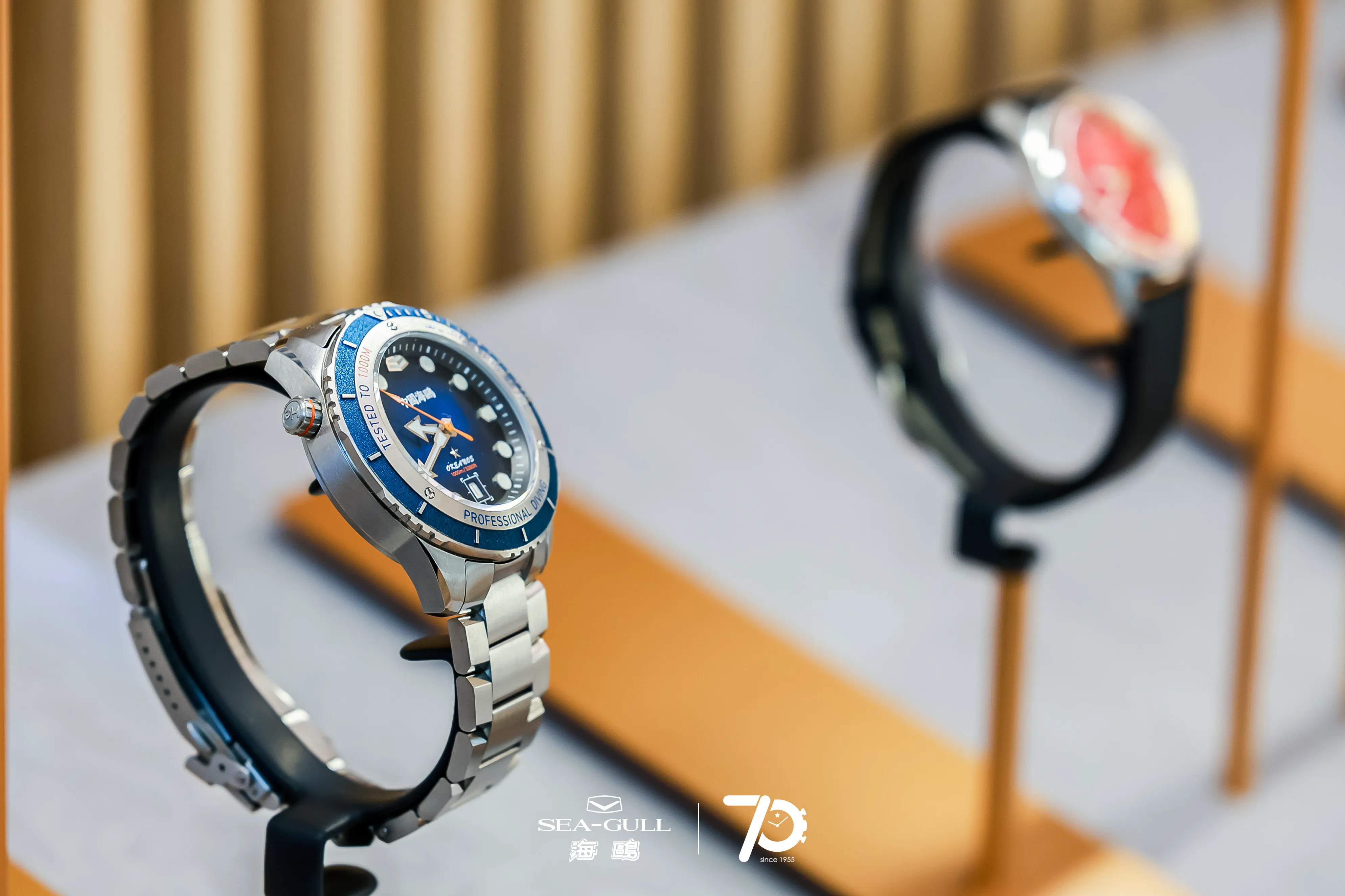
The Dive Watch collection extends the Sea-Gull dive watch category into a more modern sports-watch context, while the Tourbillon collection demonstrates the upper end of complication capability. These are not equally central to the brand story, but together they show range rooted in movement development rather than superficial category expansion.
| Collection type | Primary relevance | Best fit for reader intent |
|---|---|---|
| Sea-Gull 1963 watch | Heritage and chronograph identity | Collectors, first serious chronograph buyers |
| Seagull GMT automatic | Practical travel function | Daily wear, dual-time use |
| Sea-Gull dive watch | Sports-watch breadth | Buyers wanting a more robust modern format |
| Tourbillon models | High-complication evidence | Enthusiasts interested in mechanical depth |
The Chinese watch brand still connects with buyers seeking the best mechanical watches under $1000
The under-$1000 segment is where Sea-Gull remains especially relevant to Western buyers. Not every model sits in that range, but the chronograph side of the catalog gives mechanical watch buyers access to features that are often priced much higher elsewhere.
A collector can still find a hand-wound mechanical chronograph with visible movement character, historical continuity, and recognizable design language without moving into traditional luxury pricing.
Sea-Gull reflects Chinese watchmaking heritage through real mechanical production and a distinct factory lineage.
How to buy a Chinese watch brand with confidence through Sea-Gull official channels
Ownership confidence matters as much as heritage. For overseas buyers in North America and Europe, the main friction points are authenticity, customs, shipping transparency, returns, and ongoing maintenance.
The first step is source verification. For a heritage chronograph, the most practical reference is the article on how to tell if your Sea-Gull 1963 is real. The second step is understanding cross-border logistics. The transportation policy explains processing and delivery expectations, and notes that taxes and duties are generally handled by the consignee or buyer depending on destination. That is the clearest way to approach customs expectations without overstating what any overseas order will cost.
Returns and exchanges should also be reviewed before purchase. The site's return and exchange policy outlines the 14-day return window and inspection-based refund process. For long-term ownership, the mechanical watch maintenance guide is equally important, especially since regular service intervals, moisture avoidance, shock protection, and magnetism control all affect a mechanical watch over time.
Sea-Gull official purchasing confidence, in practice, comes from combining those service pages with product selection. Readers who want the strongest historical connection can explore the Sea-Gull 1963 Series. Those looking for broader modern utility can continue into the Dive Watch collection or review the GMT watch guidance. That path keeps the buying process grounded in heritage, mechanics, and service clarity rather than speculation.