


Steel, Leather, and Mesh in a Cold-Weather Watch Wardrobe
When temperatures drop, a watch ceases to live in open air and spends its days beneath layers of cotton, knit wool, and heavy outerwear. A considered cold-weather wardrobe treats the strap or bracelet not as an afterthought, but as the functional and visual bridge between a mechanical timepiece and the seasonal environment. Heavy coat sleeves restrict clearance at the wrist, cold air causes slight changes in wrist circumference between outdoor commutes and heated rooms, and winter precipitation introduces hazards that warmer months rarely present.
Within a versatile collection, leather, Milanese mesh, and solid stainless steel each serve a distinct purpose. Rather than declaring one material universally superior, building an effective winter watch strap style comes down to aligning the physical behavior and surface character of each band with the day's attire, climate, and setting.
Visual Texture and Seasonal Pairing in Winter Watch Strap Style
Cold-weather clothing relies on pronounced surface texture and matte depth: brushed flannel, worsted wool, tweed, ribbed merino, and heavy cashmere. A watch band works best when its finish converses with those fabrics rather than competing against them.
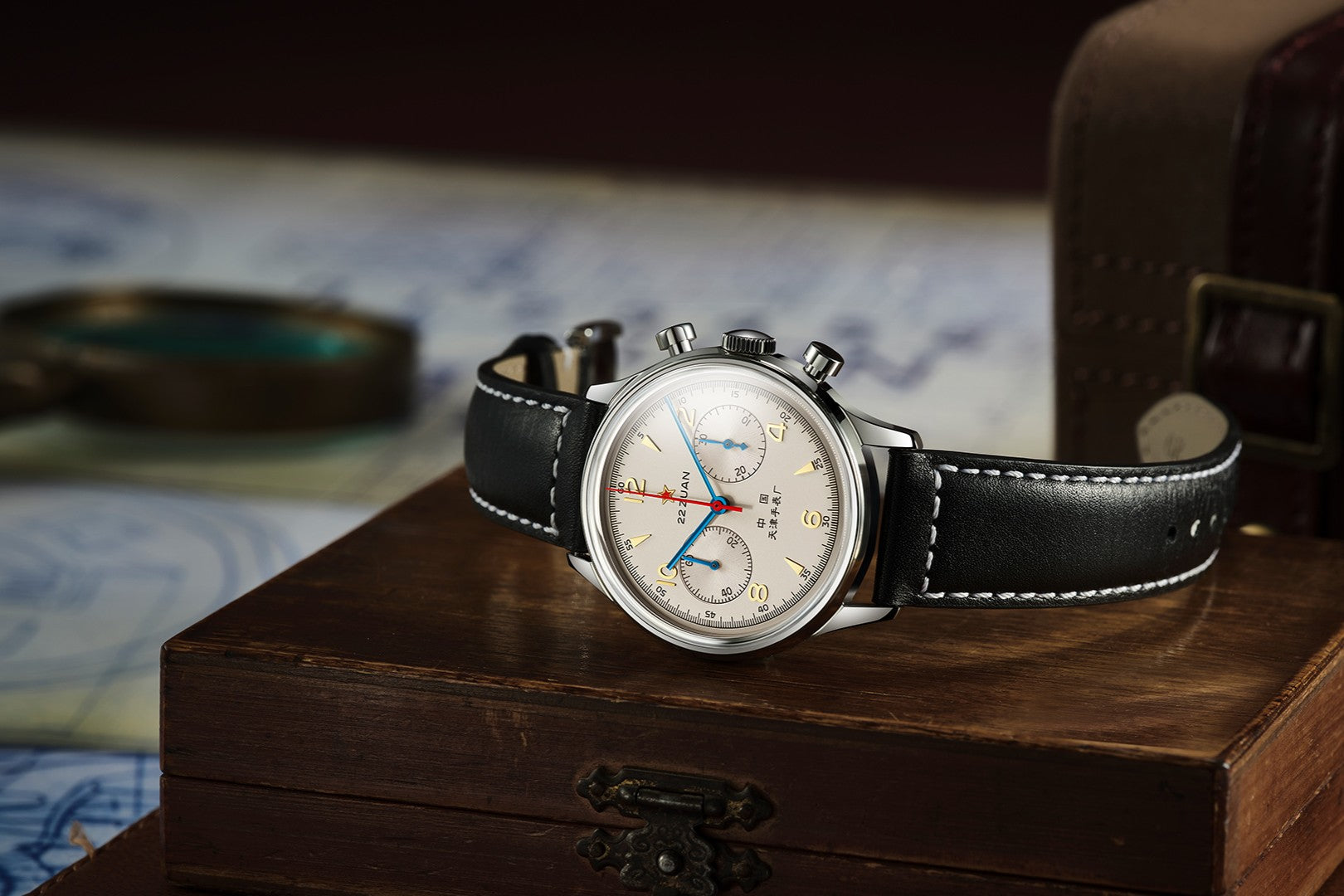
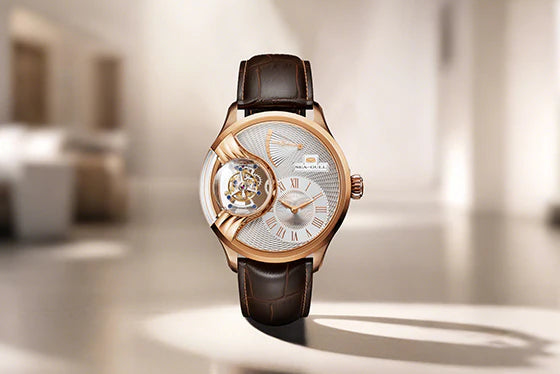
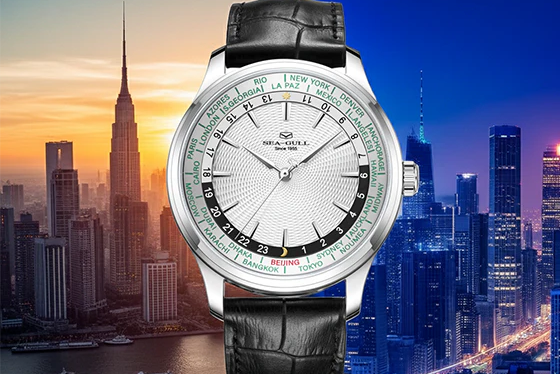
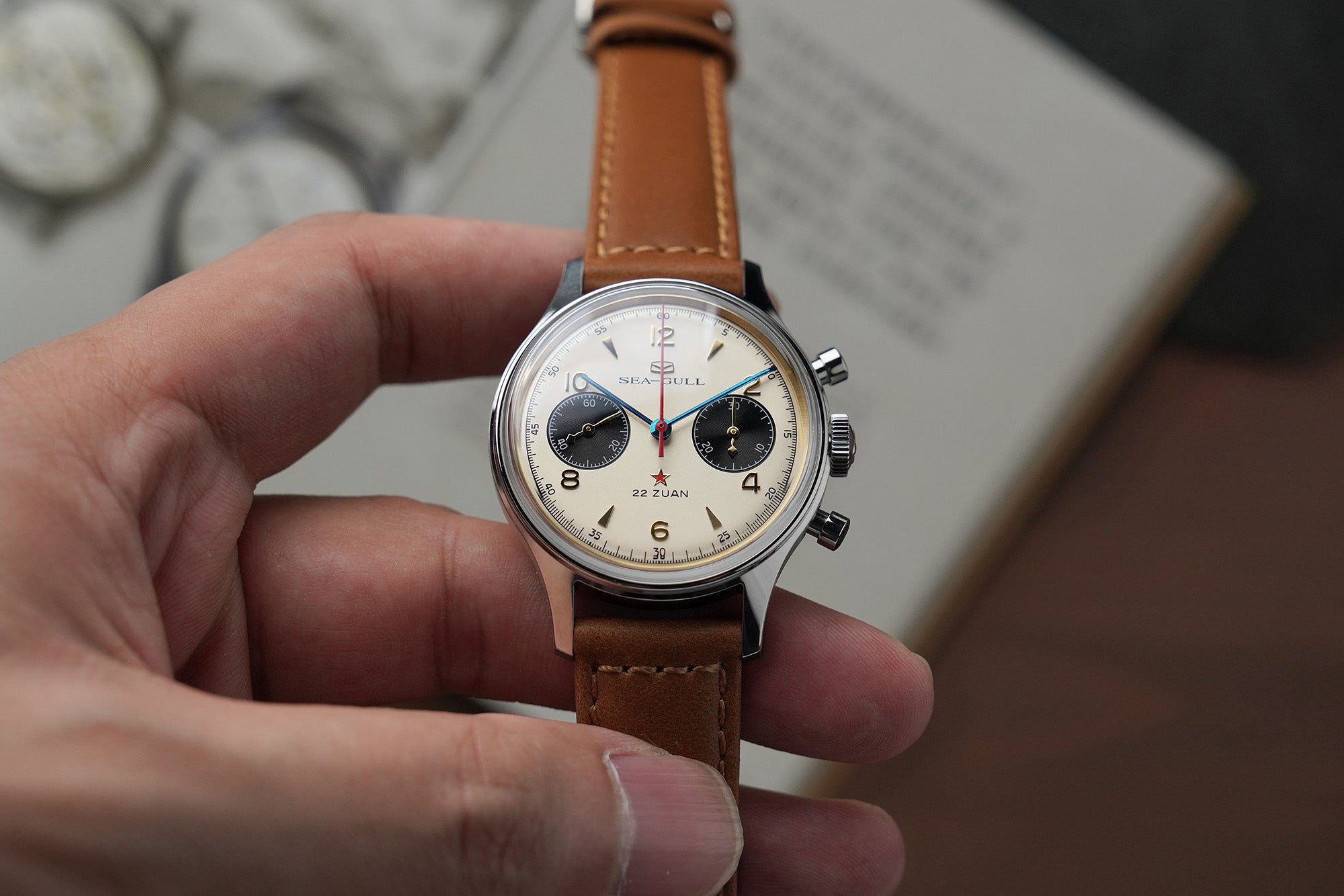
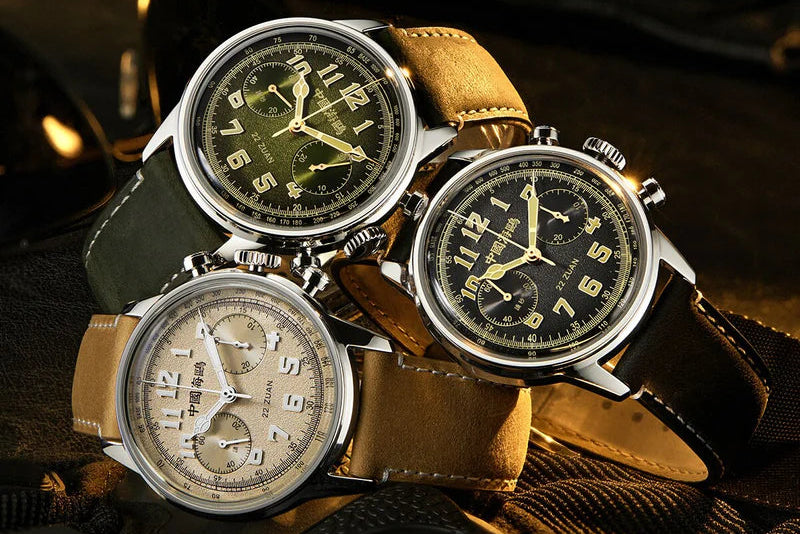
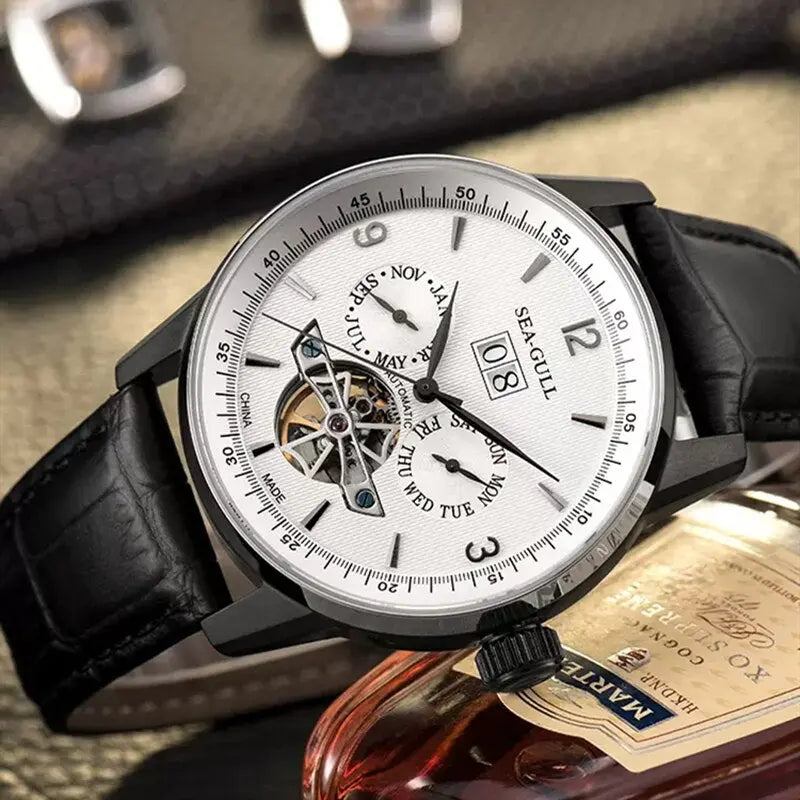
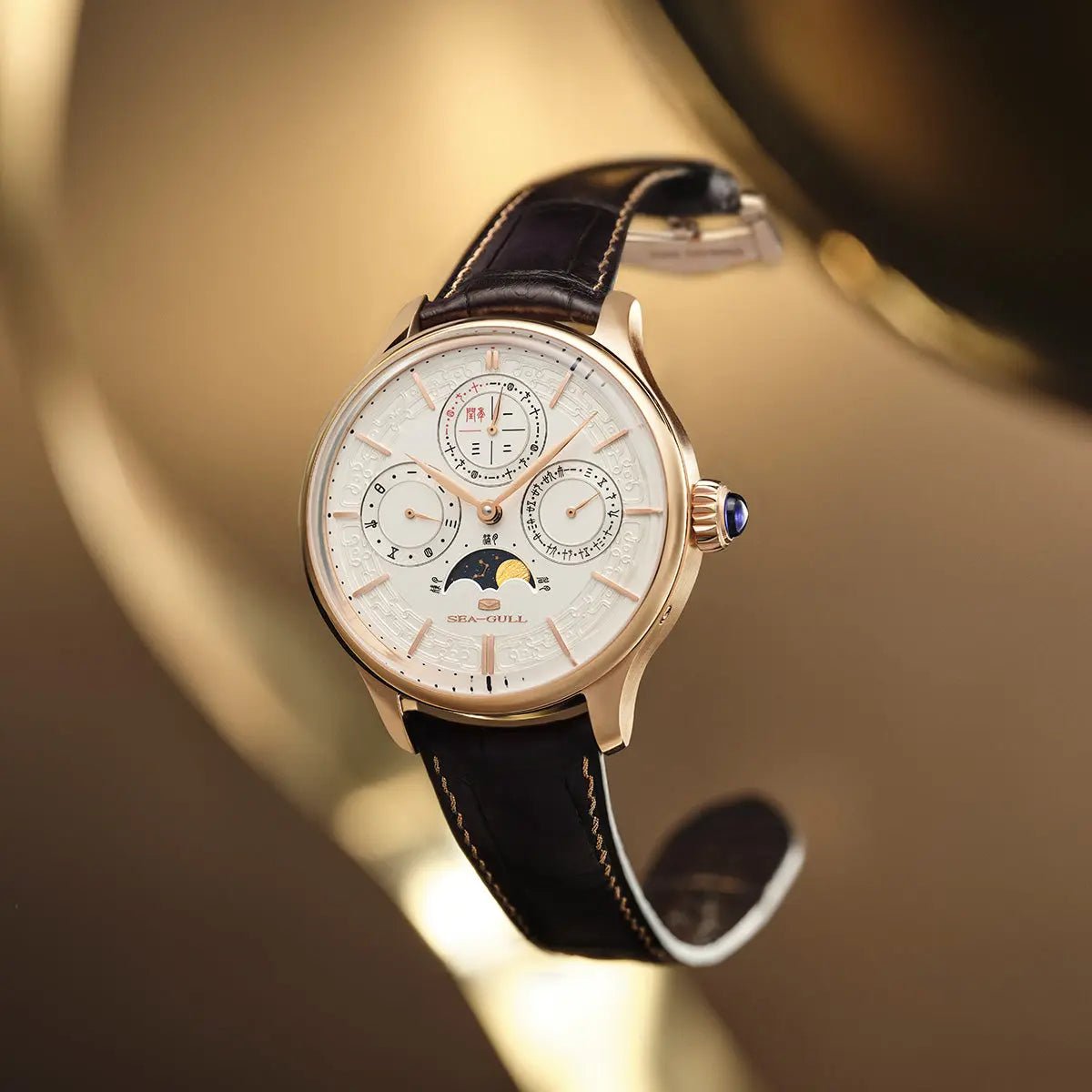
A Sea-Gull leather watch strap with a pin buckle offers a natural, low-sheen warmth that echoes traditional winter footwear and accessories. Its calm, organic surface provides a composed counterpoint to patterned herringbone or houndstooth jackets while preserving the quiet formality expected alongside dark tailoring.

For days that bridge formal shirtings and knitwear, the Sea-Gull Milan mesh watch strap introduces a fine metallic weave that reads almost like a textile from a step away. Because its interwoven structure catches light in diffused micro-reflections rather than broad mirror flashes, Milanese mesh pairs naturally with fine-gauge rollnecks, crisp poplin cuffs, and unstructured blazers.
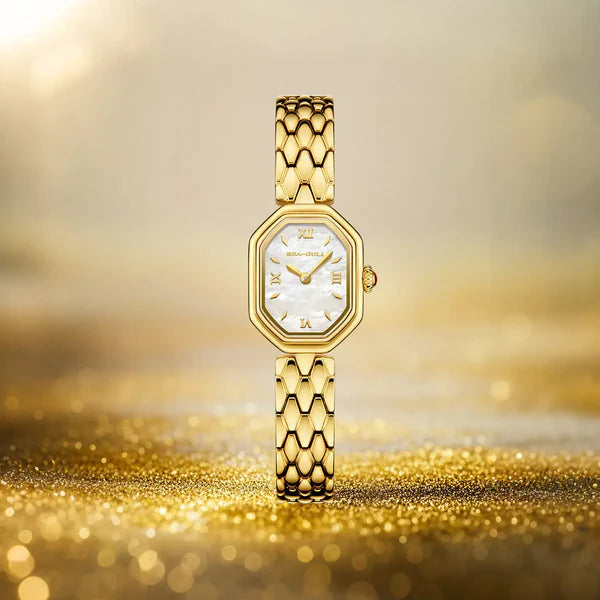
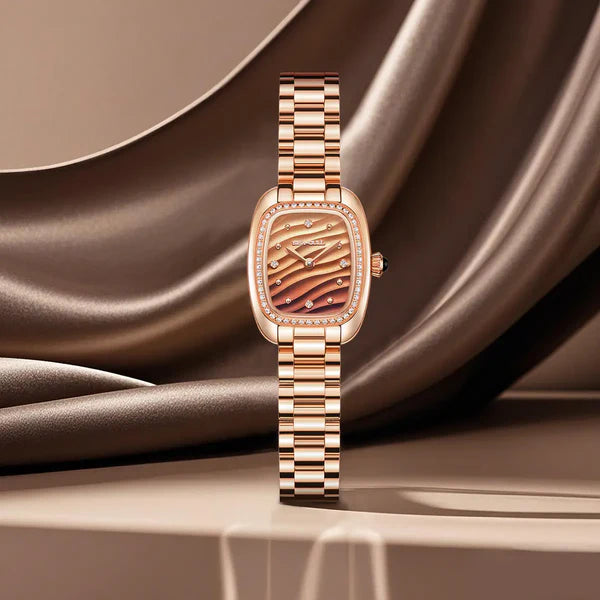
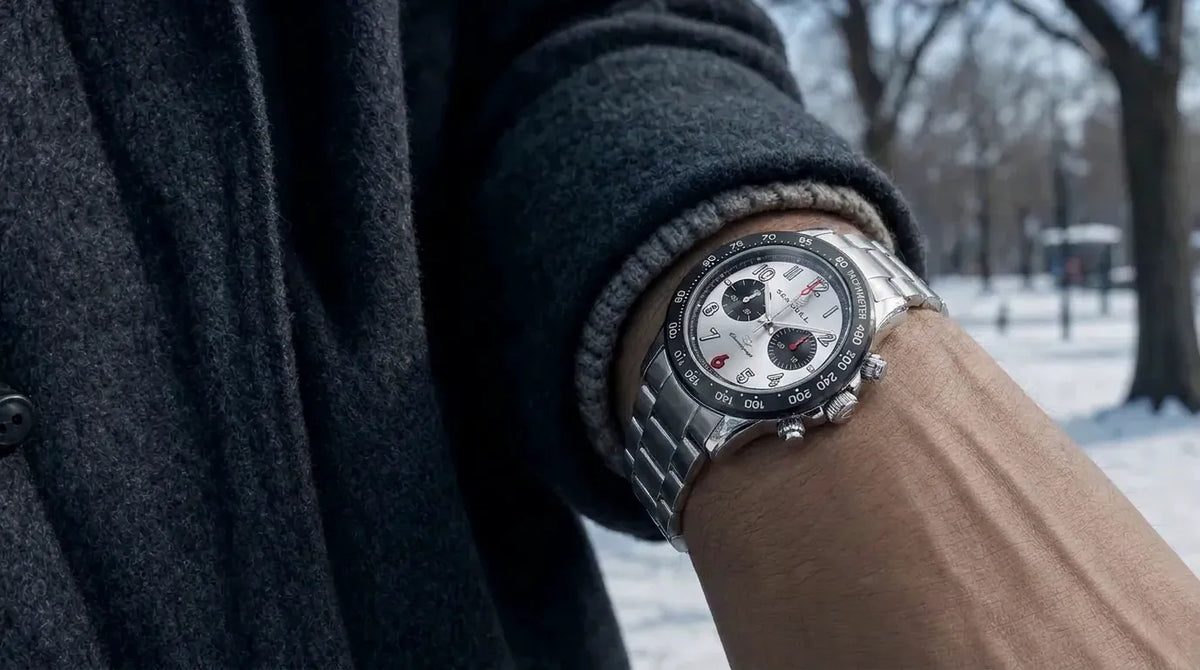
When the forecast calls for heavier outerwear, the Sea-Gull stainless steel watch strap with a push-button clasp provides an architectural, substantial presence. Solid steel links hold their own visually against heavy wool overcoats, shearling collars, chunky fisherman knits, and selvedge denim, where a delicate dress band might look under-scaled.
| Band Option | Closure Mechanism | Visual Texture | Best Seasonal Attire | Primary Environmental Strength |
|---|---|---|---|---|
| Leather Watch Strap | Pin buckle | Matte to subtle satin organic grain | Flannel, tweed, cashmere, dark tailoring | Immediate warmth against the skin |
| Milan Mesh Watch Strap | Adjustable mesh clasp | Fine interwoven metallic micro-weave | Fine-gauge knits, rollnecks, dress shirts | Slim, continuous drape under tight cuffs |
| Stainless Steel Watch Strap | Push-button folding clasp | Articulated solid metal links | Heavy overcoats, rugged knits, casual twill | Impervious to snow and wet weather |
Thermal Comfort and Cuff Clearance for Cold-Weather Wear
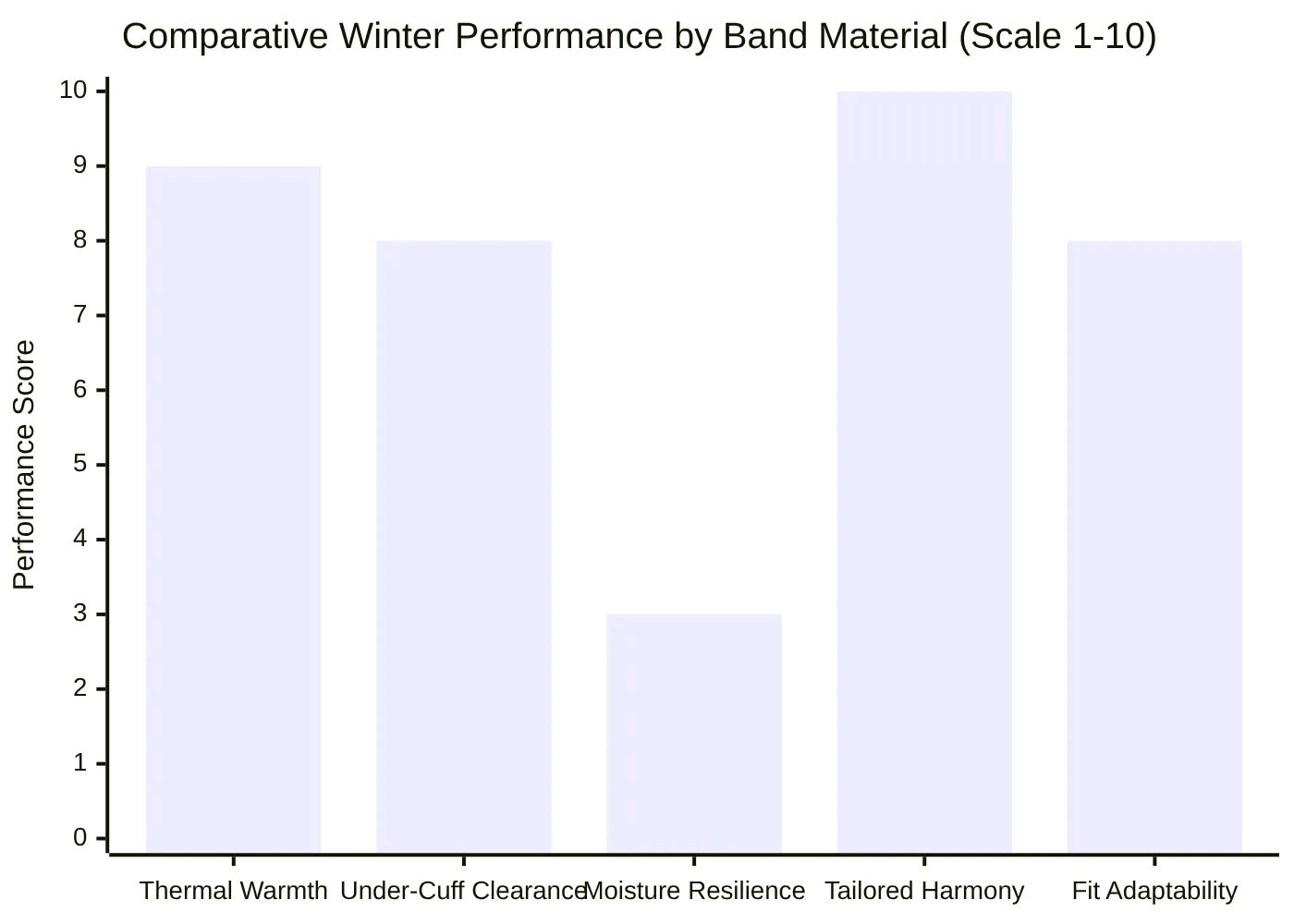
Winter introduces two practical realities that directly affect how a watch wears: thermal conductivity and peripheral vasoconstriction, the slight narrowing of the wrist in freezing air.
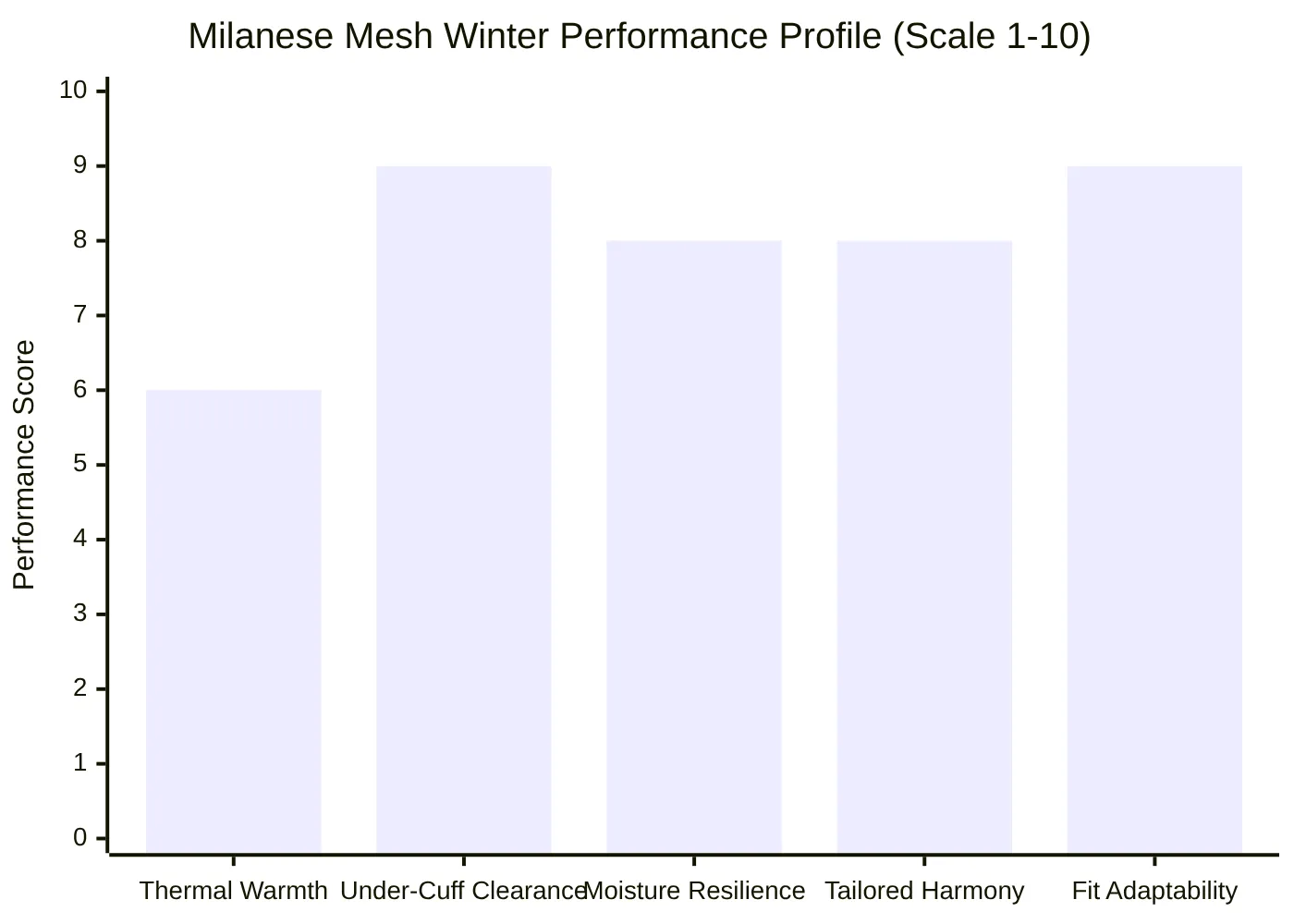
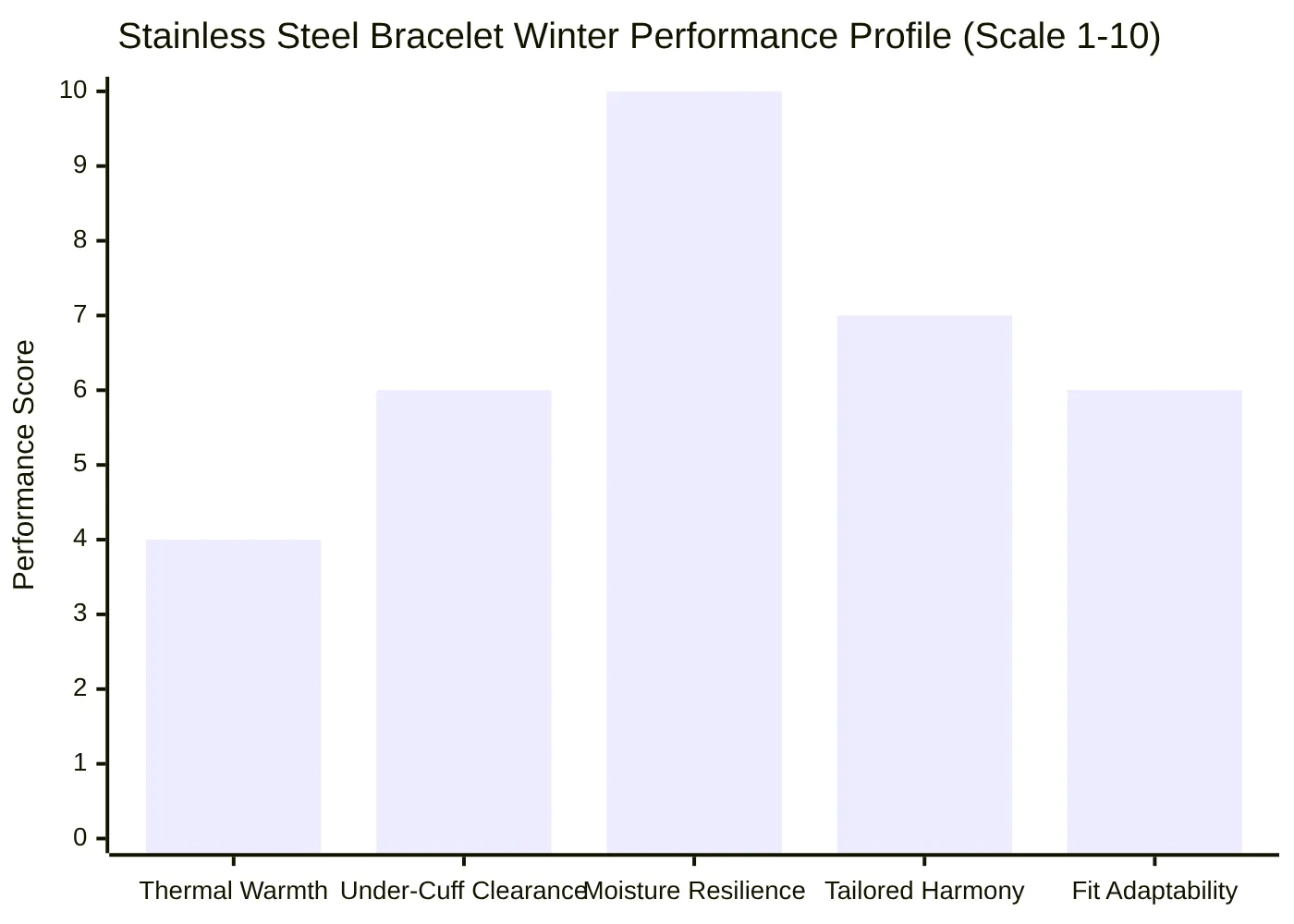
Metal transfers heat rapidly. When a watch has rested on a cool nightstand, a solid stainless-steel bracelet carries enough thermal mass to deliver a brief cold shock against the skin until it reaches body temperature. Milanese mesh, though also metal, has a lighter, perforated weave that warms noticeably faster. Leather acts as a natural insulator; it feels neutral upon first contact in the morning and maintains an even warmth throughout the day.

Layering also stacks multiple cuffs at the wrist. Milanese mesh typically offers the lowest, most uniform profile around the entire wrist, sliding cleanly beneath buttoned barrel cuffs and snug sweater ribbing without catching. A leather strap secured by a traditional pin buckle also lies flat along the underside of the wrist, avoiding bulky hardware when resting on a desk. A solid link bracelet with a push-button clasp carries the tallest vertical profile, requiring a slightly more generous shirt-cuff allowance so fabric does not bunch above the watch case.
Moisture Care and Daily Maintenance Across Seasonal Conditions
Winter is deceptively demanding on watch bands due to the cycle between outdoor snow or sleet and dry, artificially heated interiors. Even when a watch carries a stated water-resistance rating—which should always be treated as a rated condition rather than a permanent guarantee—the band itself requires material-appropriate care.
Leather is porous and vulnerable to moisture trapped inside a damp coat cuff. Melted snow and street salt can wick into stitch holes, while rapid drying near a radiator or heating vent strips natural oils and causes cracking. If a leather strap gets damp, blot it gently with a soft, lint-free cloth and allow it to dry slowly at ambient room temperature, ideally rotating to another watch or bracelet for a day.
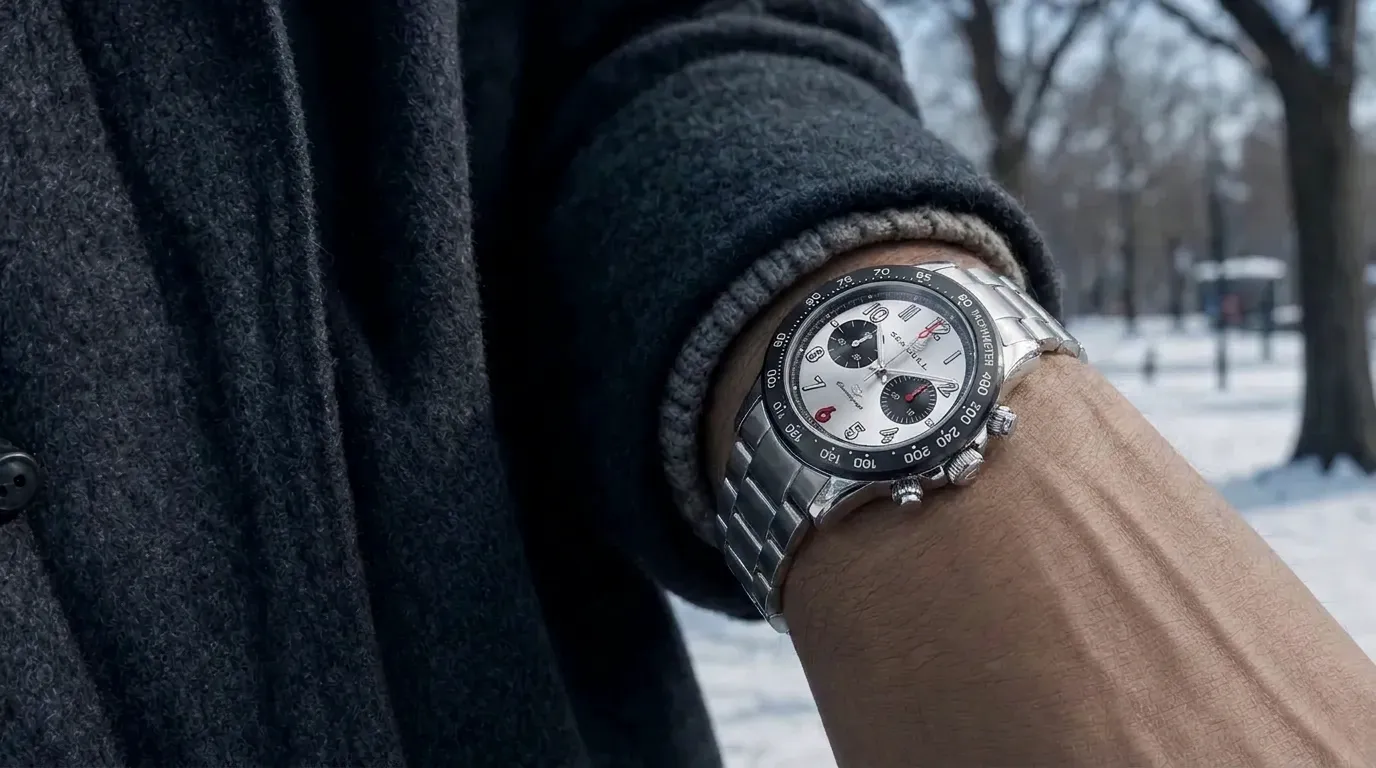
Stainless-steel links and Milanese mesh are impervious to water absorption and warping from snowmelt, making them reliable choices during inclement commutes. Still, winter hand balms, road salt residue, and dry skin can collect inside the fine interstices of a mesh weave or within the release channels of a push-button clasp. Wiping metal bands periodically with a lightly dampened microfiber cloth and drying them thoroughly keeps both the articulation and clasp action crisp.
Why Model-Specific Fit Matters When Changing Straps
Rotating between leather, mesh, and steel is one of the pleasures of owning mechanical watches—whether pairing a slim manual-wind dress piece with leather or anchoring an automatic daily wearer on steel. However, strap and bracelet compatibility is always model-specific and should never be inferred from nominal lug width alone.
Even when two watches share the same width between the lugs, several geometric variables govern whether a band will seat properly:
- End-Link Profile: Solid stainless-steel bracelets frequently use curved or fitted end-links shaped to match the exact case radius of a specific reference. A slight mismatch in case contour will prevent the bracelet from seating.
- Lug-Hole Placement: The horizontal distance between the spring-bar holes and the mid-case wall determines whether a thicker leather wrap or mesh end-tube can pivot without rubbing against the case flank.
- Spring-Bar Clearance: Different bands require specific spring-bar diameters and pivot tolerances to lock securely into the lug holes.
Before ordering or installing a replacement strap or bracelet, always confirm that the band is designed for your exact watch model, and apply a small piece of protective tape to the underside of the lugs during installation to prevent stray tool marks. If you are adding a seasonal strap or timepiece to your rotation, new newsletter subscribers can receive 10% off their first order.


Leave a comment
This site is protected by hCaptcha and the hCaptcha Privacy Policy and Terms of Service apply.