


Black Friday Watches for Smaller Wrists: What to Check Before You Buy
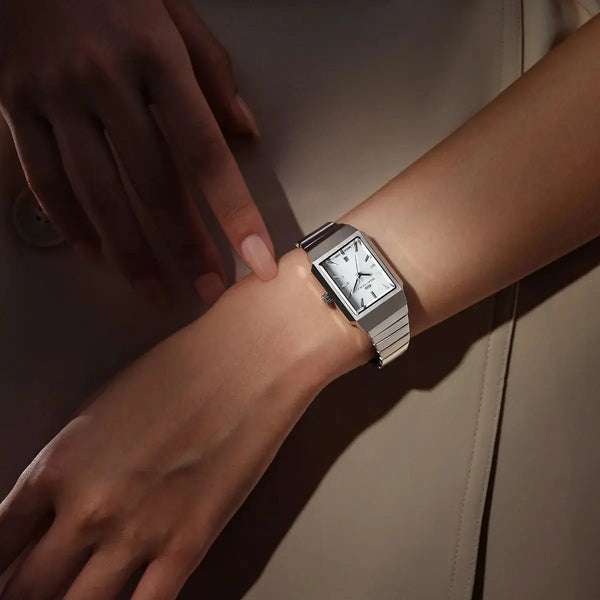
For a smaller wrist, a watch should be judged as a complete on-wrist composition. Case diameter is only the opening measurement; lug-to-lug length, thickness, dial architecture, attachment, weight, and wrist shape determine how the watch ultimately wears.
Measure More Than the Case Diameter
Record the published case diameter, lug-to-lug length, and thickness before comparing models.
- Case diameter describes the width of the case. It is useful for an initial comparison, but it does not show how far the lugs extend across the wrist.
- Lug-to-lug length measures the case from one lug tip to the other along the strap axis. Compare this span with the flatter upper surface of your wrist, not wrist circumference alone.
- Thickness affects side profile and shirt-cuff clearance. A thin case can still appear substantial if it has a broad dial or long lugs.
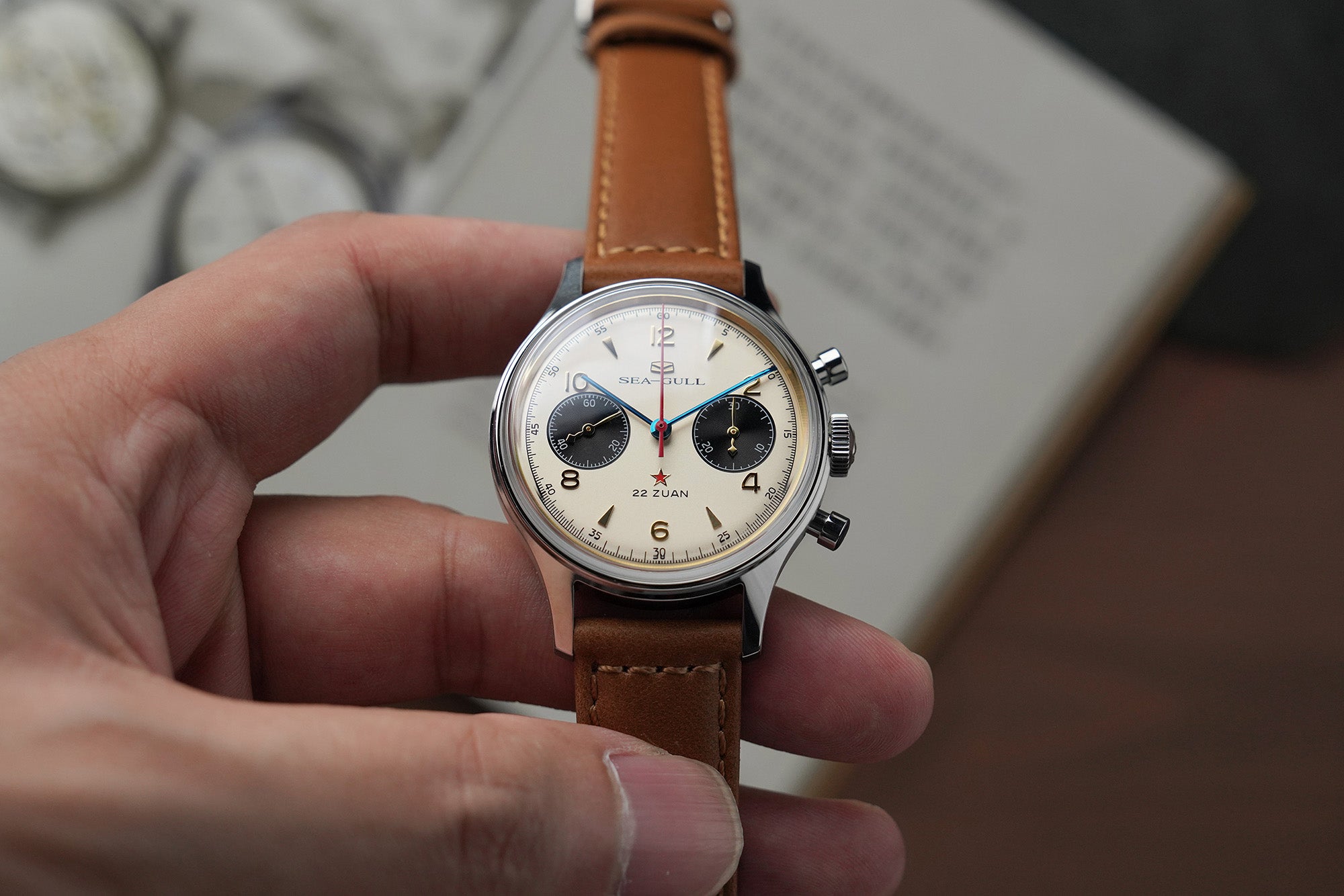
- Dial opening affects visual scale. A wide dial, narrow bezel, prominent numerals, or multiple sub-dials can make a watch appear larger than its diameter suggests.
Use published figures only. Do not estimate a dial opening, lug curvature, or case profile from product images when the product page does not state those details.
Consider Wrist Shape and Lug Geometry
Wrist shape changes how a case and its lugs land. A narrow or rounded wrist can provide less flat surface for a long, straight lug span. A flatter wrist can present a different visual footprint at the same circumference.
Use this sequence:
- Place a ruler across the upper surface of your wrist where the watch will sit.
- Compare that usable surface with the published lug-to-lug measurement.
- Review straight-on product images for dial openness and visual density.
- Review side images for case height and how the strap or bracelet begins at the lugs.
- Mark missing specifications as unknown. Do not treat an unknown detail as a favorable one.
A compact case can still feel visually assertive when the dial is open or complex. A slightly larger diameter can appear contained when the lug span is moderate and the case profile is slim. These are proportion checks, not universal sizing rules.
Compare Straps, Bracelets, and Weight
Attachment style affects both comfort and perceived mass.
A leather strap usually creates a different visual break from a steel bracelet. It can make the case appear more isolated on the wrist, while a bracelet extends the watch's metal presence across the wrist. Neither construction is automatically better for a smaller wrist.
Check the following details on the current product page:
- Strap or bracelet material.
- Published strap width.
- Clasp type.
- Published net weight.
- Case material.
- Images that show the first links or strap connection.
Avoid assumptions about bracelet taper, micro-adjustment, fixed end links, clasp length, or articulation unless the page confirms them. These details can affect fit, but they are not interchangeable across models.
Three Current Models Worth Comparing
The following current Sea-Gull models provide published dimensions that support a more disciplined comparison. The measurements are specifications, not promises of fit.
| Watch | Published dimensions | Attachment and weight | What to notice |
|---|---|---|---|
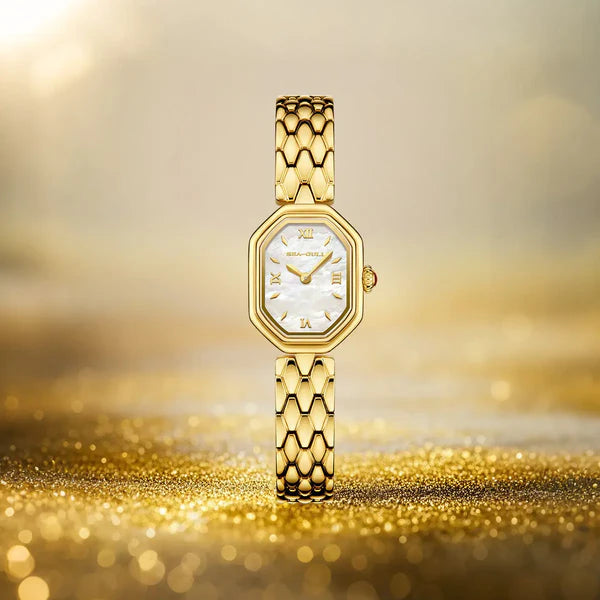
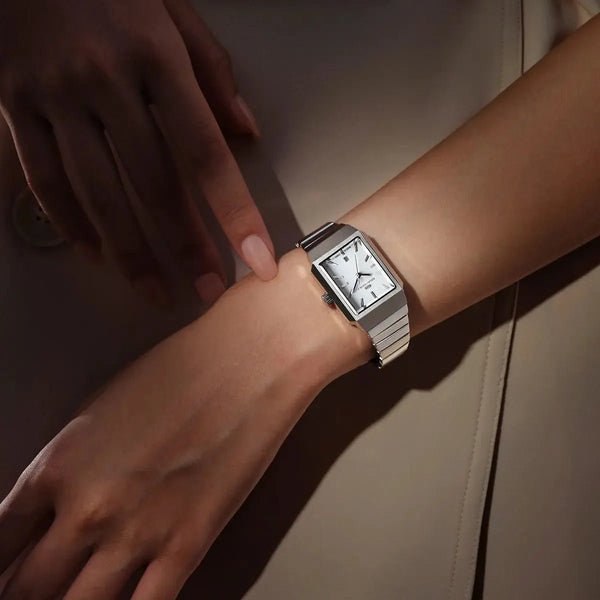
| Elegant 6169 | Approx. 36.5mm diameter, 41.6mm lug-to-lug, 12mm thick | 316L stainless-steel bracelet, approx. 12mm width, push-button hidden clasp, approx. 69g | The shortest published lug span in this group gives it the most contained footprint, while the squared dial design preserves visual character. |
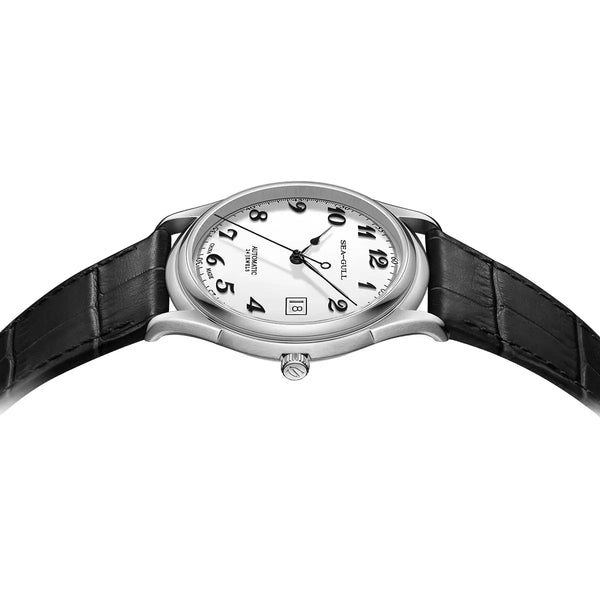
| Ultra-Thin 1076 | Approx. 39mm diameter, 44.5mm lug-to-lug, 9mm thick | Leather strap, approx. 21mm width, pin buckle, approx. 49g | The slimmest case and lightest listed weight may suit a wearer who values cuff clearance and low visual mass. |
| Natural Series Polaris 6180 | Approx. 40mm diameter, 46.3mm lug-to-lug, 10mm thick | 316L stainless-steel bracelet, approx. 20mm width, push-button hidden clasp, approx. 126g | Its longer span and higher weight make an on-wrist proportion check especially important. |
The Elegant 6169 is the most contained of the three by published diameter and lug-to-lug length. Its 12mm thickness still deserves a side-profile check, but the compact footprint makes it the logical starting point for a smaller wrist.
The Ultra-Thin 1076 trades the smallest diameter for a sleeker 9mm profile and a light 49g listed weight. Its 44.5mm span remains part of the decision, yet the leather strap and reduced thickness give it a quieter physical presence.
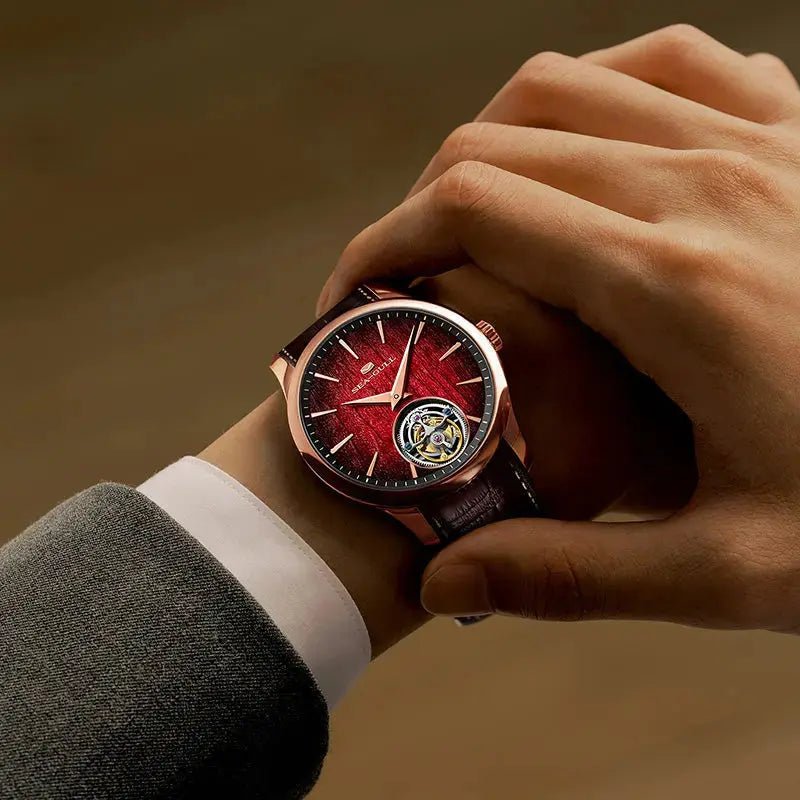
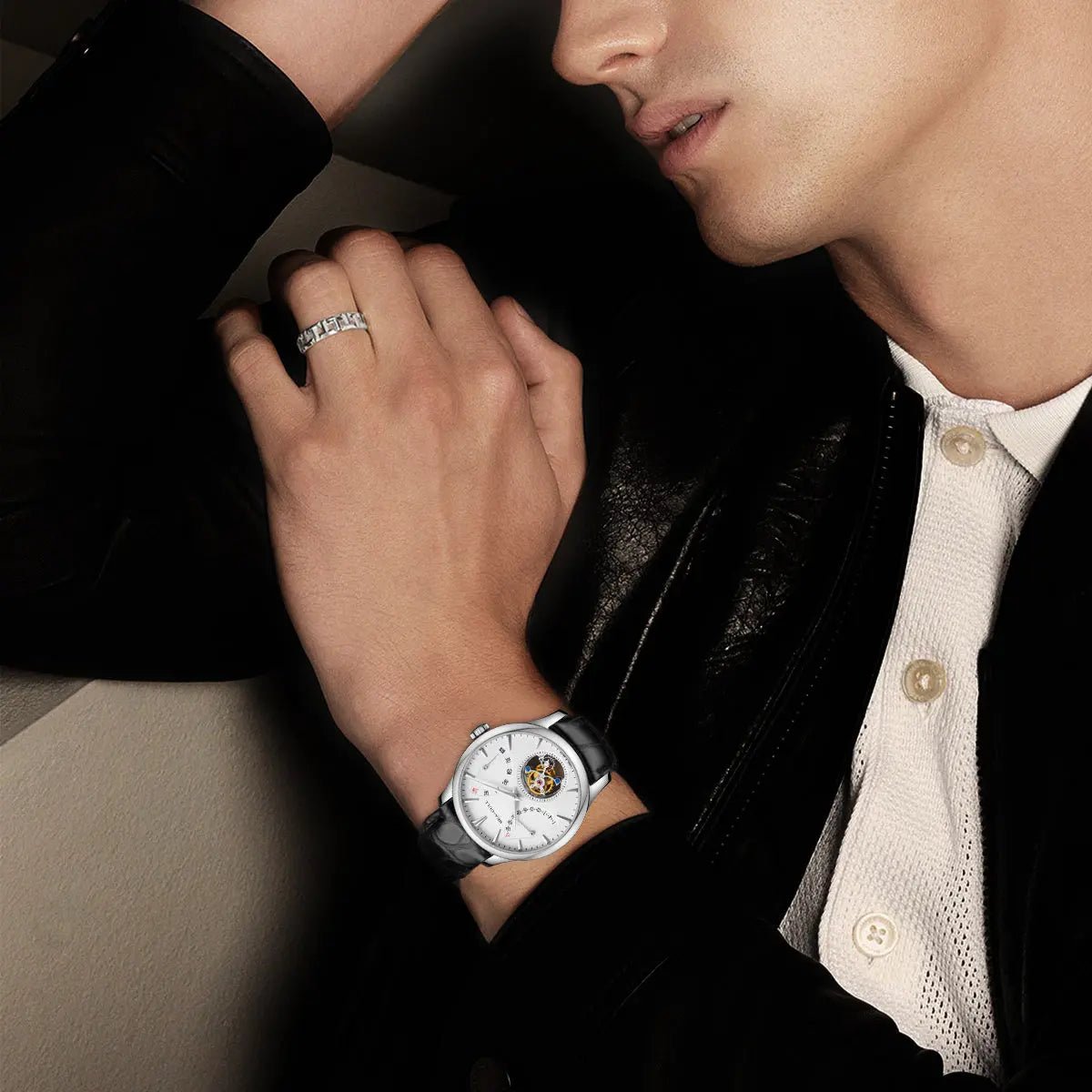
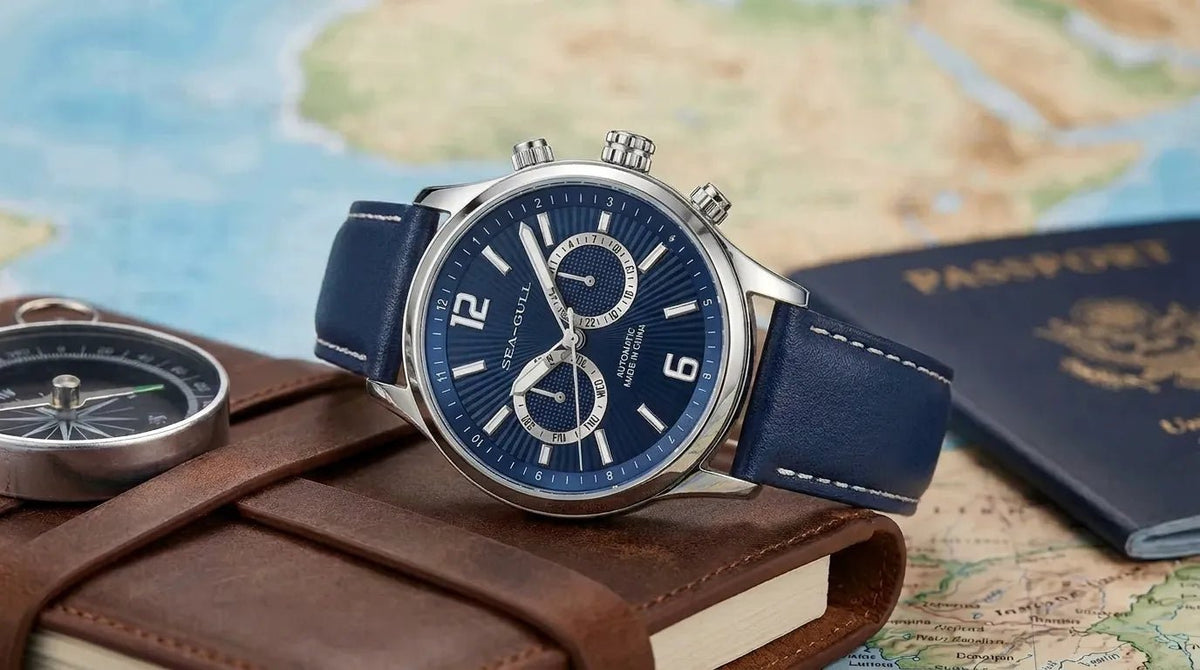
The Polaris 6180 is the boldest proposition here. Its 40mm case, 46.3mm span, steel bracelet, and approximate 126g weight create more wrist presence, while the small-seconds display lends the dial a composed mechanical character.

Run a Final Fit Check Before Buying
Complete these checks immediately before purchase:
- Reopen the current product page and confirm the listed dimensions.
- Compare diameter, lug-to-lug, and thickness together.
- Check the dial image for visual openness, contrast, and sub-dial density.
- Confirm strap or bracelet material and any disclosed clasp, width, or weight information.
- Compare the case span with the flat upper surface of your own wrist.
- Treat unpublished specifications as unknown.
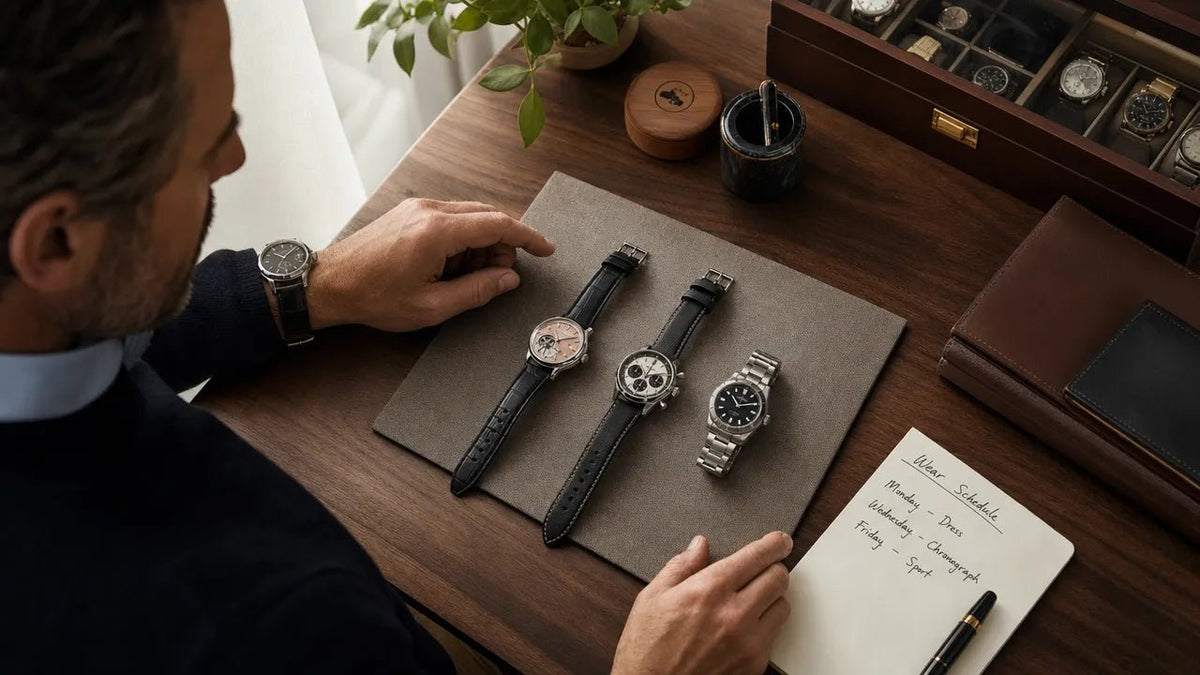
- Select the watch only after the proportion and attachment style match your preference.
The confirmed Black Friday promotion is 20% off, but it should remain a final purchase consideration after the fit review. For additional clean-dial options, browse Sea-Gull minimalist watches.

Leave a comment
This site is protected by hCaptcha and the hCaptcha Privacy Policy and Terms of Service apply.