


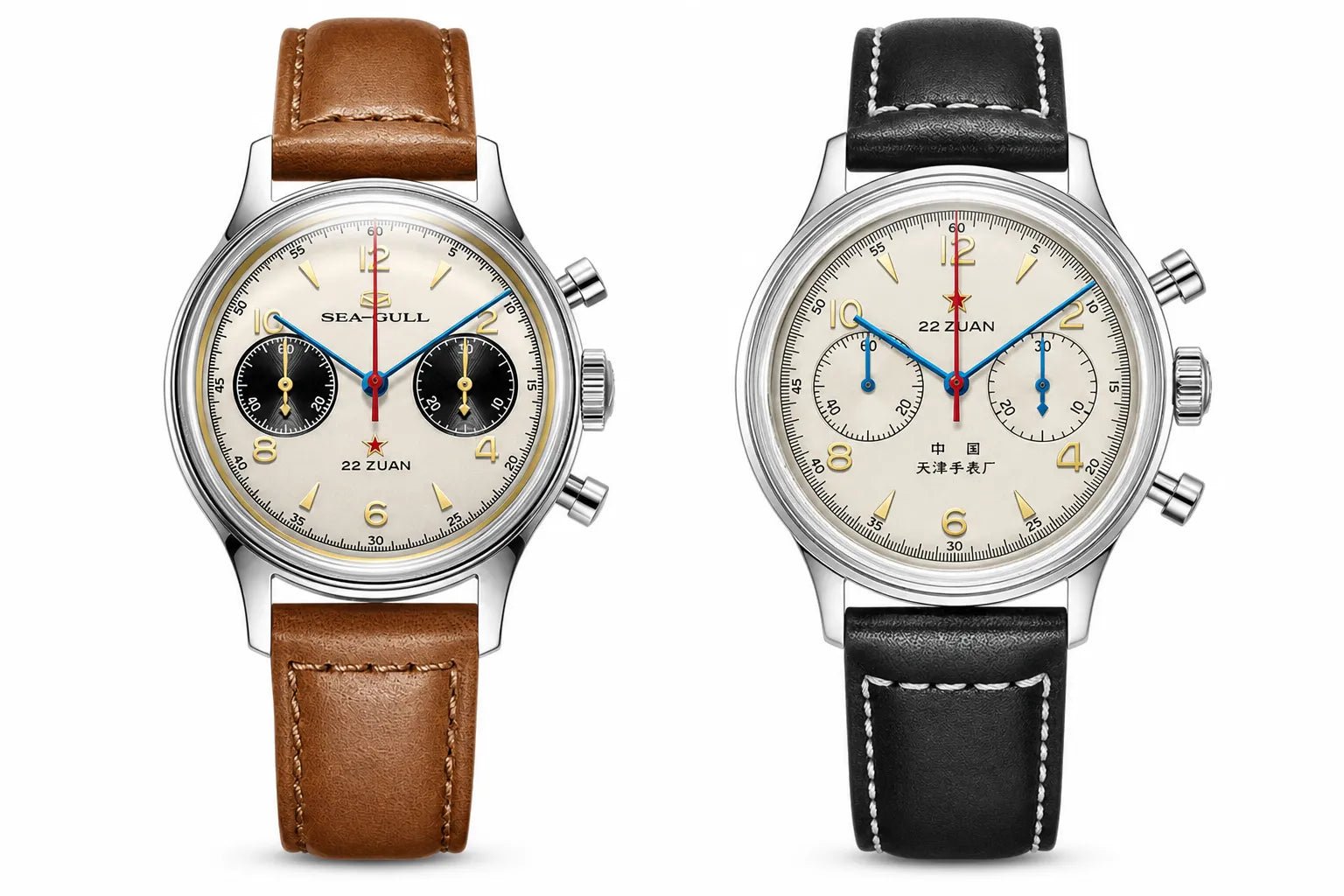
Power Reserve Habits for Automatic and Manual-Wind Watches
A reliable winding routine keeps a mechanical watch supplied with steady energy, makes normal behavior easier to recognize, and helps prevent avoidable strain on the crown and movement. The practical answer to how to care for a mechanical watch is simple: match the routine to its winding system, handle every control gently, and use the model instructions for details that vary by movement.
Mechanical watch maintenance starts with stored energy
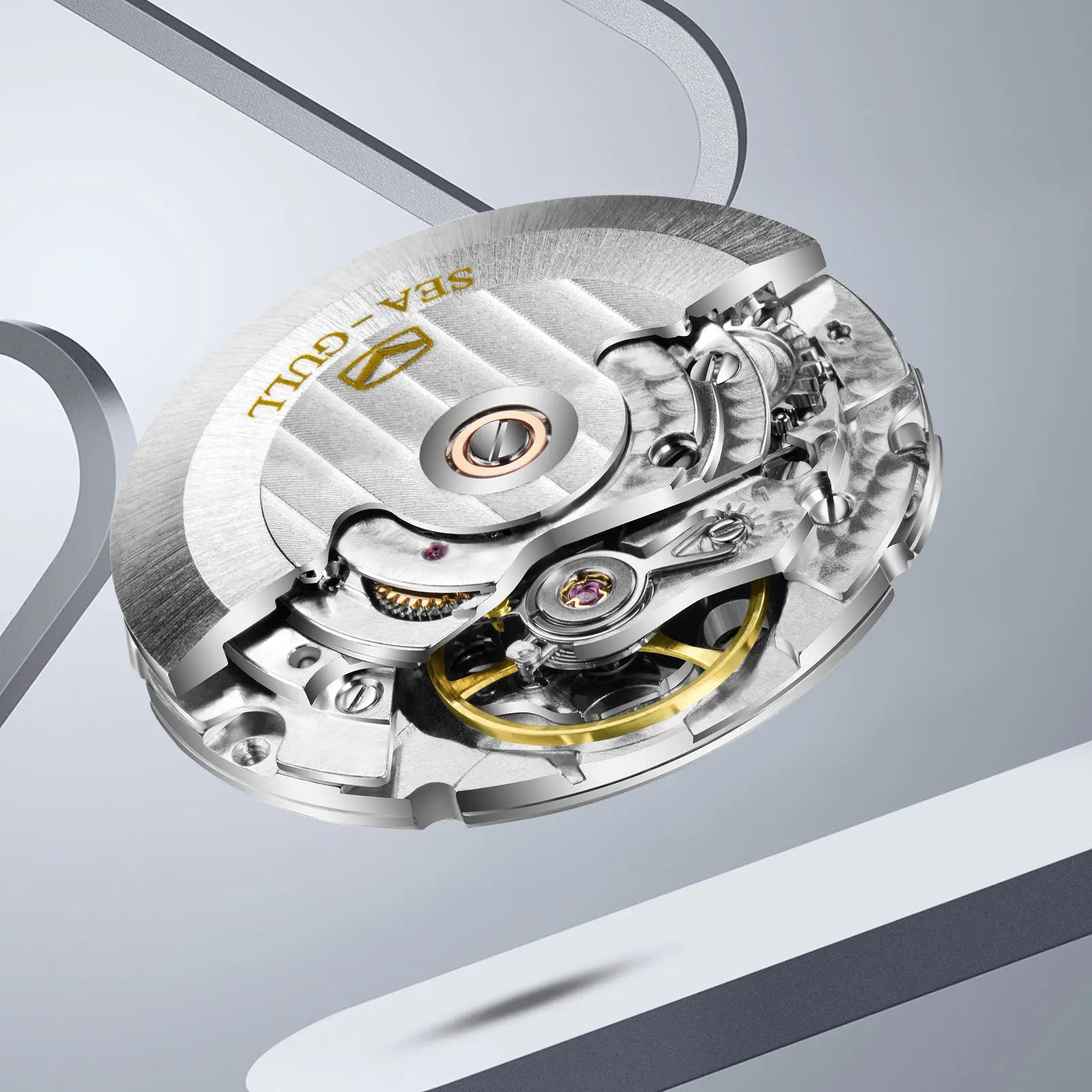
Power reserve is the running time available from energy stored in the mainspring after a full wind, with no further wrist motion or crown winding. That energy sits inside the barrel, travels through the gear train and escapement, and is regulated by the balance wheel before it reaches the hands.
A stated reserve is specific to the movement. Do not estimate it from a watch's size, style, or whether it is automatic or manual-wind. Check the instructions supplied with your watch for its stated reserve, winding direction, and setting procedure.
| Watch type | Main energy source | Best ownership habit |
|---|---|---|
| Automatic mechanical watch | Wrist motion through a rotor | Wear consistently, or hand-wind only when the movement permits it |
| Manual-wind mechanical watch | Crown winding | Wind gently at a regular point in the day |
| Complicated mechanical watch | Depends on movement design | Follow the model-specific instructions before adjusting functions |
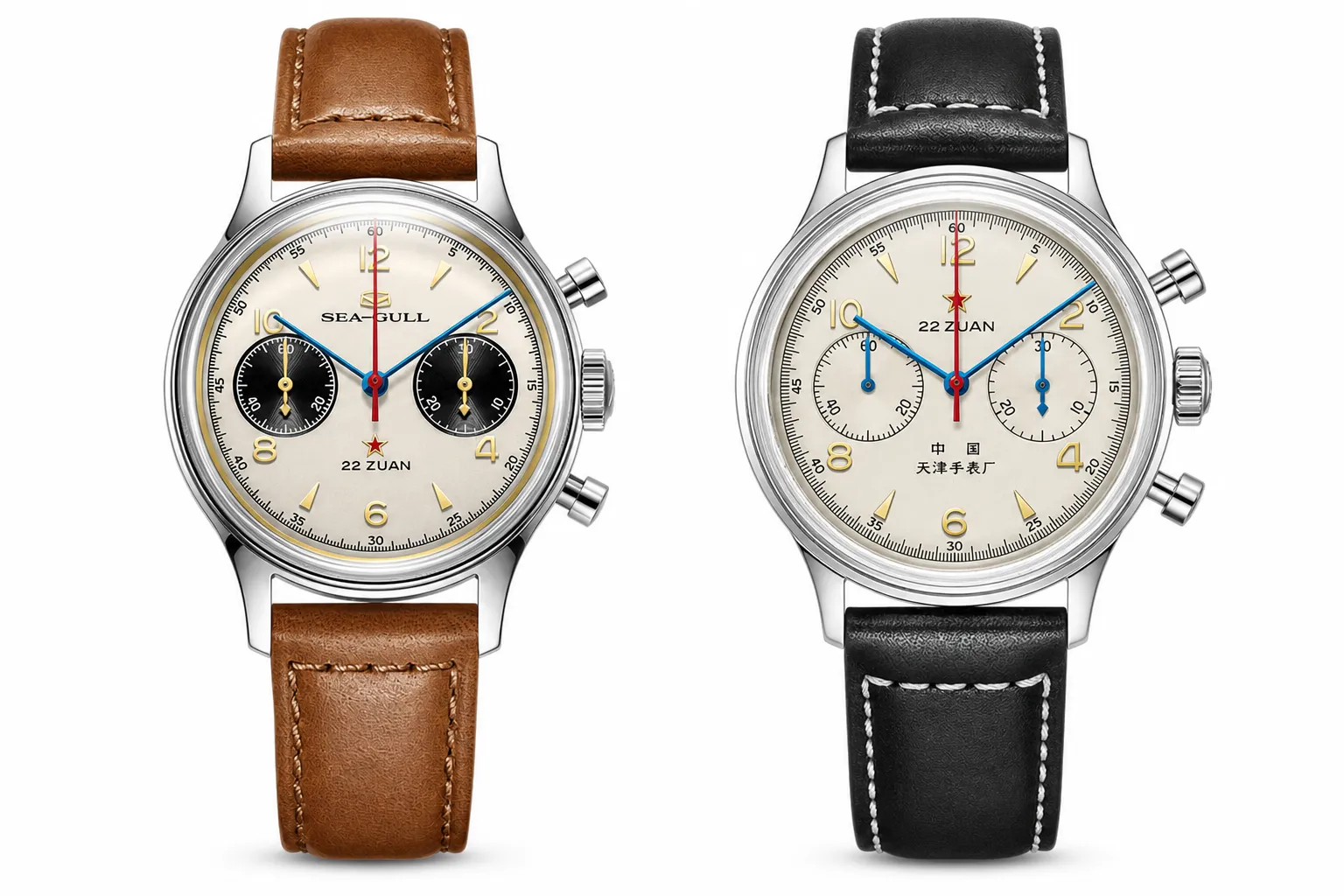
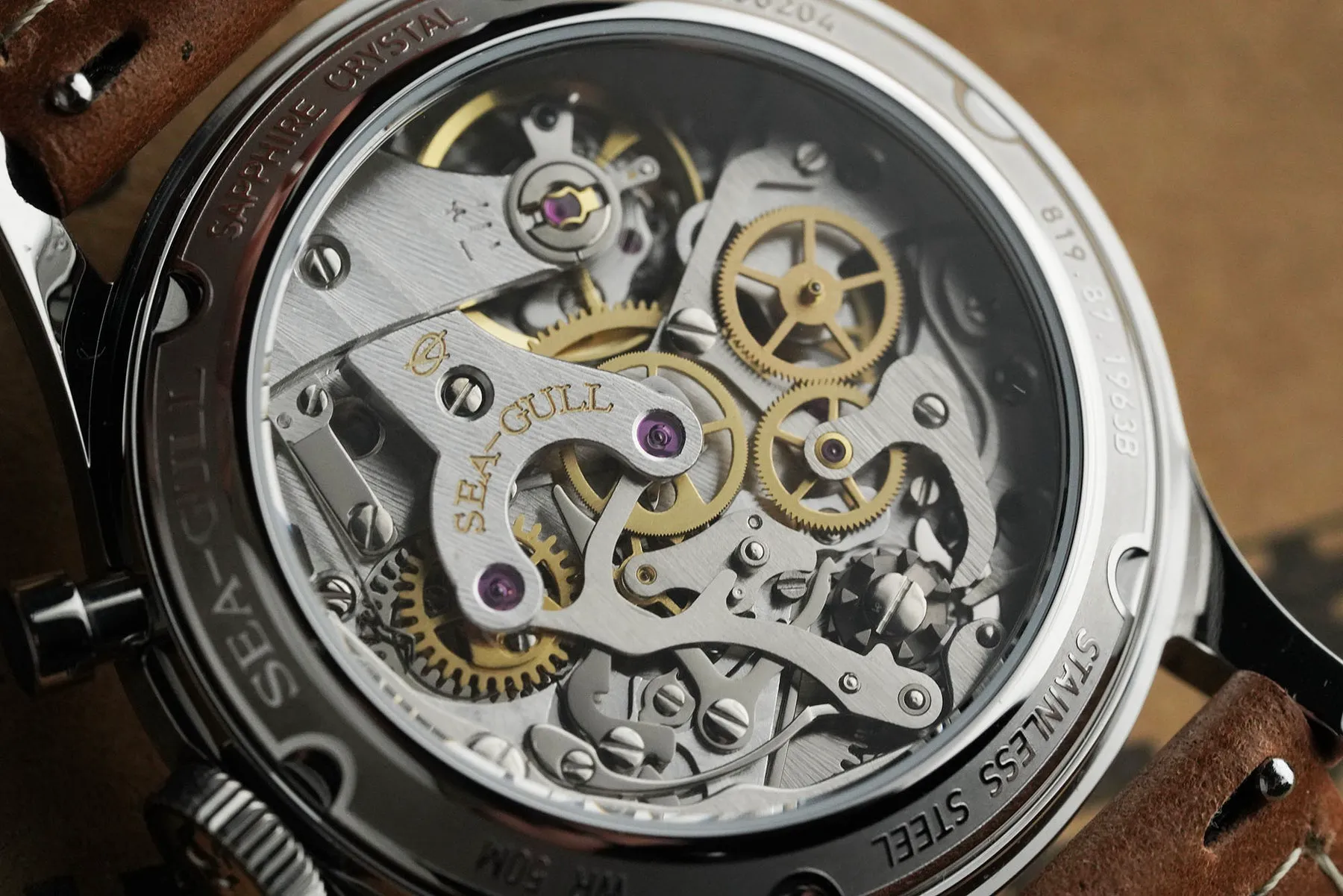
Mechanical watch maintenance habits for automatic watches
An automatic watch replenishes its mainspring through the motion of its rotor. Normal daily activity can be enough to sustain the reserve, but desk work, short wear periods, and low-motion days may provide less winding input than expected.
A stopped automatic should not be shaken vigorously. First, confirm whether its movement supports crown winding. If it does, give the crown a gentle initial wind in its normal winding position, set the time, fully secure the crown, and wear the watch normally. If crown winding is not confirmed for your model, follow the supplied procedure rather than forcing the mechanism.
Letting an automatic watch stop during a collection rotation is generally reasonable. A watch winder is optional convenience equipment, not a universal mechanical-watch requirement. Use one only after confirming that the watch is suitable for the selected rotation settings.
Keep the watch in a clean, dry, stable place away from strong magnets, knocks, and major temperature changes. For more everyday ownership pointers, review the Sea-Gull watch care guide.
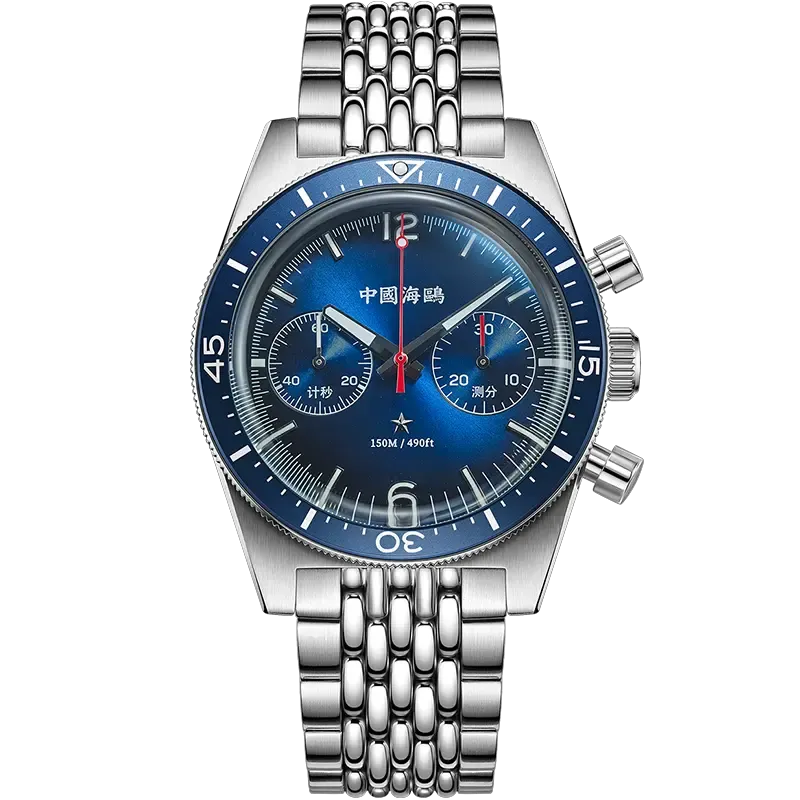
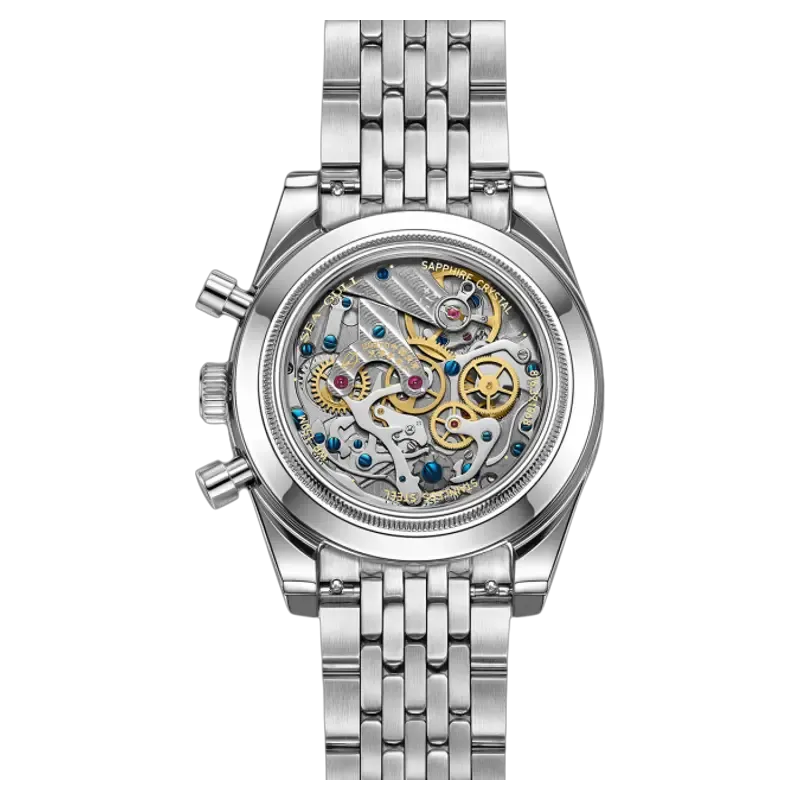
Mechanical watch maintenance habits for manual-wind watches
Manual-wind ownership rewards a deliberate routine. Wind the watch at roughly the same time when practical, preferably off the wrist to reduce sideways pressure on the crown stem. Turn the crown smoothly, using light fingertip pressure.
Stop as soon as the crown reaches its natural firm resistance. A conventional manual-wind movement does not benefit from extra force at the end of its winding range. Forcing the crown can damage the winding mechanism or mainspring.
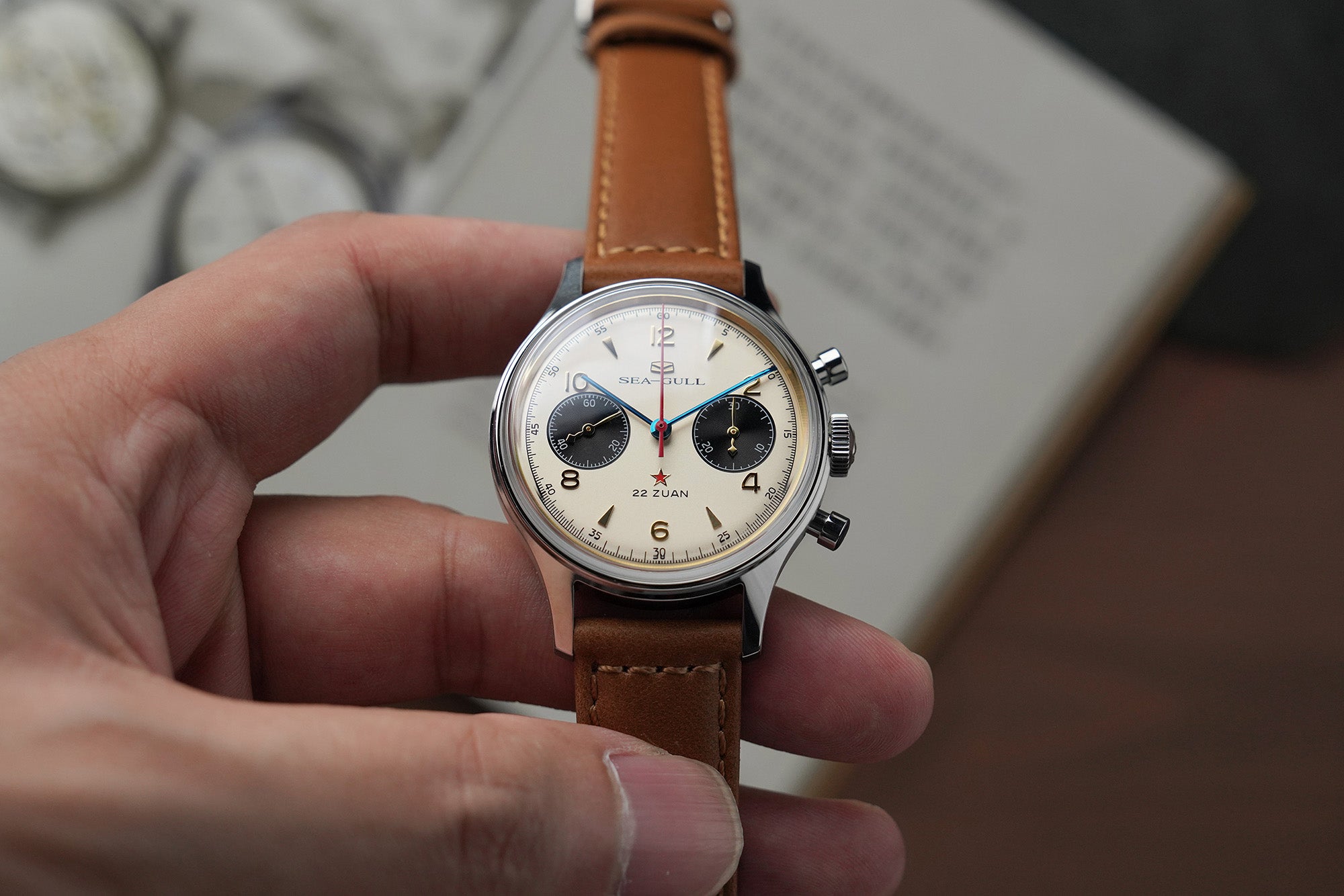
A stopped manual-wind watch can be restarted by gently winding and setting it according to its instructions. It does not need to run continuously simply because it is mechanical. This is particularly useful for a Sea-Gull mechanical watch kept in a rotation with other pieces.
| Crown behavior | Sensible response |
|---|---|
| Smooth, regular winding feel | Continue with the normal routine |
| Natural firm resistance on a manual-wind watch | Stop winding |
| Gritty, catching, or unusually loose feel | Stop and arrange an assessment |
| Crown does not seat smoothly | Do not force it; consult an authorized distributor |
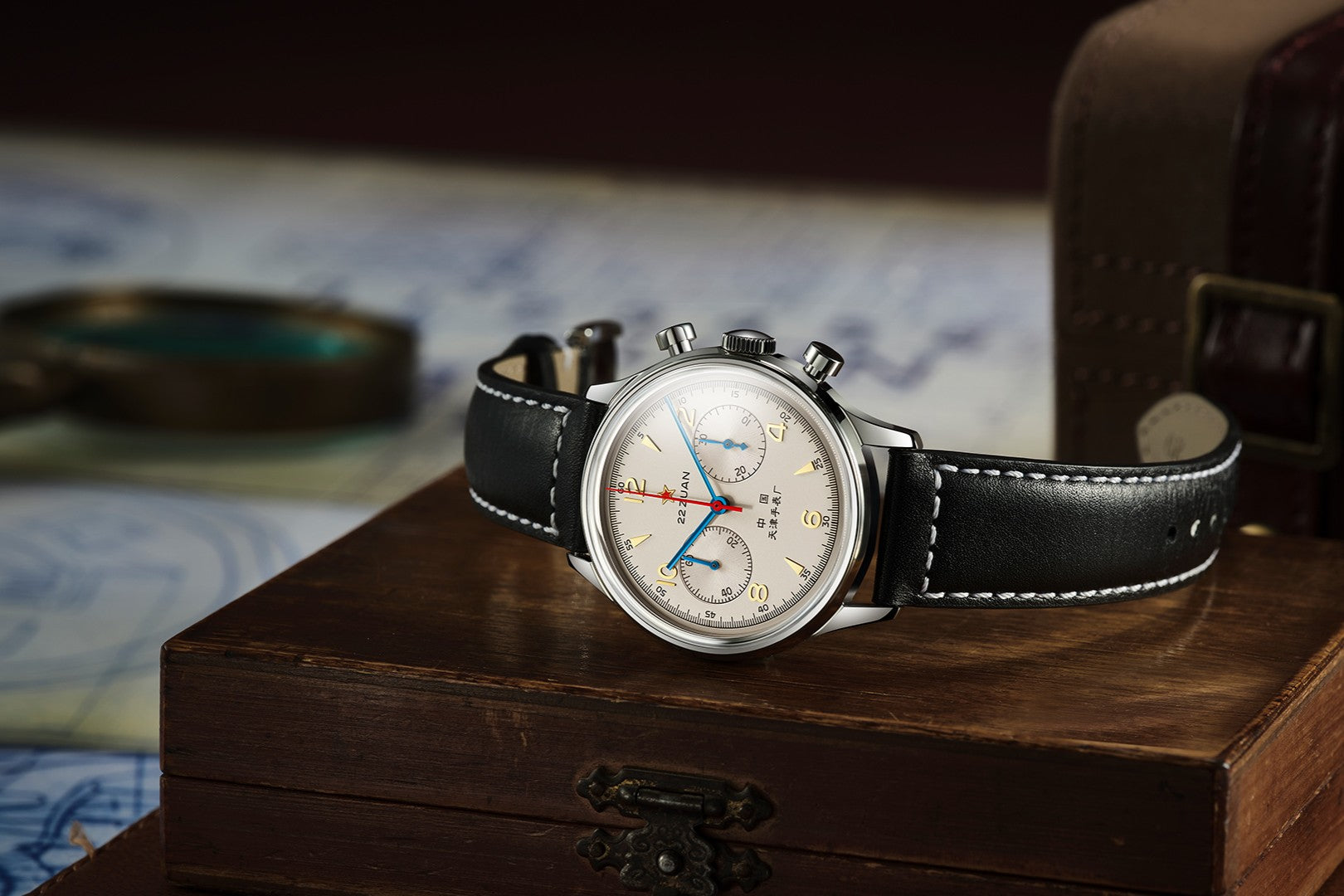
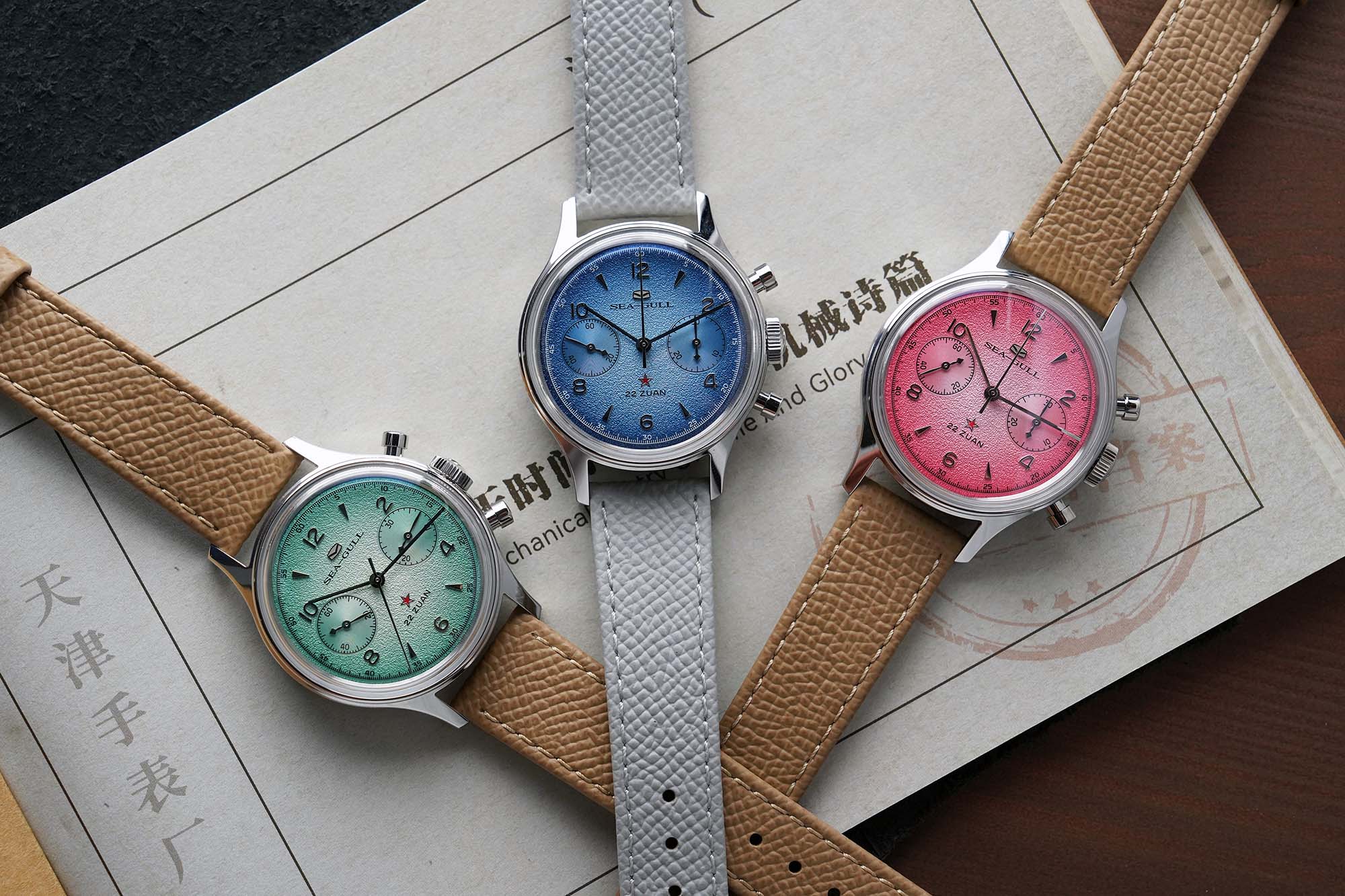
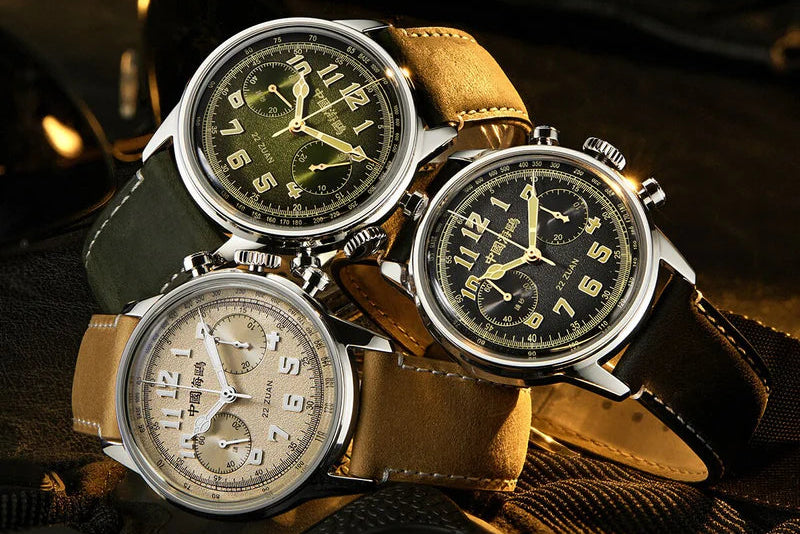
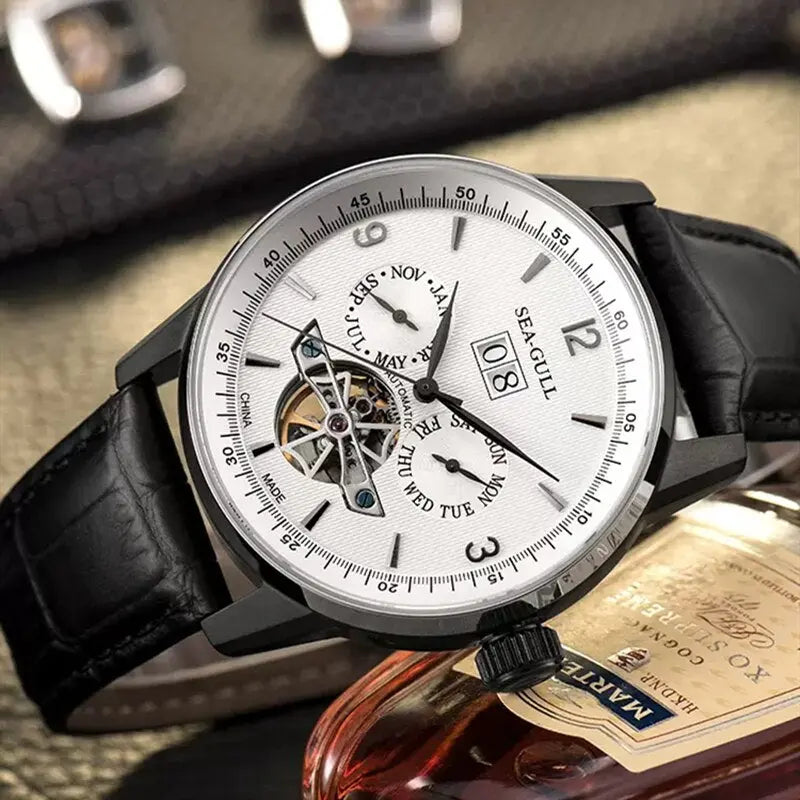
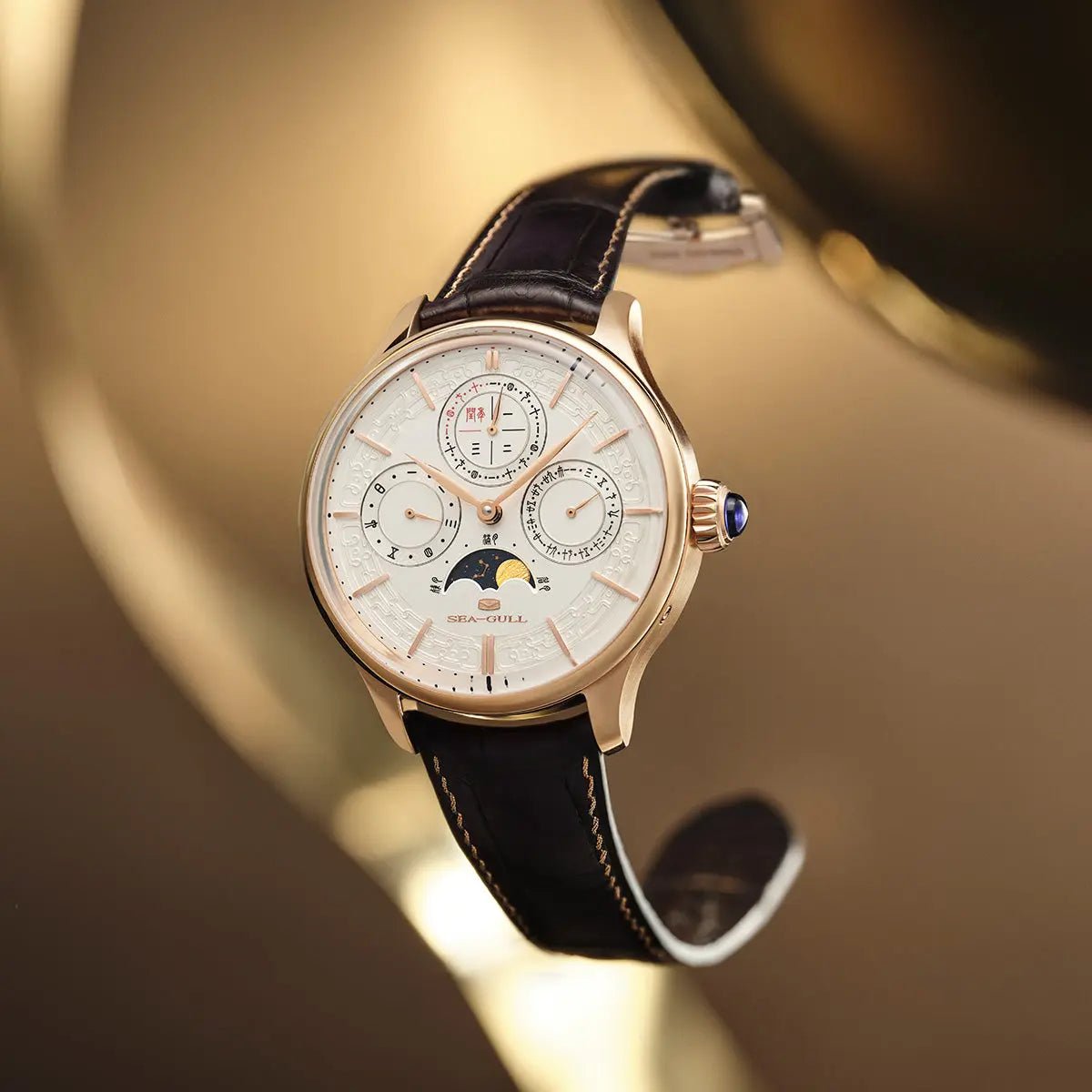
Manual chronographs and calendar-equipped watches need additional care around their controls. Set functions only as directed in the model documentation, and use chronograph pushers with smooth, deliberate pressure. Explore chronograph mechanical watches with the same control-first approach.
Mechanical watch maintenance, power reserve, and watch accuracy
Power reserve and watch accuracy are related, but they are not the same measure. As stored energy declines, the movement may operate with less consistent balance amplitude. That can affect rate stability, especially when paired with factors such as magnetism, shock, temperature changes, or an aging service condition.
Mechanical timing should be judged by a repeatable pattern over several days, not by a single reading or quartz-like expectations. A modest, stable daily variation can be part of normal mechanical behavior. A sudden or sustained shift matters more.
Use this observation routine:
- Correctly wind or restart the watch according to its instructions.
- Synchronize it with a reliable time reference.
- Wear it normally for several days.
- Compare the time at about the same point each day.
- Note low activity, impacts, magnetic exposure, or unusual temperature changes.
Magnetism can contribute to abrupt fast running. Condensation under the crystal, a noticeably reduced reserve, or changed crown feel needs prompt attention. A broader ownership and care resource can help reinforce these day-to-day habits.
Mechanical watch maintenance and watch servicing signs
Watch servicing is condition-led. Professional inspection may include cleaning, lubrication, replacement of worn components where needed, regulation, and functional testing. The right timing depends on the movement, use pattern, environment, and observed behavior, rather than one universal calendar interval.
Arrange an assessment when any of these signs persist:
- Repeated stopping after adequate winding and normal wear.
- A sharp, sustained gain or loss in time.
- A crown that feels stiff, gritty, loose, or difficult to secure.
- Noticeably weaker reserve than the watch's usual behavior.
- Condensation beneath the crystal.
- Chronograph controls or calendar functions that no longer operate normally.
- Changed operation after a meaningful impact.
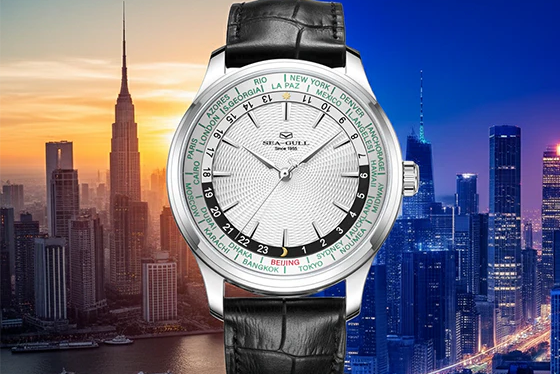
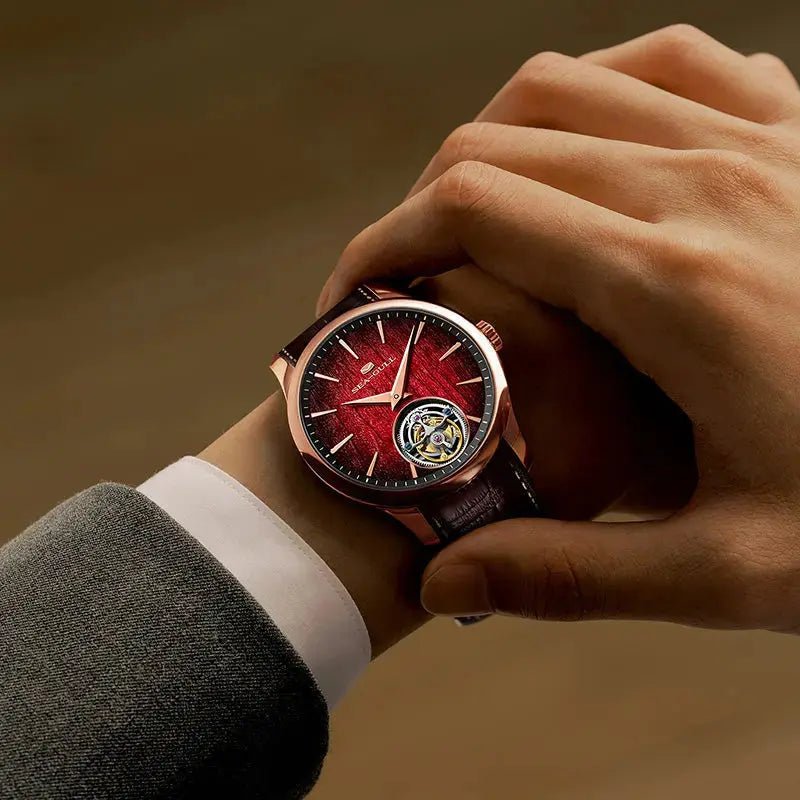
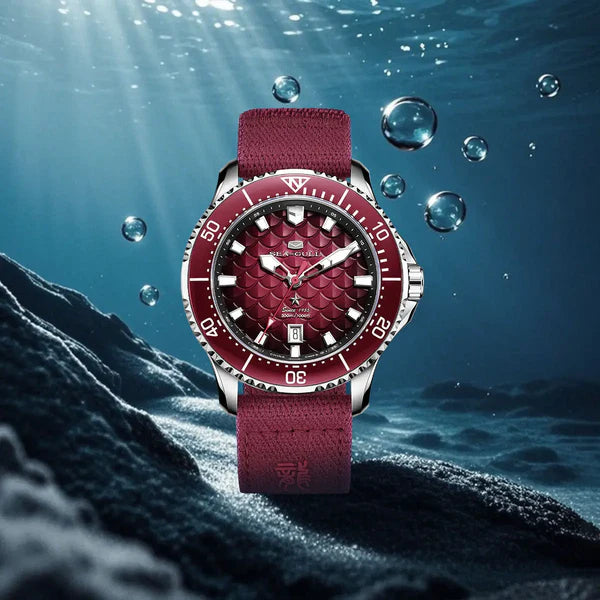
Do not open the caseback, apply lubricants, or force a resistant crown, pusher, or calendar mechanism. For category-specific ownership, Sea-Gull GMT watches, Sea-Gull dive watches, and Sea-Gull tourbillon watches should always be operated according to their individual instructions.
Consistent winding, protected storage, and calm observation create the best foundation for long-term mechanical watch maintenance. When behavior changes, use the model documentation and an authorized distributor for the right next step.