
From Tianjin to Today: The Brand Story Behind Sea-Gull Mechanical Watches
Sea-Gull watch history begins with industrial watchmaking in Tianjin, where a factory-based effort established domestic wristwatch production and later evolved into a modern manufacturer known for complete watches and in-house mechanical movement development.
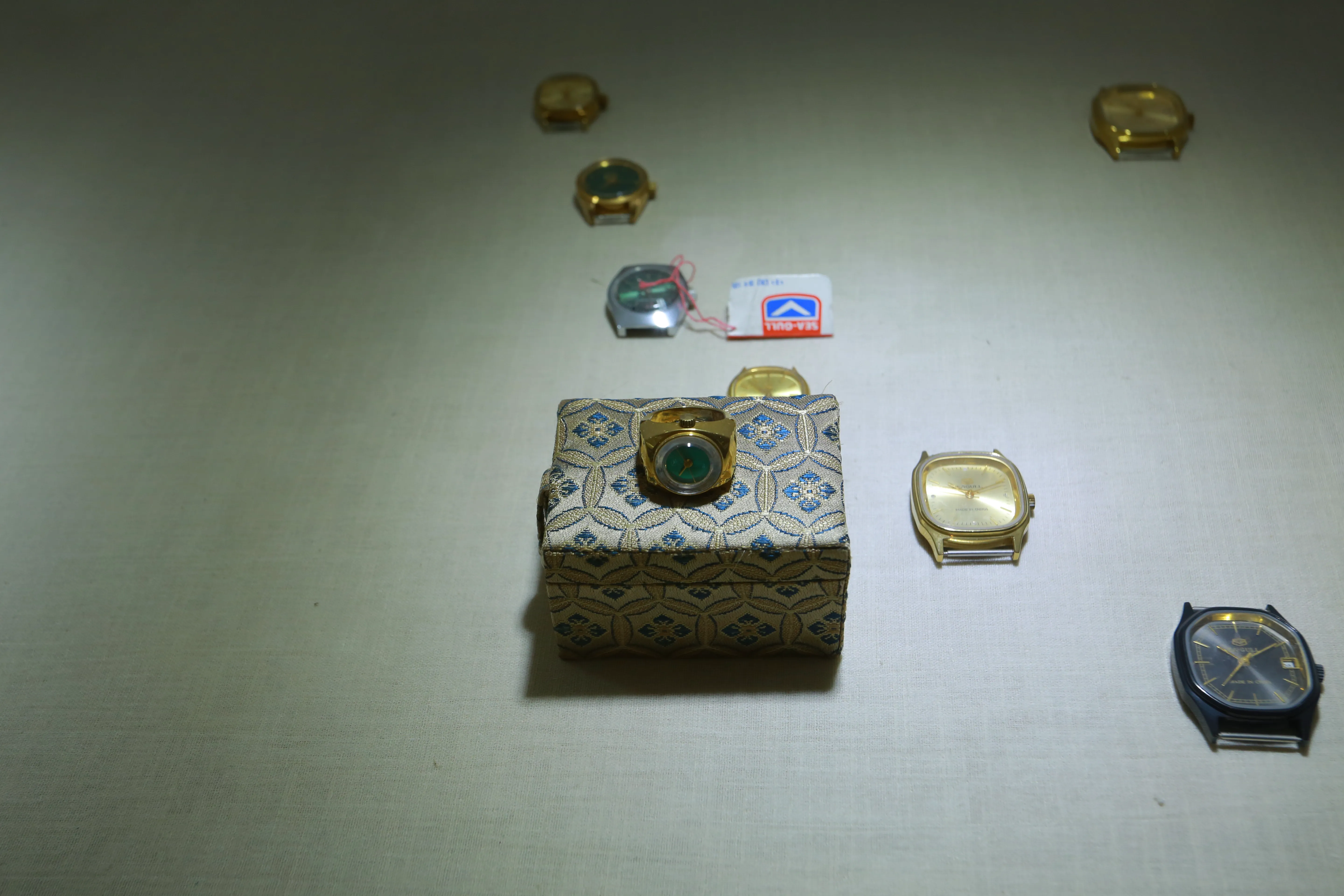
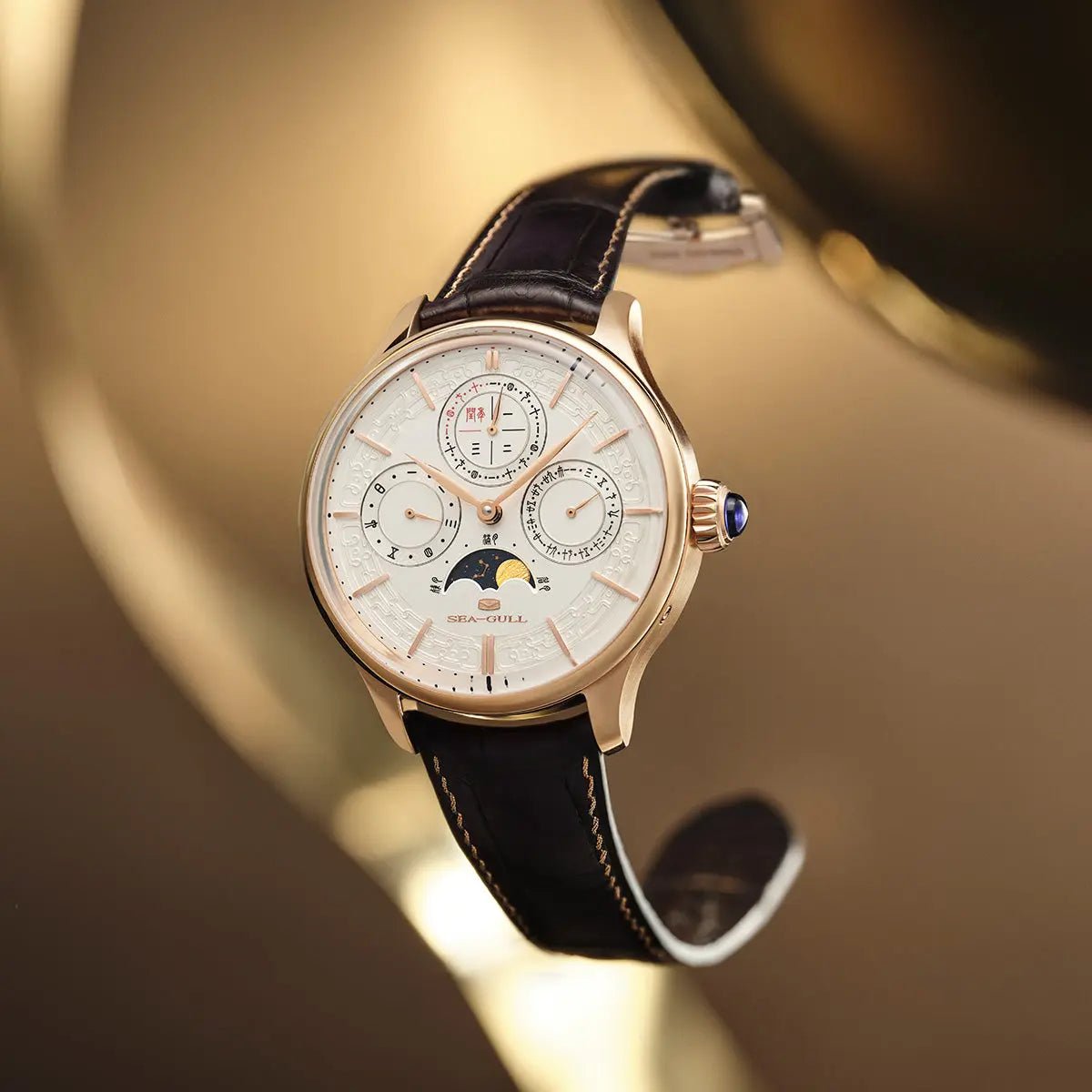
For a reader evaluating a Sea-Gull watch today, that continuity matters more than nostalgia. The brand story is not built around a single reissue or a marketing revival. It is built around a Tianjin watchmaker that moved from early production milestones to chronographs, automatic calibers, GMT models, dive watches, and tourbillons. That progression helps explain why the current catalog spans heritage pieces such as the Seagull 1963 collection, practical sport models, and high-complication watches on the same distributor website.
Why the Sea-Gull watch story begins with a Tianjin watchmaker
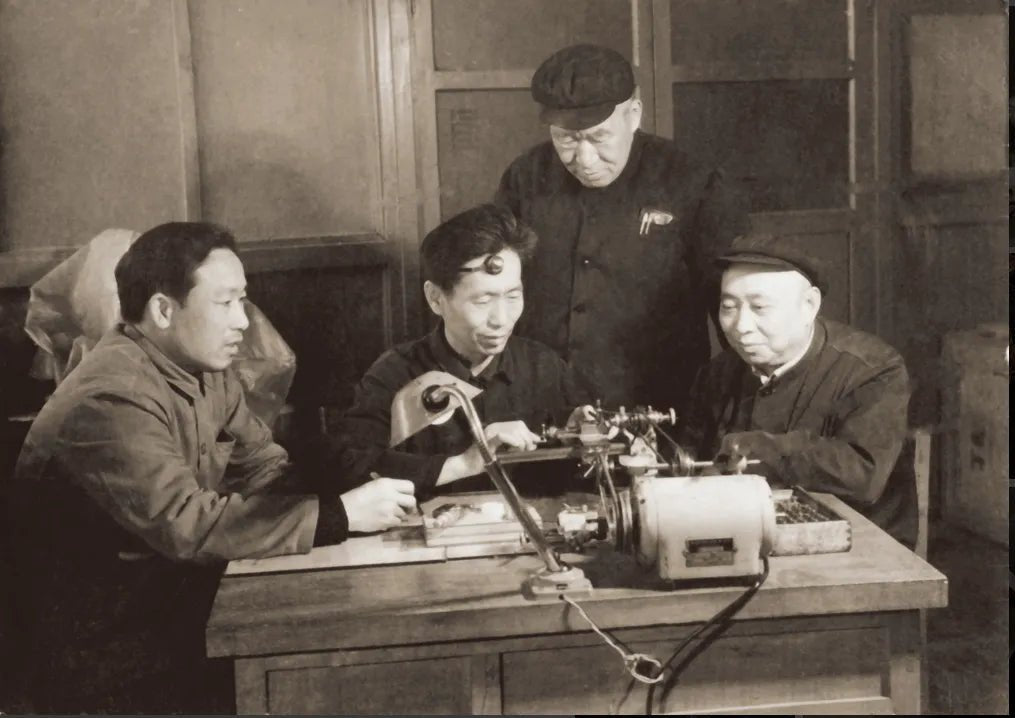
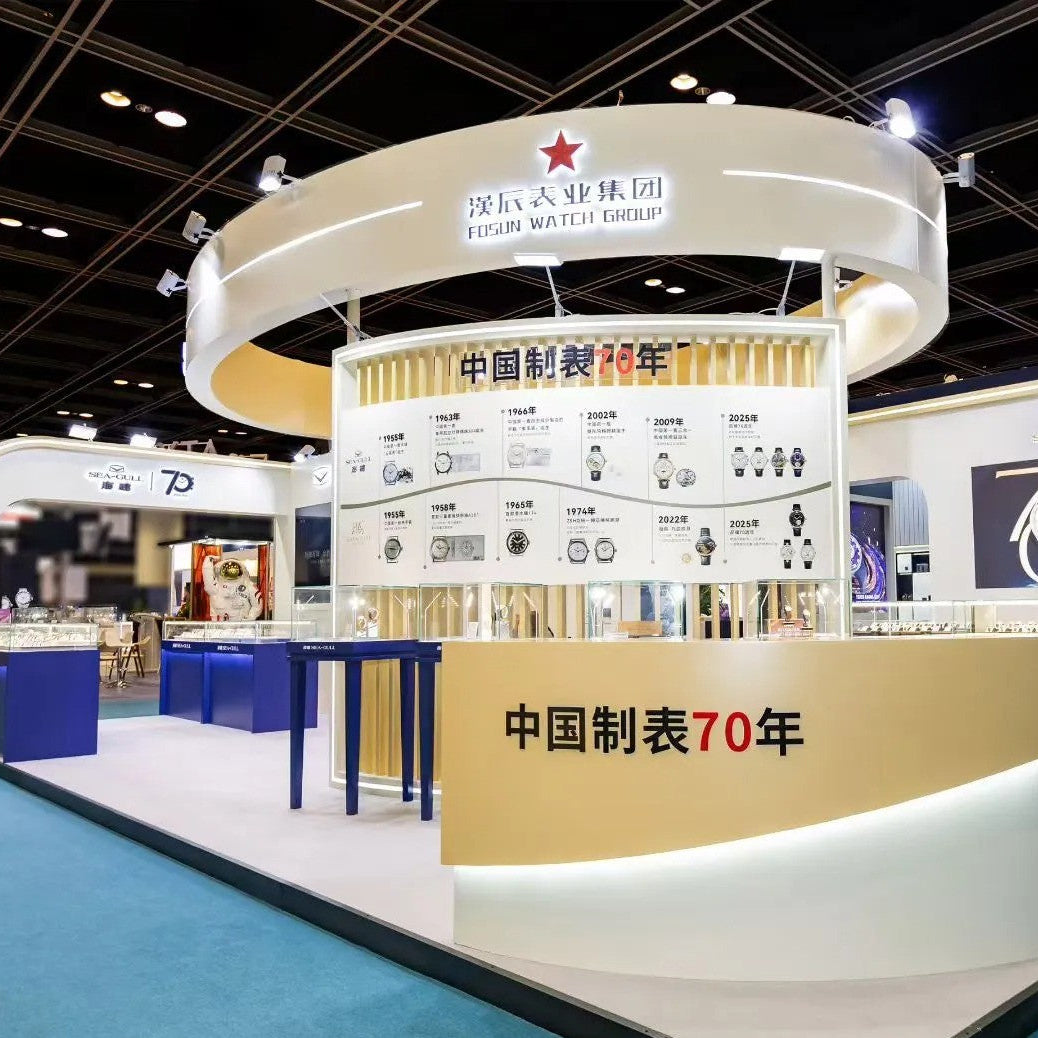
The strongest version of the Sea-Gull brand story starts in 1955 in Tianjin. Source accounts consistently tie the company's roots to an organized domestic effort to produce wristwatches locally rather than rely only on imported timepieces or repair work. Early milestones such as the Five-Star watch are widely described as foundational in the Sea-Gull watch history and in the broader development of the Chinese mechanical watch industry.
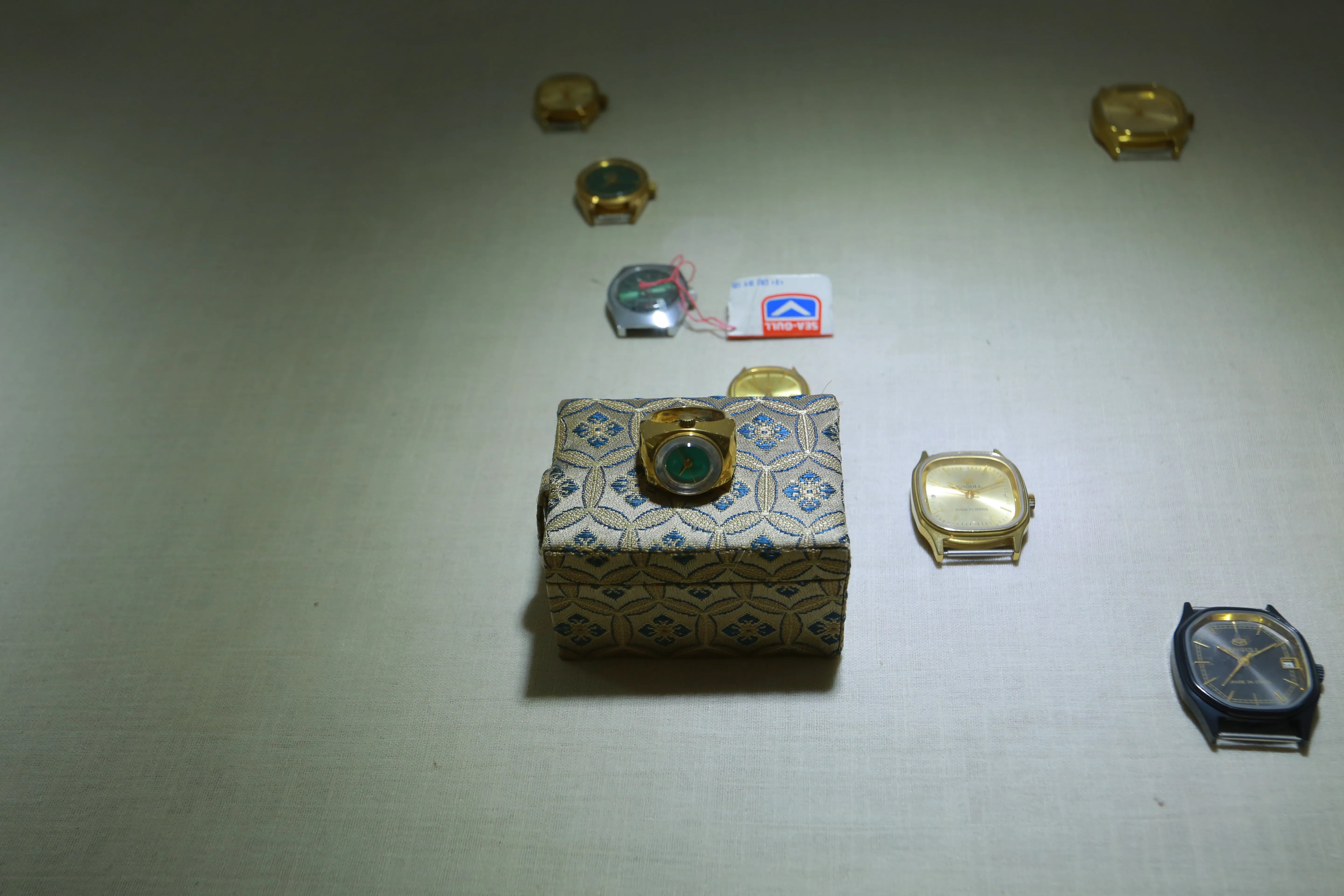
That historical setting gives the brand a specific identity. Sea-Gull did not emerge first as a styling label. It developed through factory-era production, technical adaptation, and movement work. Over time, the factory identity changed across different periods before Sea-Gull branding became established in 1974. For collectors and first-time buyers alike, that timeline matters because it connects present-day products to a continuous manufacturing lineage rather than a retro concept.
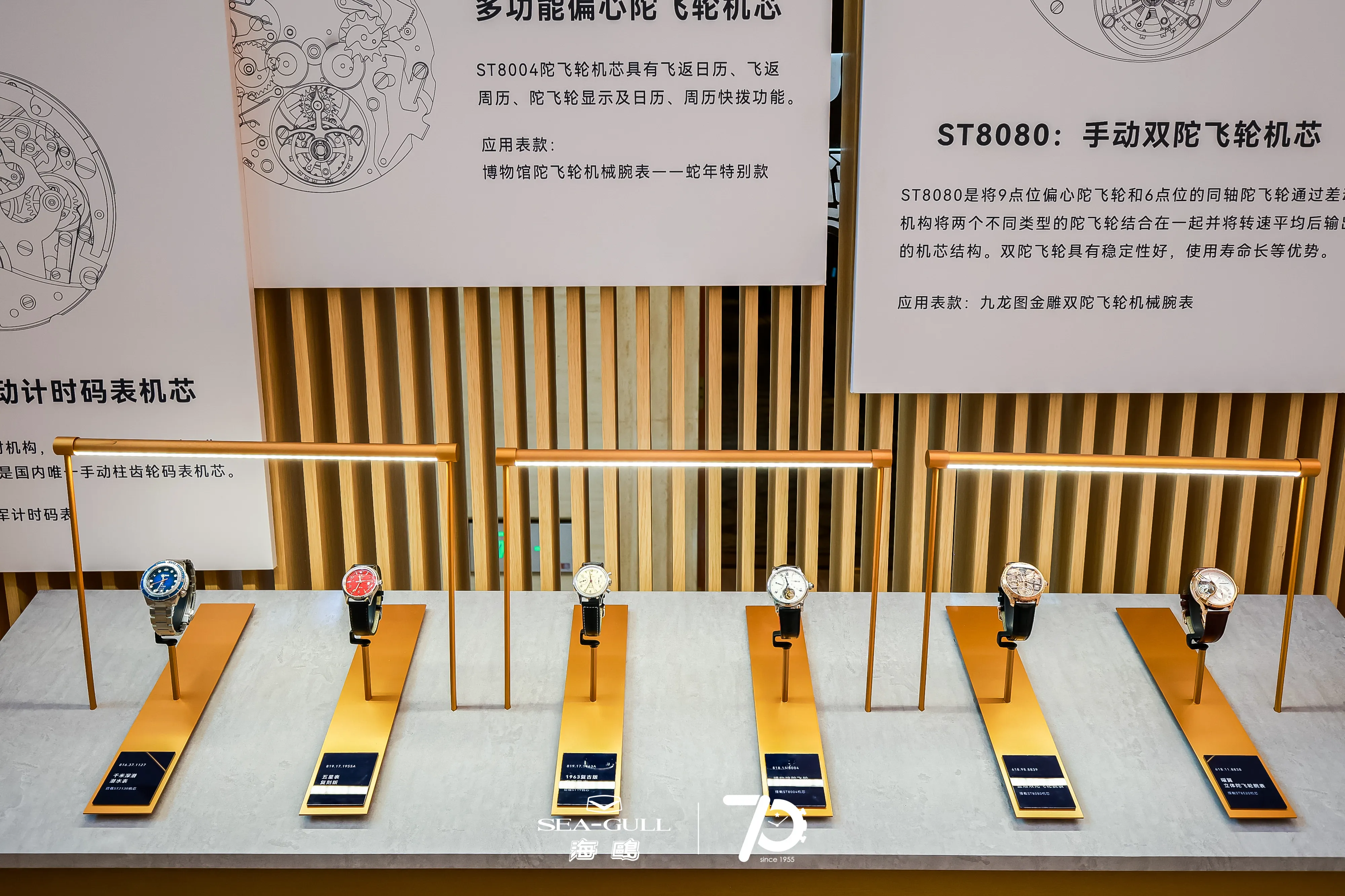
A Sea-Gull watch therefore carries two forms of relevance at once: it represents a long-running Tianjin watchmaker, and it also reflects the industrial development of a Chinese mechanical watch manufacturer that continued building technical capacity over decades.
How the Sea-Gull watch history led to the 1963 chronograph
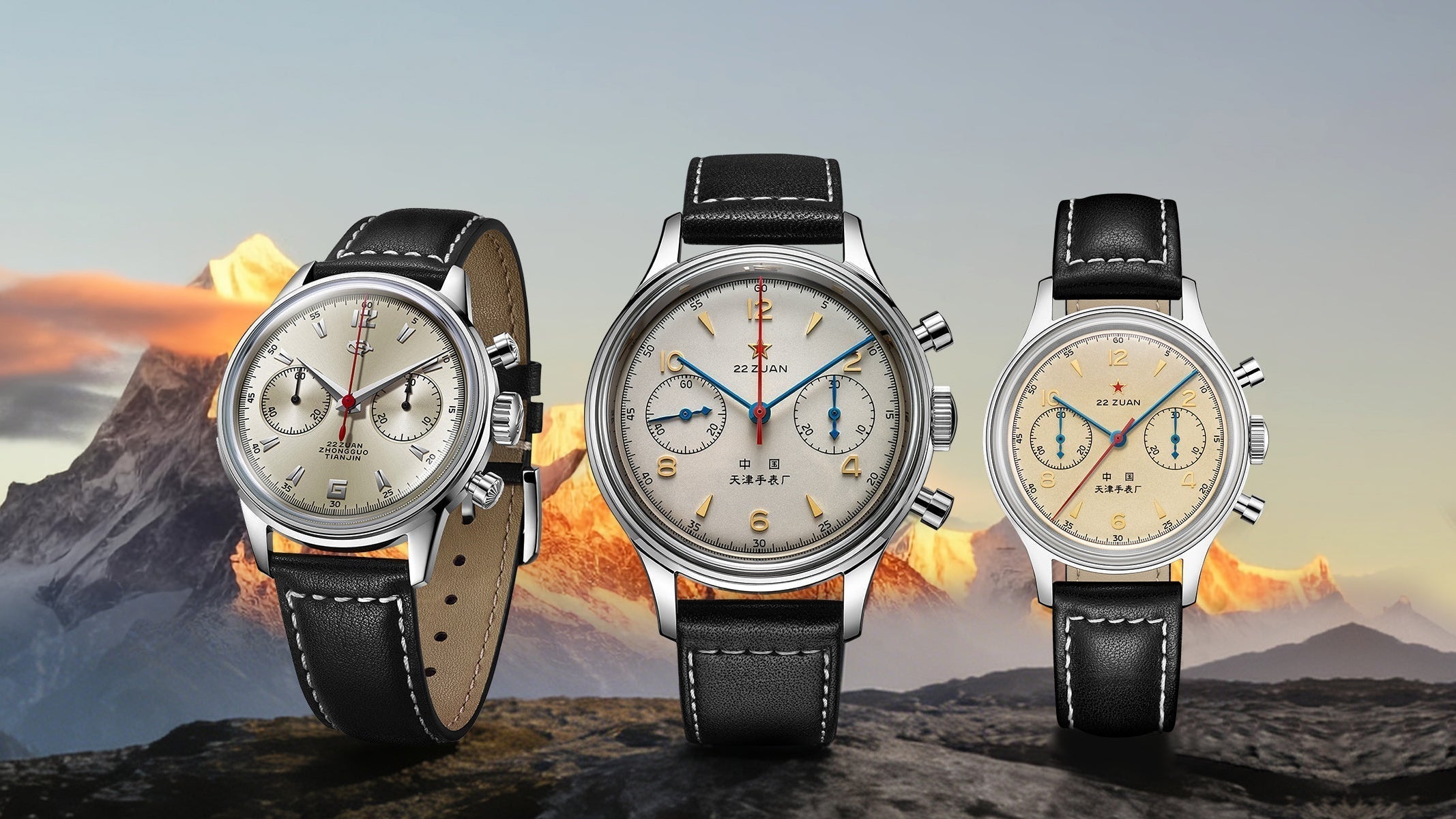
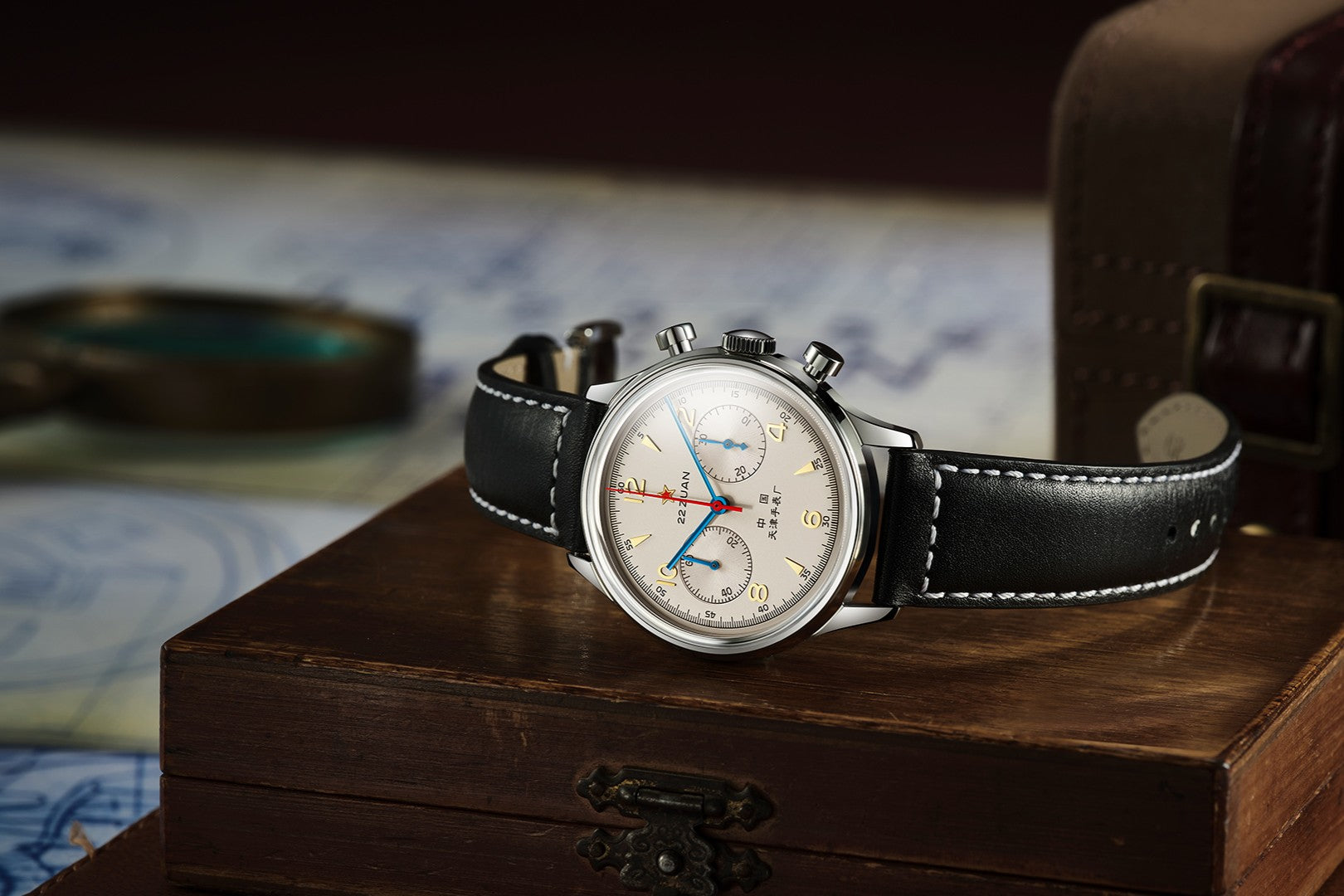
The most recognizable bridge between early factory history and modern collector interest is the 1963 chronograph. In the early 1960s, the Tianjin factory developed an aviation chronograph project often referred to as Project 304. Exact dates around completion, certification, and deployment vary across source accounts, so careful wording is appropriate, but the broader significance is clear: this was the period when Sea-Gull's historical identity became closely tied to chronograph engineering.
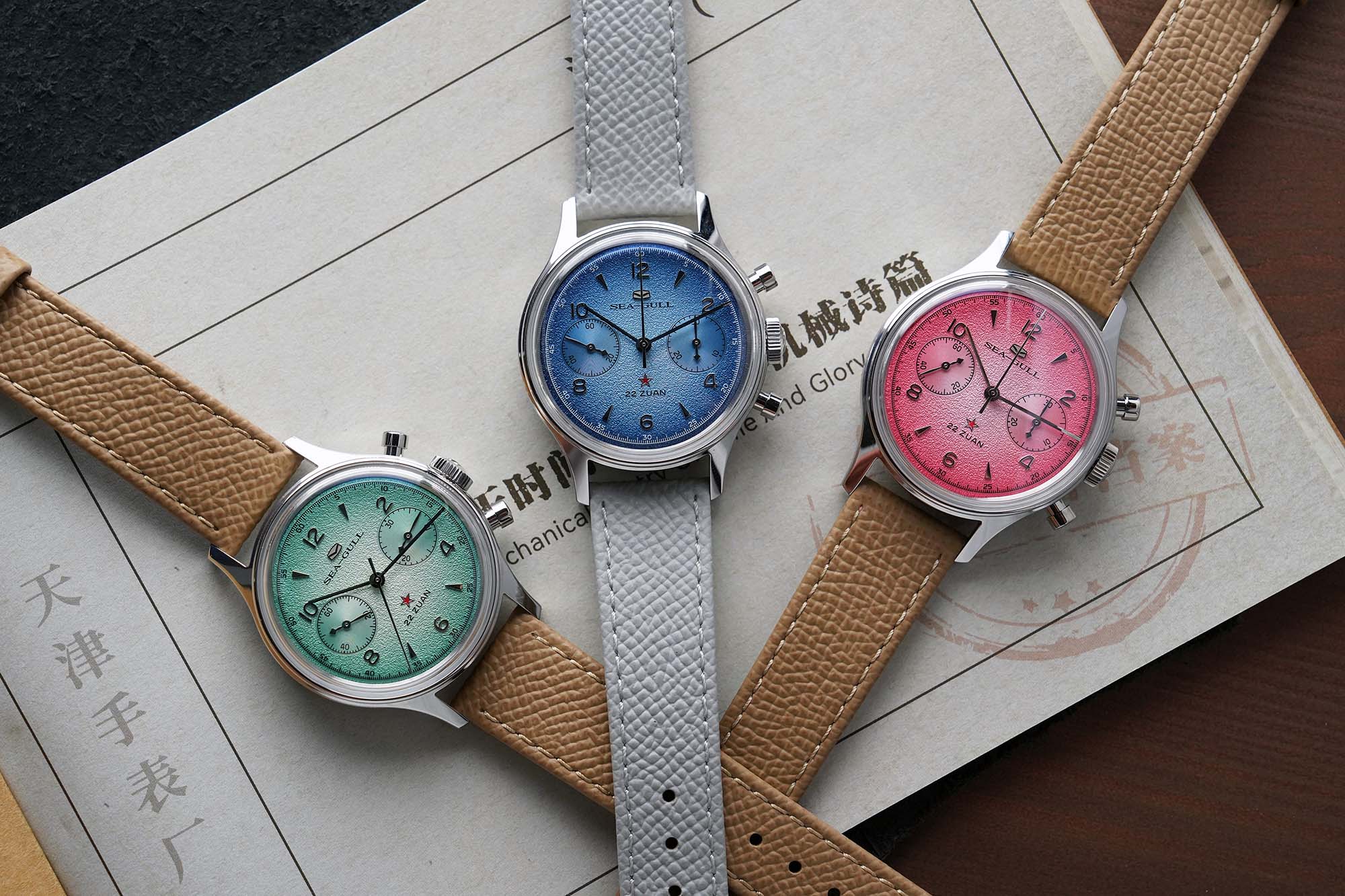
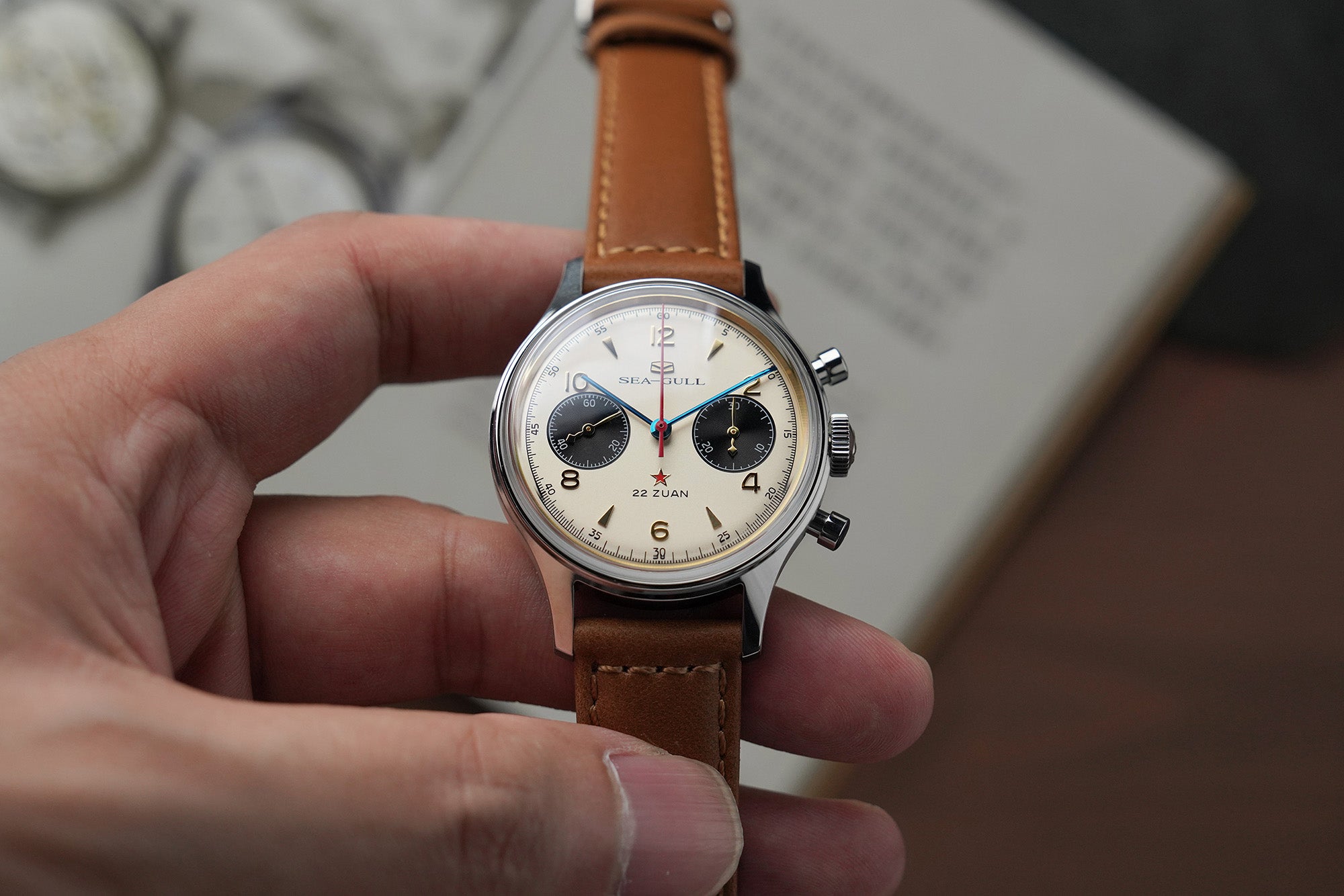
That legacy remains central to the Seagull 1963 collection. The appeal is not only visual. It is mechanical. The line is associated with the ST19 family, a manual-wind chronograph architecture developed from the Venus 175 lineage and adapted through Tianjin production. For enthusiasts comparing chronograph mechanical watches, that movement provides a concrete technical reason the model remains relevant.
| Historical stage | Why it matters to a Sea-Gull watch buyer |
|---|---|
| 1955 Tianjin founding roots | Establishes place-based manufacturing history |
| Early Five-Star milestone | Shows foundational domestic production capability |
| Project 304 chronograph era | Connects brand history to mechanical chronograph credibility |
| 1974 Sea-Gull branding | Marks the durable brand identity still recognized today |
| Modern complication era | Extends legitimacy beyond heritage models |
Readers interested in this lineage often also want model-specific guidance, especially because authenticity concerns are common in this category. The site's 1963-related news archive includes guidance on identifying genuine examples through a traceable channel, which can be reviewed in the 1963 news section.
Why a Sea-Gull watch stands out through in-house mechanical movement capability
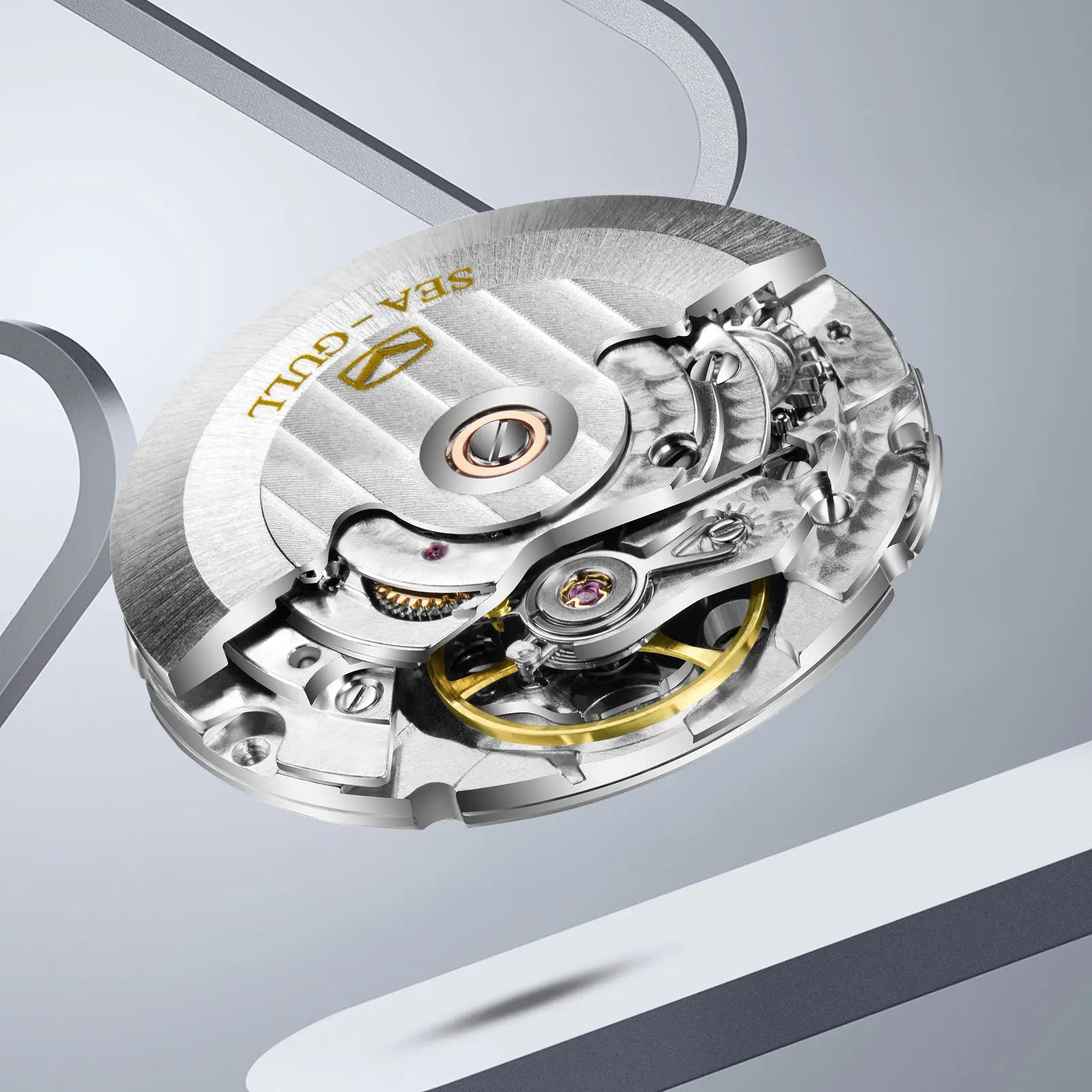
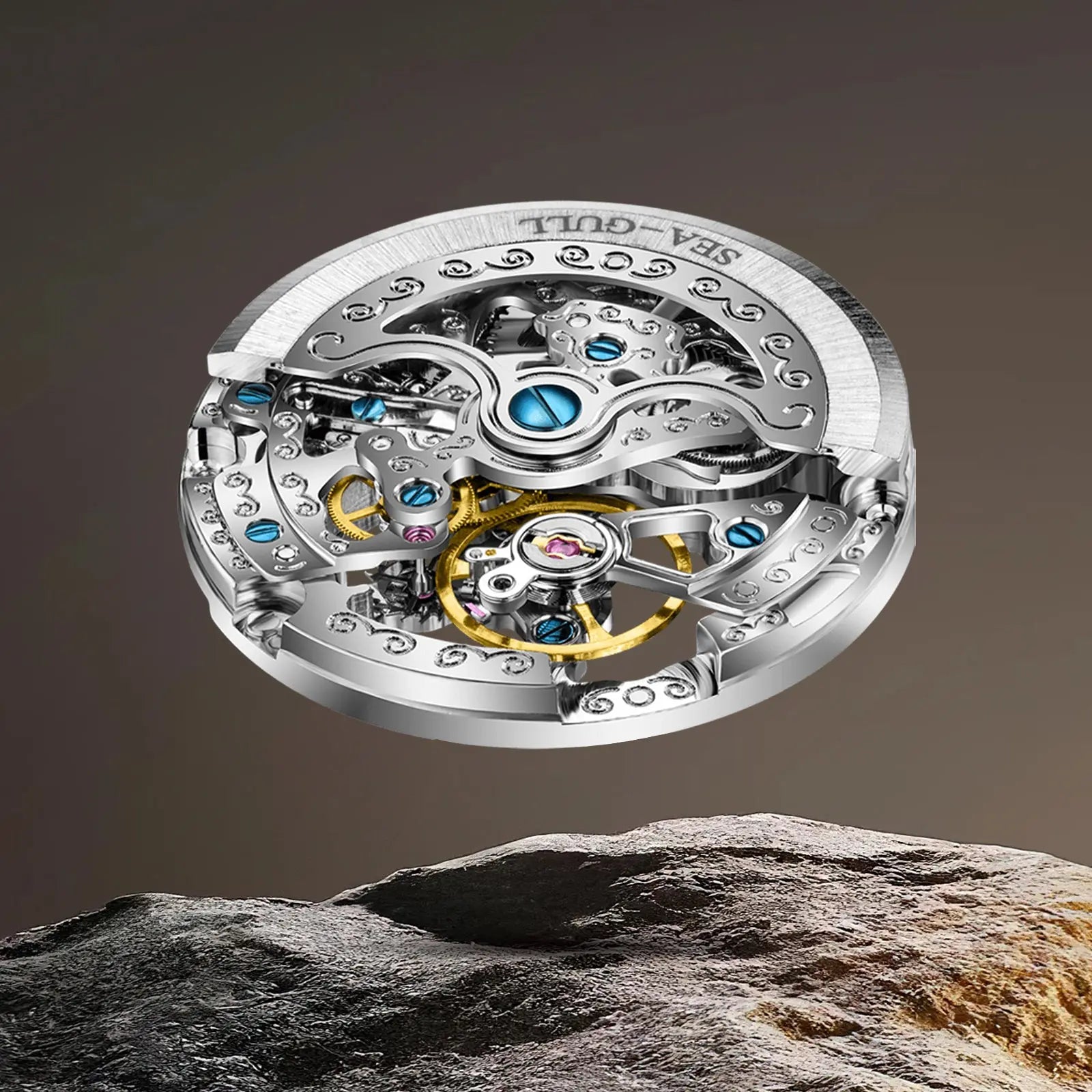
The strongest technical argument for Sea-Gull is simple: it is associated with movement manufacturing, not merely final assembly. That distinction gives the phrase in-house mechanical movement real meaning in this context. Rather than treating it as a prestige slogan, it is more accurate to view it as evidence of industrial capability across multiple levels of watchmaking.
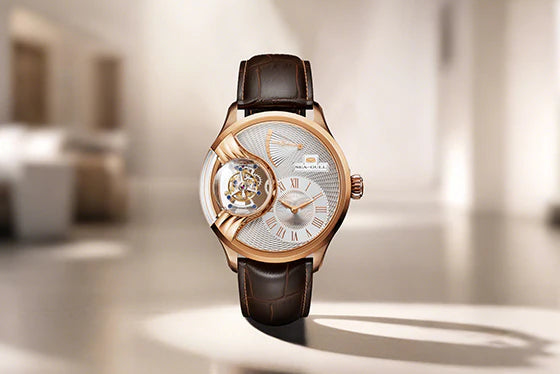
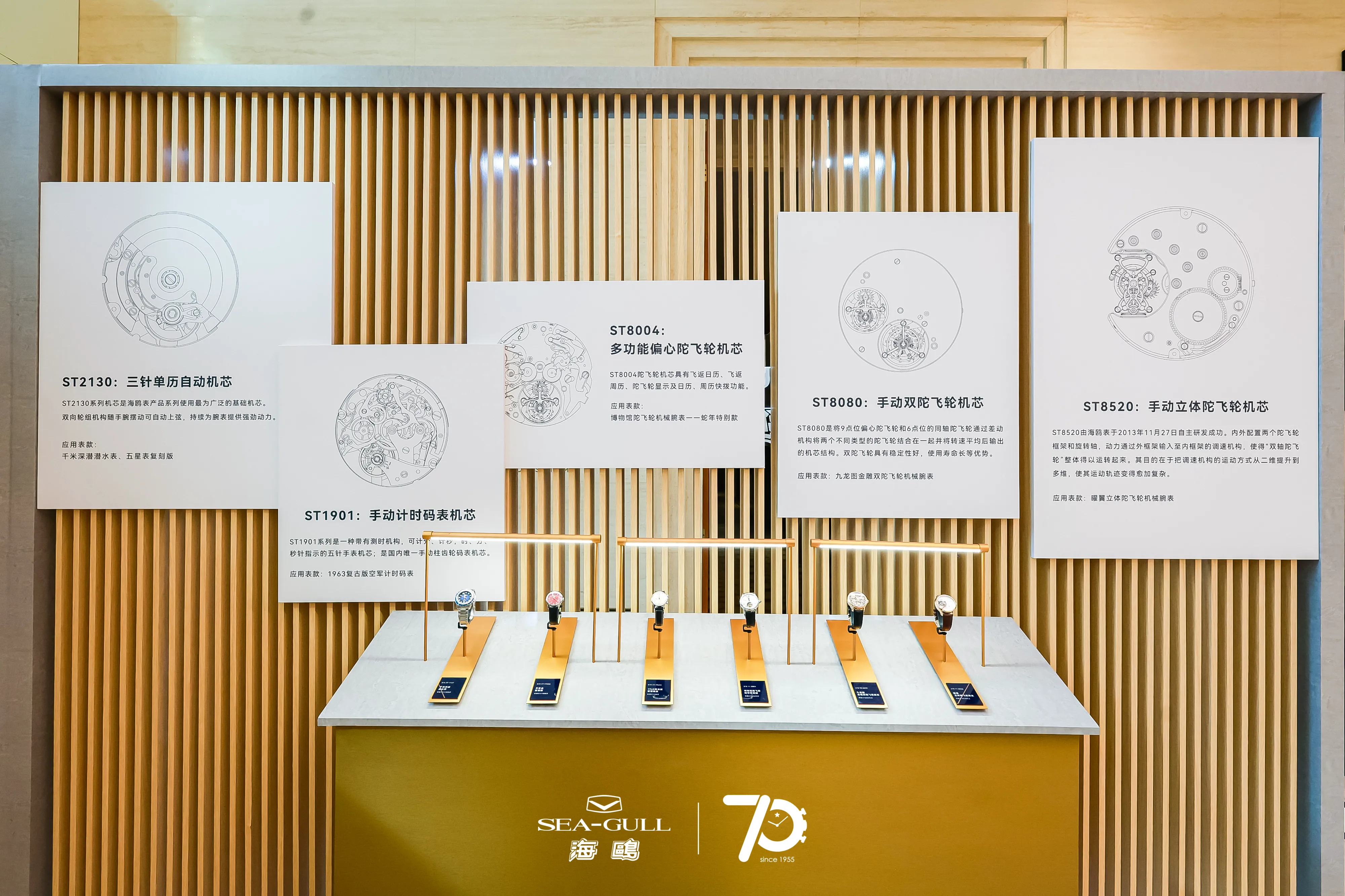
The ST19 chronograph family is the clearest example because it ties directly to the brand's best-known heritage watches. Modern automatic families such as ST2130 and ST2148 extend that capability into GMT and daily-wear models. At the upper end, tourbillon development shows that the Sea-Gull brand story did not stop at entry mechanical production.
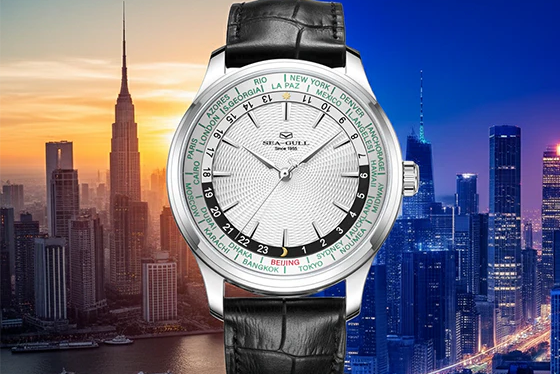
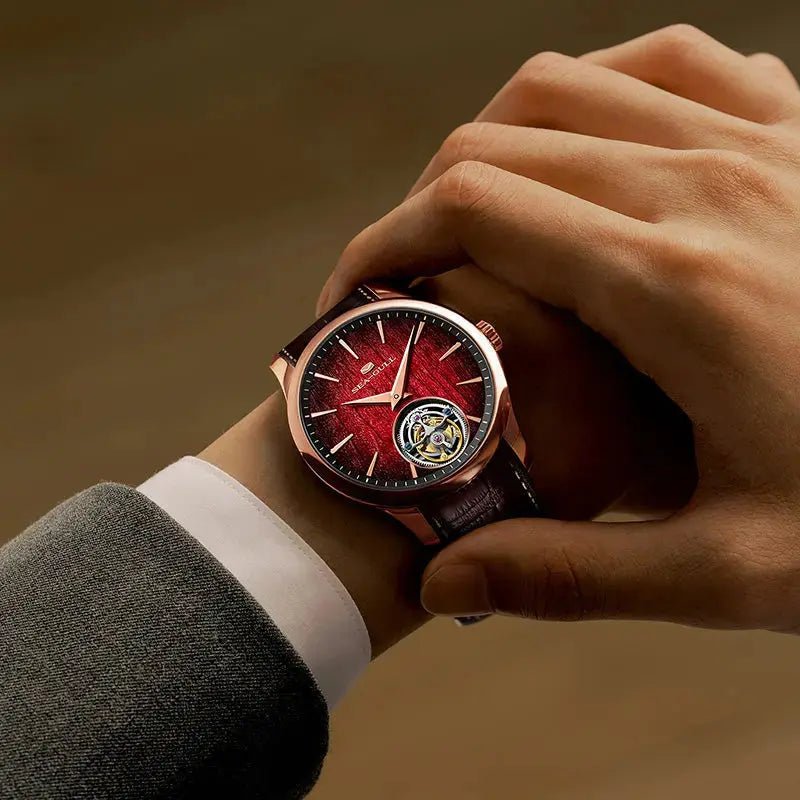
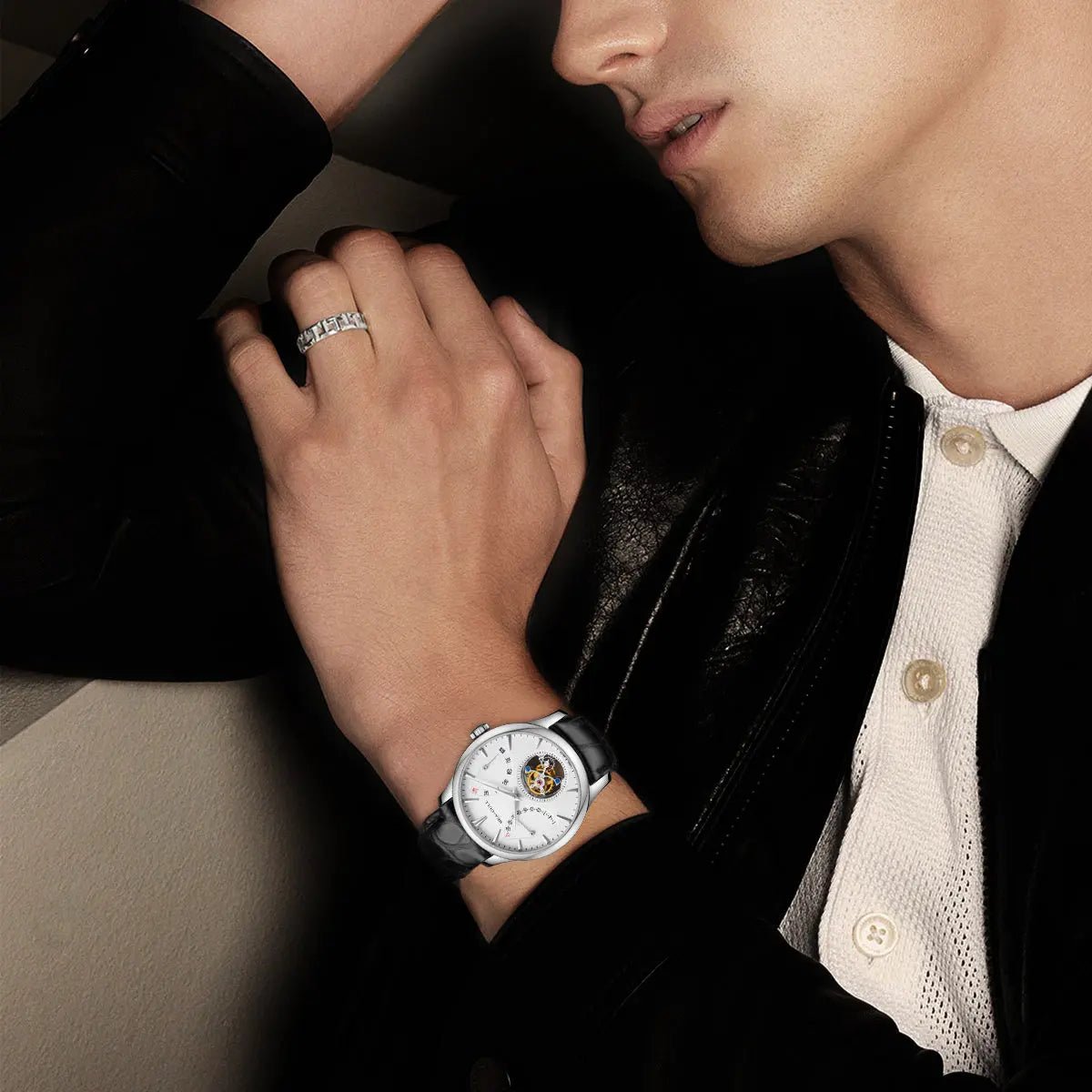
This matters because a Chinese mechanical watch is often judged too narrowly by price or appearance. A more useful measure is movement depth. Sea-Gull's catalog suggests a progression from hand-wound chronographs to practical automatics and then to advanced complications. For readers exploring that range, the tourbillon collection offers a clear view of the brand's high-complication side, while the GMT editorial guide on managing time differences with GMT watches shows how automatic dual-time models fit modern use.
That same GMT guidance also notes brand-positioned expectations around accuracy and daily rate range. Broadly, timing tolerance around ±40 seconds over 24 hours is presented as within accepted mechanical norms, while regulated examples may perform closer to 3 to 5 seconds per day. Those figures should be read as product-content expectations rather than universal guarantees, but they help frame realistic ownership standards.
Which modern Sea-Gull watch families express the brand story best
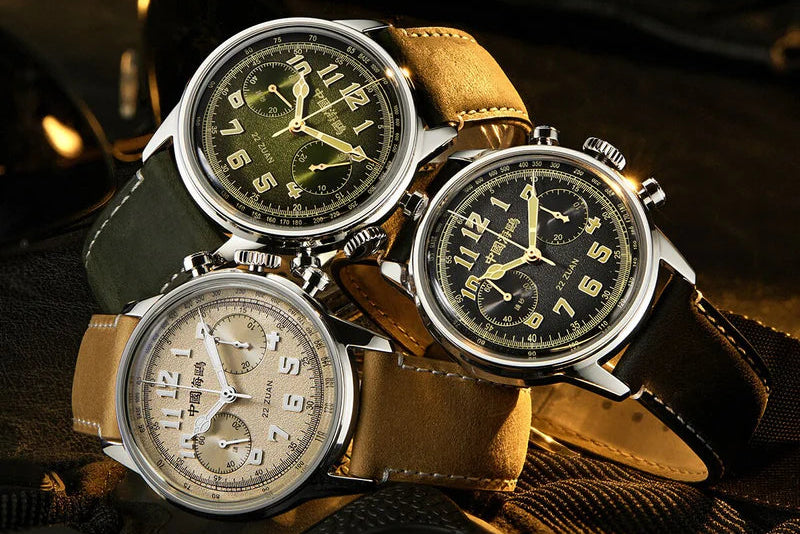
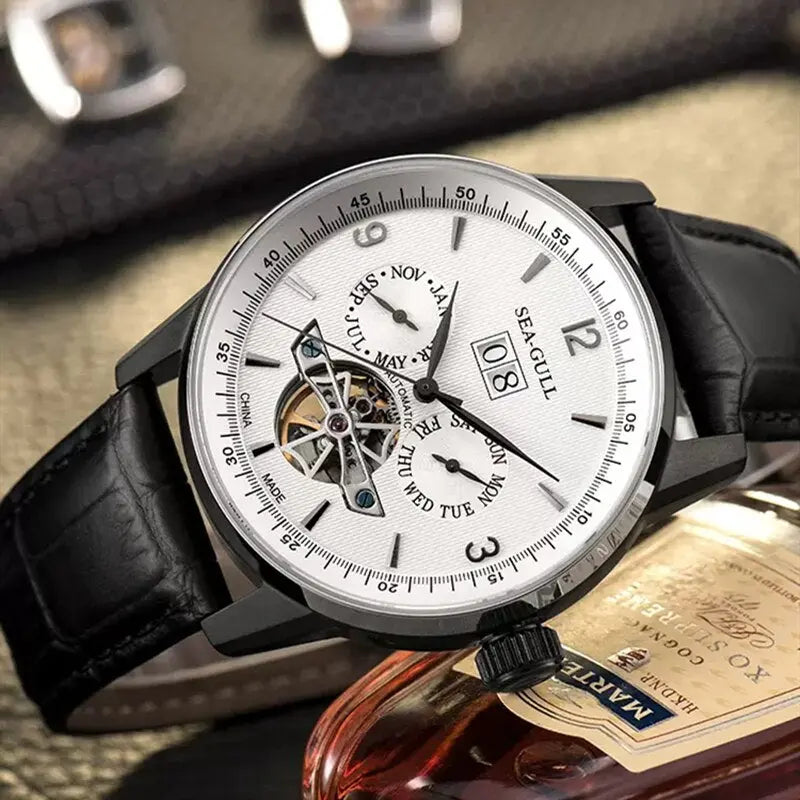
The current catalog is broad, but a few product groups represent the Sea-Gull watch story more clearly than others. Heritage chronographs remain the historical center. GMT models show the transition from heritage to practical international wear. Dive watches demonstrate contemporary sport-watch relevance. Tourbillons show movement sophistication at the complication end of the range.
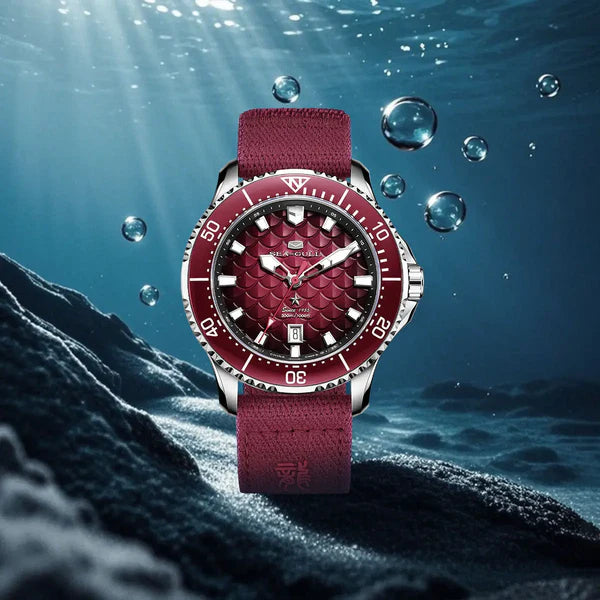
For chronograph-focused readers, the Seagull 1963 collection remains the clearest starting point. For travel or dual-time use, the site's GMT content provides context before moving into product selection through the wider catalog. For more robust everyday wear, the dive watch collection shows the Ocean Series and related sport formats. For collectors interested in manufacturing depth rather than only heritage, the tourbillon collection is the most direct evidence.
| Product family | Main relevance | Typical buyer interest |
|---|---|---|
| Seagull 1963 | Sea-Gull watch history and ST19 chronograph lineage | Heritage and chronograph enthusiasts |
| GMT automatic | Practical dual-time mechanical use | Travel and daily wear |
| Dive watch | Contemporary sport format | Everyday durability and utility |
| Tourbillon | Advanced in-house mechanical movement capability | Complication-focused collectors |
Seen together, these families show how the Sea-Gull brand story moved from factory milestones into a complete product ladder rather than remaining fixed in one historical reference.
What a Sea-Gull watch buyer should know about authenticity, shipping, and after-sales support
Ownership questions are practical, especially for North America and Europe. Authenticity is the first issue, particularly around historically popular chronographs. A buyer looking for a Sea-Gull watch should use a traceable authorized dealer or distributor website and review model-specific guidance where available, especially in the 1963 category.
Shipping and customs also require clear expectations. According to the site's transportation policy, processing may take up to 5 business days, and delivery commonly takes 7 to 12 business days after dispatch. Duties and taxes may apply to international shipments, and those charges are generally the buyer's responsibility.
Returns are addressed in the published return policy. The site states a 14-day return window, with EU customers retaining a 14-day cooling-off right where applicable. As with most mechanical watch returns, the item should remain unworn and in original condition with packaging and tags.
After-sales support also depends on realistic expectations. Mechanical watches need routine care. Chronographs require proper pusher use. Dive watches need sensible attention to seals and water-resistance limits. More complicated pieces such as tourbillons should be handled with greater care and serviced accordingly. Warranty terms should be checked on current product or support pages before ordering, especially when comparing models.
A Sea-Gull watch makes the most sense when its history, movement architecture, and ownership terms are considered together. Readers drawn to the chronograph legacy can start with the Seagull 1963 collection, while those interested in daily utility or broader mechanical range can continue through GMT, dive, and tourbillon models on the distributor website.