

Why a Small-Seconds Watch Makes a Quietly Distinctive Gift
A well-chosen watch gift does not need to announce itself from across the room. Sometimes, the detail that makes it memorable is one the recipient notices gradually: a separate dial devoted to the passing seconds.
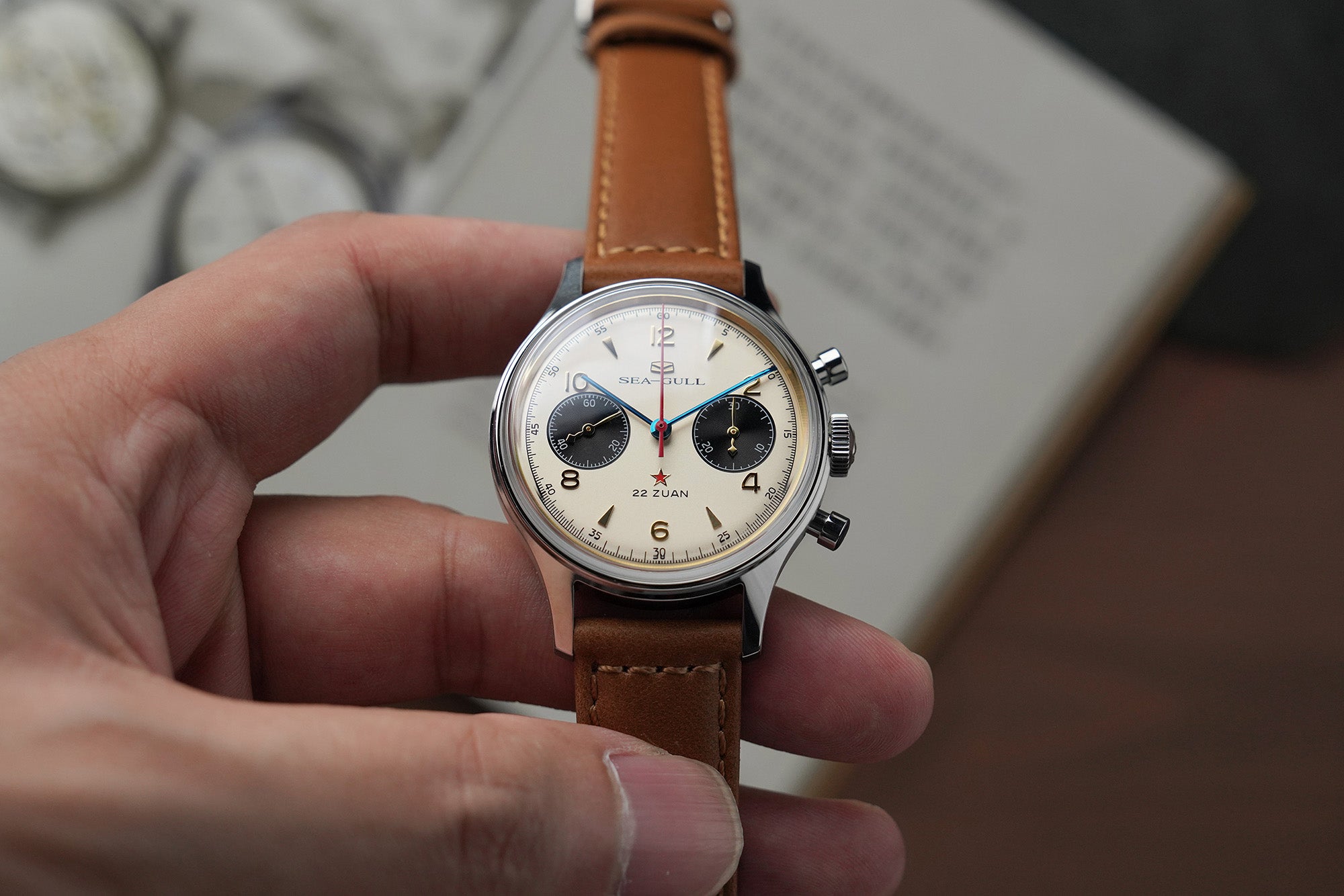
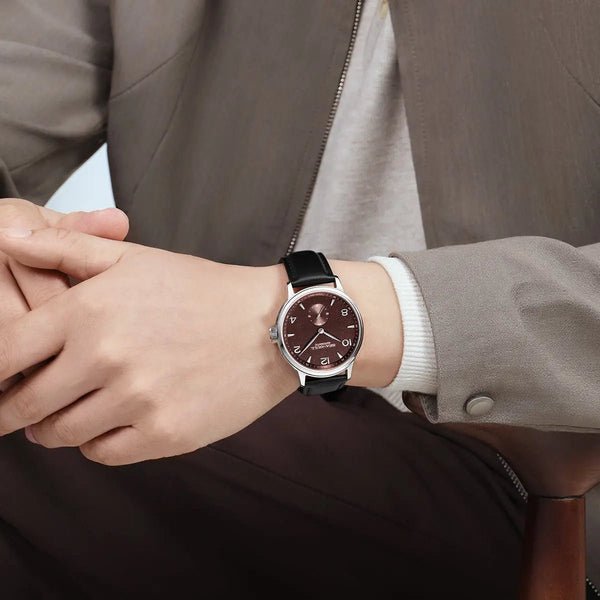
A small seconds watch brings that kind of considered character. Instead of placing the running seconds hand at the center alongside the hour and minute hands, it gives seconds their own smaller sub-dial. The result can feel calm, balanced, and quietly individual, especially for someone who appreciates traditional design cues or the visual logic of a mechanical watch.
Why a separate seconds dial feels personal
The appeal begins with restraint. A central seconds hand travels across the full dial, sharing the same point of origin as the hour and minute hands. A small-seconds arrangement moves that activity to a dedicated scale, creating a secondary detail within the dial architecture.
This does not make one layout inherently better than the other. Both show running seconds. The difference is visual and experiential: a separate seconds sub-dial can leave the center of the dial focused on the two hands used most often for reading the time.
That distinction gives a gift giver an easy, meaningful story to share. Rather than choosing a watch for a loud logo or an exaggerated statement, you can choose one because its design rewards a closer look. It says you considered the recipient's taste in proportion, detail, and everyday style.
What the small-seconds layout displays
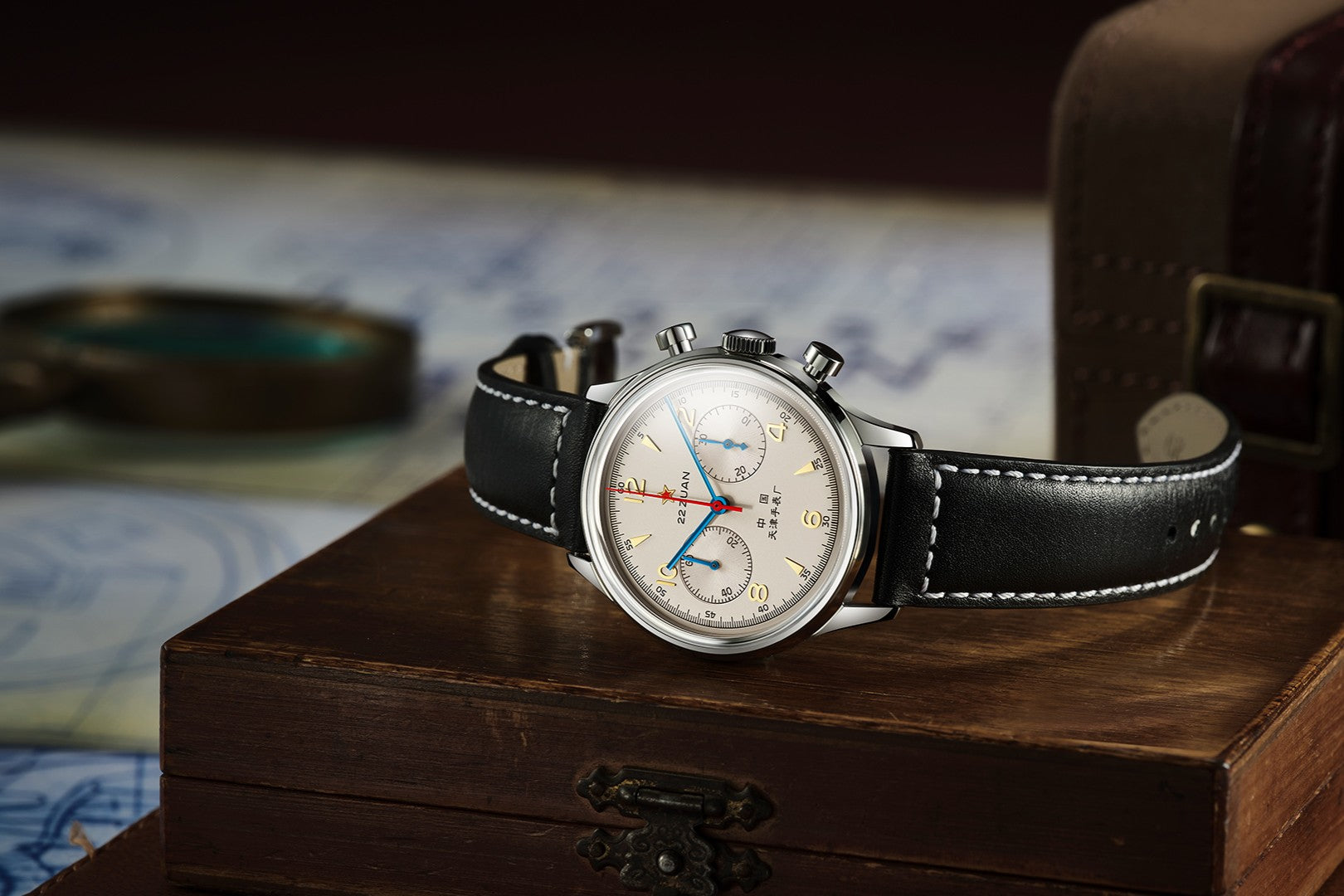
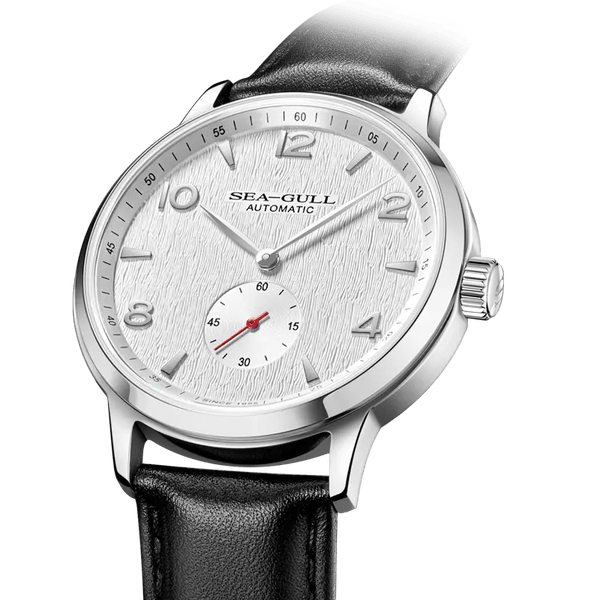
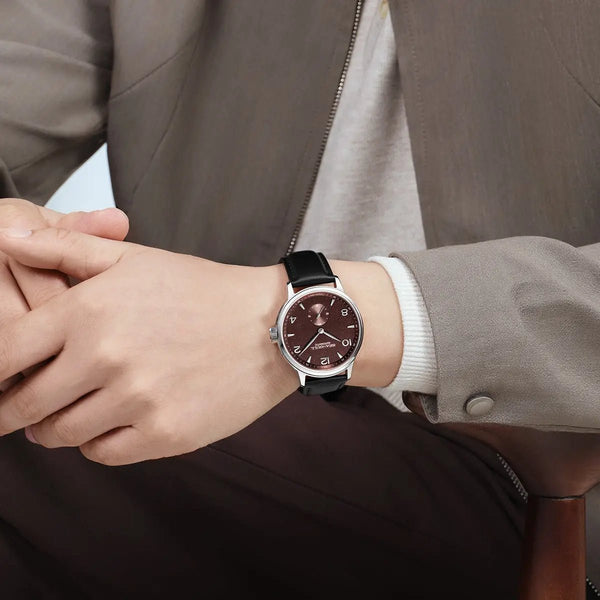
A small-seconds display, sometimes called sub-seconds or a subsidiary seconds display, places the running seconds hand on a smaller dial within the main dial. The sub-dial is often positioned lower on the watch face, though placement can vary.
| Display layout | Where the seconds hand sits | Visual character |
|---|---|---|
| Small seconds | On a separate, smaller sub-dial | Adds a focused secondary detail |
| Central seconds | At the dial center with the hour and minute hands | Keeps all three hands on one axis |
For anyone new to the term, the simplest explanation is this: the seconds are displayed in their own small dial. It is a traditional display arrangement, but it can still feel fresh when paired with a clean, modernly balanced dial.
Sea-Gull describes movements with this layout as "small three-hand" or "two-and-a-half hand" designs on its ST17 small three-hand movement page. That terminology is useful, but the most important consideration for gifting is still the look: does the recipient enjoy a dial with a subtle point of interest?
Who may appreciate this design
A small seconds watch gift may suit someone who prefers an accessory with detail rather than drama. It is especially worth considering for recipients who tend toward the following preferences.
For traditional dressers
Someone drawn to tailored clothing, clean shirts, leather shoes, or classic accessories may appreciate the composed look of a separate seconds dial. The layout has traditional associations without requiring the rest of the watch to feel overly formal.
For detail-oriented recipients
Some people naturally notice textures, spacing, typography, and small design choices. For them, the seconds sub-dial can become the feature that makes a watch feel intentional. It adds a visual layer without turning the dial into a crowded display.
For mechanically curious wearers
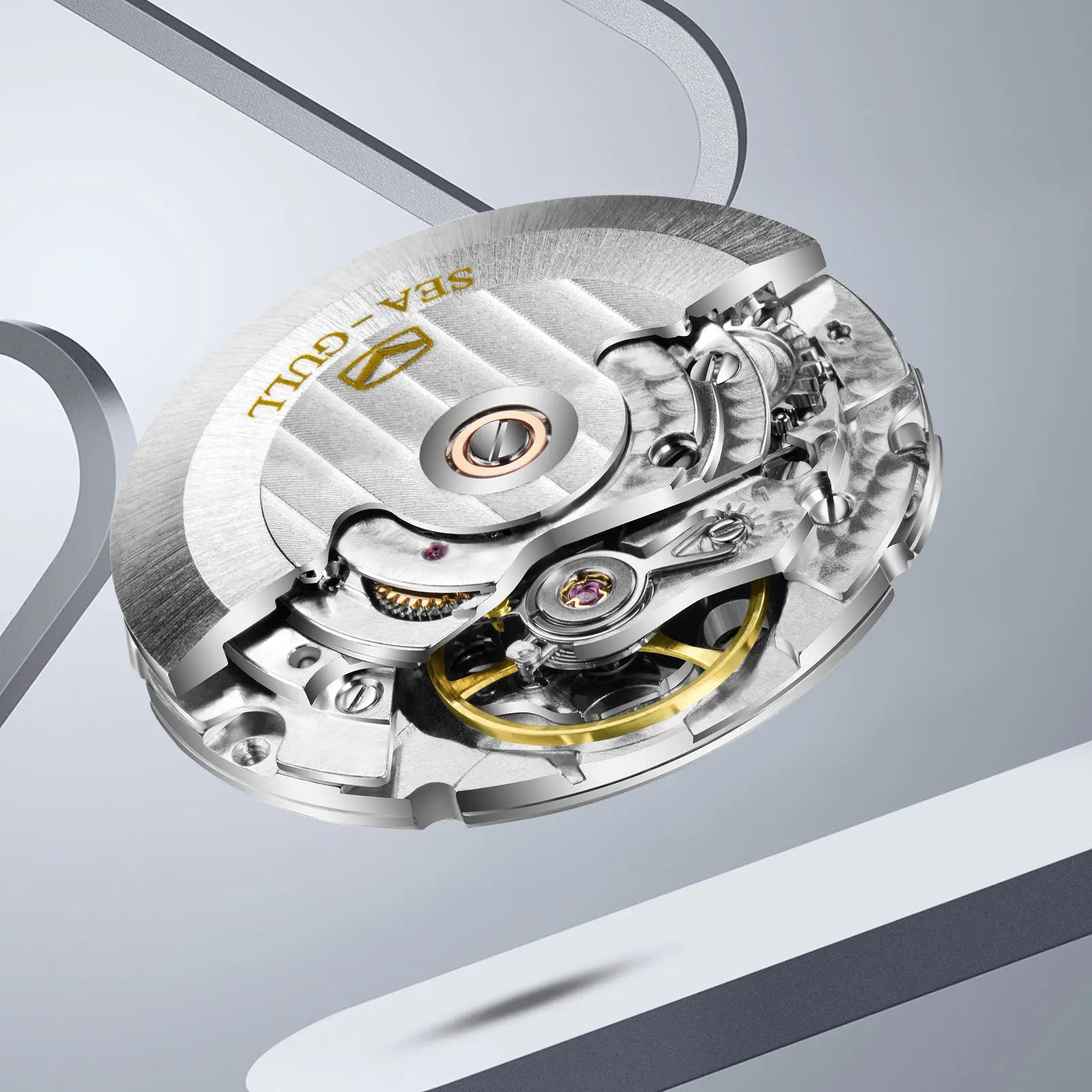
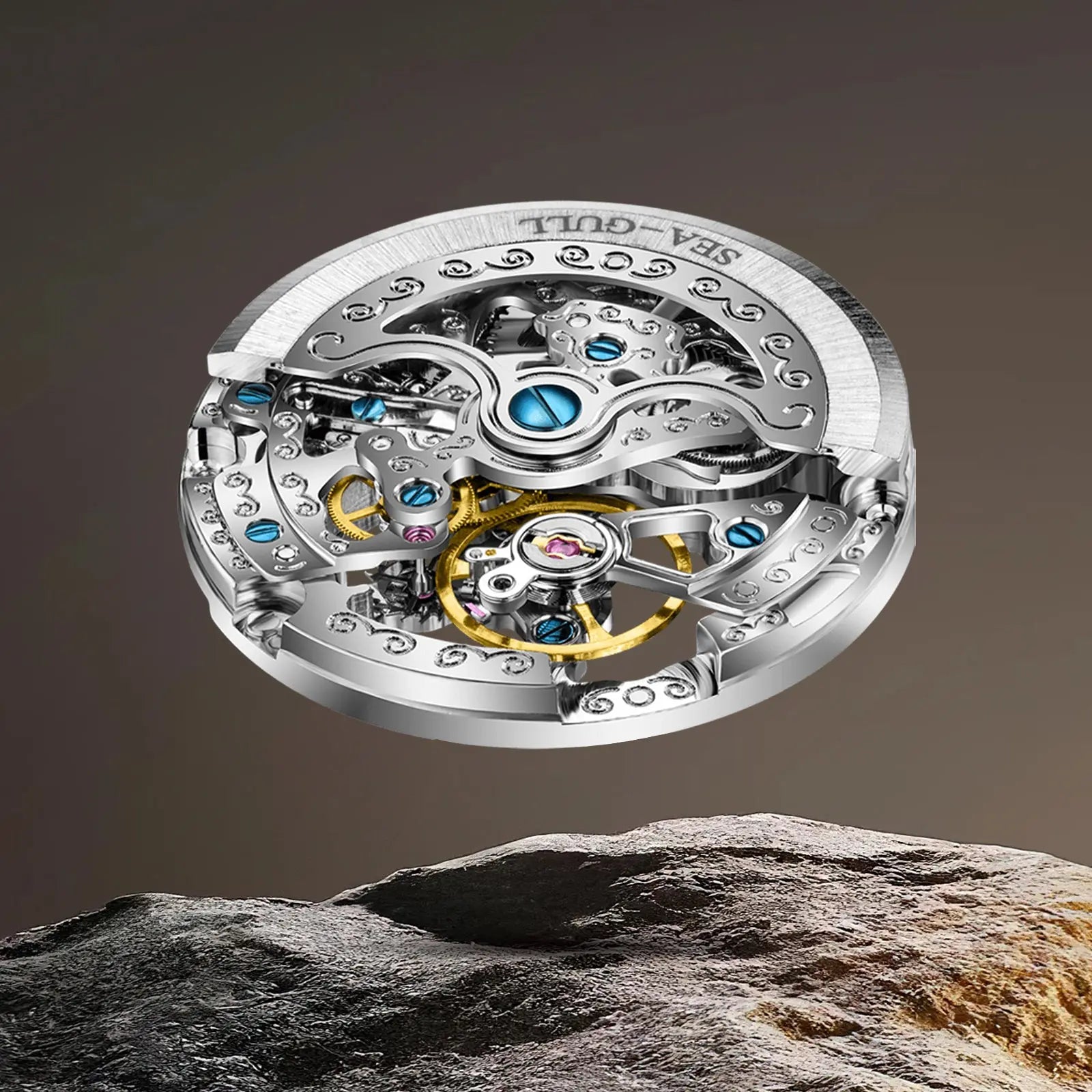
For a recipient interested in how a mechanical watch is put together, small seconds offers a visible connection to a familiar movement-led display format. The appeal is not about claiming superior performance. It is about giving the wearer one more design element to observe and enjoy.
Of course, preference remains personal. A recipient who values immediate at-a-glance reading, sport-oriented styling, or a very minimal dial may prefer central seconds instead. The best choice starts with what they already wear.
How to choose thoughtfully
Before choosing, focus on the overall dial rather than the sub-dial alone. A separate seconds display should support the watch's visual balance, not distract from it.
Consider these practical questions:
- Does the recipient prefer clean, traditional, or detail-rich accessories?
- Are their usual watches understated, expressive, or sporty?
- Would they enjoy a secondary dial element, or prefer a simpler central layout?
- Does the watch feel appropriate for the occasions they dress for most often?
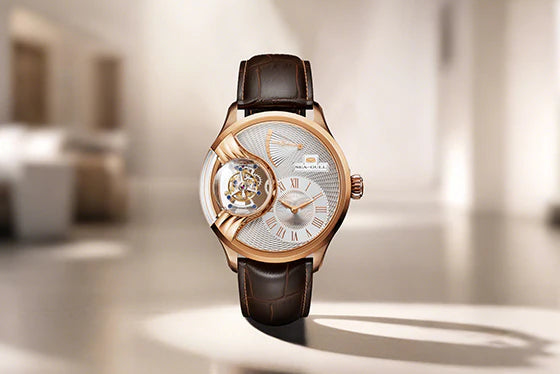
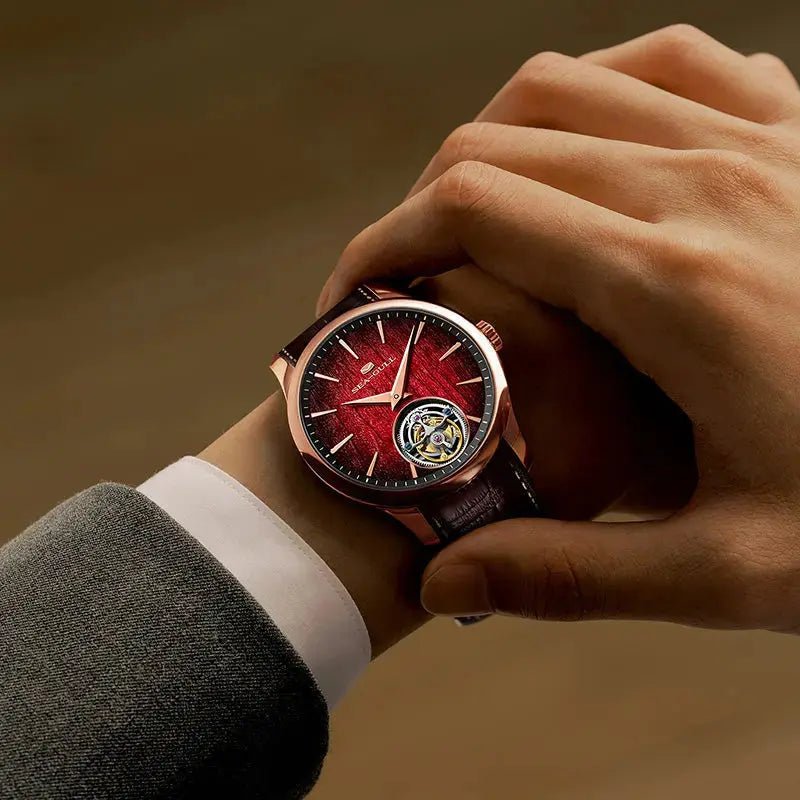
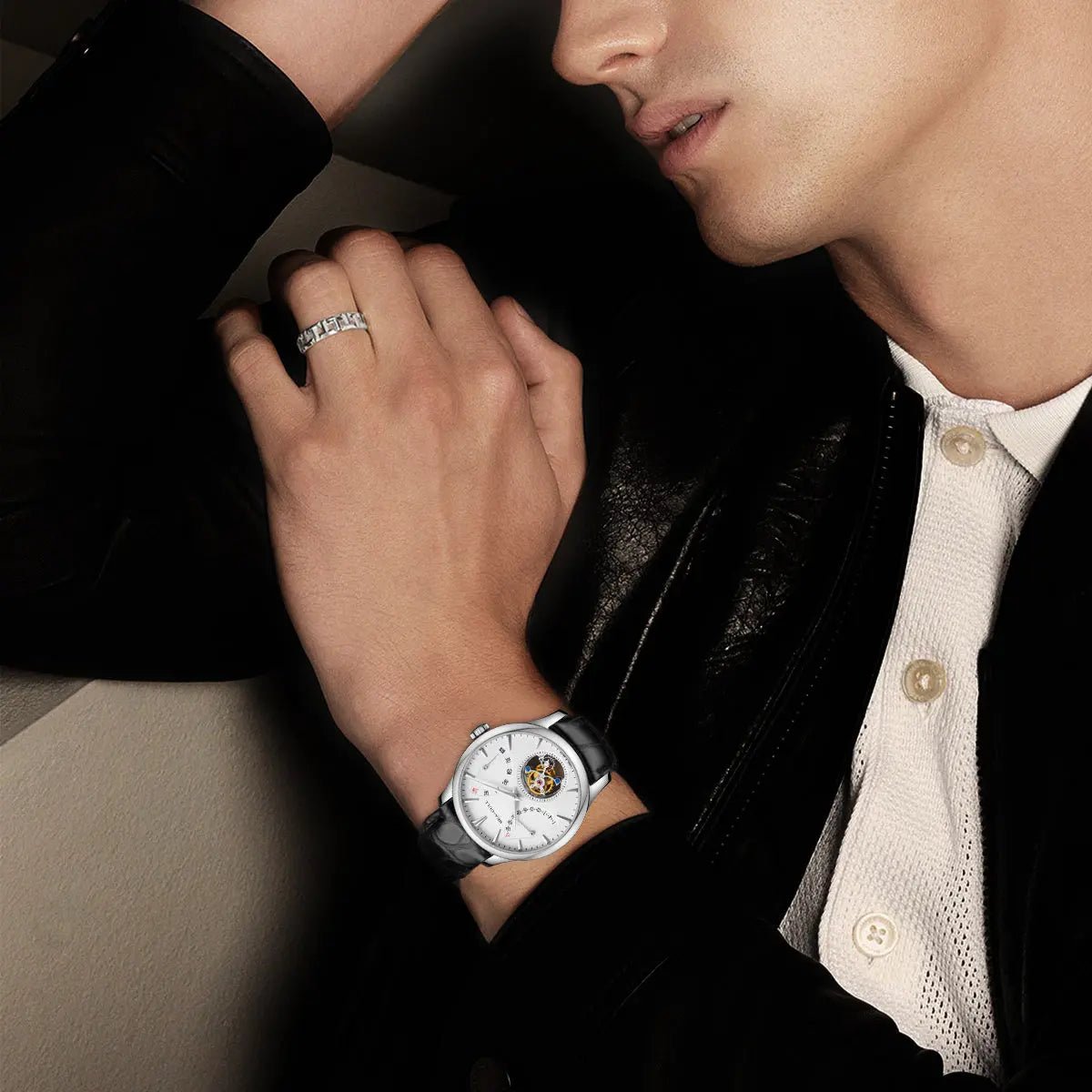
The Slim Small Second watch is a relevant Sea-Gull example for someone drawn to a business-oriented mechanical wristwatch with an independent sub-dial. Its page explicitly identifies the small-second display, making it a natural choice to consider when the gift recipient favors a restrained presentation.
This combination of independent seconds and concentric styling suits someone who enjoys close-up visual details as much as the overall silhouette of a watch.

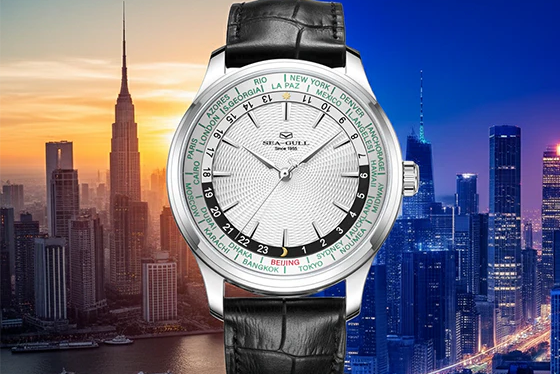
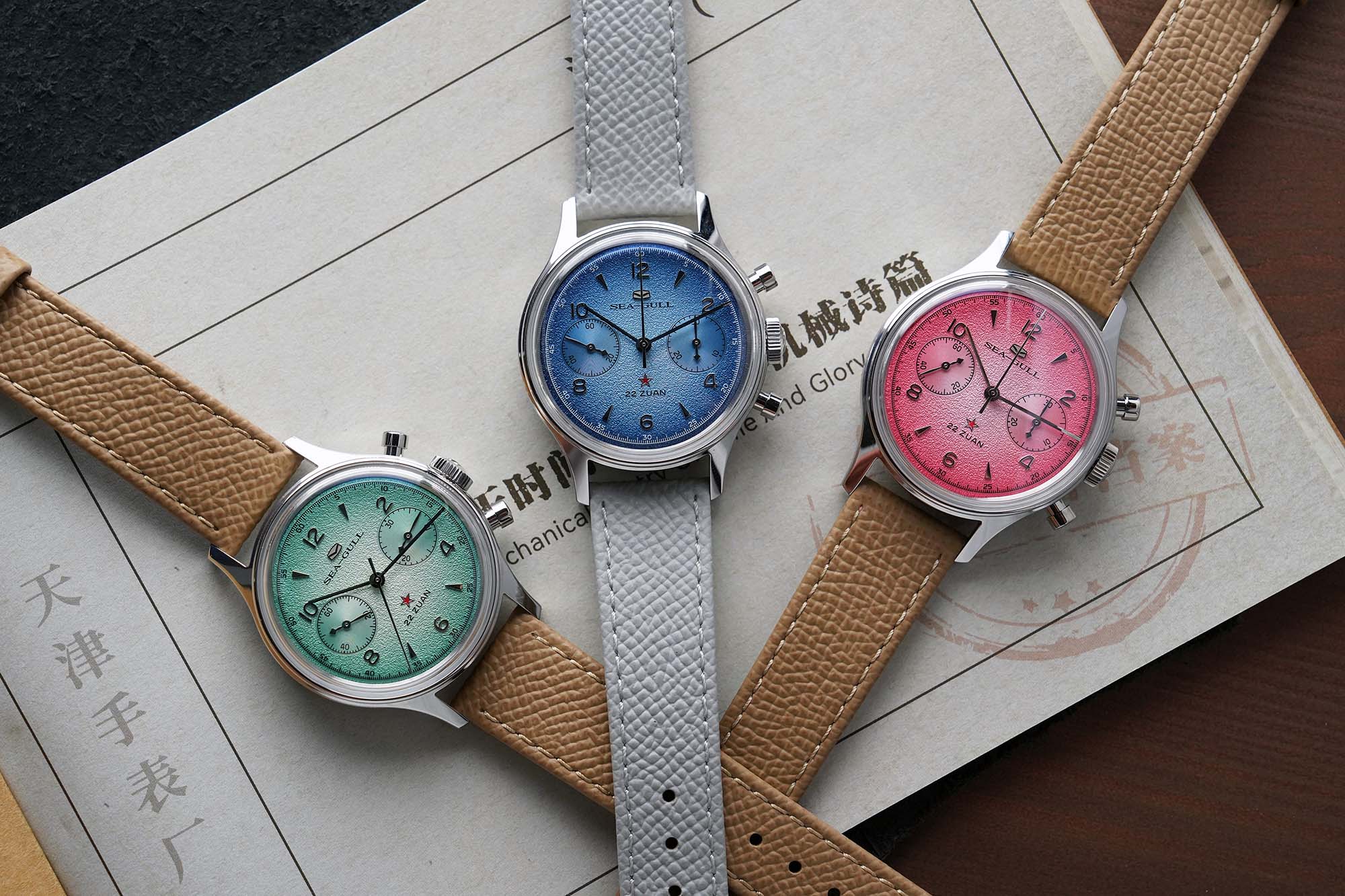
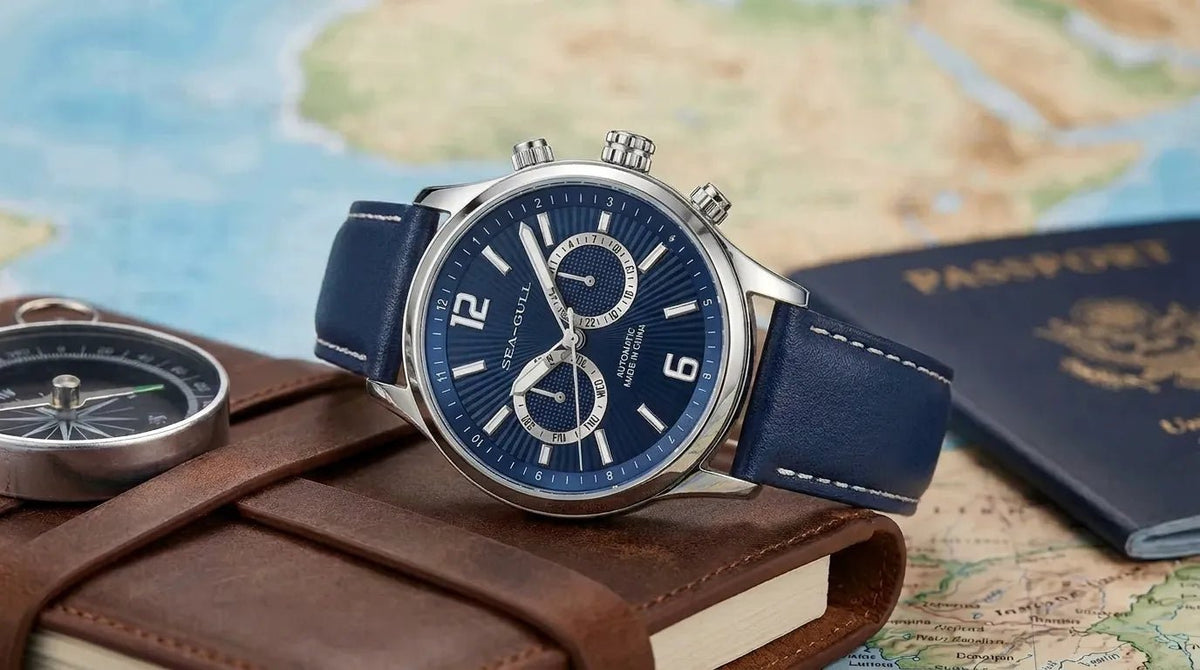
Two other Sea-Gull watches can help place the small-seconds idea in context. The GMT World Time 6202 pairs a subsidiary seconds display with a travel-oriented dial, while the Natural Series Polaris 6180 uses a quieter sub-dial format for everyday wear. Both broaden the choice without losing the central appeal: a dial that reveals more on a second look.
A quietly distinctive gift for a meaningful occasion
The most successful gift is rarely about following a universal formula. A small-seconds design may be right because it aligns with one person's preference for calm design, traditional cues, or the pleasure of discovering a carefully arranged dial.
For seasonal gift planning, the Black Friday promotion offers 20% off as a timely consideration.
Ultimately, a small seconds watch gift is distinctive not because it demands attention, but because it reflects attention. When the recipient appreciates balanced design and a less obvious mechanical detail, that separate seconds dial can turn an everyday timepiece into a genuinely thoughtful gesture.

Commenta
Questo sito è protetto da hCaptcha e applica le Norme sulla privacy e i Termini di servizio di hCaptcha.