


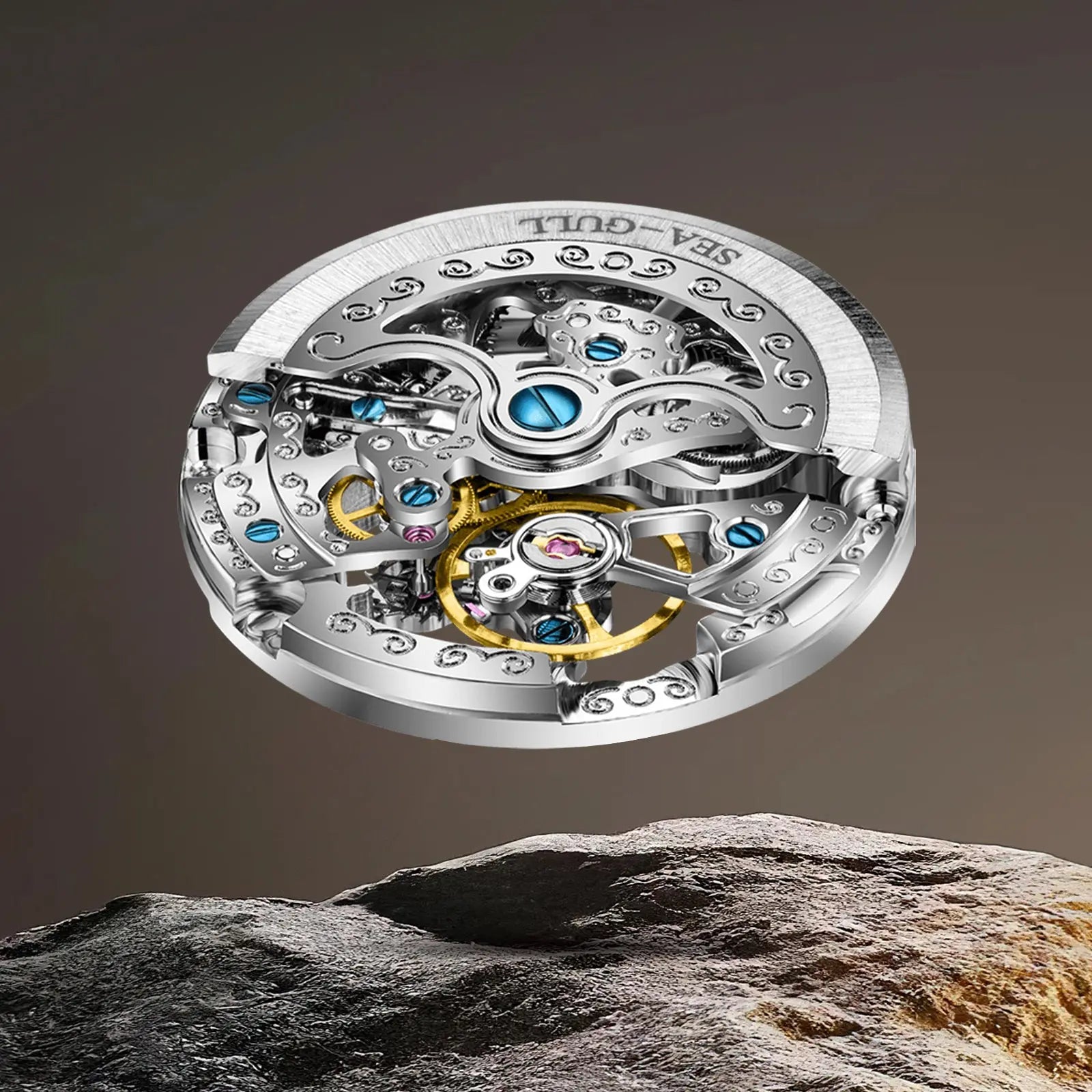
Articolo: Is a Manual-Wind Watch Right for You? A Black Friday Decision Guide
Is a Manual-Wind Watch Right for You? A Black Friday Decision Guide
Manual winding is one of the clearest expressions of a mechanical watch as a daily ritual. The question is not whether it is more authentic than automatic winding, but whether the brief interaction at the crown will add pleasure to your routine or simply become another task.
Decide Whether the Ritual Suits Your Routine
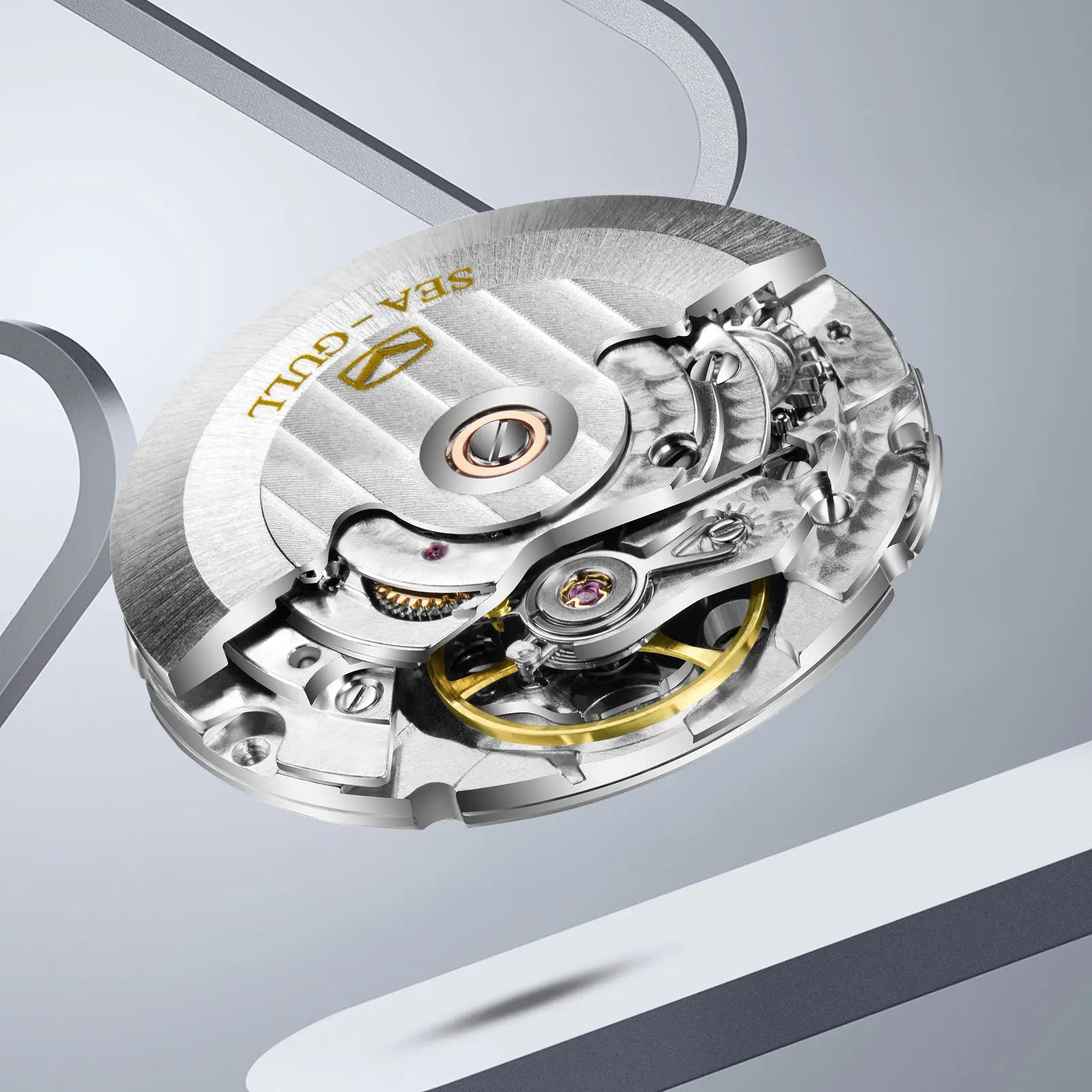
A manual-wind watch stores energy when you turn its crown. An automatic watch stores energy through wrist-driven rotor movement. Both require power-reserve awareness. Neither system is inherently the better choice.
Choose manual winding if you want a recurring mechanical task and accept occasional resetting after the watch stops. Choose automatic winding if regular wear and lower routine crown use better match your schedule.
What Daily Ownership Actually Involves
Wind the crown using the procedure specified for the exact model. Do not use a fixed number of turns from a general guide. Crown direction, winding limit, and screw-down construction vary by watch.
A manual-wind watch stops after its stored reserve is exhausted. This is normal operation, not necessarily a fault. If the display is no longer correct after a stoppage, wind the watch and reset the time.
Some owners prefer this routine because it makes the watch's running state clear. Others prefer not to add another daily task. The right choice depends on your willingness to check the watch before leaving home.
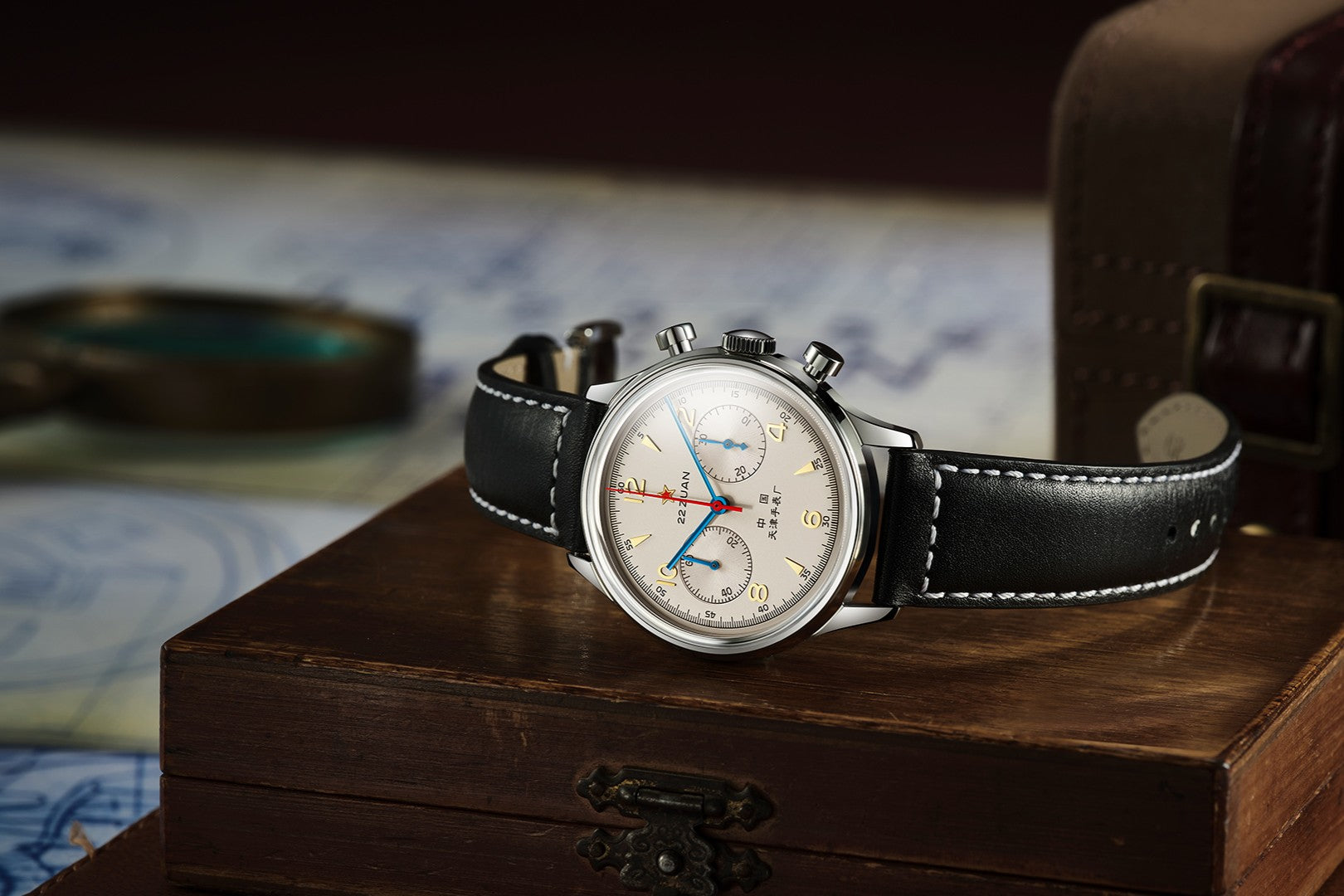
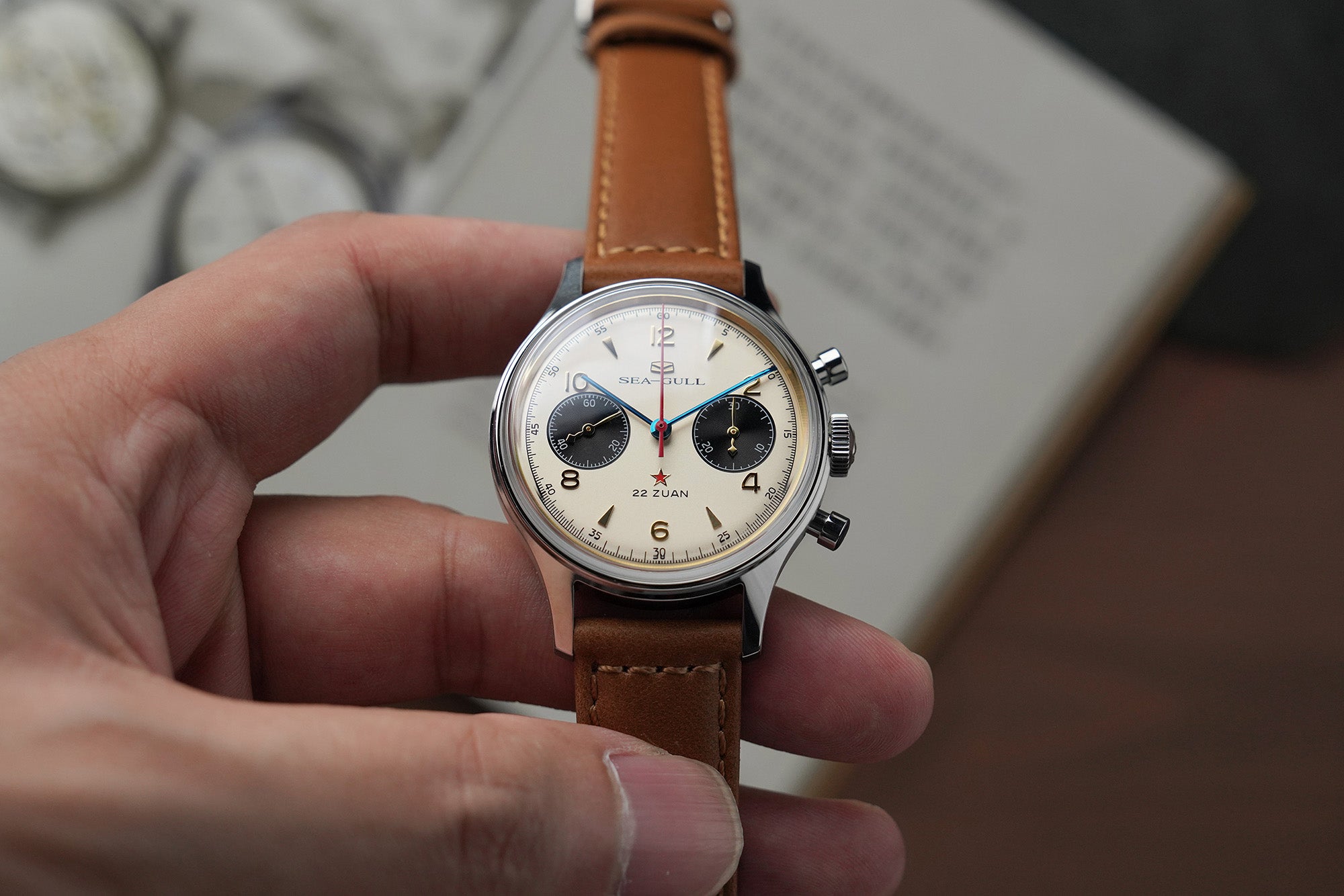
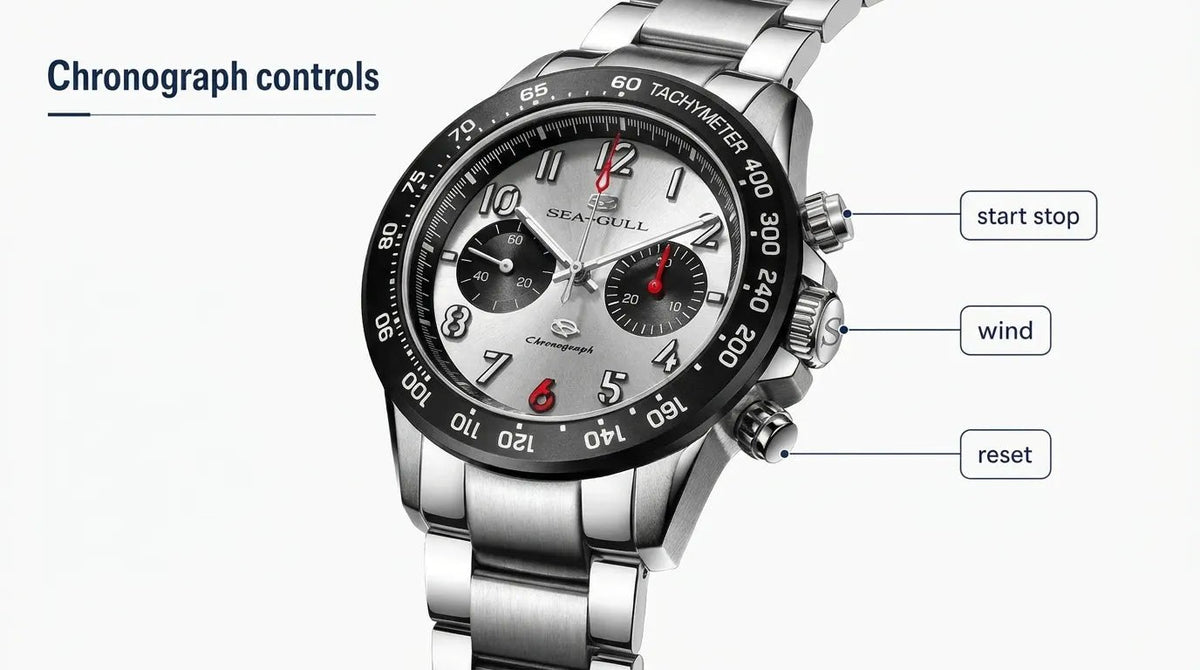
The Sea-Gull Panda Eye Pilot Chronograph 44mm is a manual-wind ST19 chronograph with tachymeter and luminous features. Its substantial steel-bracelet format suits a buyer who wants clearly separated winding and timing controls in a sportier presentation.
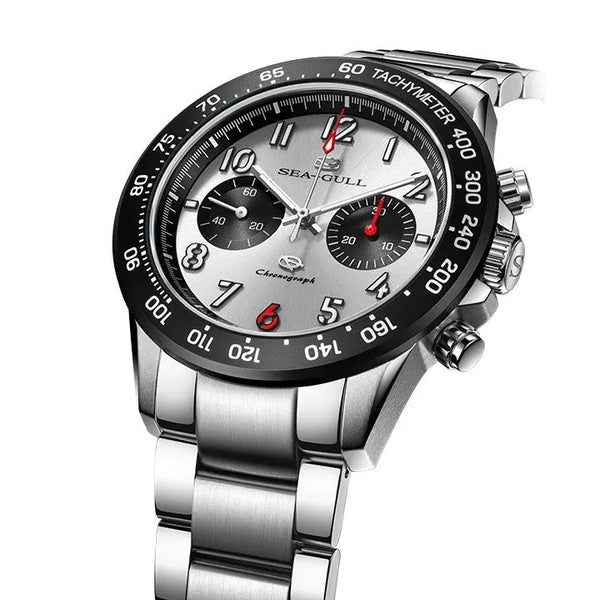
Use the stated power reserve for the individual model as a planning reference. Do not assume that every manual watch needs winding at the same interval. If you rotate several watches, expect to rewind and reset a manual watch after it has been left unused long enough to run down.
How to Restart a Watch That Has Stopped
Follow this sequence after a manual watch has stopped:
- Check the model instructions before operating the crown.
- If the crown screws down, release it as directed.
- Wind the crown gently in the specified direction.
- Set the time using the correct crown position.
- Follow model-specific instructions before setting any date or calendar display.
- Return the crown to its normal position and secure it if required.
Do not force the crown if you feel unusual resistance. Do not assume that all manual movements behave the same at full wind. The watch instructions govern the correct endpoint and handling procedure.
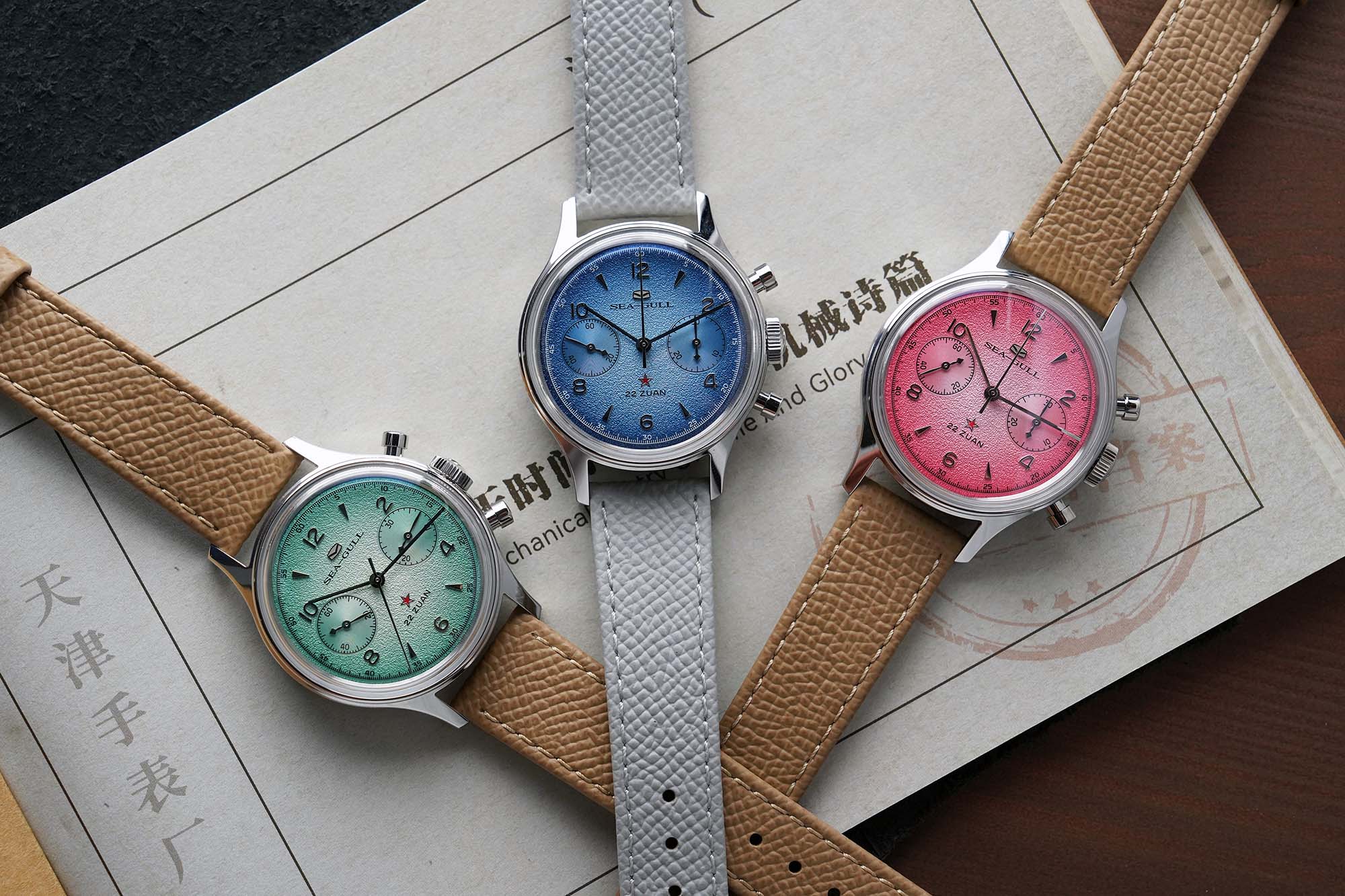
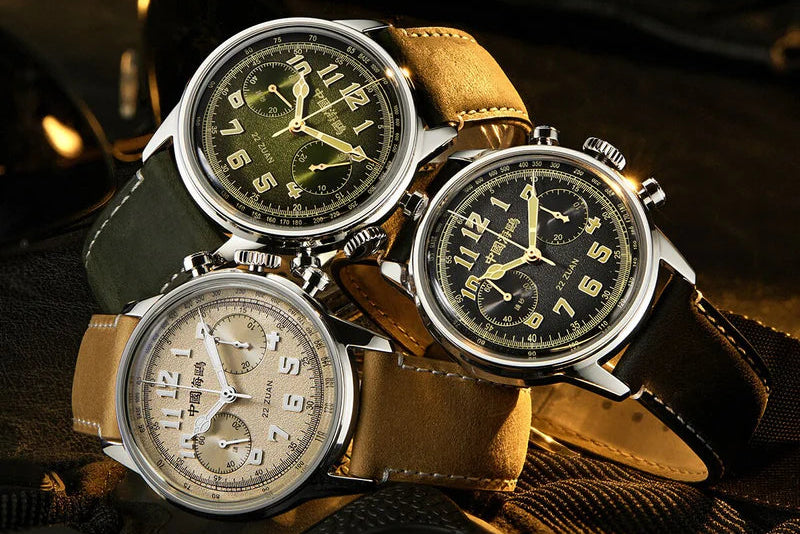
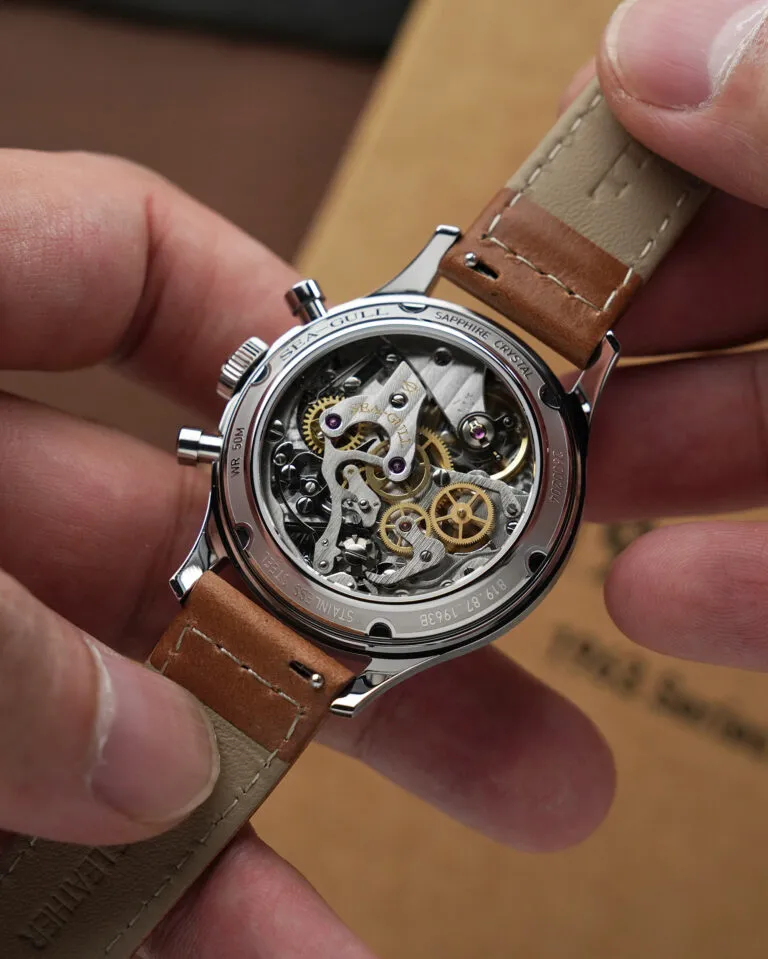
The 1963 Reissue Times Edition 40mm provides another manual-wind ST1901 chronograph option. Its hours, minutes, running seconds, and chronograph functions make it appropriate for a buyer who wants timekeeping and elapsed-time measurement in one mechanical watch.
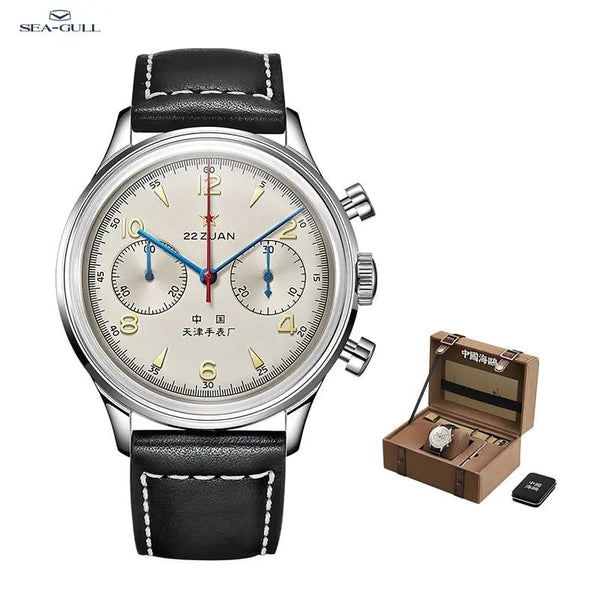
Understand the Chronograph Controls
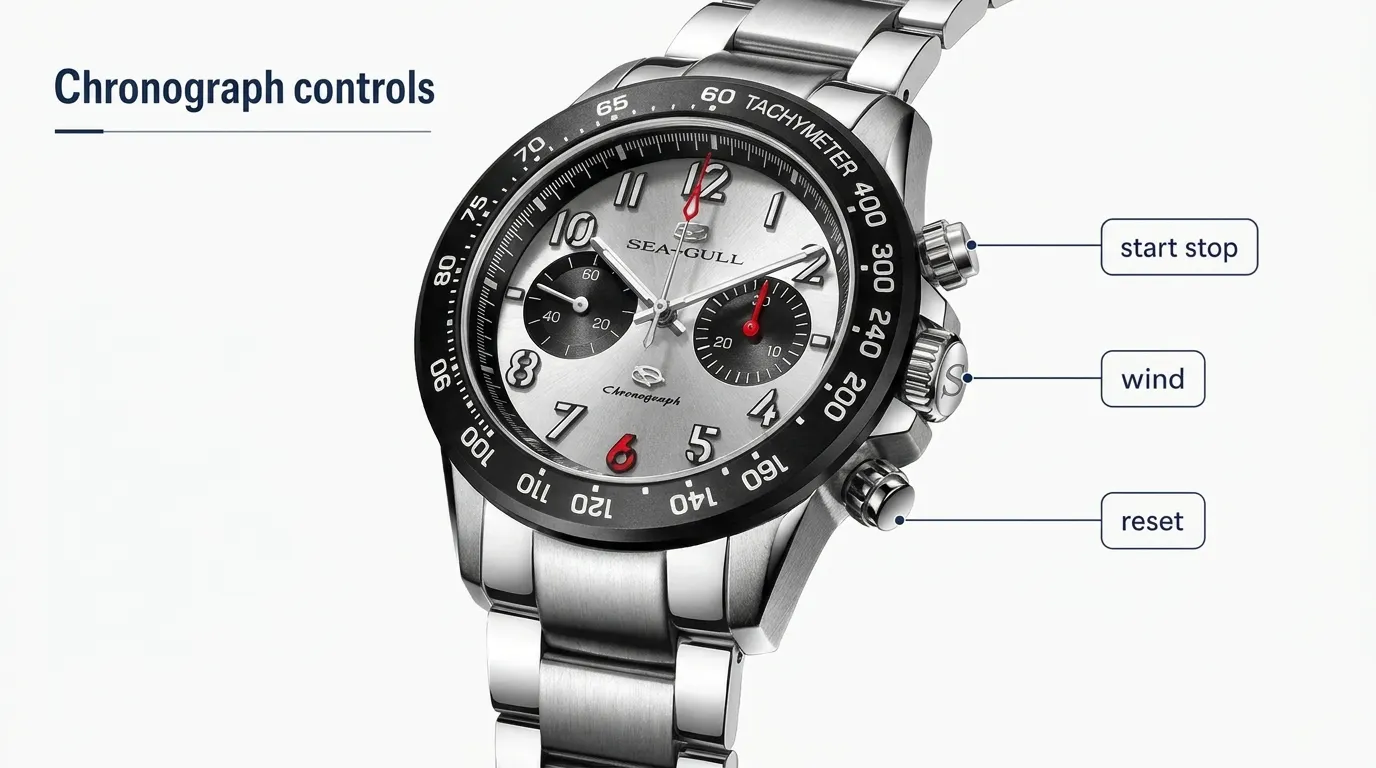
A manual chronograph has two operating systems that serve different functions.
| Control | Primary function | Basic rule |
|---|---|---|
| Crown | Winds the mainspring and sets the time | Turn gently and follow model instructions |
| Start-stop pusher | Starts and stops elapsed-time measurement | Use for timing only |
| Reset pusher | Returns chronograph hands to zero | Stop a conventional chronograph before resetting |
Winding the crown supplies power to the movement. It does not start the chronograph. The pushers operate the elapsed-time mechanism. Check that chronograph hands are properly reset before beginning a new timing task.
For a conventional chronograph, stop timing before pressing reset. A flyback chronograph can follow a different procedure, but flyback operation must be confirmed for the exact watch. Do not assume that any manual chronograph has flyback capability.
Extended chronograph use can affect running time on some movements. Do not rely on a general estimate. Review the product documentation for the specific watch before using timing functions for long periods.
When an Automatic Is the Better Fit
An automatic watch uses wrist motion to wind its mainspring. Regular wear can reduce routine crown winding, but an automatic does not remain powered indefinitely when left unworn. It can also stop after its reserve is exhausted.
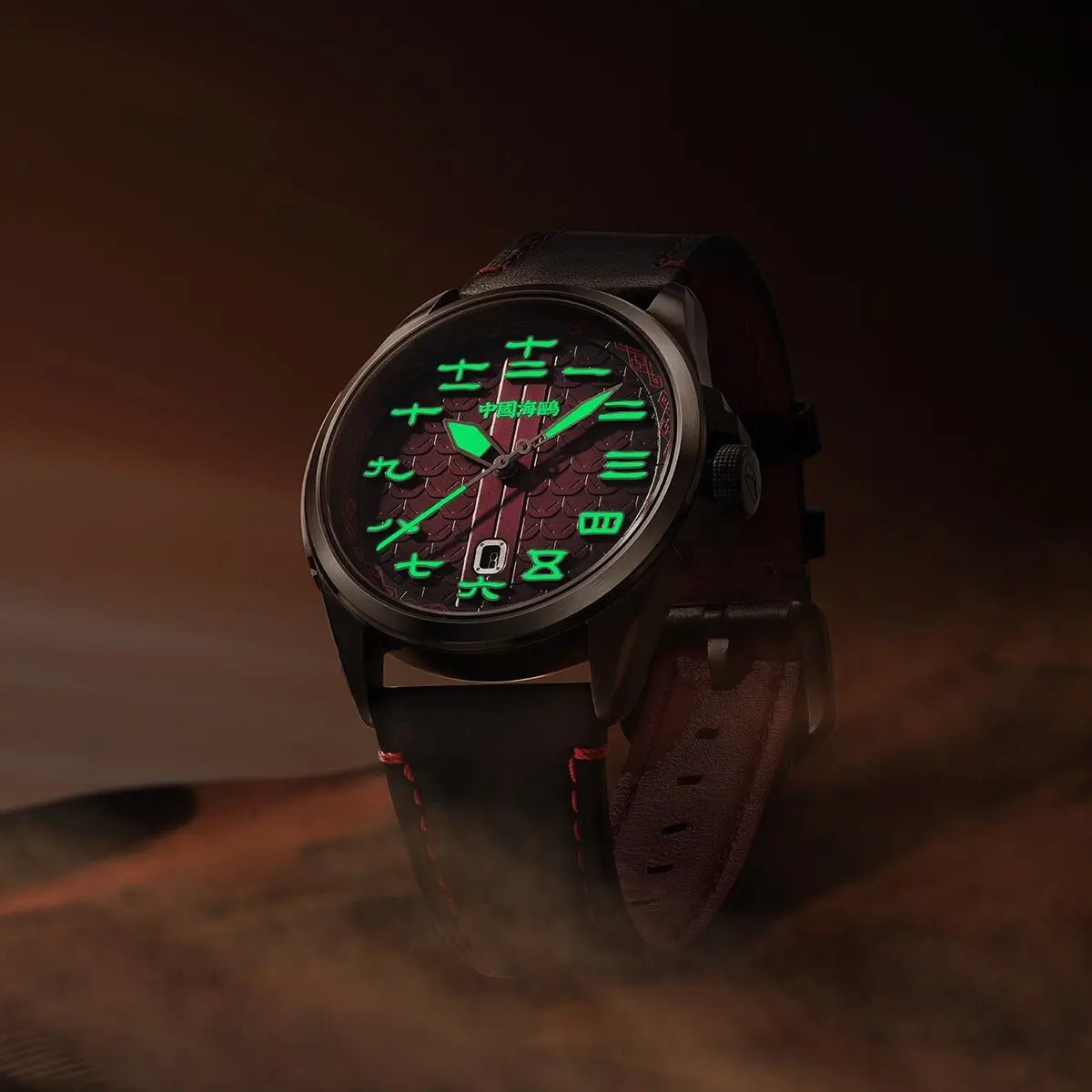
The Ocean Series 200m Calendar Luminous Diver 1523A uses automatic winding and has a stated 42-hour power reserve. It is a practical comparison point for buyers who wear one watch frequently and want a calendar and luminous display without routine manual winding.
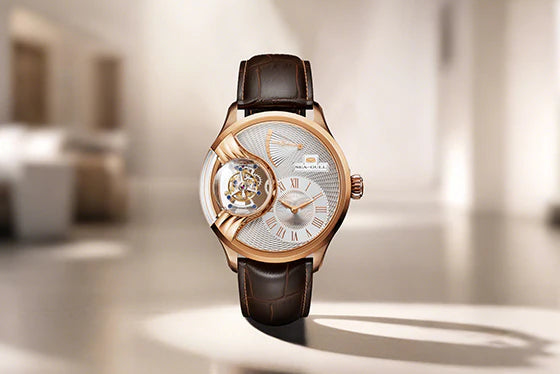
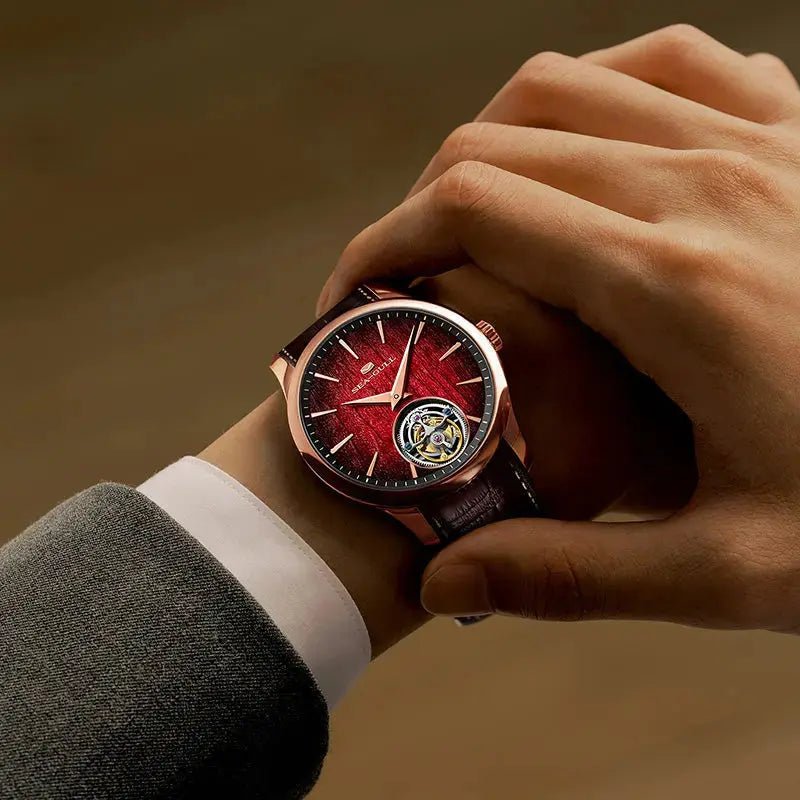
The Open Heart Skeleton Complete Calendar Week Display 1328 offers an automatic alternative with a more elaborate dial. Its complete-calendar and week indications create a useful contrast to the deliberate simplicity of a hand-wound chronograph. Check its model-specific instructions before adjusting the calendar.
Automatic winding does not eliminate ownership tasks. You still need to monitor whether the watch has enough reserve, reset it after a stoppage, and keep the crown secured after adjustments.
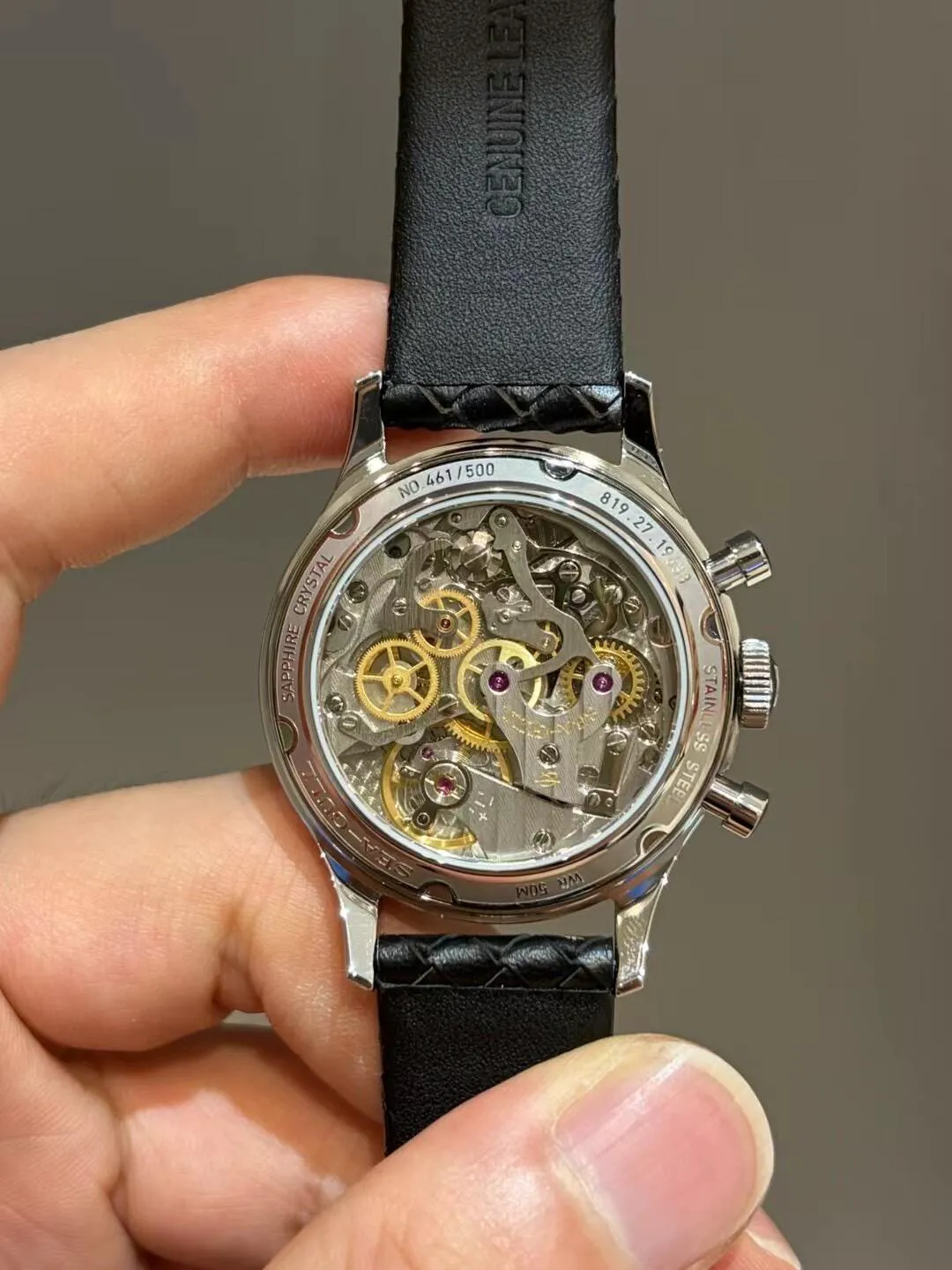
A Final Checklist Before Black Friday
Answer these questions before choosing a winding system:
- Do you want to wind the watch as part of regular use?
- Will you wear the same watch most days?
- Will the watch sit unused while you rotate other pieces?
- Are you comfortable resetting the time after a stoppage?
- Do you need a chronograph, calendar display, or both?
- Will you follow model-specific instructions for crown, pusher, and water handling?
Keep the watch away from avoidable impacts, strong magnetic fields, prolonged vibration, and extreme temperature changes. Do not operate the crown around water unless the model instructions permit it. Seek professional inspection after moisture ingress, a serious impact, or abnormal performance.
The confirmed Black Friday promotion of 20% off is one purchase consideration after you have selected the winding system that fits your routine.


Commenta
Questo sito è protetto da hCaptcha e applica le Norme sulla privacy e i Termini di servizio di hCaptcha.