

Article: Sea-Gull Watch History: How a Chinese Mechanical Watchmaker Built a Global Name

Sea-Gull Watch History: How a Chinese Mechanical Watchmaker Built a Global Name
Mechanical credibility built the Sea-Gull watch name. From its 1955 roots in Tianjin, the company developed from an early Chinese mechanical watch factory into a manufacturer known for chronographs, movement production, and later tourbillon work that reached buyers far beyond China.
For collectors and practical buyers alike, the relevance of a Sea-Gull watch is not only age or design language. It is the continuity between factory origin, movement manufacturing, and current model families. That continuity explains why the brand remains closely associated with the Seagull 1963 watch, why the ST19 still matters in discussions of chronograph mechanical watches, and why later categories such as the Seagull GMT automatic, heritage lines, and tourbillon pieces carry more weight than a simple catalog expansion.
Why the Sea-Gull watch history starts with a Tianjin watchmaker
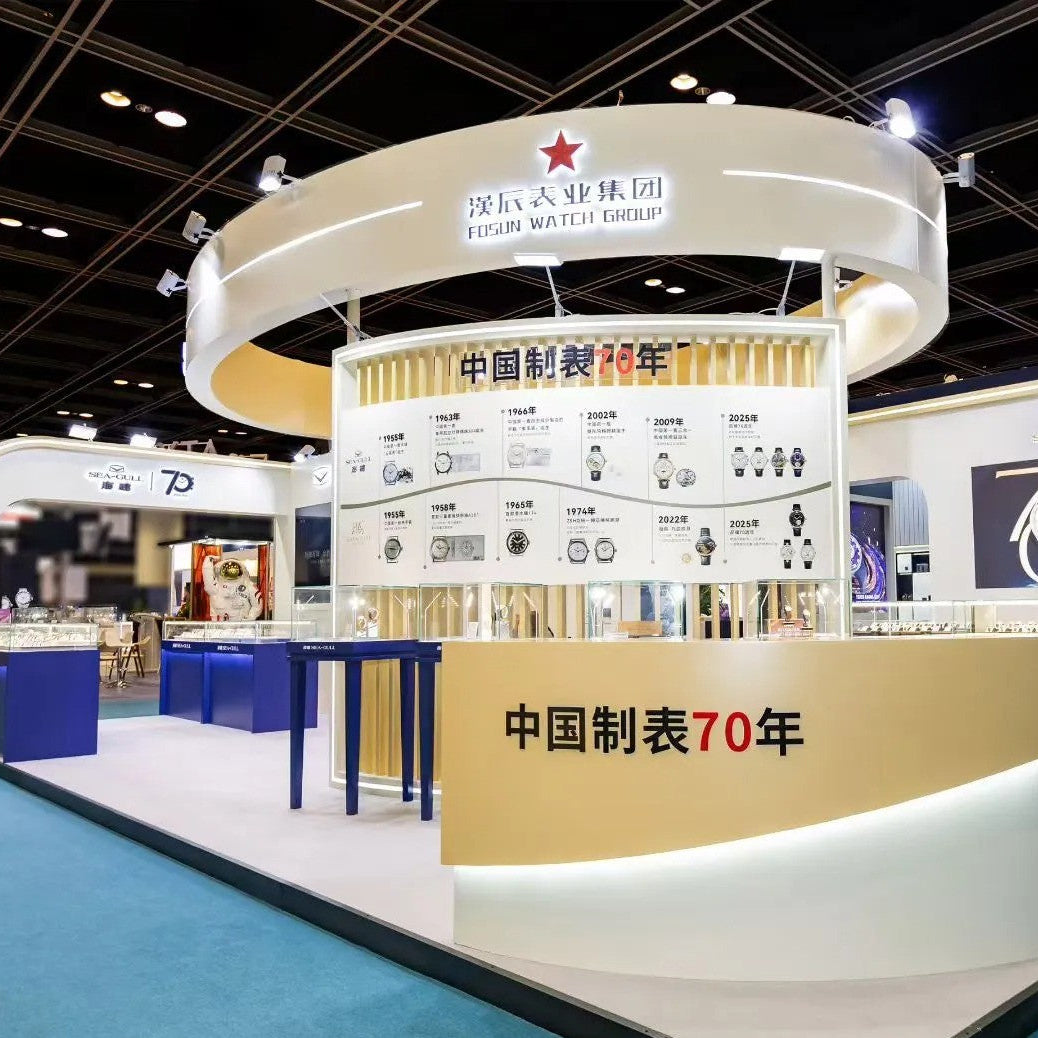
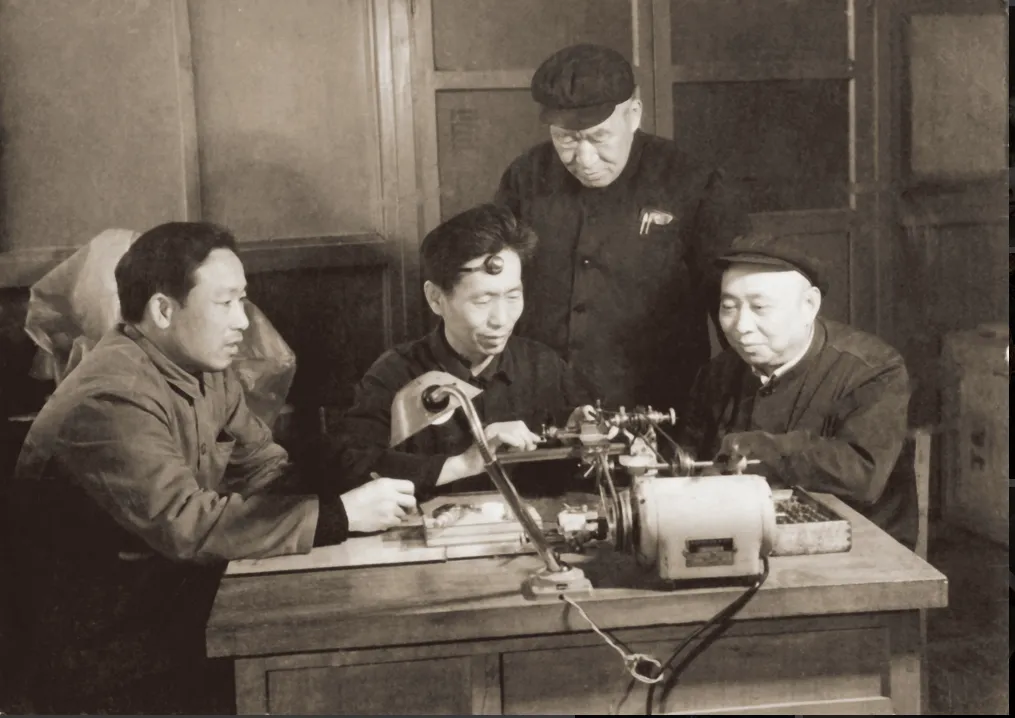
The Sea-Gull watch history begins in Tianjin in 1955, when the Tianjin Watch Factory was established during China's push to build domestic industrial capability. In watchmaking terms, this matters because Tianjin was not just a branding address. It was a production base, and that production base shaped technical knowledge over decades.
A long-running factory location usually means continuity in tooling, training, assembly practice, and movement development. That is part of the Sea-Gull brand story. The company's reputation grew through manufacturing experience rather than through outsourced case-and-dial assembly alone. For readers evaluating whether a Chinese mechanical watch deserves serious attention, that distinction is central.
Early factory milestones are sometimes presented differently across market-facing histories, so it is better to state the durable point clearly: Sea-Gull's roots are tied to the first phase of modern Chinese wristwatch industrialization, and Tianjin remained the core of that development.
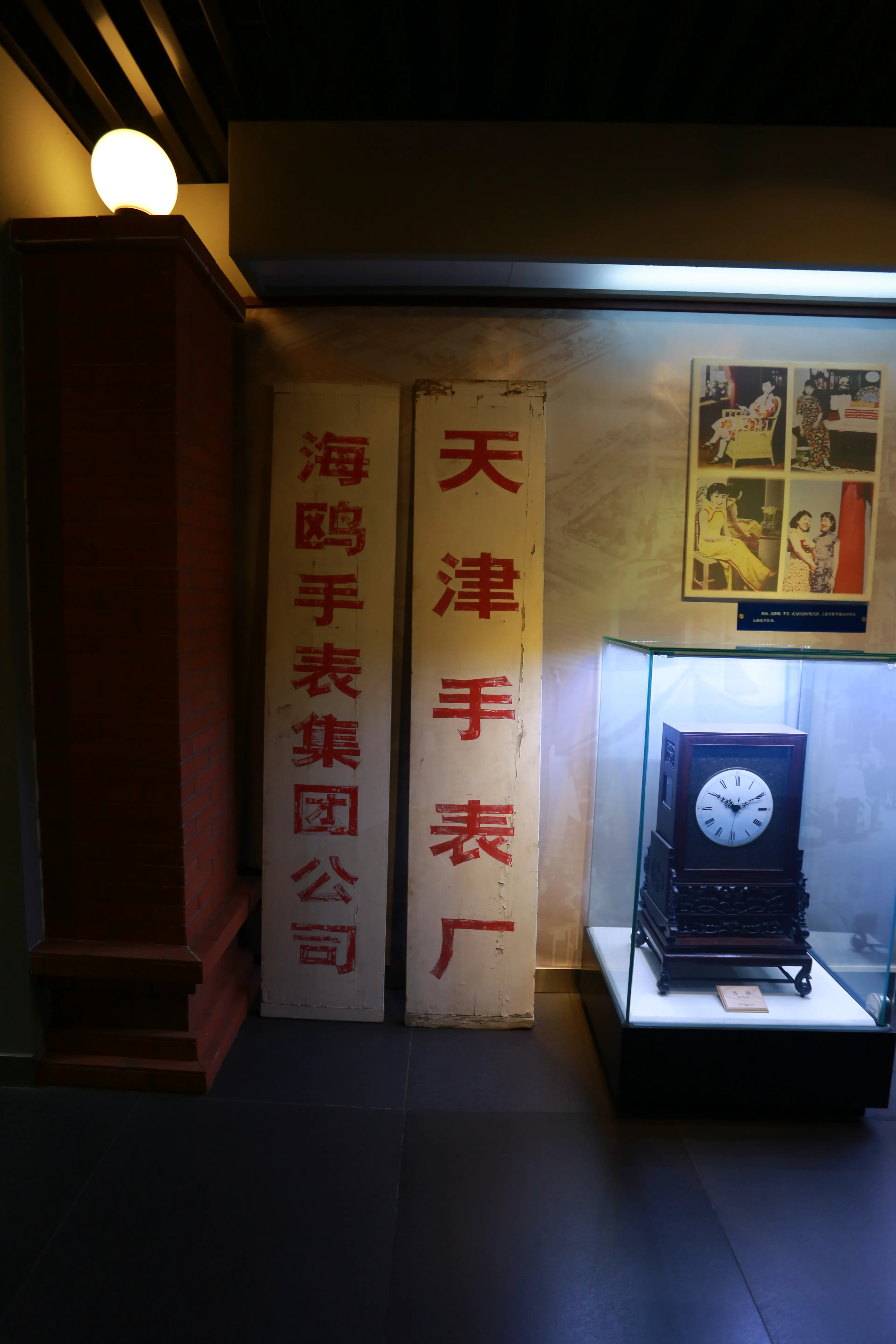
That foundation still shapes how modern buyers read the catalog. A heritage mechanical watch from this lineage is understood differently from a fashion-led product, because the factory history supports the idea of long-term movement knowledge rather than short-term styling.
How the Sea-Gull watch became known through the Seagull 1963 watch
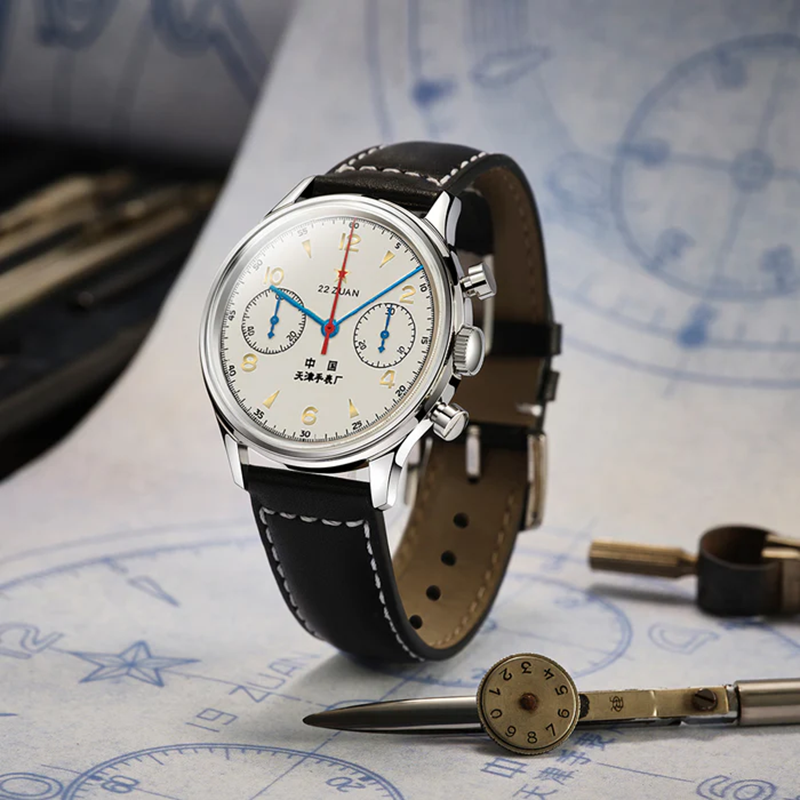
The best-known chapter in Sea-Gull watch history is the aviation chronograph project often linked to the Seagull 1963 watch. The timeline is relatively clear even where exact counts are not. Project 304 began in 1961, more than 30 prototypes were completed by 1963, and the accepted production or certification phase is generally associated with the mid-1960s.
That distinction matters. The year 1963 is best treated as the prototype landmark rather than as a simplified single-date origin story for every version now in circulation.
What gave this line lasting relevance was not only the dial design. It was the movement architecture behind it. The modern family most often associated with the model is the ST19 or ST1901, a manual-wind, column-wheel chronograph. Among chronograph mechanical watches, a column-wheel system remains an important technical point because it reflects a more traditional chronograph layout than lower-cost cam-switched alternatives.
For many enthusiasts in North America and Europe, the Seagull 1963 watch became the entry point into the wider Sea-Gull brand story. It condensed several things into one object: historical lineage, mechanical operation, collector interest, and relatively accessible pricing within the broader chronograph category. Readers comparing variants can also review the brand's own guidance on the Authentic Seagull 1963 collection.
| Project stage | Commonly cited period | Why it matters |
|---|---|---|
| Tianjin factory origin | 1955 | Establishes manufacturing continuity |
| Project 304 begins | 1961 | Marks the aviation chronograph program |
| Prototype milestone | 1963 | Anchors the Seagull 1963 watch lineage |
| Production or certification phase | Mid-1960s | Connects the project to accepted military-use output |
| Export-era development | 1970s | Broadens recognition beyond domestic production |
Why the Sea-Gull watch movement story still defines the brand
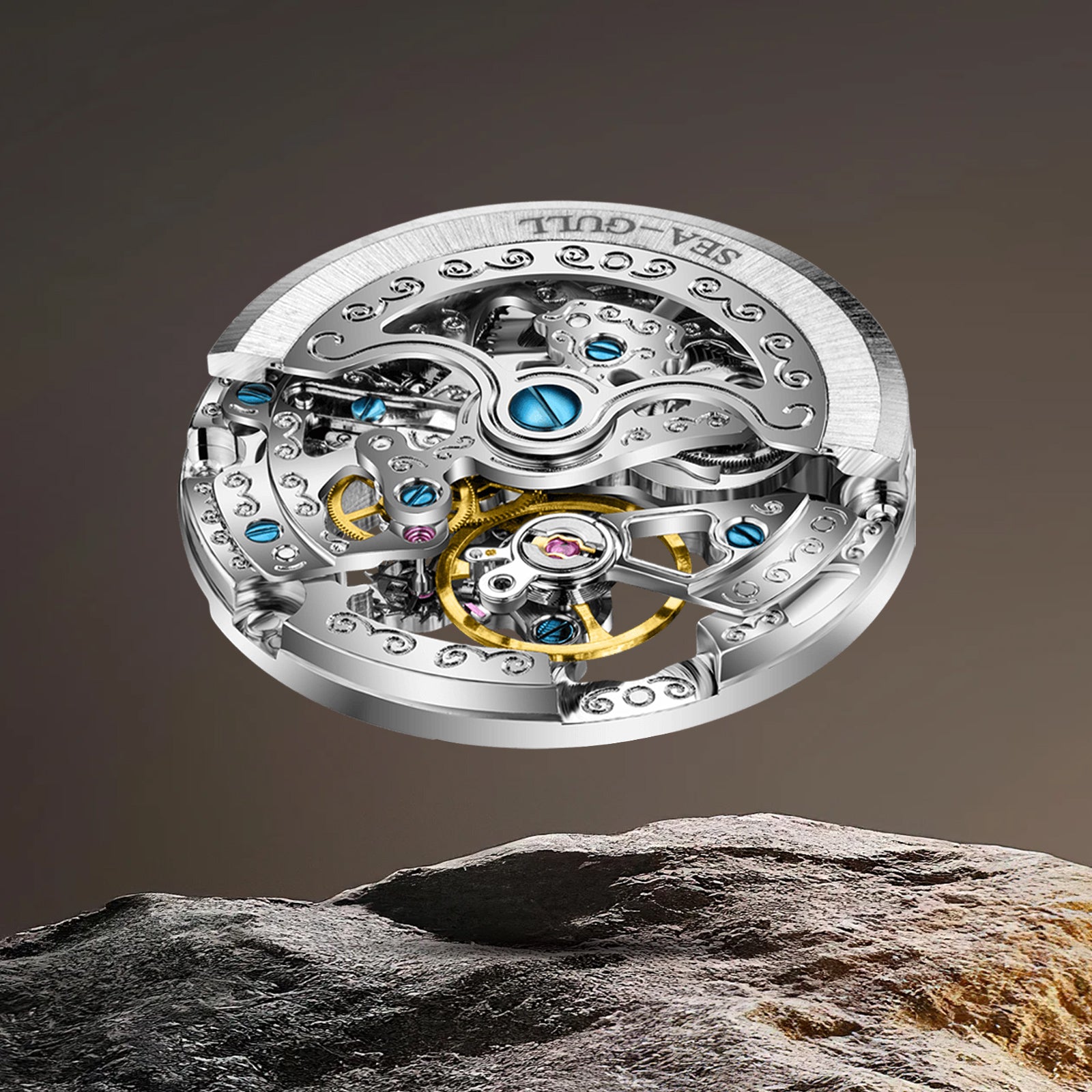
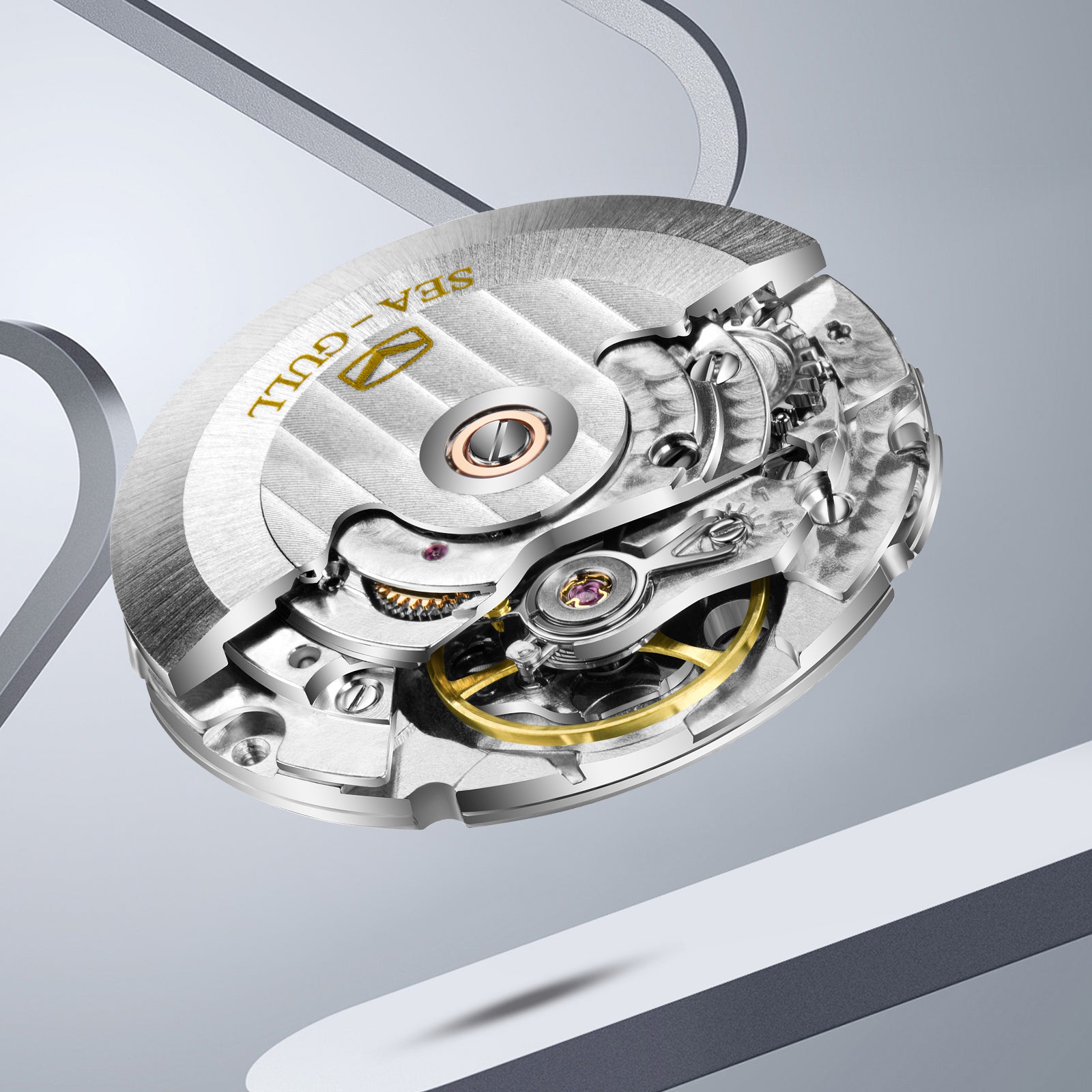
The strongest technical case for a Sea-Gull watch remains its movement-making identity. The phrase in-house mechanical movement can be debated across the watch industry, but Sea-Gull is consistently discussed as a company with real internal movement manufacturing capability, not merely a label applying its name to bought-in calibers.
The ST19 family is the clearest example. It preserves the relevance of the historical chronograph lineage in a form modern buyers can still understand and use. A manual-wind column-wheel chronograph is not important because it sounds romantic. It is important because it affects how the watch operates, how collectors classify it, and why the movement receives attention in Seagull watch reviews.
Over time, that movement story expanded. Brand history materials also cite tourbillon development in the 2000s and later work in higher complications. Some of those milestones should be read as brand-stated achievements rather than universally verified industry firsts, but the broader conclusion is stable: Sea-Gull moved from foundational mechanical production into more advanced watchmaking categories.
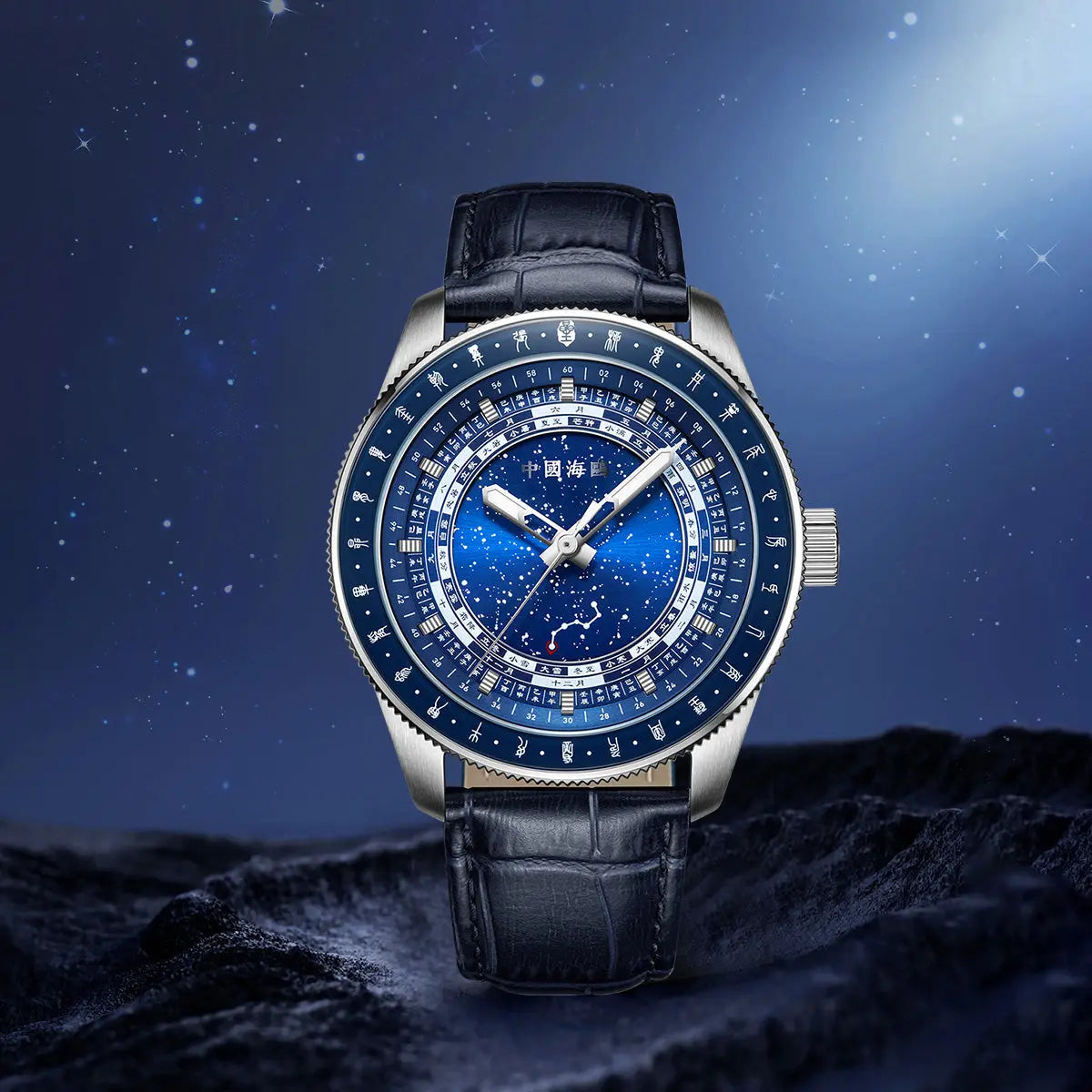
That is visible in current product lines. Examples include the Seagull Tourbillon Men's Automatic Mechanical Watch 818.12.8827, the Seagull Heritage Series Tourbillon Men's Mechanical Watch 818.11.8820, and the Seagull Eccentric Tourbillon Men's Manual Mechanical Watch 818.11.6149. These pieces matter in the article not as sales highlights, but as evidence that the Sea-Gull watch range now extends well beyond one heritage chronograph.
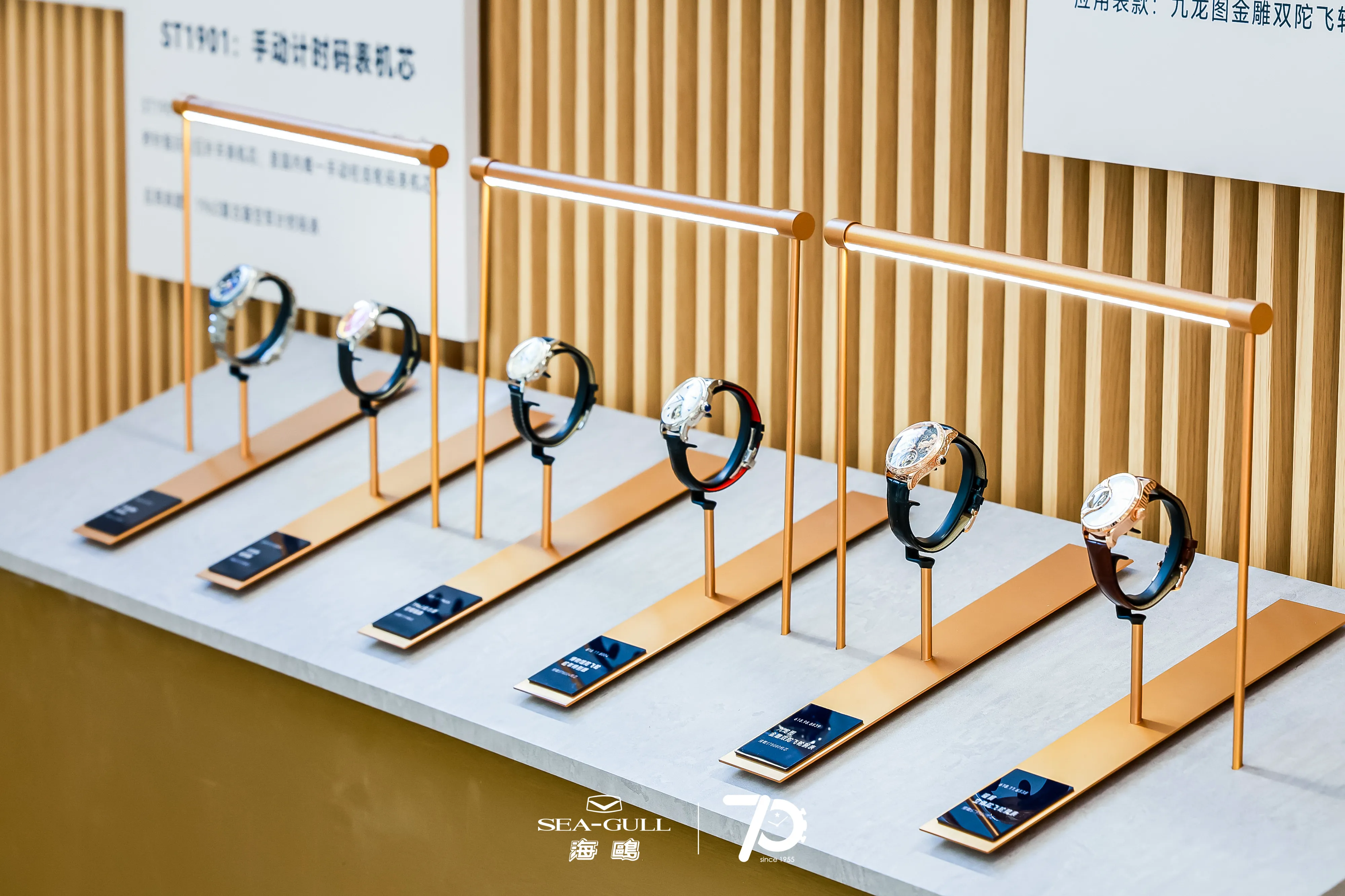
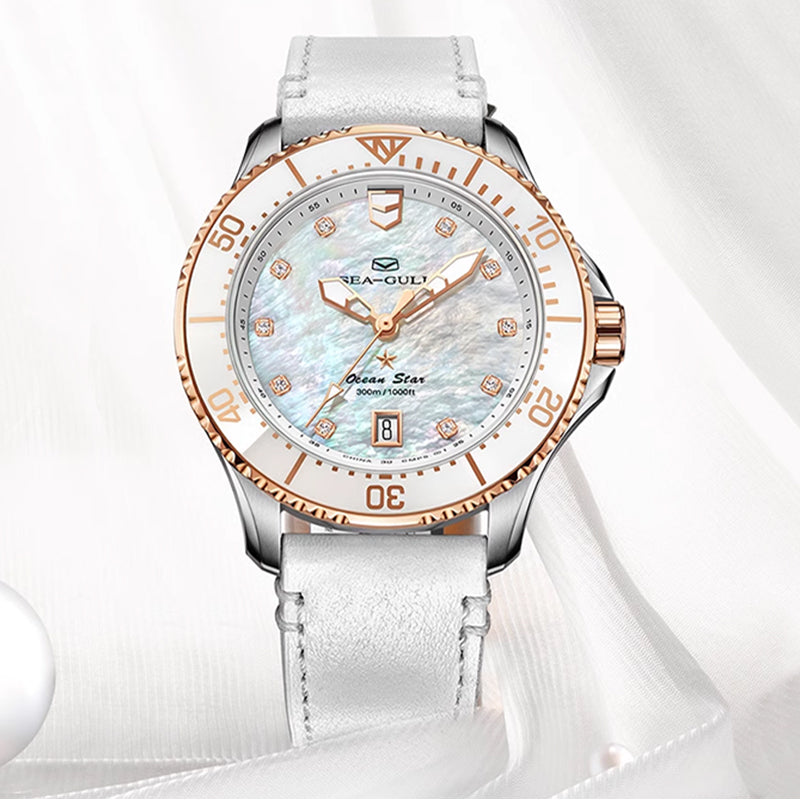
For buyers interested in broader everyday use, the catalog also extends into categories such as Seagull GMT automatic and Seagull dive watch models. Research support for exact GMT caliber history is more limited, but the category itself shows how the company translated movement credibility into practical travel and sports-watch formats.
How the modern Sea-Gull watch range connects history to current buying decisions
A useful way to read the current Sea-Gull watch lineup is by function rather than price tier alone.
| Model family | Historical connection | Present-day relevance |
|---|---|---|
| Seagull 1963 watch | Project 304 chronograph lineage | Best-known entry into the brand |
| Heritage mechanical watch | Factory-era design continuity | Appeals to collectors who value lineage |
| Seagull GMT automatic | Modern utility category | Practical for travel and dual-time use |
| Seagull dive watch | Contemporary sports-watch expansion | Daily wear with more robust styling |
| Sea-Gull tourbillon watch | Later complication development | Shows manufacturing breadth |
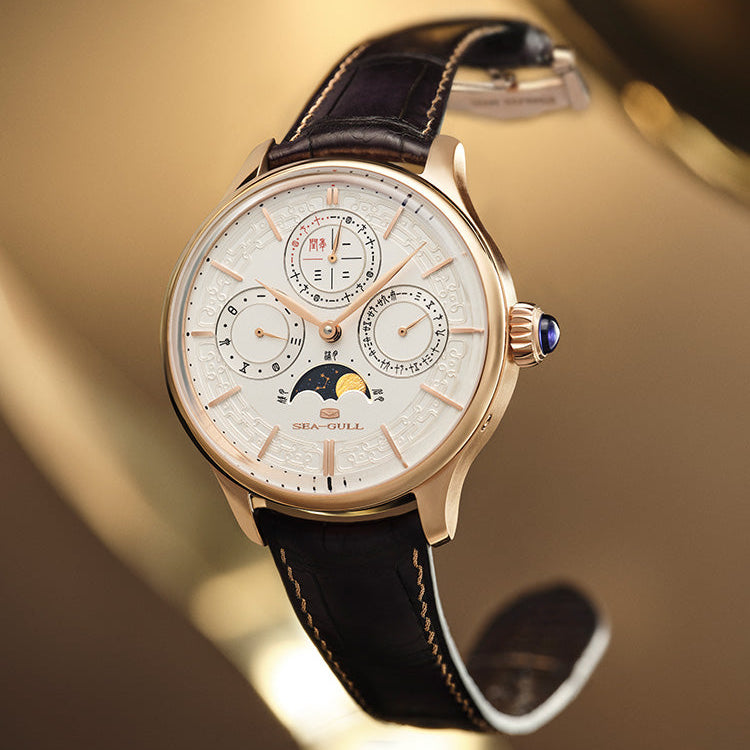
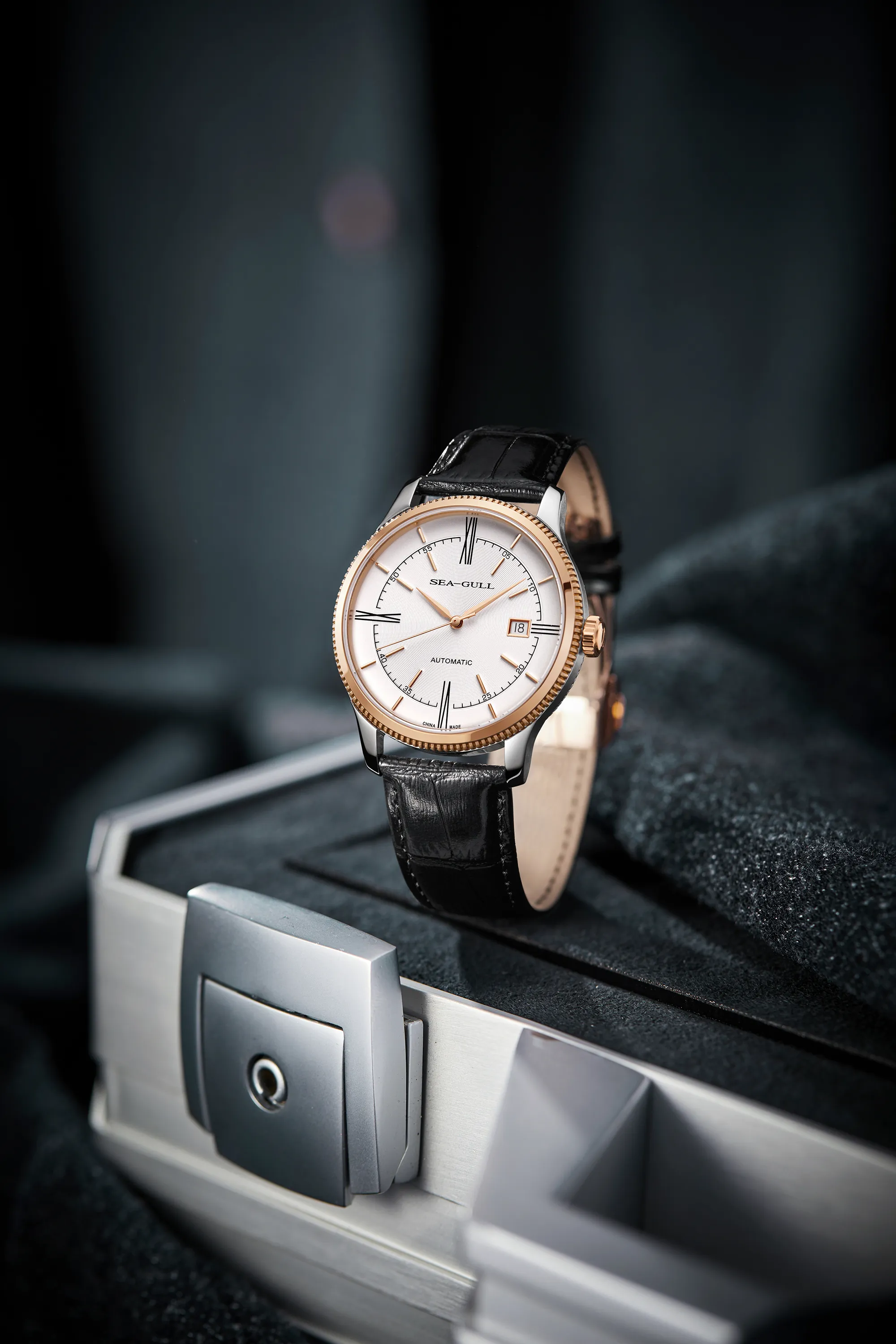
The heritage and complication side is especially clear in pieces such as the Seagull Heritage Series Tourbillon Rose Gold Men's Manual Mechanical Watch 930. A watch like this does not replace the historical importance of the 1963 chronograph, but it does show how the Sea-Gull brand story evolved from industrial necessity into a broader form of mechanical expression.
The practical side should not be ignored either. For regular wear, timing tolerance matters more than myth. Where relevant local knowledge is considered, an interval within ±40 seconds over 24 hours is within accepted international mechanical standards, while many pieces in normal use may perform in a narrower daily range. That kind of expectation helps frame a Chinese mechanical watch realistically: as a living mechanical instrument, not a quartz substitute.
What a Sea-Gull watch buyer should verify before ordering
For overseas buyers, the final step in the Sea-Gull watch story is trust. Interest often begins with history, but purchase confidence depends on after-sales details.
The most important questions are straightforward: Is the seller a recognized distributor website? Is warranty information visible on the product page? Is the return window clear? Is repair and maintenance support available if the watch needs service?
On the target site, buyers can review the FAQ for shipping, repair, and maintenance guidance, and the Return Policy for return and exchange conditions. The site states that orders are typically dispatched within 1 to 5 business days, standard shipping commonly takes 7 to 15 business days, and tracking is provided after shipment. It also states that unworn and unused items may be returned within 14 days under the listed conditions.
Customs duties should be handled carefully because they can vary by destination. Where no destination-specific rule is published, buyers should confirm the final position at checkout or through customer support before placing an order.
For long-term ownership, after-sales support, watch repair and maintenance, and product-level warranty visibility matter as much as design. Those details are particularly important when buying more specialized pieces such as a tourbillon or any manual-wind chronograph intended for regular use.
A Sea-Gull watch built a global name through factory continuity, movement production, and a model history that remained technically legible across decades. That is why the Sea-Gull watch history still matters today: it gives context to the Seagull 1963 watch, substance to the idea of an in-house mechanical movement, and practical confidence to buyers choosing between heritage chronographs, modern complications, and everyday mechanical watches.


Leave a comment
This site is protected by hCaptcha and the hCaptcha Privacy Policy and Terms of Service apply.