








How to Wind, Store, and Service a Sea-Gull Mechanical Watch
Mechanical watches depend on proper winding, stable storage, and timely service to maintain consistent performance over time. A manual winding watch demands the most direct interaction, but the same principles also help owners of automatic and gmt models protect the movement, preserve accuracy, and reduce unnecessary wear. For a Sea-Gull mechanical watch, daily handling matters as much as the movement itself, especially when crown use, moisture exposure, magnetism, and service timing are involved.

A practical watch care routine starts with controlled winding, careful storage, and realistic service expectations. For many owners, that also means knowing when simple handling is enough and when Repair Services and After-Sales Support become the better option.
How a manual winding watch should be wound and started
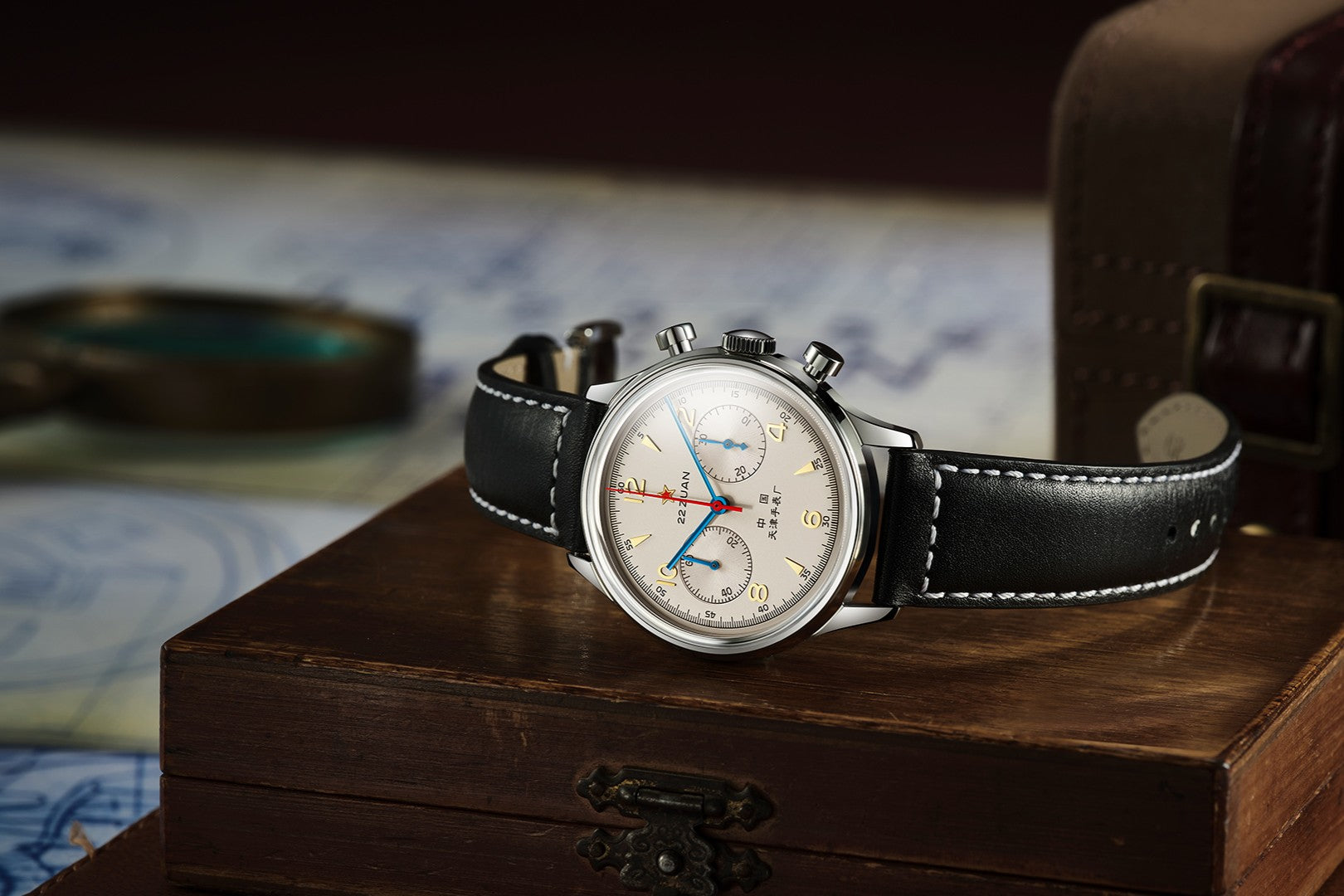
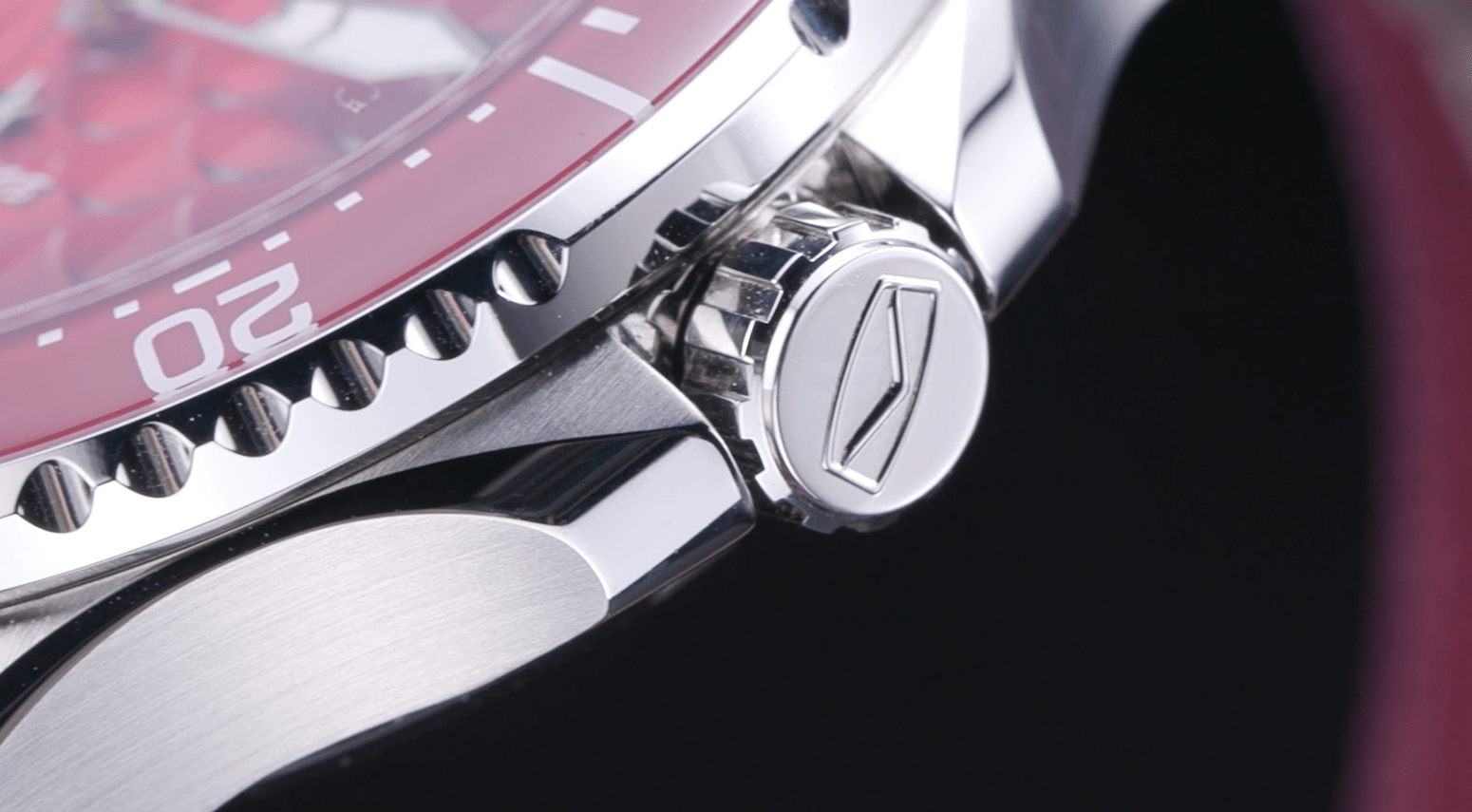
A manual winding watch stores energy in the mainspring through the crown. On Sea-Gull chronograph instructions for the ST1901, the crown in its normal position is the manual winding position, and the watch is wound by rotating the crown forward. That makes one rule clear: winding should be deliberate, smooth, and done only in the correct direction.
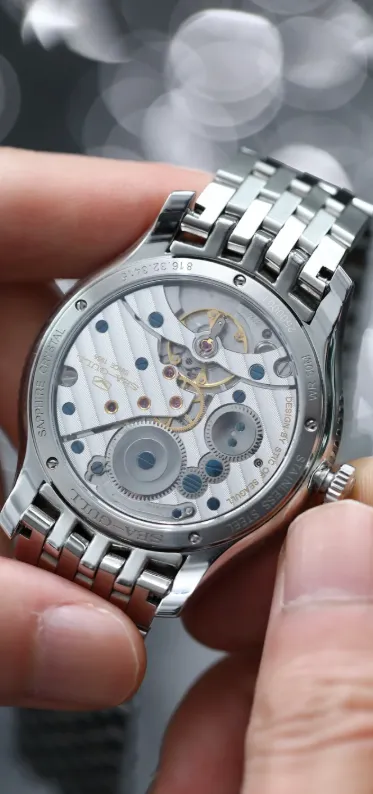
For anyone asking how to wind a Sea-Gull mechanical watch, the safest routine is straightforward:
- Make sure the crown is in its normal winding position.
- If the model has a screw-down crown, unscrew it before any operation and secure it again afterward.
- Turn the crown clockwise slowly and evenly.
- Stop once the watch feels sufficiently wound or, on models with a power reserve display, when full reserve is shown.
- Set the time only after the movement has started running properly.
For a manual winding watch that has fully stopped, it may take several turns before the seconds hand begins moving with stable amplitude. Some mechanical movements do not start instantly at the first turn because torque builds gradually. Avoid forcing the crown, rushing the turns, or reversing direction repeatedly.
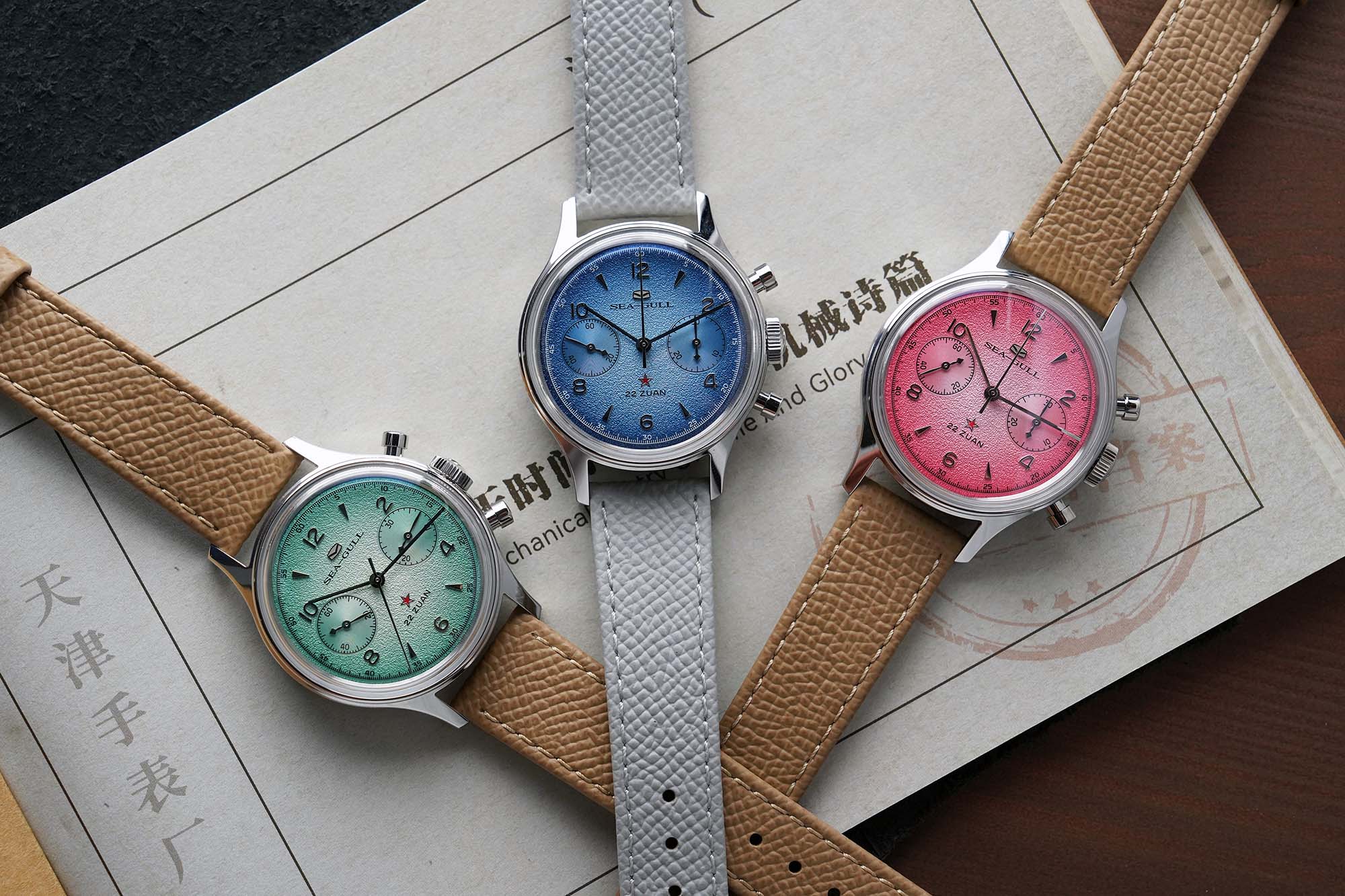
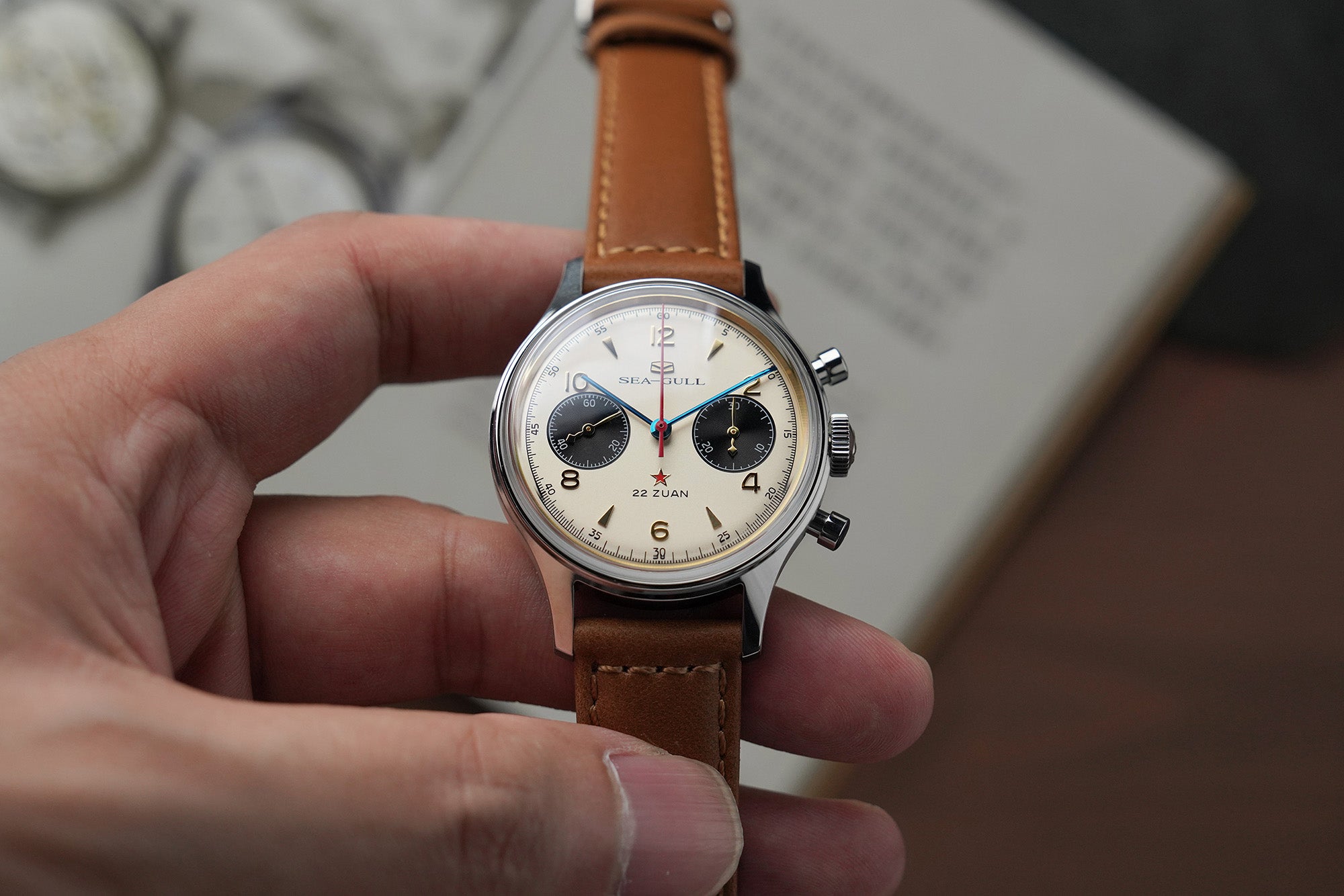
A useful distinction within the Sea-Gull range is that not every Sea-Gull mechanical watch is hand-wound. Some are automatic and can also accept manual winding through the crown. Collectors considering a hand-wound chronograph can look at the Seagull 1963 watch collection, while those comparing self-winding options may prefer broader Sea-Gull watches collections.
In practical terms, a hand-wound watch benefits from one consistent winding time each day. That habit supports steadier amplitude and can help timekeeping remain more stable. Local guidance also notes that a watch's timer interval may fall within ±40 seconds over 24 hours under international standards, while many examples operate closer to 3 to 5 seconds per day in ordinary use.
Why manual winding watch storage affects accuracy and longevity
A manual winding watch keeps its best mechanical behavior when it is stored clean, dry, and away from avoidable stress. Storage is not just about preventing scratches. It also limits moisture risk, dust ingress during crown handling, lubricant degradation from heat, and positional shocks that can affect regulation.
For day-to-day watch care, use this storage checklist:
| Storage factor | Good practice | Why it matters |
|---|---|---|
| Moisture | Store in a dry place, away from bathrooms and steam | Reduces corrosion and dial or movement damage |
| Magnetism | Keep away from speakers, magnetic clasps, tablets, and similar devices | Helps preserve stable timekeeping |
| Temperature | Avoid sudden temperature changes and prolonged heat | Protects seals, lubricants, and movement stability |
| Position | Lay the watch flat or in a padded watch box | Minimizes impact and cosmetic wear |
| Cleanliness | Wipe with a soft dry cloth before storage | Removes sweat and dust from case surfaces |
This is also where manual and automatic ownership differs. A manual winding watch can simply be allowed to stop when not in use for several days. An automatic gmt may also be left at rest, then rewound and reset when needed. Constantly placing every watch on a winder is not necessary, particularly for pieces that are worn in rotation.
Owners interested in travel-oriented automatic models can compare the Seagull GMT automatic 7079/7080 or the Seagull GMT Dual Time Zone Calendar 6028H. Even though these are not manual-wind pieces, the same watch care principles apply when the watch is off the wrist.
For additional brand guidance, the Sea-Gull FAQ also outlines shipping, warranty, returns, and support information relevant to long-term ownership.
When a manual winding watch needs service and what watch service interval to expect
Every manual winding watch eventually requires maintenance because oils age, friction surfaces wear, and seals lose effectiveness over time. A realistic watch service interval depends on wear pattern, environment, and whether the watch has complications such as chronograph or gmt functions.
The most common signs that service is due include:
- Noticeable decline in power reserve
- Irregular starting after winding
- Larger-than-normal gain or loss
- Moisture under the crystal
- Stiff, gritty, or inconsistent crown feel
- Chronograph pushers or calendar functions operating abnormally
A simple way to think about service urgency is below.
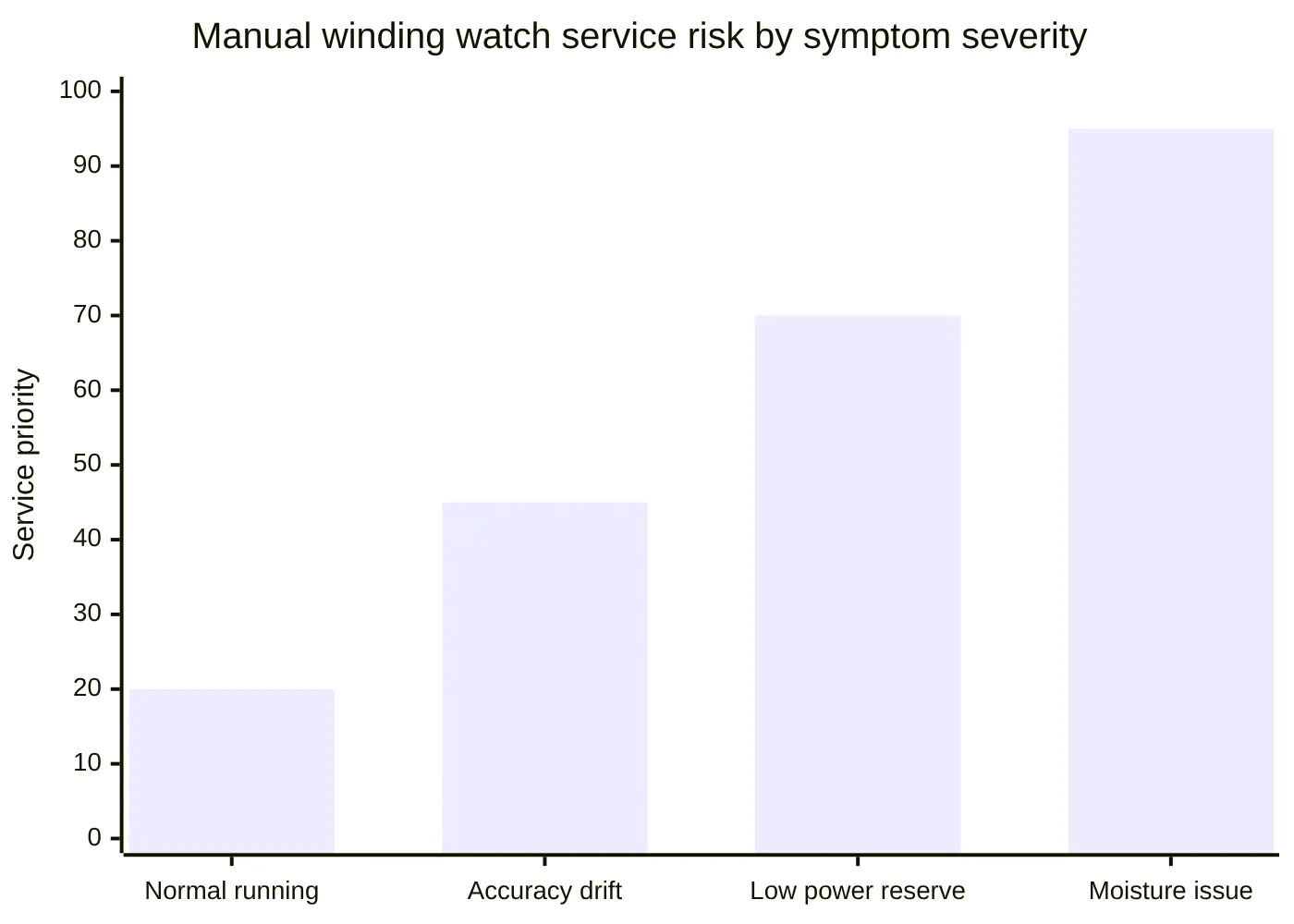
For a Sea-Gull mechanical watch used regularly, a periodic inspection makes sense before visible problems become major movement faults. This is especially true for hand-wound chronograph mechanical watches, where the interaction between the mainspring, chronograph train, and user-operated pushers adds mechanical load.
Owners exploring the broader technical side of complications may also find relevant context in Mastering the Chrono: A Collector's Technical Guide and the site's GMT-related reading under the GMT news tag. Those resources help frame why chronograph and gmt watches may demand more attentive watch care than simple three-hand models.
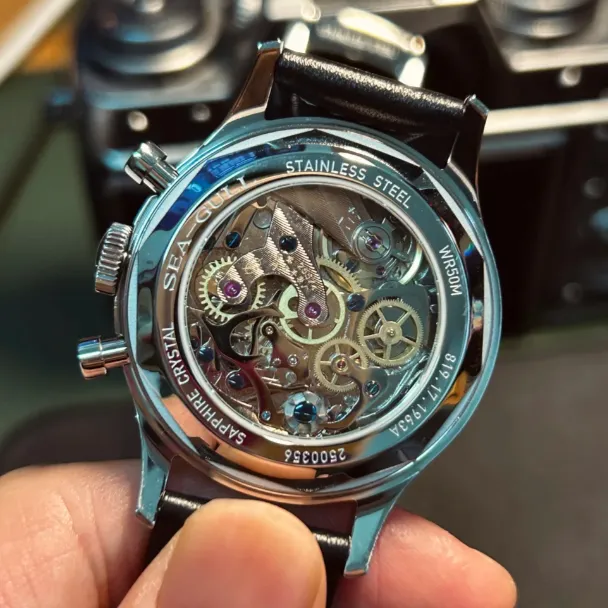
How Repair Services and After-Sales Support work for a Sea-Gull mechanical watch
Repair Services and After-Sales Support matter most when an issue goes beyond routine winding and storage. According to the available Sea-Gull FAQ information, the brand provides repair and maintenance support, and product pages specify warranty duration by model. The FAQ also states that unworn and unused items may be returned within 14 days of receipt for refund or exchange, subject to the stated conditions.
For after-sales support, the recommended process is practical:
| Situation | Recommended action |
|---|---|
| New watch arrives damaged | Document the condition with photos or video and contact support promptly |
| Timekeeping seems unstable after normal winding | Check usage pattern first, then contact support if the issue continues |
| Crown, pusher, or calendar issue | Stop forcing the mechanism and request guidance |
| Warranty question | Review the product page and confirm terms with customer support |
| Return or exchange request | Follow the return window and packaging requirements listed in the FAQ |
The Sea-Gull FAQ notes that customers can contact support through the contact page or by email, and that warranty duration is shown in individual product details. It also states that orders are typically dispatched within 1 to 5 business days, with standard shipping often taking 7 to 15 business days depending on destination. For buyers in North America and Europe, those policy details are relevant not only at purchase but also when planning future service logistics.
For readers comparing categories before purchase, the current catalog also includes chronograph mechanical watches, Seagull dive watch models, and multiple Sea-Gull watches suitable for daily wear or travel rotation.
Which manual winding watch habits make the biggest difference over time
The best long-term results usually come from a short list of repeatable habits rather than complicated routines. For a manual winding watch, consistency is more valuable than excessive intervention.
The most effective habits are these:
- Wind at roughly the same time each day.
- Turn the crown slowly rather than aggressively.
- Keep the watch away from magnets, shocks, and sudden temperature shifts.
- Clean the exterior with a soft dry cloth after wear.
- Do not force crowns, pushers, or stuck functions.
- Use after-sales support early when a problem appears.
- Treat the watch service interval as preventive maintenance, not only a reaction to failure.
A Sea-Gull mechanical watch can remain dependable for years when winding, storage, and maintenance are handled with discipline. For readers ready to compare hand-wound chronographs, automatic gmt models, or everyday mechanical pieces, the most efficient next step is to review the relevant Sea-Gull watches collection and confirm the warranty terms listed on each product page.